Protocol Archives • Browse all Music titles in HD
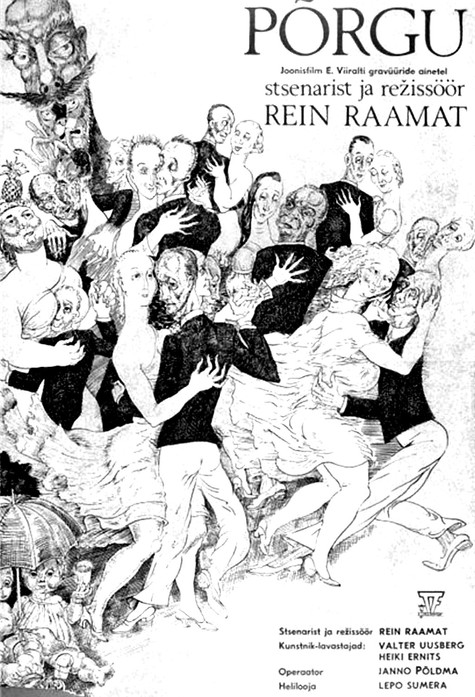
Rein Raamat’s Hell adapts the engravings of Estonian graphic artist Eduard Wiiralt into a surreal, grotesque, and heavily sexual animated short. Wiiralt’s three source works, “The Preacher,” “Cabaret,” and “Hell,” date back to the early 1930s and portray a cacophony of bacchanalia, hysteria, and violence in the final years of Estonian independence amid the unrest of the Great Depression and European instability.

A grieving father in a downward spiral stumbles across a box of his recently deceased son's demo tapes and lyrics. Shocked by the discovery of this unknown talent, he forms a band in the hope of finding some catharsis.
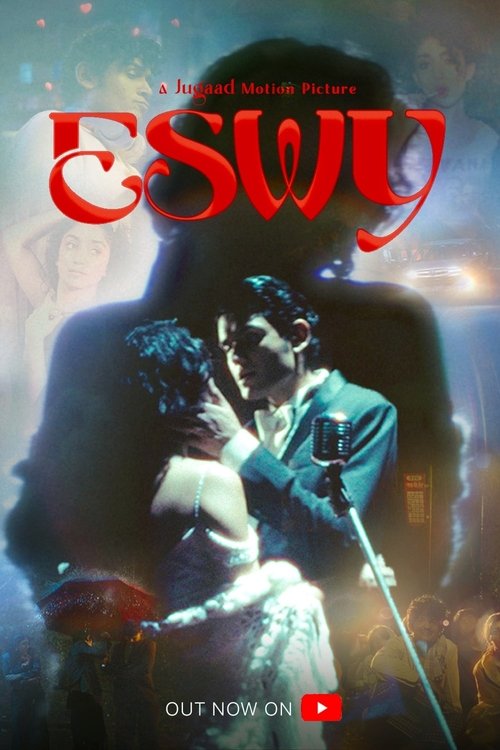
ESWY is a love story that keeps finding its way back. It is magical happenstances and ill-fated heroes, undying love and miraculous past-lives, crazed villains and unbelievable twists that tear through the fabric of reality and beckon you to dream. Are you ready to hop onto an adventure across lifetimes?

For his first appearance in the pit in Paris with his Artaserse ensemble, Philippe Jaroussky has chosen a masterpiece that he knows well, having sung the role of Sesto on numerous occasions, notably in the highly acclaimed Salzburg production alongside Cecilia Bartoli. As for the staging, we will welcome for the first time on Avenue Montaigne a Venetian who is used to the greatest European stages and who has undertaken his first Handel, Alcina, in the summer of 2019 in Salzburg with Ruggiero... Philippe Jaroussky. Everyone agrees on his ability to imagine delicate and highly effective dramaturgical worlds (his Barber of Seville for the Paris Opera is an irresistible visual translation of Rossini's frenzied score). His debut in opera seria with Alcina also showed his intelligence in giving coherence and emotion to the demanding arias da capo. On stage, a team familiar with the Théàtre des Champs-Elysées and this repertoire, led by a very fine trio of French women.

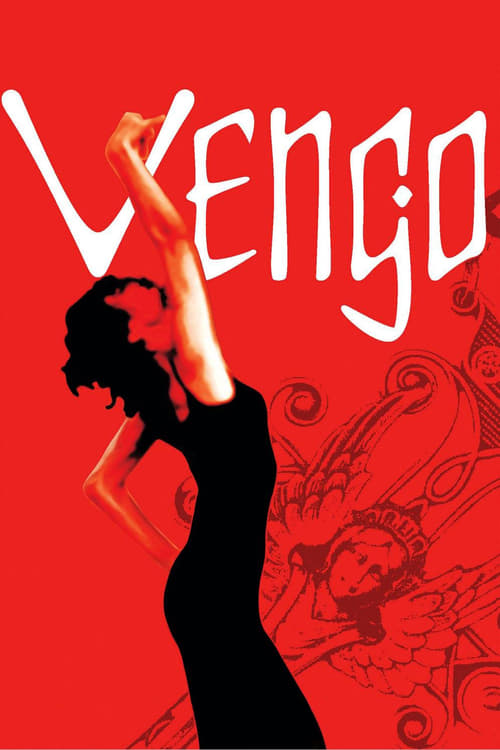
Caco is a proud, handsome man, head of a family, and very powerful in the local community. Yet he has been torn to pieces by the death of his beloved daughter. He constantly visits her grave, weeps silently at her photo and has transferred all his wildly protective love and attention onto his mentally challenged nephew, Diego. It seems that Diego's father, Caco's brother, is in hiding after having killed a man from the Caravaca family, who are equally powerful in the community. They are looking for vengeance and have come to Caco for justice. When he refuses to betray his brother, the Caravacas grow impatient. When they realize they are getting nowhere, they threaten to kill Diego. Despite his fierce pride, Caco eventually realizes that the cycle of killing and revenge must be broken. But how can he achieve this and protect everyone he loves?
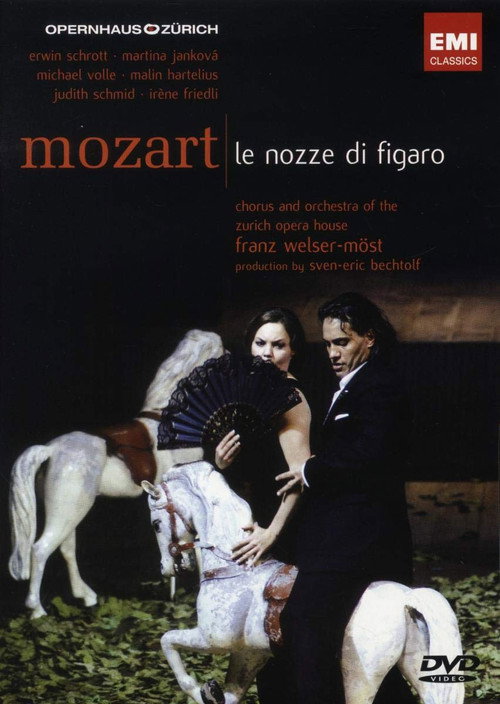
This is Schrott's second Figaro in a less than twelve month period, the earlier being the ROH production. The two productions have vast differences as well as similarities. The ROH production as been set in the equivalent of the Regency period--Spanish version. The Zurich is set in what appears to be the 1950's. For those who note such things, Schrott can appear sans shirt, but in an undershirt in the Zurich house. Vocally there is no difference between the two performances. The man has a glorious multi-hued voice over which he has complete command. Not only is he good looking he can act. He should have a great career. Indeed, the virile sound he produces would lead one to wonder if the great Verdi baritone roles are within his ability.

ETOILES: DANCERS OF THE PARIS OPERA BALLET celebrates the legacy one of the best ballet companies in the world by weaving together rehearsals, tour snapshots and performances of classical ballets such as Swan Lake and La Sylphide, as well as contemporary works such as Maurice Bejart's Ninth Symphony, Jiri Kylian's Doux Mensonge (Sweet Lies) and Pierre Darde's Orison. Celebrated filmmaker Nils Tavernier endeavors to understand the psychology of dance by talking candidly with some of the biggest stars in dance today. The film also features interviews with the dancers who explain how and why they endure the emotional and physical hardships of their profession in their intense drive to be on stage.
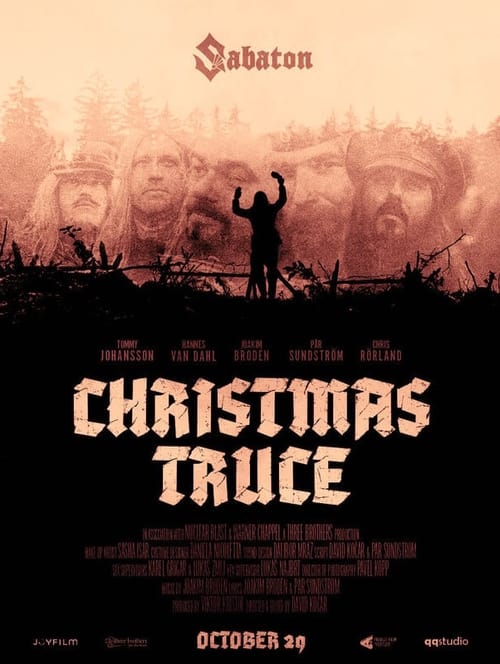
This is the touching story of the Christmas Truce that inspired the Sabaton song of the same title.
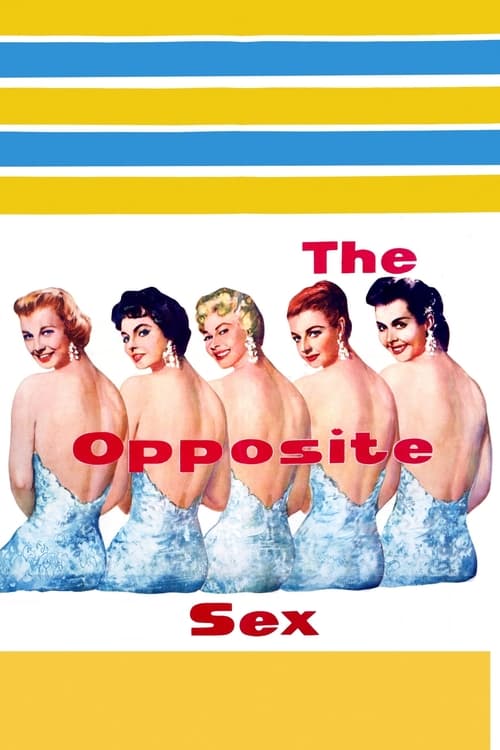
Former radio singer Kay learns from her gossipy friends that her husband, Steve, has had an affair with chorus girl Crystal. Devastated, Kay tries to ignore the information, but when Crystal performs one of her musical numbers at a charity benefit, she breaks down and goes to Reno to file for divorce. However, when she hears that gold-digging Crystal is making Steve unhappy, Kay resolves to get her husband back. The Opposite Sex is a remake of the 1939 comedy The Women.
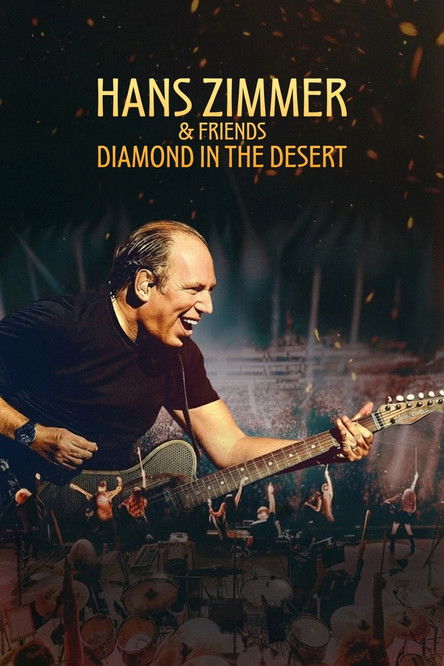
An extraordinary live performance of Hans Zimmer's most beloved and renowned movie soundtracks, including music from Dune, Gladiator, Interstellar, and The Lion King. Featuring conversations with creative collaborators Billie Eilish, Christopher Nolan, Denis Villeneuve, Finneas, Jerry Bruckheimer, Pharrell Williams, Timothée Chalamet, Zendaya, and more.


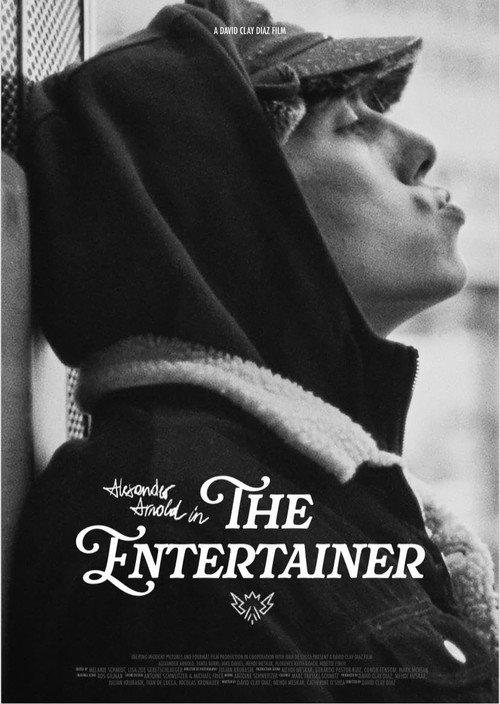
A stagnating musician questions the value of his art for anyone.
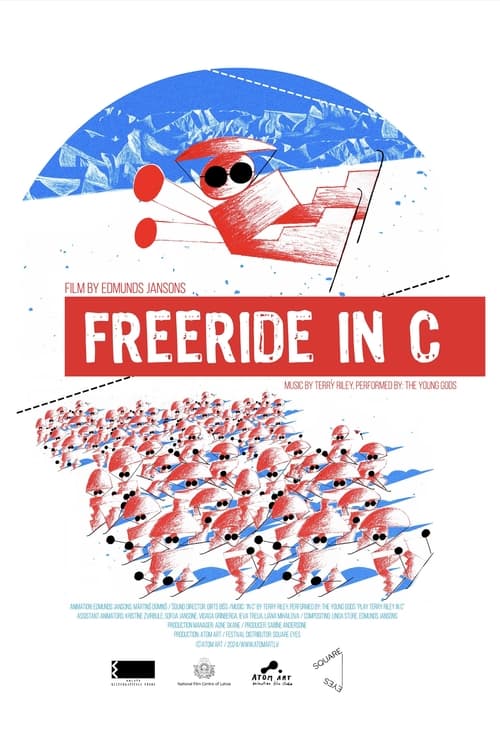
The white tranquility of mountains is disturbed by colorful winter sports enthusiasts who enjoy downhill skiing.

Having decided to help a friend, the three friends set off to seek freedom and tranquility.
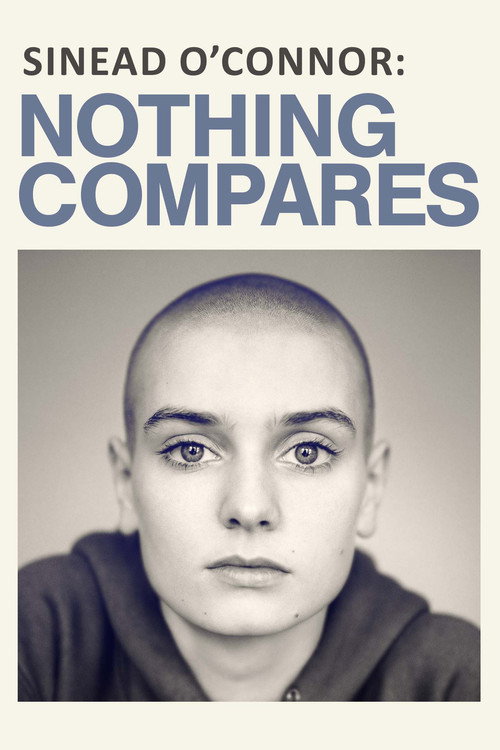
Since the beginning of her career, Sinéad O’Connor has used her powerful voice to challenge the narratives she was surrounded by while growing up in predominantly Roman Catholic Ireland. Despite her agency, depth and perspective, O’Connor’s unflinching refusal to conform means that she has often been patronized and unfairly dismissed as an attention-seeking pop star.

A ferocious, bullying music teacher teaches a dedicated student.

Musical soulmates Maya and Selina are torn apart by the cutthroat music industry. Only Selina is deemed a star, forcing Maya into the shadows as a ghostwriter, while Selina rises to fame.