Protocol Archives • Browse all War titles in HD

Pantaleón, a country boy, is forced to go on a suicide mission where he has to shoot his own friends. Once at the front, he puts an end to the war.

The film depicts a psychological battle involving suspense and romance between the protagonist, who feigns mental illness to avoid being declared a war criminal, and a female military doctor from the Soviet military's political department who interrogates him.
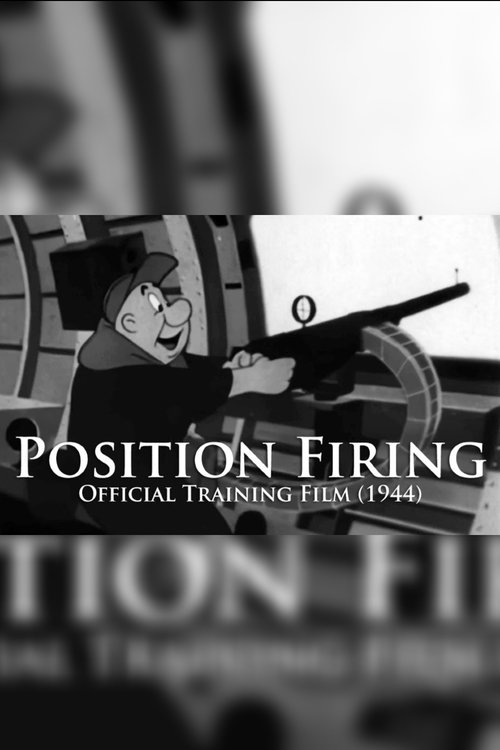
Hapless B-17 waist gunner "Trigger Joe" learns how to adjust his aim, to take into account the relative motion of his aircraft, his bullets, and the attacking enemy fighter.
A Taliban soldier struggles to survive after he escapes his captors and flees into the Polish countryside.
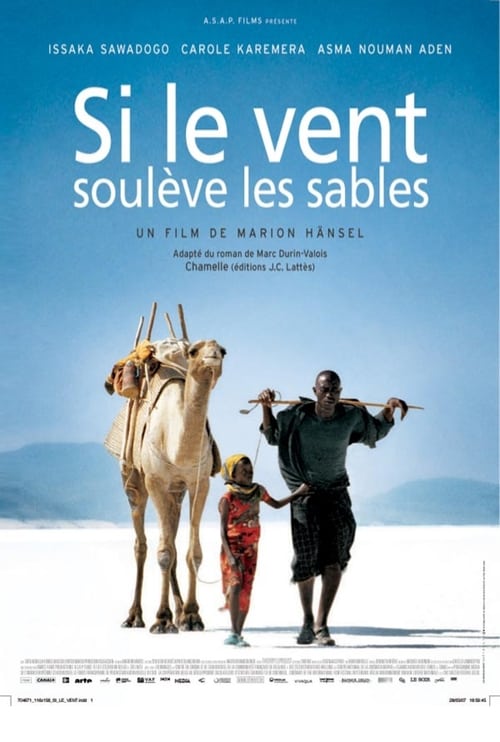
On the one hand, there’s the desert eating away at the land. The endless dry season, the lack of water. On the other there’s the threat of war. The village well has run dry. The livestock is dying. Trusting their instinct, most of the villagers leave and head south. Rahne, the only literate one, decides to head east with his three children and Mouna, his wife. A few sheep, some goats, and Chamelle, a dromedary, are their only riches. A tale of exodus, quest, hope and fatality.

Post-war Yokosuka, Kanagawa Prefecture. Adults who are swayed by the US military stationed in the country and swayed by US intentions cannot afford to care about children who should be protected. The war orphans, who had no choice but to survive on their own, were used to shining shoes for American soldiers, picking up cigarettes, and sometimes committing crimes. However, at some point, they came across a "cleaning" job. They work hard instead of committing crimes and earn money by being appreciated by people. The orphans begin to regain their smiles through experiences that make them feel like they should be alive. The children started to have a modest dream of "renting a house and living" with their own earnings, but they were attacked by an even harsher reality...
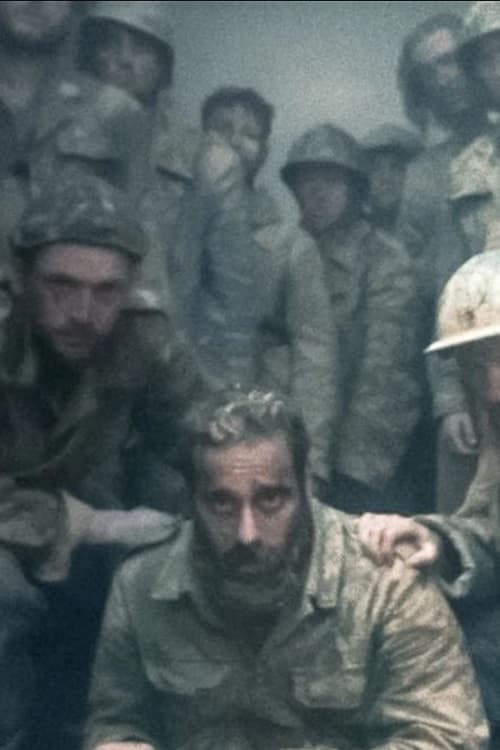
On November 11, 1918, amidst the chaos of the western front, a German aviator narrowly escapes death in a crash near a Belgian trench. Forced to conceal his identity, he embarks on a perilous journey to evade capture and reunite with his comrades. However, as suspicions arise among his adversaries, his covert mission becomes increasingly fraught with danger.

'Hedd Wyn' is a 1992 Welsh anti-war biopic. Ellis Humphrey Evans, a farmer's son and poet living at Trawsfynydd in the Meirionydd countryside of upland Wales, competes for the most coveted prize of all in Welsh Poetry - that of the chair of the National Eisteddfod, which in August 1917 was due to be held in Birkenhead (one of the rare occasions when it was held in England). After submitting his entry, under his bardic name "Hedd Wyn" ("Blessed Peace") Evans later departs from Meirionydd by train to join the Royal Welsh Fusiliers in Liverpool, despite his initial misgivings about the war. Ellis is sent to fight in the trenches of Flanders. 'Hedd Wyn' was the first Welsh-language film to be nominated for an Oscar.

When war erupts in Ukraine, three women from different worlds collide at the Romanian border: an Italian woman searching for her missing husband and unborn child, a Romanian mother fighting to save her daughter, and a young Ukrainian surrogate forced to choose between survival and motherhood. Blending documentary reality with fiction, the film explores resilience, sacrifice, and the fragile bonds that emerge in times of conflict.
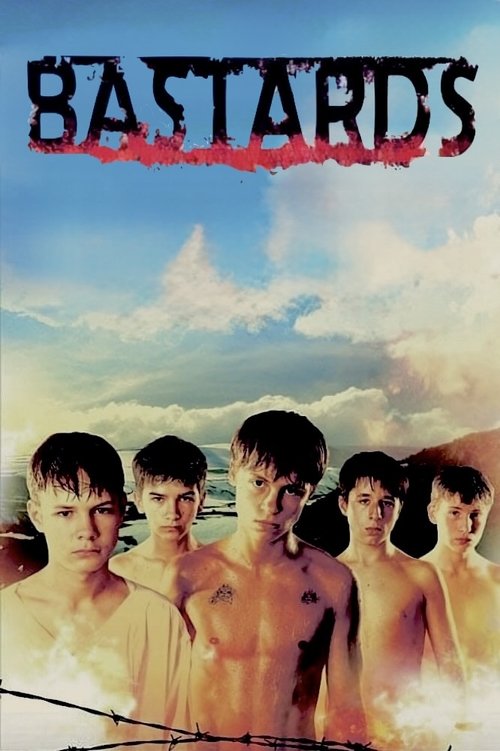
A "Hitlerjugend" kind of story, set in the Soviet Union during the Second World War, based on a fictitious story from the eponymous book by Vladimir Kunin.
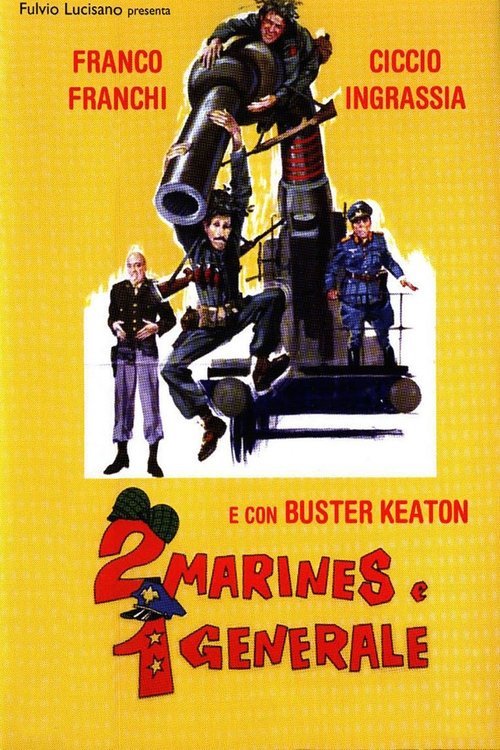
It's May 1943, and two Italian American soldiers, Joe and Frank, are searching the North African desert for a Nazi general called Von Kassler. Von Kassler's aide captures them, and arranges for them to escape with fake war plans. But, things don't go exactly as planned for either side.
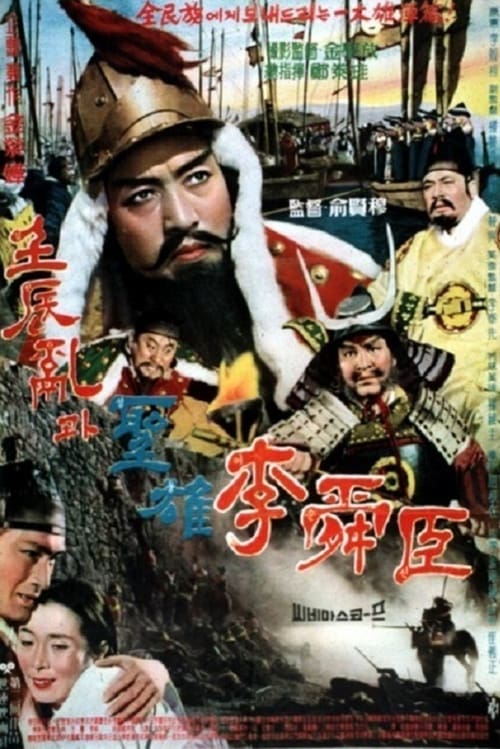
Movie despicting the life and accomplishments of Korean Admiral Yi Sun Shin.
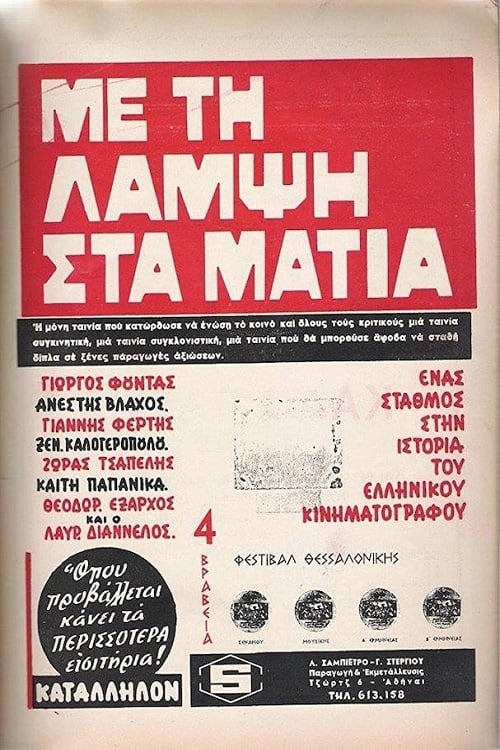
During the German occupation, the Nazis plan to execute 30 men in retaliation for the death of a German soldier at the hands of the partisans. Among the men are three brothers (Giorgos Fountas, Anestis Vlachos and Giannis Fertis). The villagers ask the German officer (Zoras Tsapelis) to spare the life of one of the brothers. He accepts on the condition that their father (Lavrentis Dianellos) selects the one to remain alive.
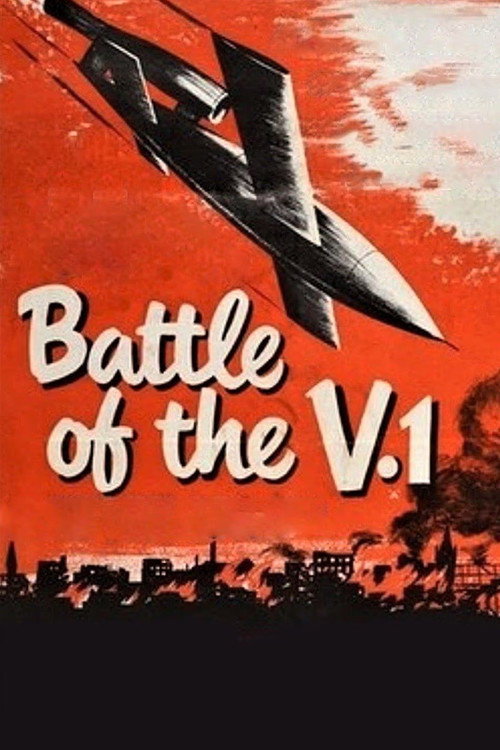
1943: A schoolmaster called Stefan Novak and his watchmaker friend Tadek are working for the Polish resistance lead by Stanislav Muski and allow themselves to be captured by the Nazis and taken to a labour camp on the Baltic coast so that they can spy on the operations there. Stefan and Tadek discover that the camp houses a huge production unit where the V1 rocket is being built, which Hitler intends to use to destroy London. The pair succeed in informing the resistance of what is happening who in turn tip off the allies who launch a full scale raid on the plant and destroy it therefore setting back the Nazis' plan by months. However, the fight is far from over as Hitler's generals proceed with plans to build yet another plant and Stefan and Tadek are faced with a dangerous challenge, they must capture a complete V1 rocket and help in smuggling it back to Britain so that the allies can prepare themselves for Hitler's proposed invasion...
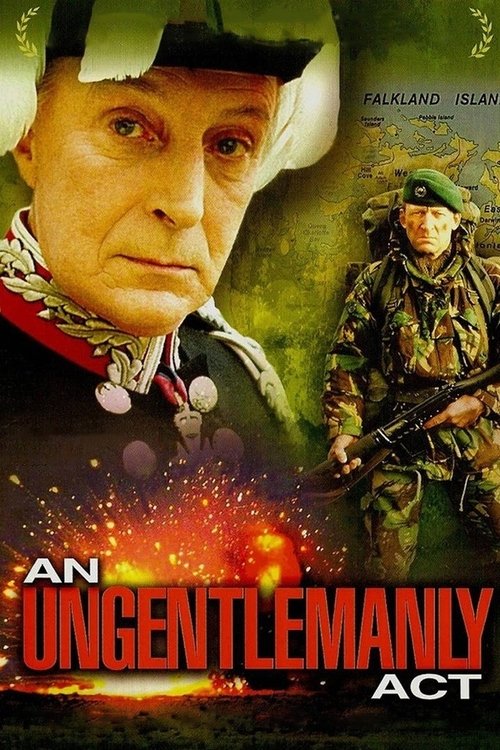
Based on actual accounts, this film portrays the days and hours before and during the invasion of the Falkland Islands by Argentina, which eventually lead to the Falklands War. As the Argentine forces land on the main island and make their way towards Government House, the handful of British defenders batten down the hatches and prepare to defend Governor Rex Hunt, his family, and their fellow islanders from the invaders.

In the midst of World War II, a French widow falls for a U.S. captain whom she hides from the Nazis and helps escape to Spain.

A 1944 propaganda short film produced for the U.S. Treasury Department and intended to boost war bond sales, directed by an uncredited Alfred Hitchcock and starring Jennifer Jones as a nurse's aide. Preserved by the Academy Film Archive, from the Academy War Film Collection, in 2008.
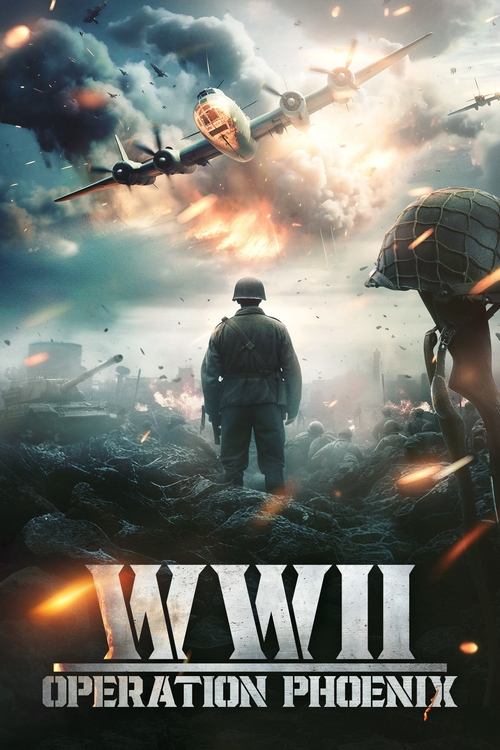
A group of diverse and skilled Allied soldiers parachute into enemy territory with one goal: to retrieve intelligence from a spy working with the French Resistance. The commandos quickly find themselves facing relentless threats and grappling with the stakes of war. Their only choice, push forward and risk everything in a fight not only for survival but for victory.
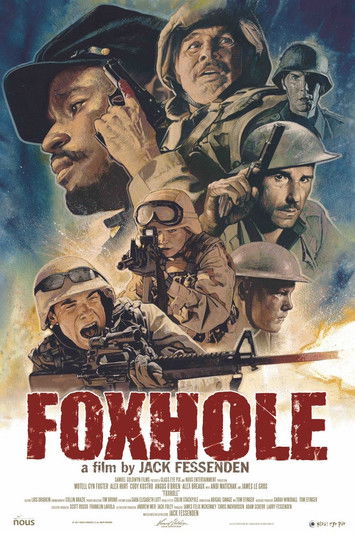
Unfolding over the span of 36 hours in three separate wars – The American Civil War, World War I, and Iraq – FOXHOLE follows five soldiers confined in a foxhole as they grapple with morality, futility, and an increasingly volatile combat situation. Casting the same five actors in each episode, the film depicts the shifting roles of race and gender over time against the backdrop of the seemingly endless human struggle for power and domination. (Olivia Belluck)