Protocol Archives • Browse all War titles in HD
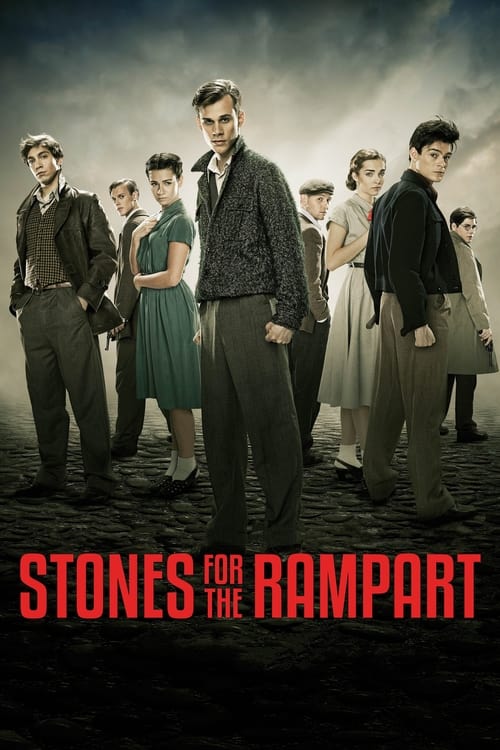
To be defeated and not be - a victory. This is the motto that life is guided by three young friends: Alek, Sophy and Rudy. Scouts, high school graduates high school in Warsaw drifting ambitious plans for the future broken through September 1939. Entering adulthood in a very dramatic times, which puts them a choice - to survive at any cost, or to join the fighting for a free homeland, risking everything. The boys brought up in patriotic homes, shaped by the ideals of scouting, they decide to fight. They become soldiers, and although every scrape with death, they can live a full life.
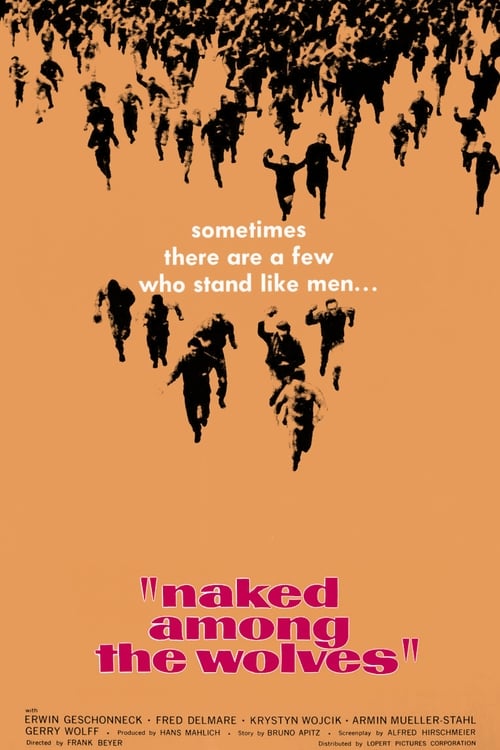
Based on a true story of inmates at KZ Buchenwald that risked their lives to hide a small Jewish boy shortly before the liberation of the camp.

Secret agent Roger Pryor is dispatched below the border to protect an important scientific formula. Believe it or don't, this mixture has the ability to render things invisible.
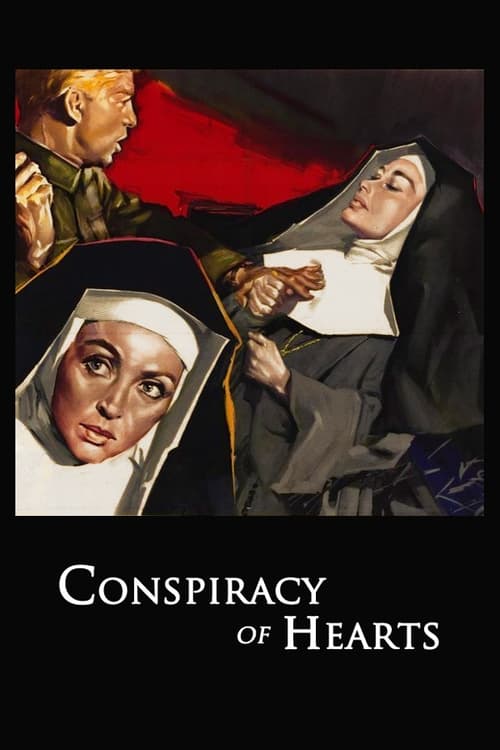
In wartime Italy nuns in a convent regularly smuggle Jewish children out of a nearby internment camp. The Italian army officer in charge suspects what may be going on but deliberately turns a blind eye. When the Germans take over the camp security the nuns' activities become far more dangerous.
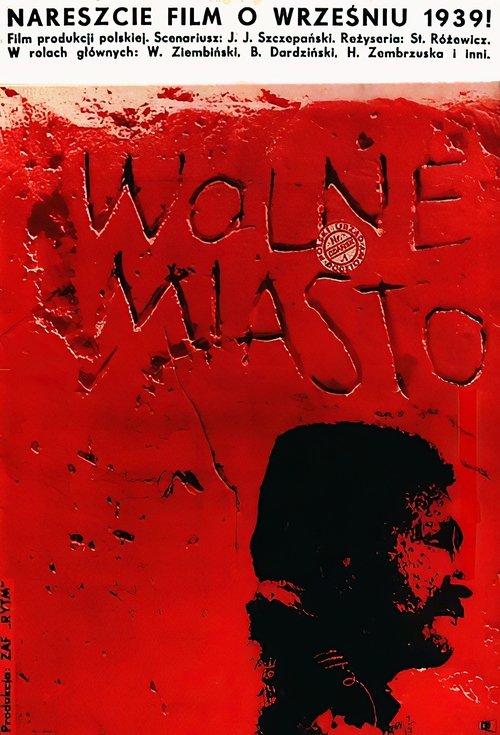
The heroic struggle of Polish post office workers in Gdańsk on the first day of World War II.
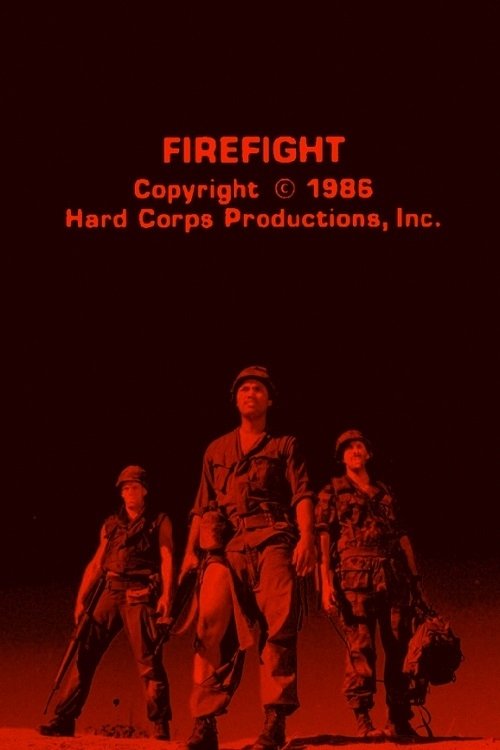
A squad of Marines on a hilltop in Vietnam calls for a Medevac after a sniper wounds one of them. Before the Medevac helicopter can come down for a landing, the Marines are attacked by a large force of Vietcong. After a brutal battle, resulting in more wounded Marines, they're able to repel the attack, but then the helicopter is hesitant to land.
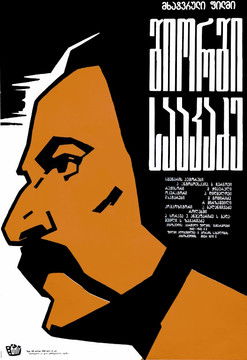
The film tells about the struggle of the Georgian people under the leadership of the great commander George Saakadze for a centralized state.
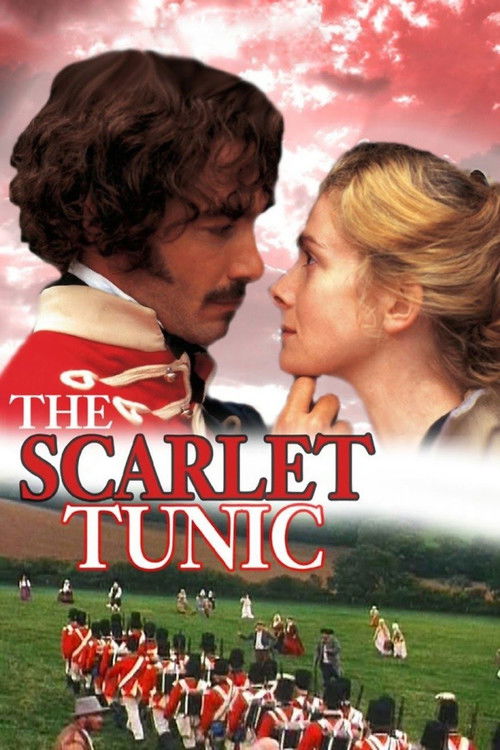
Passions erupt between a German hussar (Jean-Marc Barr) serving with King George III's personal cavalry and the only daughter of an English solicitor (Emma Fielding) in this period tearjerker adapted from a short story by Thomas Hardy. Longing to escape their own personal imprisonments -- he, his service to the king, and she, her engagement to a man she doesn't love -- they find solace in each other's arms.
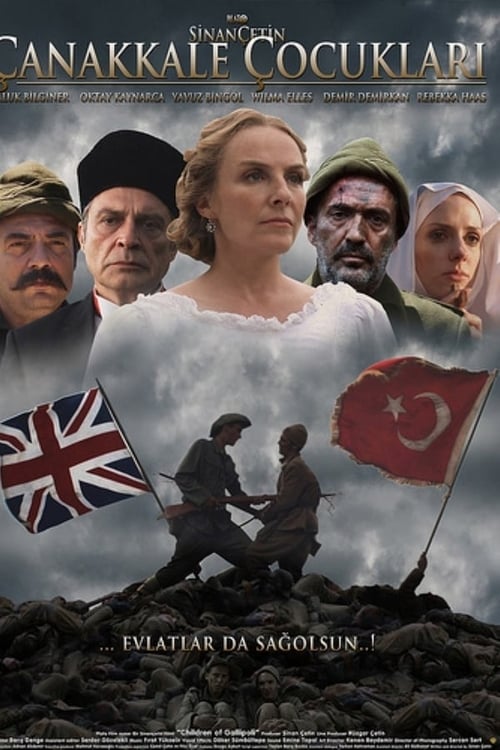
The film, which focuses on the theme of brotherhood and the futility of war, tells the story of two enemy brothers facing each other on two separate fronts. The film, which contains messages aimed at mothers who do not want to lose their children, features Sinan Çetin's children, Orfeo (Osman) and Cemo (James).
In Belgium, at the outbreak of the war, Russian agent Olga Raminoff shoots at a German general when the enemy enters town. Ray Bourke, an American traveler, gives her the protection of his name, but nevertheless both are sentenced to death. They are rescued by an allied rescue plane and later, bound for home, Ray meets an old college friend, Curt Schreiber, who is in the service of the German government. Schreiber has important papers to be delivered to Washington and, knowing that he will be searched on board ship, gives them to Ray. Olga beseeches Ray to give the papers up for her sake, but his word to Schreiber is sacred. Nearing America, Ray tells her that he will make an effort to return the papers if she will marry him.
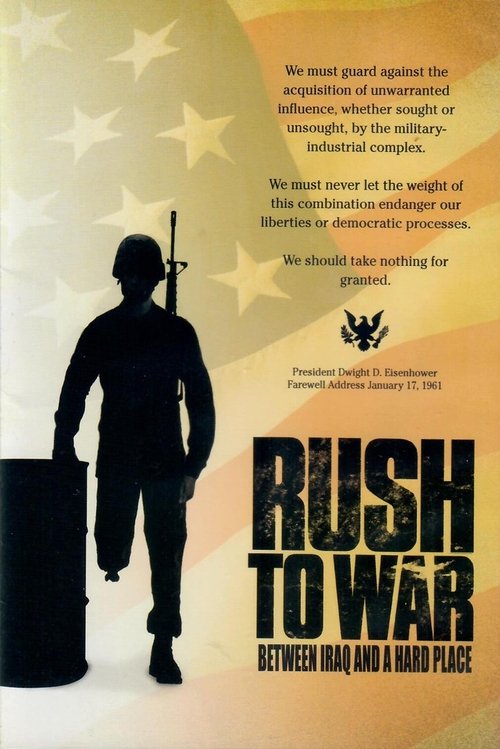
In today's post-9/11 world, director Robert Taicher searches for the rationale behind the war in Iraq, exploring the failed policies of several administrations in an expertly crafted full-length documentary. What he presents is a raw, provocative look into America's "War on Terror" and its effect on our society, our credibility, and most importantly, our security. As America fights the wrong war at the wrong time, comes a riveting eye-opener. The right film at the right time.
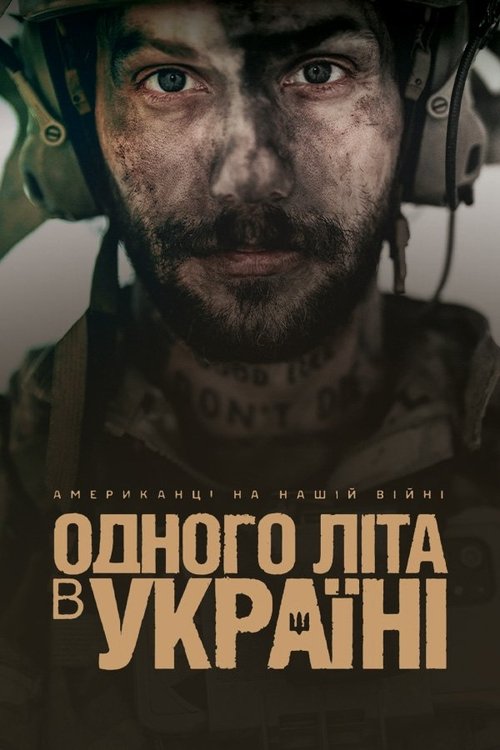
The film tells the story of several volunteers, soldiers of the International Legion of the General Staff of the Unified Armed Forces, a unit called Ronin Team. During their service, the soldiers become true friends: they work, study and rest together. However, a time of trials for the courage and skills of the legionnaires comes. The hot summer months are not easy for them. And not all recruits can withstand the high pace of training and service. Meanwhile, troubling news of the Russian offensive comes from the front.
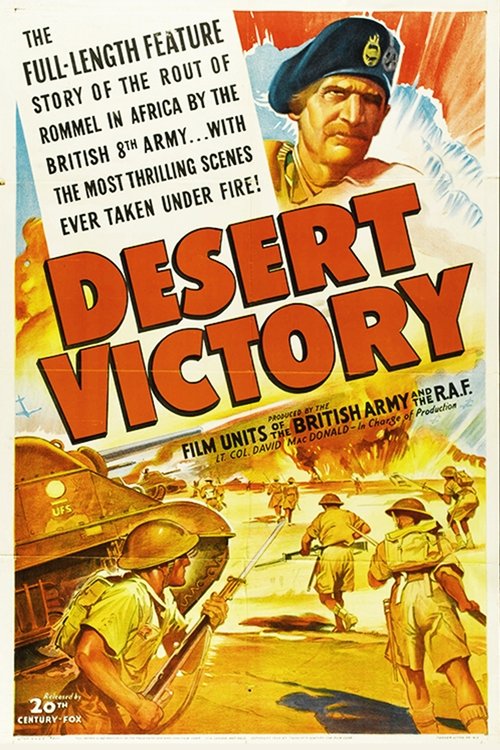
A featureless land fit only for war, as the narrator, J. L. Hodson stated in the early scenes: "If war was to be fought then let it begin here". In endless miles of rock-strewn scrub desert, where civilians hardly existed. Desert Victory tells the story of the Allied campaign to drive Germany and Italy from North Africa is analysed, with the major portion of the film examining the battles at El Alamein, including some re-enactment. Won "Best Documentary Feature" at the 16th Academy Awards in 1944.
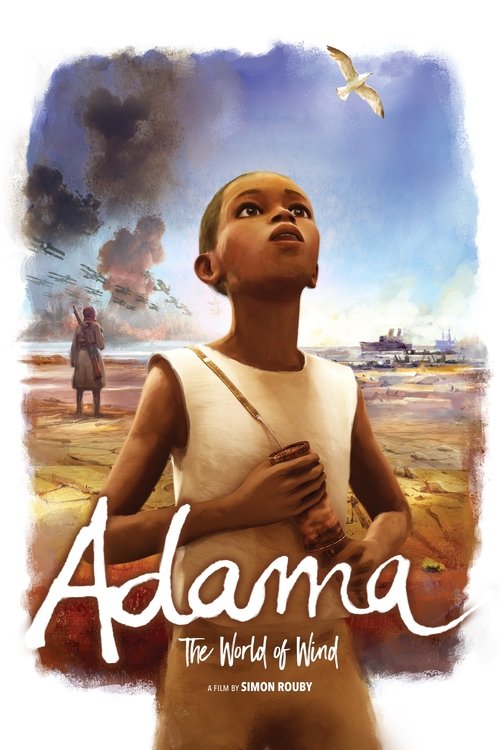
12 year-old Adama lives in a remote village in West Africa, sheltered by the cliffs. Out beyond lies "the world of wind," the kingdom of wicked spirits hungry for war. When his elder brother Samba suddenly vanishes from the village, Adama decides to set off in search of him, crossing into a Europe in the grip of World War I.
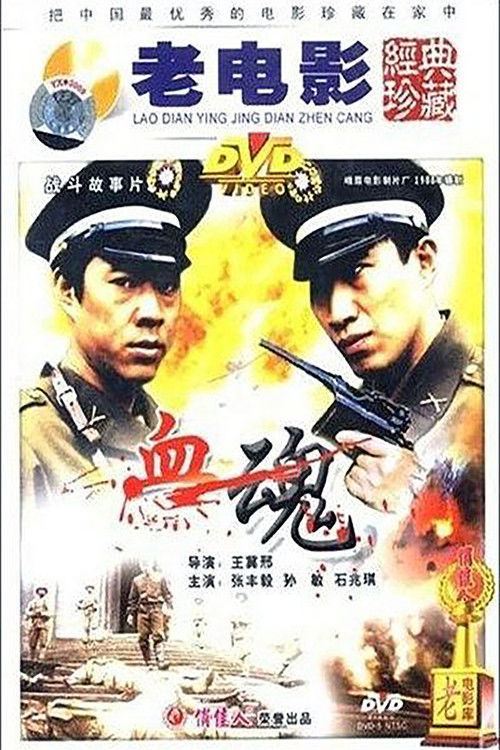
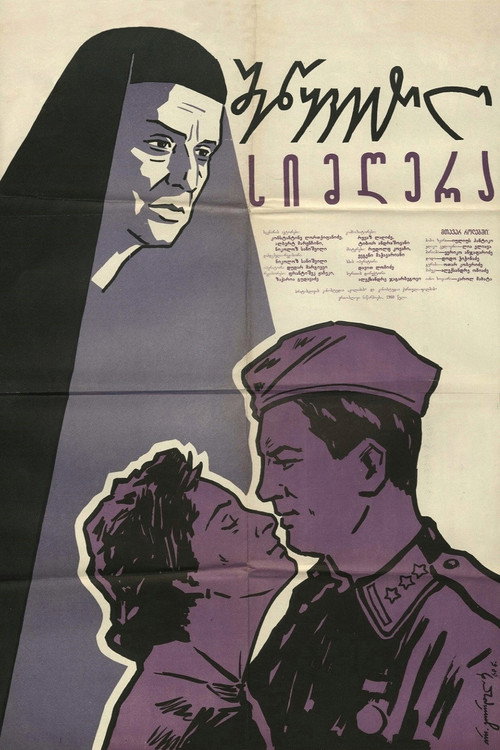
Young couple separated by World War 2, dream of being reunited years later.
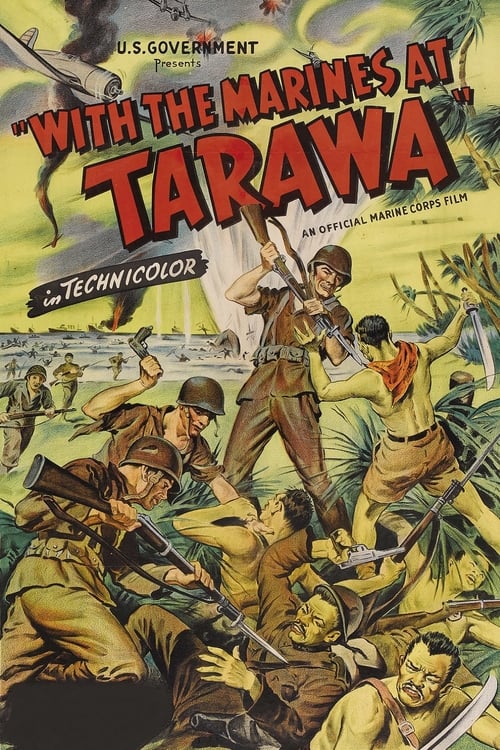
Documentary short film depicting the harrowing battle between the U.S. Marines and the Japanese for control of the Pacific island of Tarawa. Preserved by the Academy Film Archive in partnership with National Archives and Records Administration in 2005.
A country torn apart by the First World War. A people mourning over 650,000 fallen in the trenches. Politicians humiliated at the Versailles peace table. A poet-soldier who draws crowds to every rally. A city that becomes an emblem of irredentist and nationalist claims. It was in this Italy that the Fiume enterprise began on 12 September 1919: the adventure of Grabiele d'Annunzio and a handful of legionnaires who set out from Ronchi in Friuli, against the will of the established power, to occupy the Adriatic city and annex it to Italy, establish the Regency of Carnaro, and found a 'myth' destined to influence Italian and international culture and politics, aesthetics and vocabulary, well beyond the Twenty Years of Fascism.
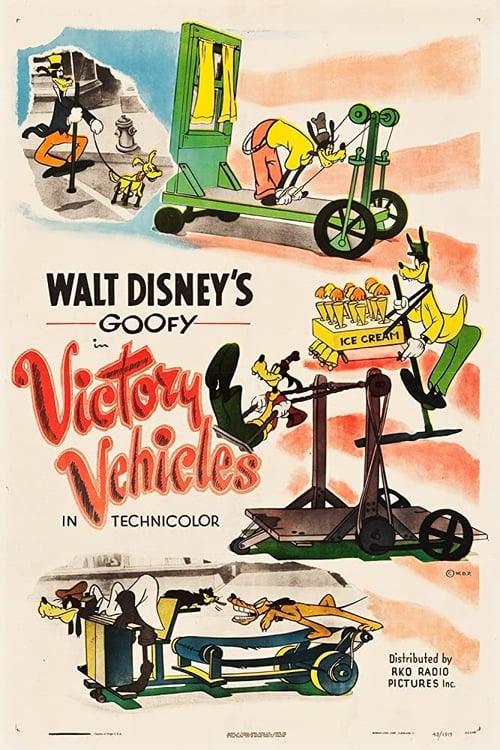
Goofy demonstrates a number of crazy vehicles.