Protocol Archives • Browse all War titles in HD
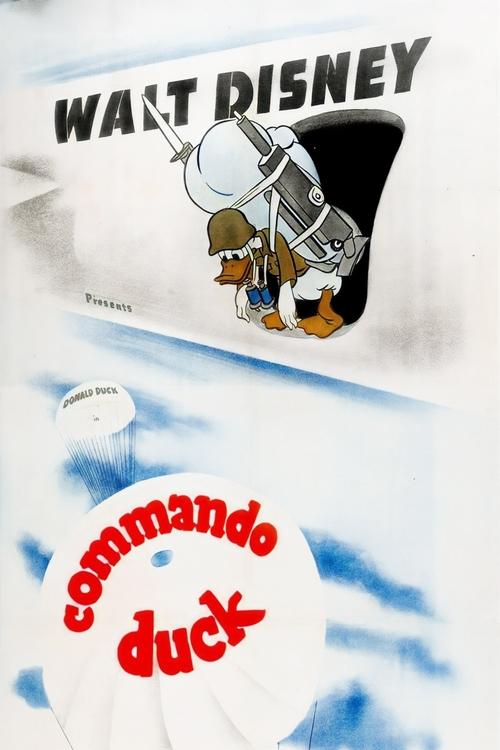
Donald Duck is ordered to wipe out a Japanese airfield. After parachuting out of an airplane, he lands in a Japanese forest. He uses an inflated canoe to cross the river, but as soon as it fills up with water, Donald is running for his life. He makes sure the canoe hits nothing that would pop it. When he gets to the edge of a cliff, he sees the airfield. The canoe has already exploded, causing water to flow. This large amount of water splashes onto the airfield, wiping the whole thing clean, but leaving disfigured airplanes
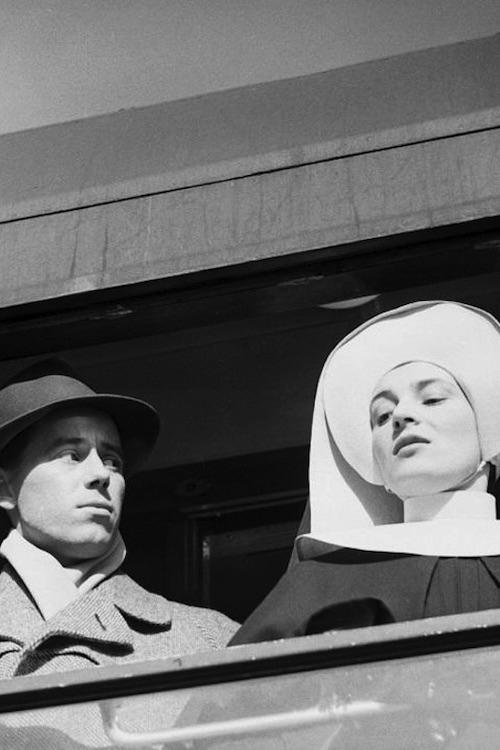
Originally, Munk intended Eroica to be a triptych with Con bravura being the first part, but he ultimately gave up on this film, deeming it weaker artistically than the two counterparts. Con bravura is about conspiracy conflating the paths of a rather unconventional nun and an intrigued young man – each of them bears secrets and the encounter could incite a flaming romance, though one suffocated by war.Munk set the film in the mountain capital of Zakopane and its vicinity, allowing breathtaking views from a cable car and using his experiences of the Nazi occupation in the area to add gritty reality. The director plays a cameo as a priest with several of his industry friends also making appearances.

During the Occupation, a kid is taken in by his old grandfather, wrongly considered a collaborator.

A 1944 propaganda short film produced for the U.S. Treasury Department and intended to boost war bond sales, directed by an uncredited Alfred Hitchcock and starring Jennifer Jones as a nurse's aide. Preserved by the Academy Film Archive, from the Academy War Film Collection, in 2008.
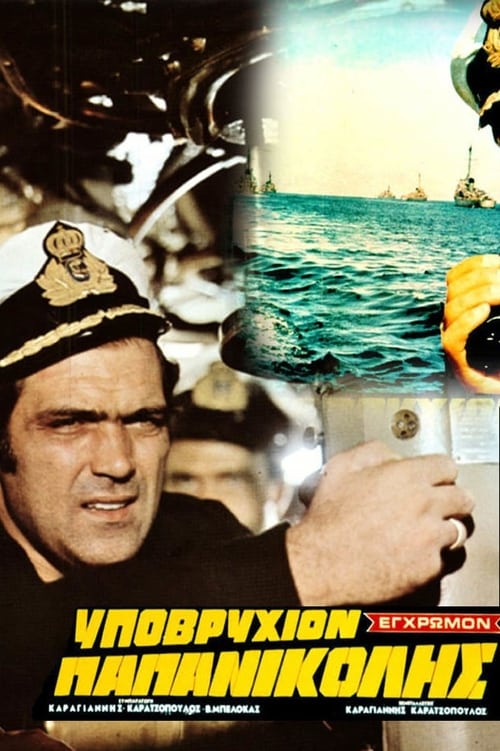
October 28, 1940. Along with the Italian army's attack on the Greek-Albanian border, Greece comes under fire from the Italian air force. The submarine Papanikolis, commanded by Captain Milto Iatridis and First Officer Vasilis Aslanoglou, is ordered to patrol the Gulf of Patras. Following the army's victories, the war council decides that it is time for the navy to enter the war and orders the submarine Papanikolis to patrol the Strait of Otranto. There, the crew captures the crew of an Italian ship and their engineer reveals the minefields of the Adriatic. Thus, the Papanikolis begins its mission. After completing its mission, it returns to its base, where it is honored.

Alsino, a boy of 10 or 12, lives with his grandmother in a remote area of Nicaragua. He's engulfed in the war between rebels and government troops when a US advisor orders the army to open a staging area by the boy's hamlet. Alsino tries to be a child, climbing trees with a girl, looking through his grandfather's trunk of mementos and trying to fly; he goes to town to sell a saddle, has his first drink and is taken to a brothel. But the war surrounds him. The US advisor takes Alsino on a chopper flight, but he's unimpressed. The soldiers' cruelties awake rebel sympathies in Alsino, and after an army assault backfires, the lad is fully baptized into the conflict.
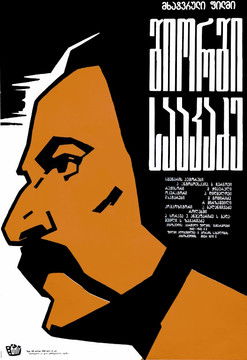
The film tells about the struggle of the Georgian people under the leadership of the great commander George Saakadze for a centralized state.
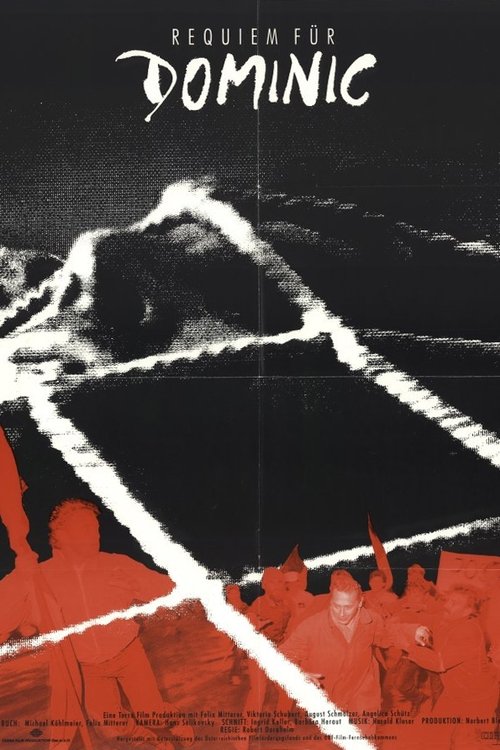
Requiem for Dominic powerfully portrayed the upheaval in that liminal space between revolution and order. This drama is captured partly on film, partly on video adding to the gritty reality of the time, place and events as they were unfolding in Eastern Europe as the "Iron Curtain" collapsed.
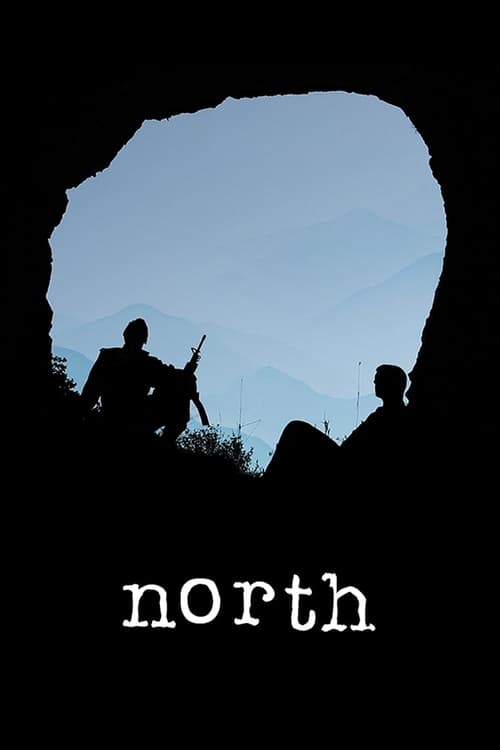
Bakur (North) is a documentary that invites its audience to reflect on a war that has been continuing for decades and gives an insightful look on its main subject, the PKK. The film follows the lives of the guerilla in three different camps on the Kurdish region (north) that lies within Turkish borders.
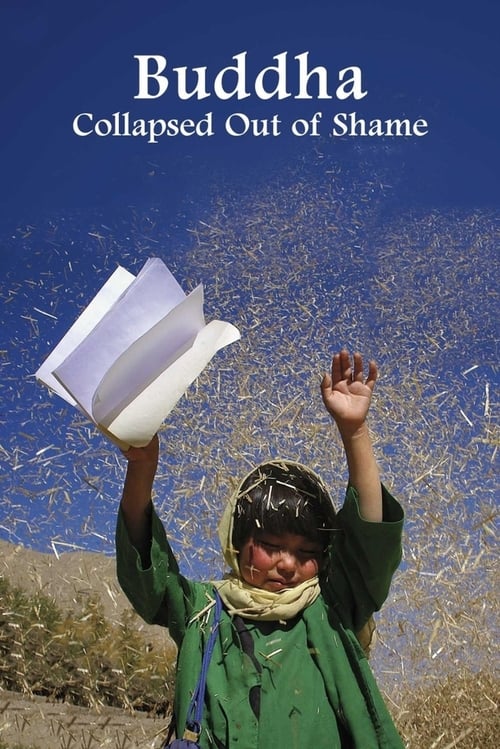
A young girl zealously wants to go to school and learn to read and write. Almost everywhere she is met with hostility or indifference. The only young boy who takes her to his school is thrown out by the teacher, because helping her prevented him from arriving in time. On her way home she and other girls are taken as prisoners by boys playing as Taliban fighters. They tear her school book to pieces and threaten to stone their female captives.
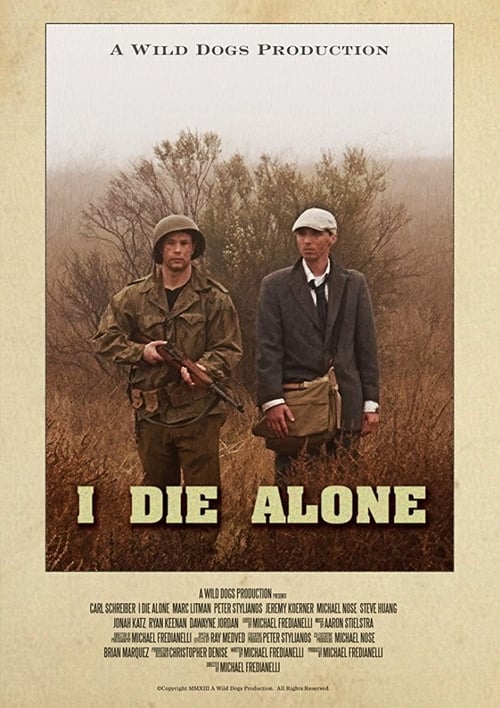
American pacifist Private Finch (Carl Schreiber) finds himself pressured by his superiors to kill a P.O.W. captured from battle. As a direct result of his apprehensions, a fatal confrontation explodes amongst his platoon, and Finch becomes stranded behind enemy lines armed with nothing but limited ammunition and an uncertain sense of direction. Making his way through foreign soil, he encounters a mysterious mailman (Marc Litman) anxious to throw himself into battle. But on their exhausting quest to find a radio and signal for help, it becomes clear that Finch's new friend harbors a few dark secrets that could prove more threatening than the next ambush.

Irène is a young radiographer. She is eager to be useful on the front line and to apply her scientific methods for the service of her country.
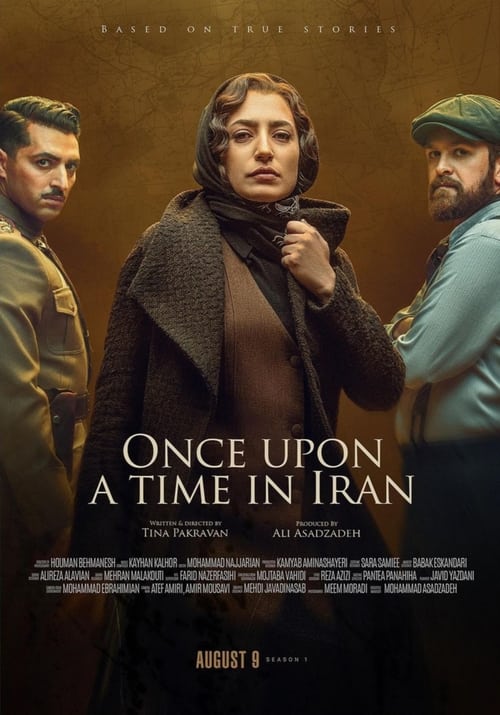
centers on an Iranian Army family living in the northern part of Iran whose life changed during the Anglo-Soviet invasion of Iran in 1941
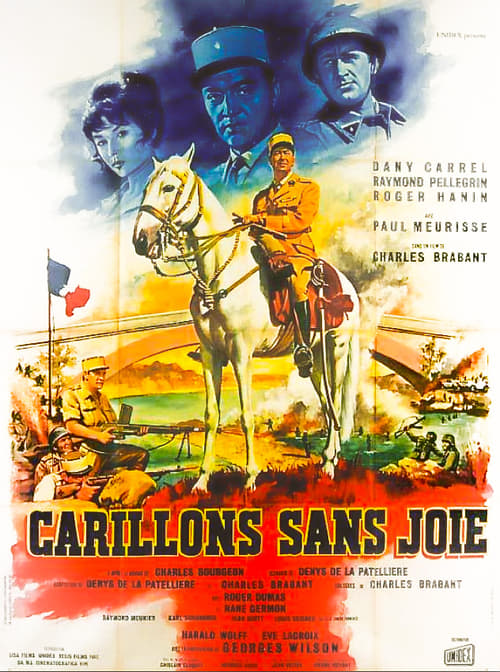
In November 1942, American troops landed in Tunisia. German paratroopers were immediately launched and occupied Tunis. A French squadron of chasseurs d'Afrique was sent to Medjez-el Bab with the mission of occupying the bridge over the Medjerda. But the captain is mute and the cavalrymen don't know whether the operation is being prepared against the Germans or the Allies. The first hypothesis inflames Maréchal des Logis Bourgeon and his friend Maurice, who have not forgotten the defeat of '40. In the village, Maurice meets up with his friend Léa, a refugee, and discovers with fury that she is Jewish, because he doesn't like Jews any more than he likes English or Germans! The hunters set up camp on the bridge. Soon, a German column appears and demands passage. The captain refuses, awaiting orders from Vichy. But in Tunis, confusion reigns. Finally, the captain himself takes the initiative to oppose the passage of the German troops...
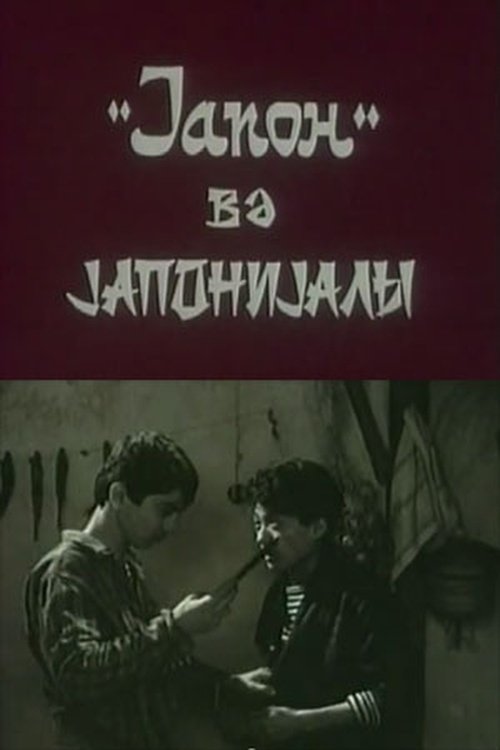
1944, Japan. One of the kamikazes, by misfortune, survives. When he jumps with a parachute, he lands in Nardaran — right in the house of Gulbala, who is nicknamed “the Japanese.” When the representative of the State Security Committee learns of this unusual incident, he intervenes, saying: “This matter is under Stalin’s control; we must keep the Japanese alive,” and begins the operation. From then on, the funny stories continue.
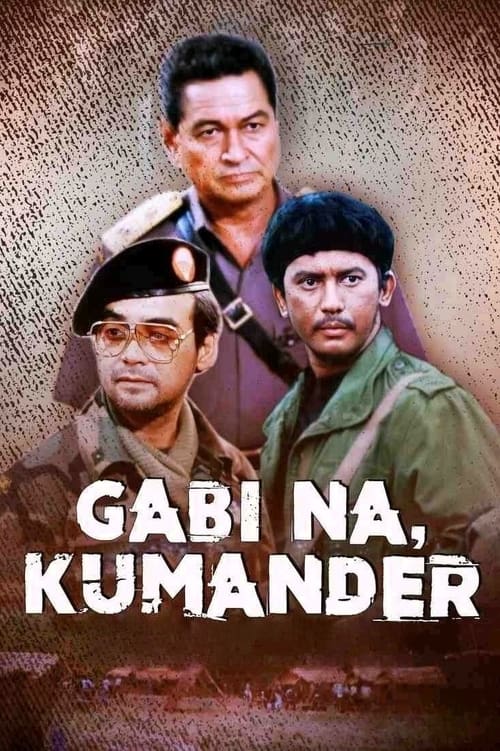
Gabi Na Kumander is the story of two brothers with opposite beliefs who suddenly find themselves in a fight for what each one believes is right. Ramil Macan had been assigned to fight the rebels in Sto. Nio and he discovers that the rebel leader is no other than his younger brother, whom he had given up for dead years ago. Ronald Macan, former law student and activist, took to the hills with the imposition of martial law. He is known as Kumander Kobra. Ramil had been assigned to put a stop to his activities and in the name of the law to take him dead or alive.
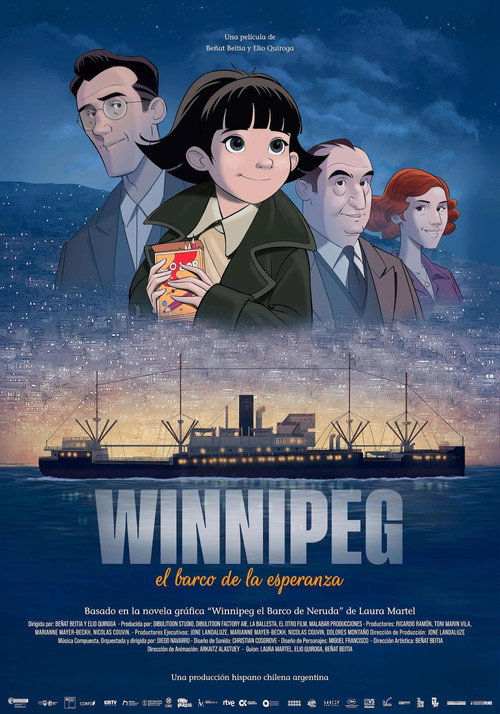
At the end of the Spanish Civil War, almost half a million people moved by fear of reprisals to France. A hundred thousand of them were children. The French Government overflowed by the human avalanche, put them in improvised refugee camps. Chilean poet Pablo Neruda, former consul in Spain before the war, convinced the President of Chile to save more than two thousand refugees. The film tells the story of Julia, a little girl that escapes Barcelona with his father, a young widower. They embarked on the Winnipeg, a ship chartered by Neruda. That saved them from a dark future in Europe. Now, she is “a daughter of Neruda”, as the descendants of the 2,200 refugees call themselves.

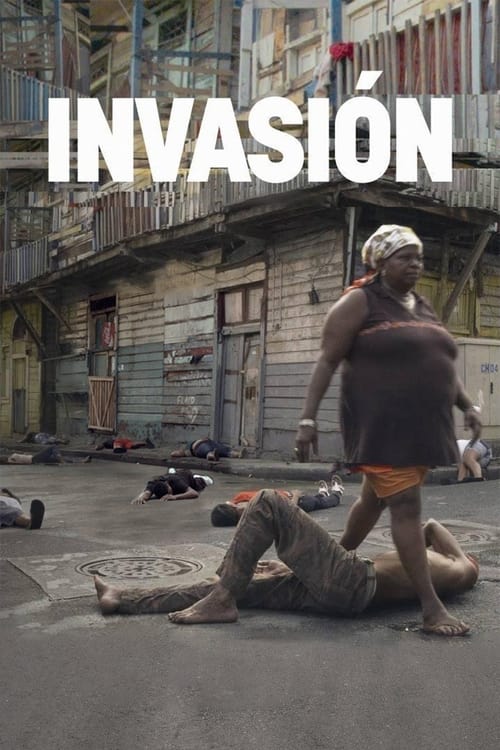
INVASION is a documentary about the collective memory of a country. The invasion of Panama by the U.S in 1989 serves as an excuse to explore how a people remember, transform, and often forget their past in order to re-define their identity and become who they are today.
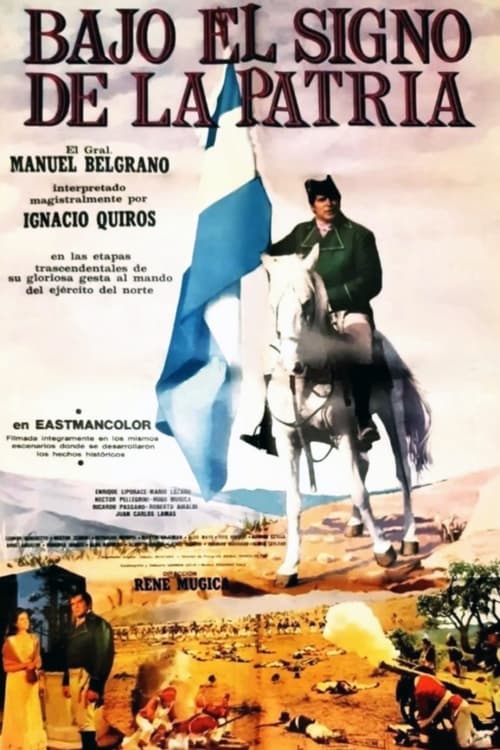
Aspects of the life of General Manuel Belgrano since he took command of the Army of the North until, together with his men, he defeated the enemy in the battle of Salta in February 1813.