Protocol Archives • Browse all War titles in HD
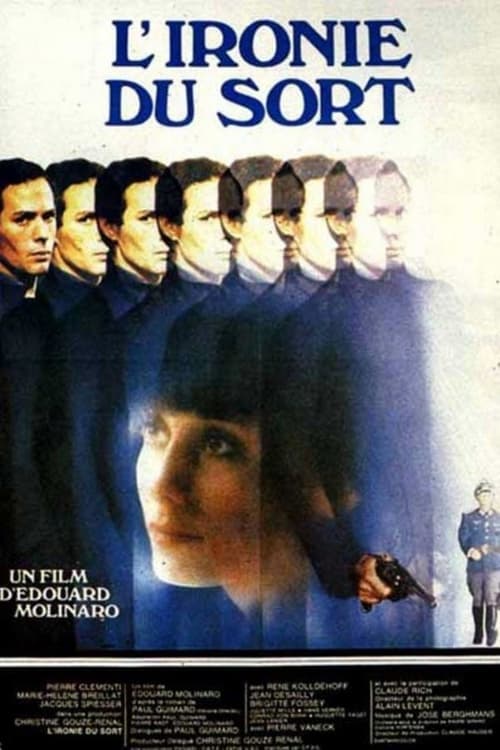
A series of events beginning during the German occupation of France showing what might have happened if one thing had gone differently. The premise concerns the assassination of a German officer by a young member of the Resistance.
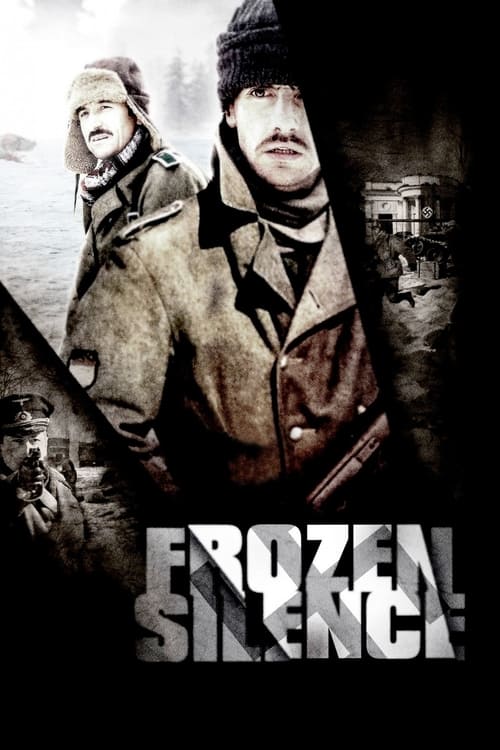
Russian front, winter 1943. Soldier Arturo Andrade and Sergeant Fernando Espinosa are commissioned to investigate a mysterious murder while the Spanish Blue Division of the German Army endures the fierce counterattack of the Red Army.

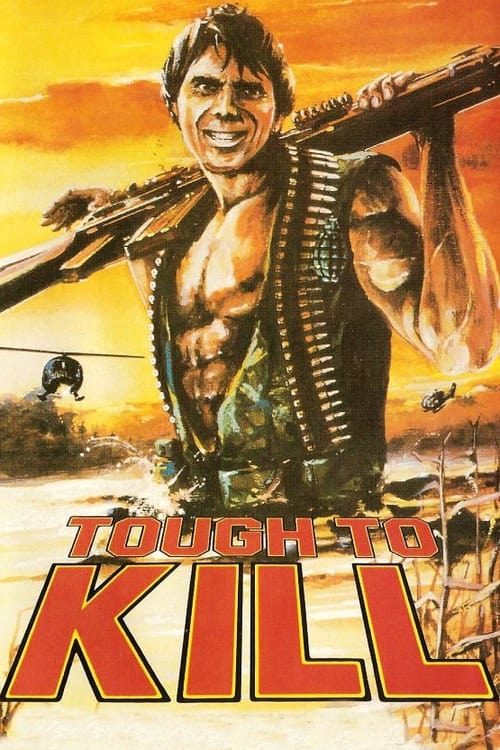
A group of mercenaries escort a man with a million dollar bounty on his head across the African terrain. Double crosses, back stabbing, and gunfire follows.

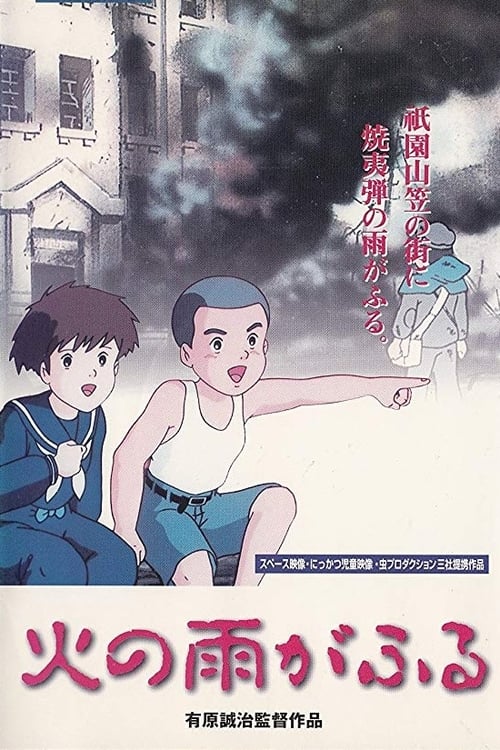
The year is 1945. Everything as usual in the Fukuoka city. Some places in Japan have already been scorched by the fire of war, but here it is relatively peaceful and calm. The school still working, and the boys play war in their spare time. Daichi and his friend are the commanders of rival squads. One day a newcomer appears in the class - Yoriko, a girl evacuated from Tokyo. Yoriko takes life very seriously, she has good reasons - her childhood ended after the loss of loved ones in the bombing. Children get to know each other and become friends. They, as the rest of the city, do not yet know that on June 19 their life will be divided into "before" and "after".
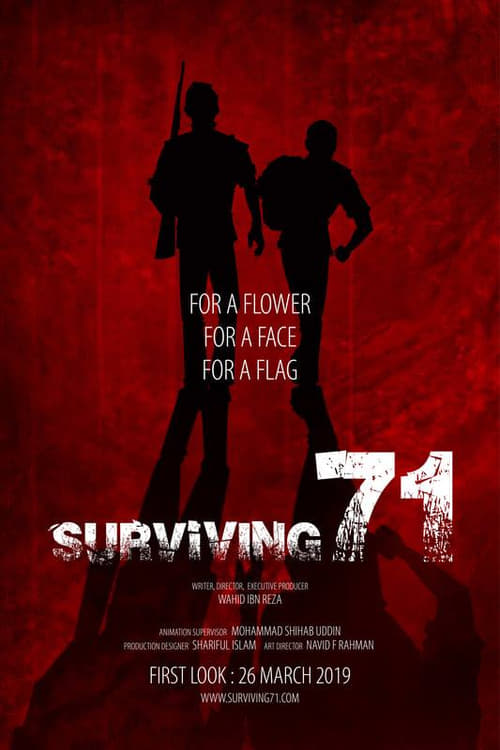
Three captured freedom fighters of 1971 liberation war of Bangladesh, reminiscence about what brought them to the war as they prepare to face their ultimate demise, getting shot in the back and thrown out of a moving train.
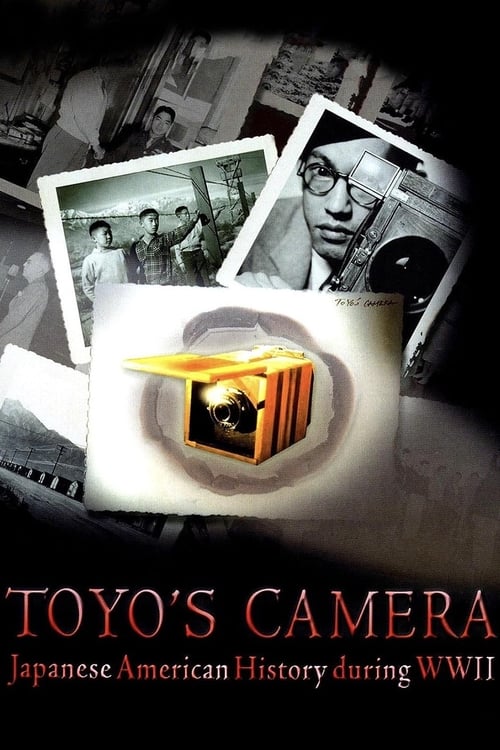
Even though bringing in cameras to the internment camps was prohibited, one man managed to smuggle in his own camera lens and build a camera to document life behind barbed wires, with the help of other craftsmen in the camp. That man was Toyo Miyatake, a successful issei (first generation immigrant) photographer and owner of a photo-shop in the Los Angeles Little Tokyo district, and of one of the many Americans who was interned with his family against his will. With his makeshift camera, Miyatake captured the dire conditions of life in the camps during World War II as well as the resilient spirit of his companions, many of whom were American citizens who went on to fight for their country overseas. Miyatake said, "It is my duty to record the facts, as a photographer, so that this kind of thing should never happen again."
A symbolical telling of the history of the Belarusian people, their centuries-old struggle for liberation.
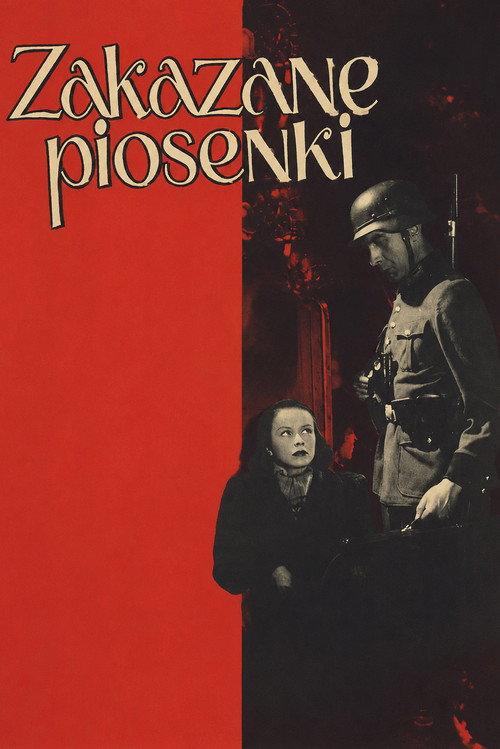
Set during the German occupation of Warsaw during WWII, this musical tells the story of several inhabitants of the same tenement house.

In September 1944, the red army crosses the Danube. Private Ales together with his agricultural horses follows the victory march. A broken wheel of his cart forces Ales to fall behind and look for help in the nearby village. The "odyssey" of the common cavalry soldier begins. He becomes a friend with the Bulgarian peasants. They need to part ways with a hidden sadness and true love. —Georgi Djulgerov

Allegory of the suppression of the 1919 revolution and the advent of fascism in Hungary; in the countryside, a unit of the revolutionary army spares the life of father Vargha, a fanatical priest. He comes back and leads massacres. A new force, represented by Feher, apparently avenges the people, but only to impose a different, more refined and effective kind of repression.
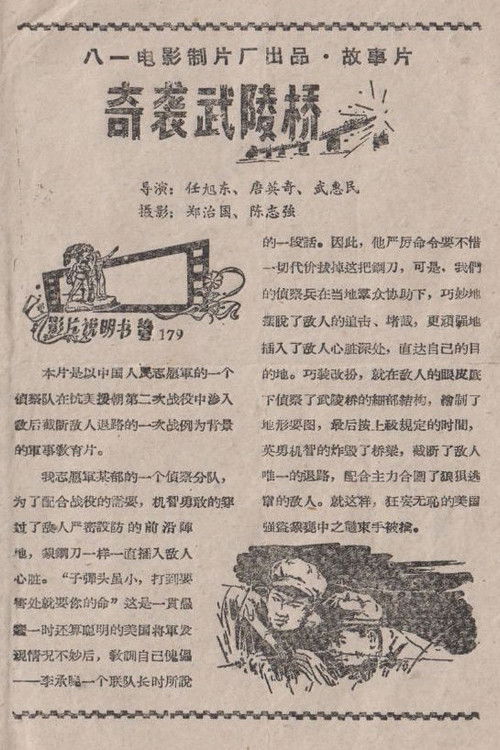
War film about the attack of Wuling Bridge during the Korean war. This was the original version made as a military educational film, later remade as a standard drama Qi Xi (奇袭, 1960) for the general release.
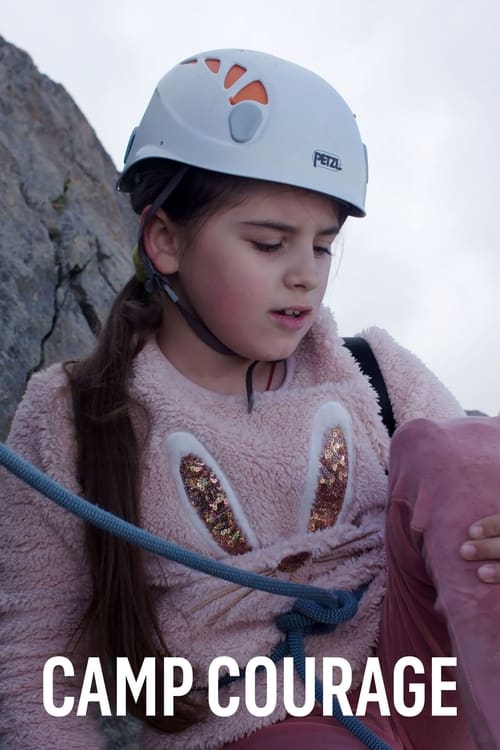
Made refugees by the war in Ukraine, Olga and her granddaughter Milana travel to a summer camp in the Austrian Alps to test the limits of their own bravery, and to strengthen their growing bond.
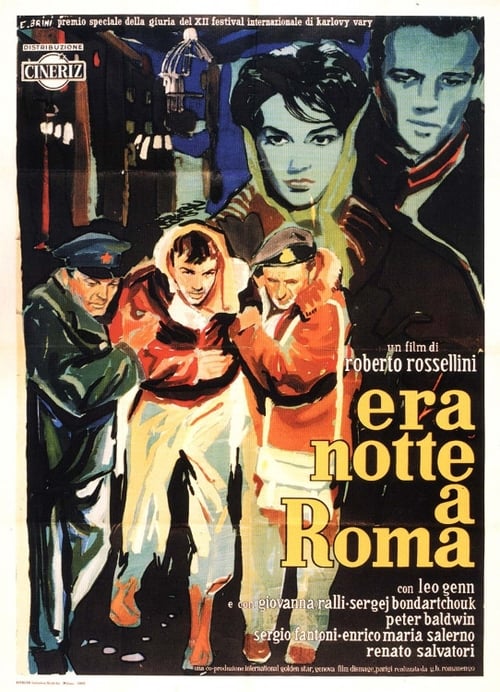
In Nazi-occupied Rome, a beautiful bootlegger, to the chagrin of her lover, gives sanctuary to three escaped POWs: an American pilot, a Russian sergeant and a British major.
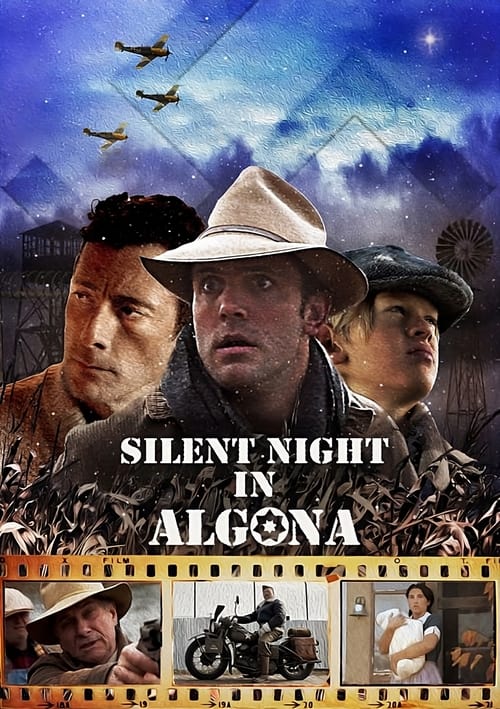
A depiction of a small Iowa town hosting a prisoner of war camp during World War II in 1944.
Directed by Svatopluk Innemann.
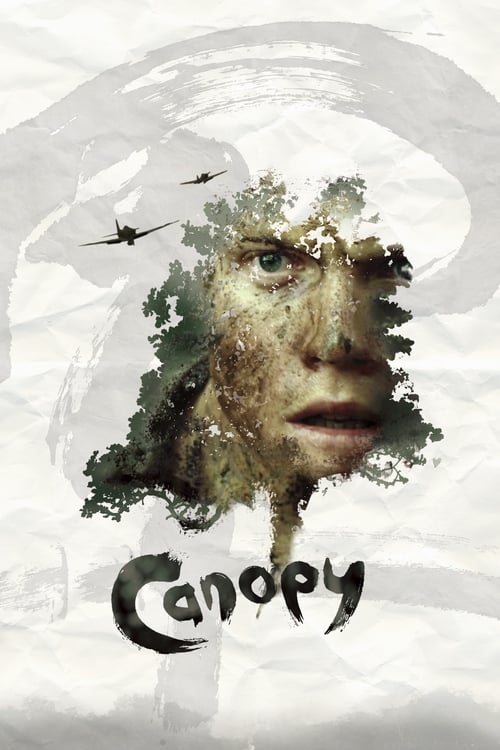
Wartime, 1942. Singapore. An Australian fighter pilot shot down in combat awakens suspended in the treetops. As night devours day, he must navigate through dangerous jungle in search of sanctuary.

Just after World War Two ends, an American woman takes in a Polish war orphan boy, a concentration camp survivor. But conflict arises when her husband, a returning Air Force bomber pilot,hates the boy and his psychological baggage.