Protocol Archives • Browse all War titles in HD
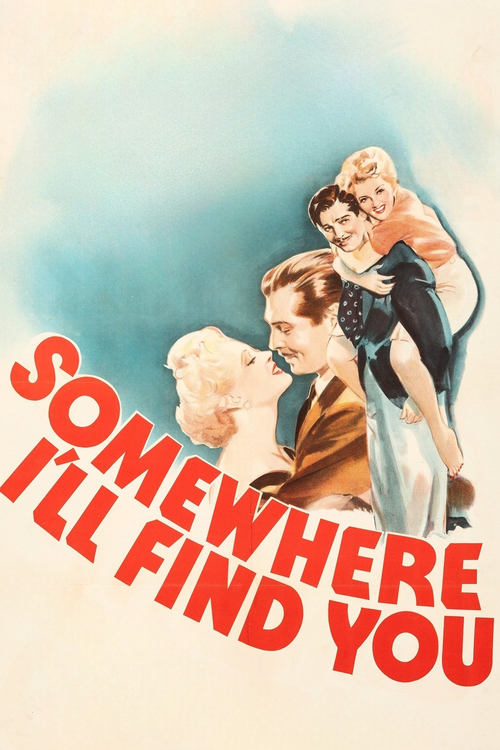
Journalist brothers feud over a woman they both fall for while covering World War II in the far east.
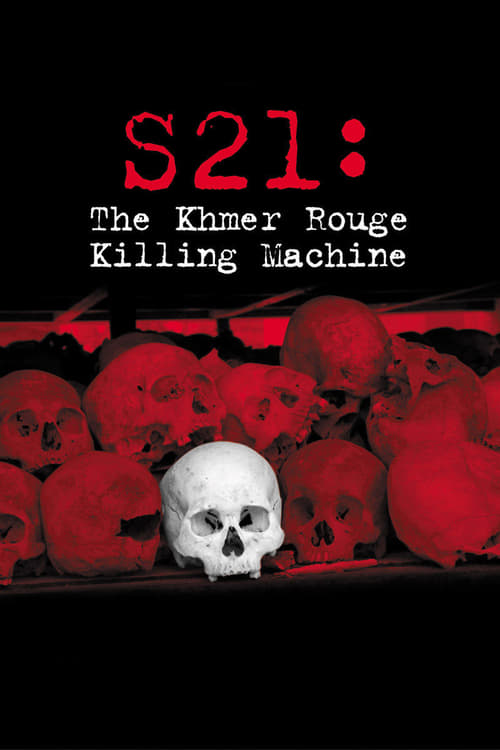
Documentary of the S-21 genocide prison in Phnom Penh with interviews of prisoners and guards. On the search for reasons why this could have happened.
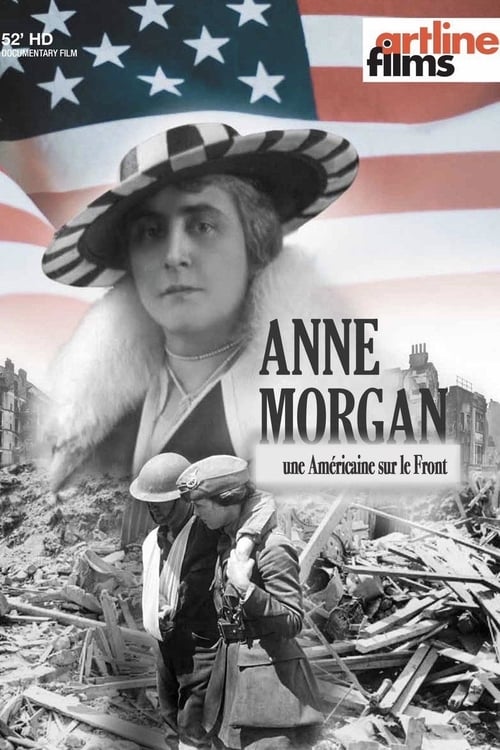
Between 1917 and 1924, 350 Americans landed in France to participate in the immense reconstruction effort. At their head, Anne Morgan, daughter of the famous banker John P. Morgan and founder of the American Committee for Devastated Regions. To encourage donations in the USA, she commissioned numerous films and photos, admirable testimonies of life at that time. Entirely made up of audiovisual and photographic archives, this documentary plunges us into an embodied and living post-war period as we have rarely seen it.

This TV documentary offers a poignant look at the partially destroyed bridge from Irpin to Kyiv, which has become a lifeline for people being evacuated from the war-torn city of Irpin. Irpin is a city in Ukraine, in the Kyiv region, located on the banks of the Irpin River, eight kilometers from the capital. As the war continues, Irpin has become one of the most dangerous places in Ukraine, while the partially destroyed bridge has become a lifeline for residents. People evacuated from Irpin are taken by car to the destroyed part of the bridge, while others walk across the river to reach the Kyiv side and continue on to safer areas. The day before March 13, when US and Ukrainian journalists were killed in Irpin, an LTV film crew was at the bridge. Currently, international media are no longer allowed into the city.
Haunted by the memory of civil war, an old Lebanese man revisits the last few moments of a fateful bus ride that leads up to the murder of his beloved.

War drama set in the closing stages of World War Two. As Allied Forces are nearing the defeat of the Japanese Army in Manila, the Japanese Empire's soldiers begin attacking innocent civilians. A brutal month-long battle ensues.

A documentary that traces the lives of men and women persecuted by the Third Reich because of their sexual orientation. Beginning with the social and political context of the 1920s, when European society still "tolerated" homosexuality, it details the mechanisms of repression and brings to life the hell experienced by the victims in the concentration camps. It also recalls the long road traveled by the victims to obtain the decriminalization of homosexuality and recognition of the harm suffered during this dark period in history. While the film traces the martyrdom of homosexuals and lesbians, it does not fail to place this story in a wider perspective and to bring together in a single memory all the victims of Nazi cruelty.
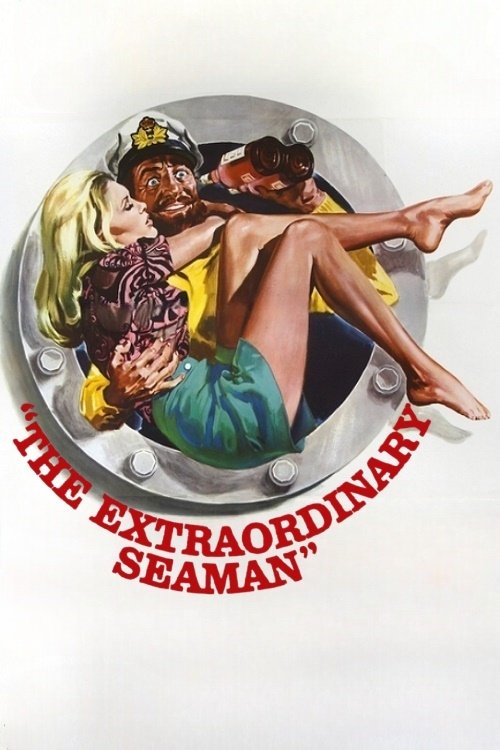
Marooned sailors discover a World War II ship haunted by its late captain.

Weird Warfare reveals the most absurd, ridiculous and bizarre examples of warfare from the last century: From pigeon-guided missiles to an aircraft carrier made of ice, trained mosquitoes laced with poison, to incendiary bats. Within the records of strange-but-true warfare, there was even a plan to try to turn Hitler into a woman! While some have proved to be useless, the most surprising thing history reveals is that some of these bizarre plans proved devastatingly effective.
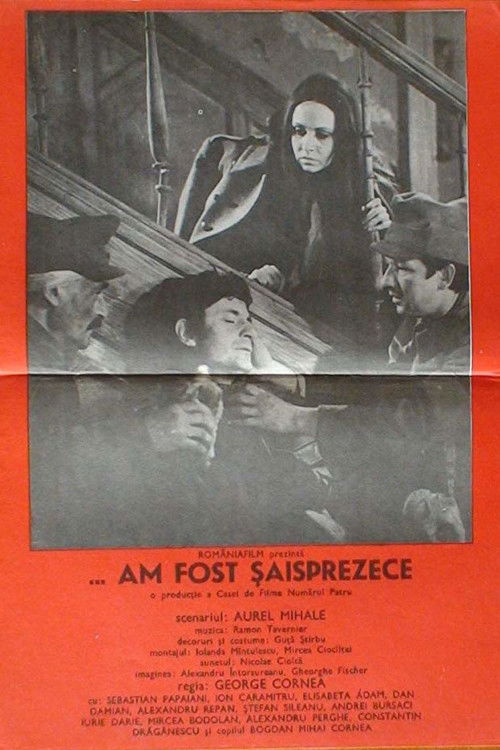
Romanian army reaches Budapest near the end of WW II. A small group of soldiers block some Nazi units on their way to Tatra mountains.
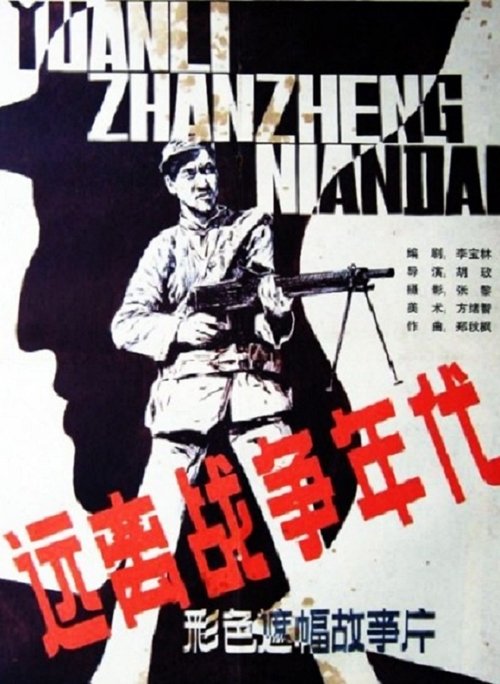
An elderly veteran of WWII living in peaceful retirement with his son and the latter's family becomes increasingly lost in wartime memories and reminiscences, much to his son's consternation. One day, an item the old man reads in a magazine prompts him to go off unannounced on a war-related quest. The son goes searching for his father, and in doing so reaches a greater understanding of both the old man and the generation he represents.
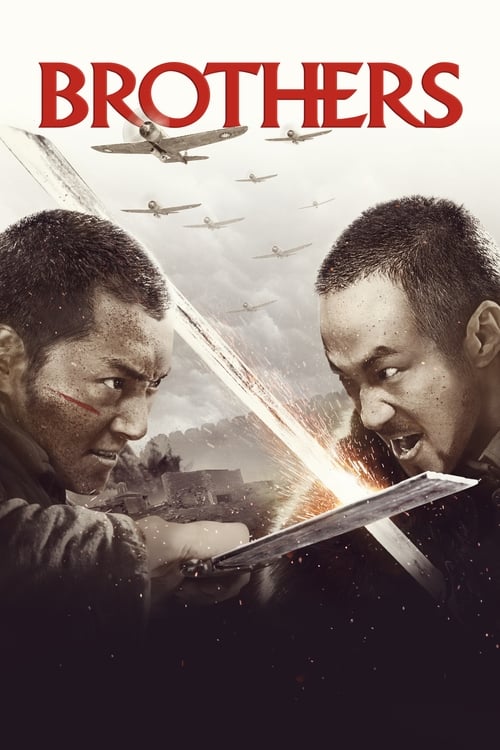
During a dangerous rescue mission, Commander Tiejin and his troupe are locked in heated battle when he stops dead seeing none other than the brother he lost five years before, now fighting alongside the enemy.
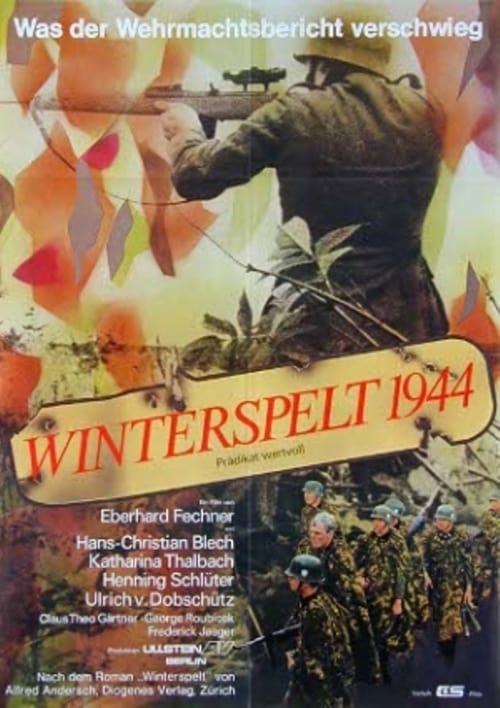
In the Second World War, spring 1944: shortly before the planned Ardennes offensive, Germans and Americans stand waiting on the German-Belgian border. The small Eifel village of Winterspelt threatens to become the scene of a bloody battle. A German officer comes up with a plan to hand over his battalion to the Americans without a fight. He finds support from three inhabitants of the small village, who help him to present his offer of surrender to the Americans, which they ultimately reject.

Wandering through the forest, a woodcutter finds a golden fern whose seed turns into a beautiful woman - they fall in love. After getting drunk in a village feast, he gets to sign up to the army. The fairy gives him a shirt to wear and asks him to swear he will never abandon it. At the war front, he falls in love with the the colonel's daughter and will have to perform various feats to get her attention.
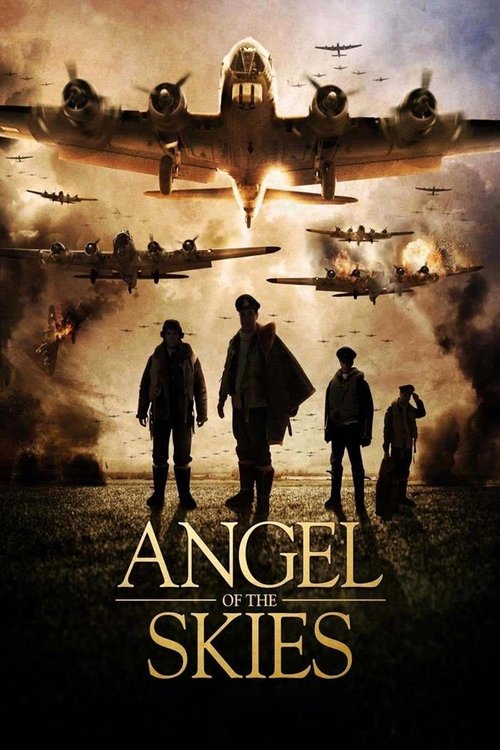
War is declared and Britain must take action against Nazi Germany if Europe is going to be saved from its ruthless clutches. Determined to beat the enemy Flt. Office Earl Kirk, a young South African pilot, volunteers his services to the Royal Air Force, sacrificing his family, his future and himself in the fight against evil. Whilst in combat, surrounded by bombers and under relentless attack, Kirk must make the decision that could change his and his crew's life forever.
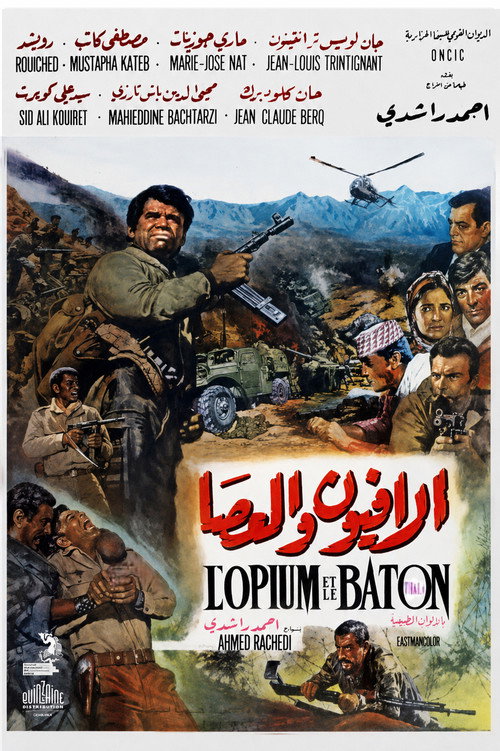
In 1950, in Algeria, in a village in Kabylia, Algerian resistance fighters resisted the French occupation army. Bachir returns to the village to escape the clashes ravaging Algiers. In Thala, he has two brothers, Ali and Belaïd. The first is engaged with the ALN (The National Liberation Army) and fights against the colonizer. His second brother, Belaïd, the eldest, is convinced of a French Algeria. His family torn apart, Bachir decides to join the war and takes sides against the repression of the French army. The French army is trying in vain to turn the population against the insurgents by using disinformation. The more time passes, the more the inhabitants of the village and surrounding areas, oppressed, rally to the cause of the FLN, their houses and their fields will be burned... Adaptation to the cinema of the eponymous novel Opium and the Stick, published in 1965, by Mouloud Mammeri, the film was dubbed into Tamazight (Berber), a first for Algerian cinema.
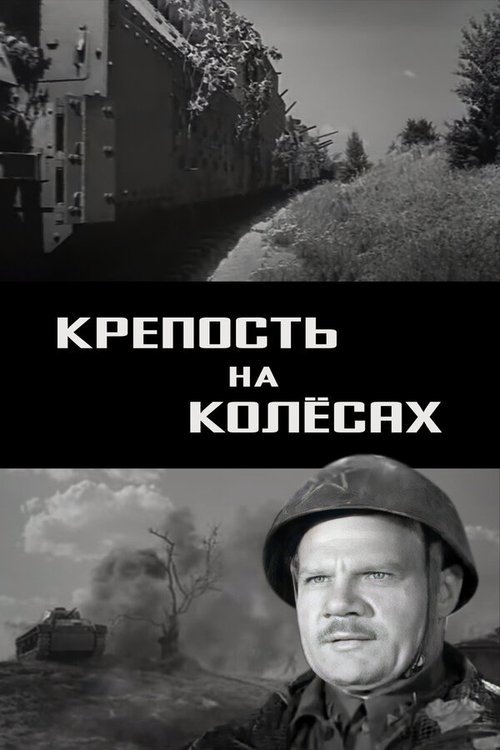
A story about an armored train, number 56, and its actions during WWII.
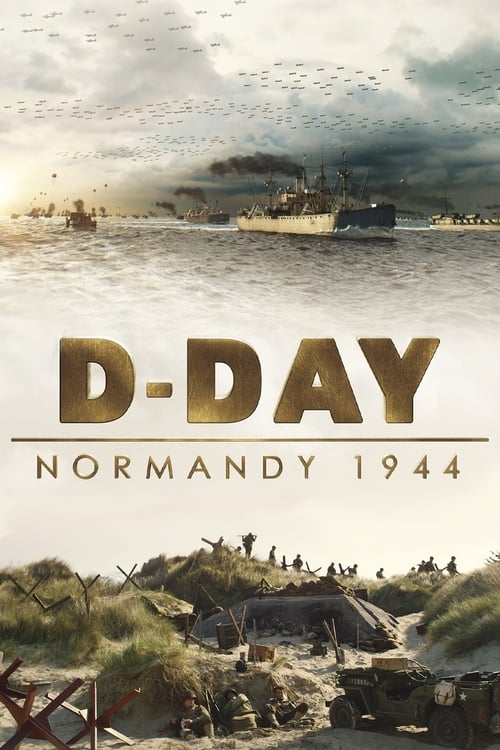
June 6, 1944: The largest Allied operation of World War II began in Normandy, France. Yet, few know in detail exactly why and how, from the end of 1943 through August 1944, this region became the most important location in the world. Blending multiple cinematographic techniques, including animation, CGI and stunning live-action images, “D-Day: Normandy 1944” brings this monumental event to the world’s largest screens for the first time ever. Audiences of all ages, including new generations, will discover from a new perspective how this landing changed the world. Exploring history, military strategy, science, technology and human values, the film will educate and appeal to all. Narrated by Tom Brokaw, “D-Day: Normandy 1944” pays tribute to those who gave their lives for our freedom… A duty of memory, a duty of gratitude.
Relive one of the longest and most destructive sieges in history that led to the systematic starvation and destruction of the human population.
By means of a chronological arrangement of historical video material from the Istituto Luce archives, it tells the story of Fascist Italy's ambitions in Africa and the role they played in shaping fascist ideology and the stance of the fascist regime in the Western world at the height of the age of colonialism and aggressive European expansionism.