Protocol Archives • Browse all War titles in HD
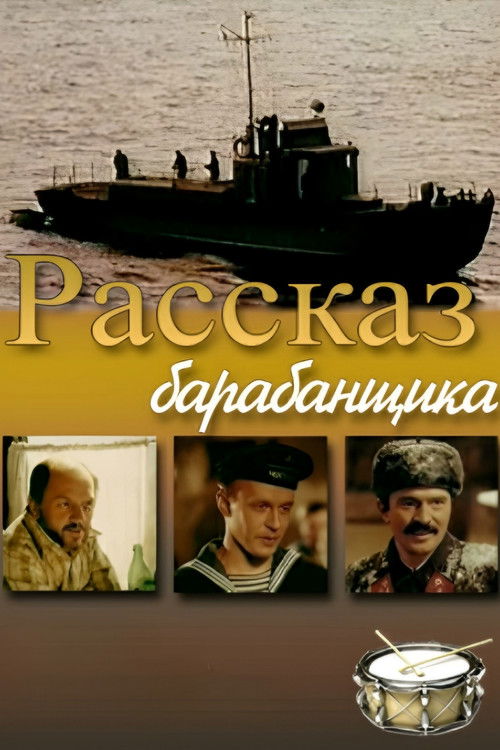
A story about the feat of an unusual military unit - a brass band that took part in the heroic defense of Sevastopol.
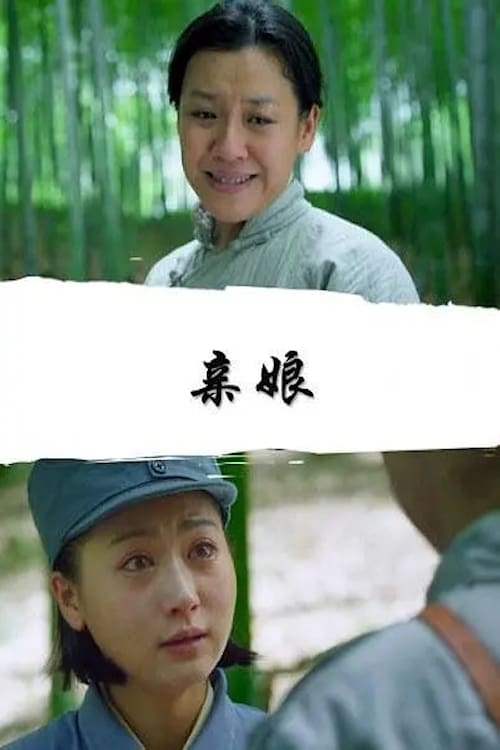
During the War of Resistance Against Japan, the Aunt Tang, a villager from a small town in southern Jiangsu, resolutely gave away her own daughter to protect the descendants of the female cadres of the New Fourth Army. In the battle with the Japanese army, Tang Songniang's biological son Tang Songlin died sacrificely. Tang Niang held back the pain of bereavement and cooperated with the New Fourth Army's stubborn resistance to the Japanese invaders, and finally ushered in victory.
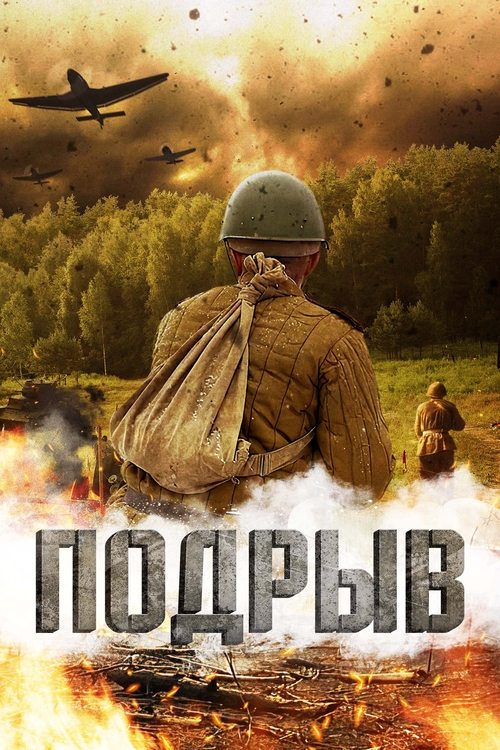
Russian propaganda film. In 1945, the Second World War has not yet ended, but large-scale work is underway on the territory of liberated Belarus to clear the land of the legacy of war - unexploded mines and shells left in the ground at the site of military operations. OSOAVIAKHIM detachments are created from among teenage volunteers. After completing only a week's training, young girls and boys are sent to personally demining places where fierce battles had recently taken place.
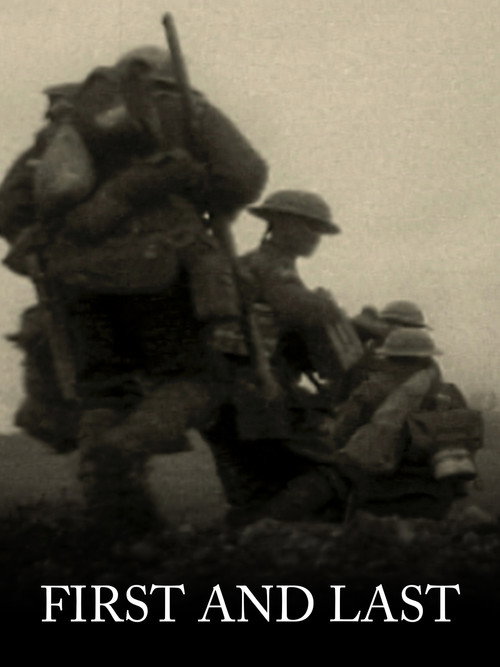
The tragic story of the Great War is told through the accounts of the British and Canadian soldiers who were the first and last to die in battle. Private John Parr, a British bicycle scout who was the first British combat casualty on the Western Front, and Private George Price, a Canadian infantryman who was shot and killed just minutes before the Armistice went into effect in 1918
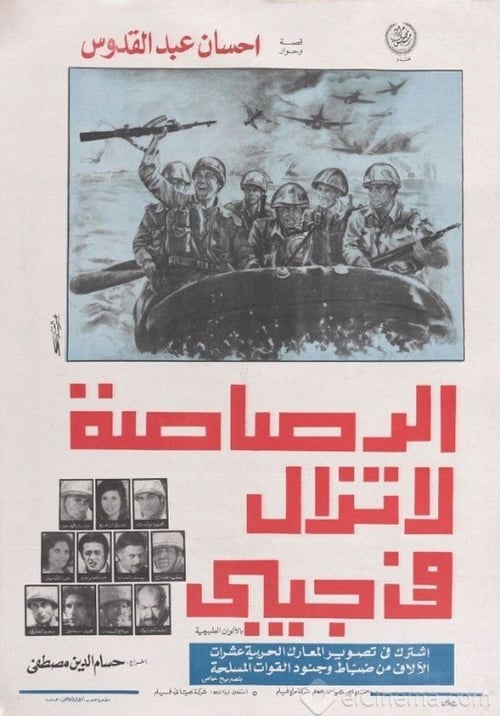
Mohamed is a soldier who finds himself in Gaza after the defeat in the 1967 War. He returns to his native village feeling broken and depressed after witnessing the deaths of his fellow soldiers. He still loves Fatima but her father wants her to marry Abbas who exploits the farmers and eventually rapes her.

About the 1914 soccer game when the English played the Germans in No Mans Land on Christmas Day. Only in this fable the game was brokered by Santa Claus and The Krampus. Both men later find you cannot bring Christmas magic to a war zone.

A movie about Yutaka Tani, also known as " Malay Tiger Harimao, " who was active on the Malay Peninsula during the Pacific War
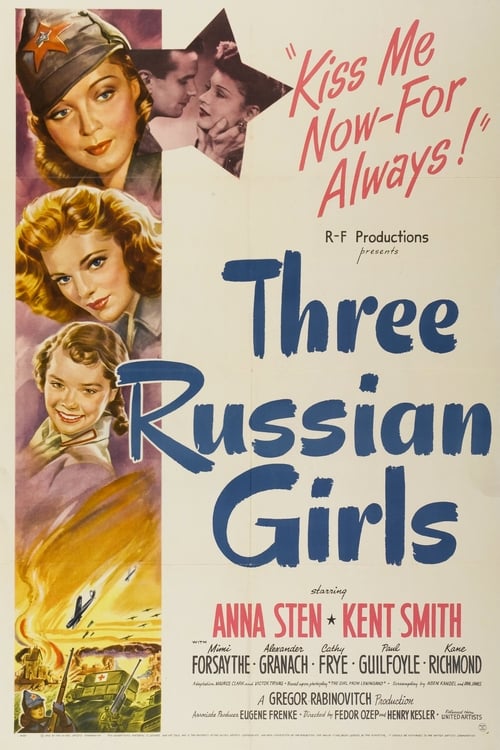
Another of a wartime cycle of Hollywood films lauding the praises of America's Soviet allies, Three Russian Girls is a remake of Russia's The Girl From Stalingrad. Set just after the Nazi invasion of the Soviet Union in 1941, the film stars Anna Sten as Natasha, a Red Cross volunteer who is dispatched to a field hospital located in an old pre-revolution mansion. American test pilot John Hill (Kent Smith), who'd been in Russia on a goodwill mission, is wounded in battle and brought to the hospital. As he slowly recovers from his wounds, Hill falls in love with Natasha. A last-act crisis develops when the hospital personnel are forced to move immediately to Leningrad as the Nazis advance.

Two young people marry in a Continental village and receive the congratulations of all save the rejected suitor. He bides his time while the couple live happily and are blessed twice with children. War is declared after the husband has suffered an injury for life and the rejected suitor enlists.
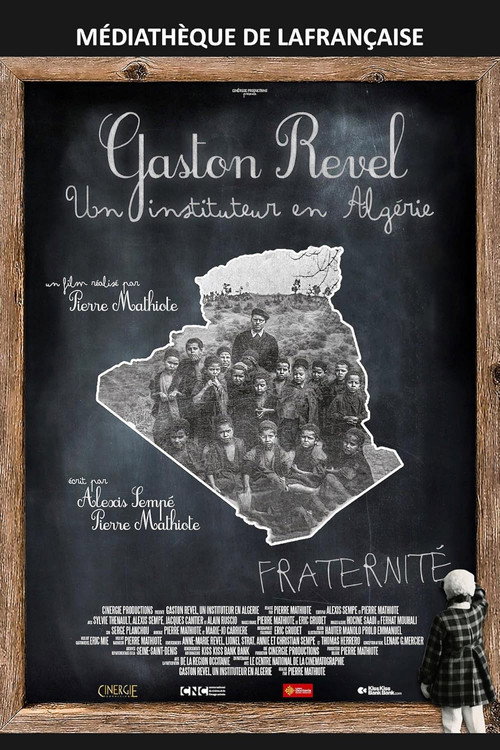
In 1936, Gaston Revel entered the École Normale in Algiers, where he was supposed to learn how to "educate the native." It was also during this time that he began to take an interest in politics: he was drawn to the Popular Front, then to Spanish anarchism, and finally to communism. From 1940 to 1955, he taught in Algeria, first in rural areas, then in Bejaia. He returned to Europe because of the war and landed in Provence in September 1914, following the Allied advance. It was in Bejaia, in 1945, that he became fully committed to the Algerian Communist Party: in 1953, he ran for municipal office in the second electoral district (reserved for Algerians) and sat alongside the Muslims. In 1955, at the beginning of the war, he was forced to leave Algeria against his will. But, like thousands of other "red feet," he returned there in 1962 and resumed his teaching career. From all those years, he left a complete and deeply committed record, many letters, notebooks, and newspaper articles.

The true story of Bosco, a young musician orphaned and blinded by the 1993 Burundian genocide, is taken in by a member of the tribe he believes is responsible for the death of his mother. Bosco is forced to choose between hatred and hope.
Deep in the wilderness, three soldiers are lost far behind North Korean lines. As the two American soldiers begin to distrust their South Korean counterpart, they must decide which of their hearts and souls must pay the price of war.
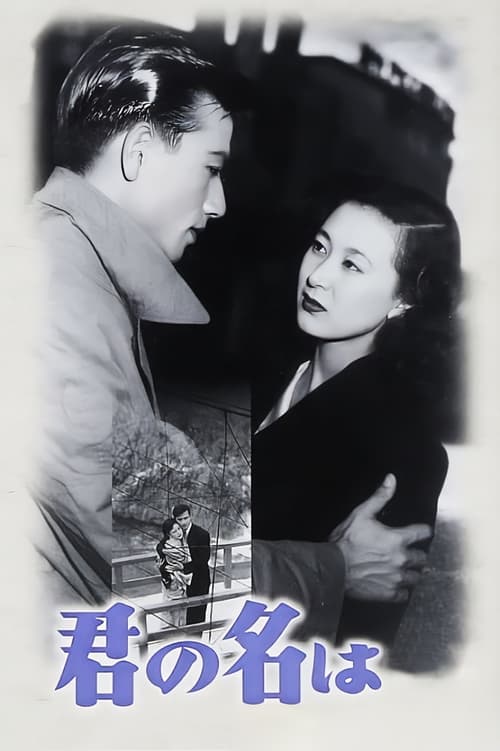
Machiko Ujiie and Haruki Atomiya first meet and fall in love on Ginza’s Sukiyabashi Bridge during the Great Tokyo Air Raid in March 1945. Machiko and Haruki pledge to meet again at the bridge in six months but part without asking each other’s names.
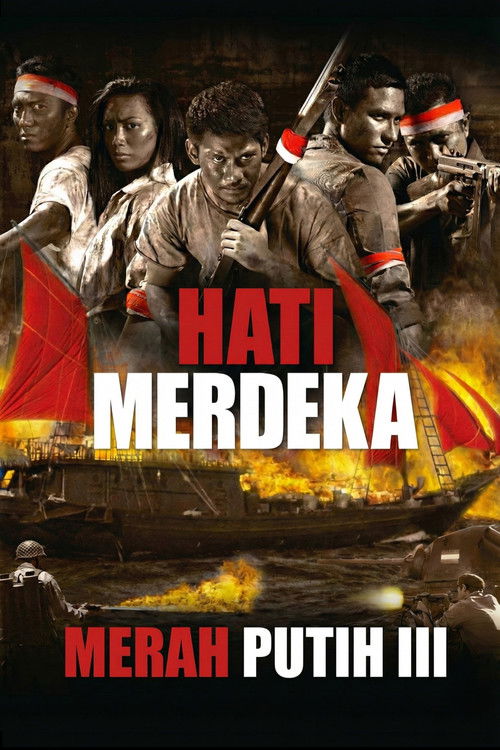
The third and final film in the award-winning box office hit RED AND WHITE trilogy set during the 1947-48 Indonesian revolution, as a band of guerrillas fights for Indonesia's freedom on land, sea and air against the Dutch empire.

Life in the barracks, drill, harassment, and private Asch′s pranks are the ingredients of Hans Hellmut Kirst′s successful novel "08/15" (the number of an Army regulation). Shortly before the outbreak of World War II: Private Asch and gunner Vierbein belong to the same unit but could not be more contrary. The instructors use every opportunity to bully the clumsy Vierbein with erratic corporal Platzek leading the way. The harassment starts with minor extra duties but soon the methods become more and more brutal. Finally, Asch comes to Vierbein′s help and takes on his superiors. Joachim Fuchsberger stars in his first major role.
Hong Kong film of 800 Chinesse soldiers guard the important warehouse district against the invading Japanese Army. Made in the same year that mainland China made their own The Eight Hundred Heroes.
It is the spring of 1945 and the end of the Third Reich is approaching. Yet all reserves are being deployed to save the Nazi regime. Even the students of one gymnasium are sent to build fortified defensive lines. But the conscious young men plan to escape and join the partisans. But the fighting draws inexorably closer and will test everyone involved...
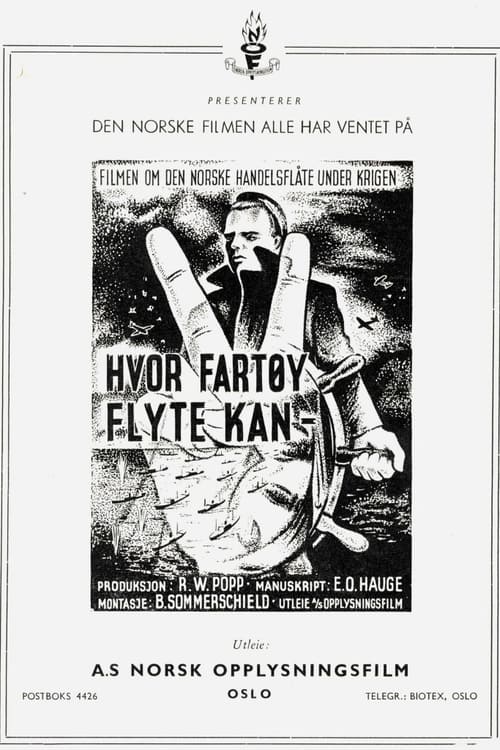
About the Norwegian merchant navy during the Second World War.
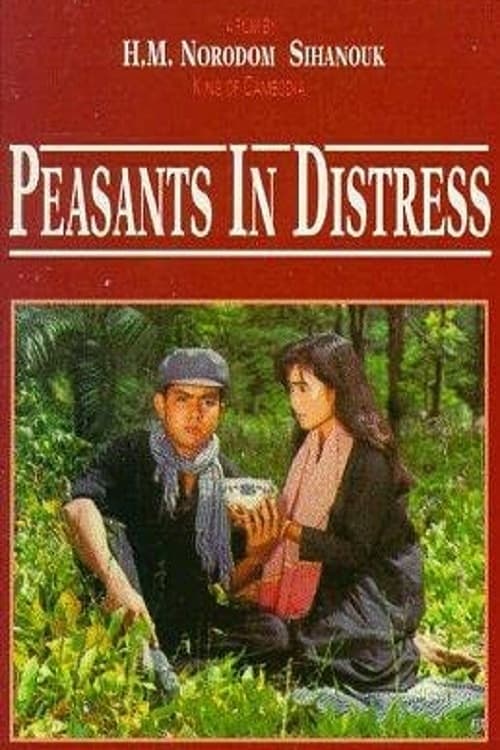
During 1993 when UN forces come to Cambodia during a time of political upheaval and civil war, two Resistance leaders fall in love with the same girl.