Protocol Archives • Browse all War titles in HD

Four soldiers trapped behind enemy lines must confront their fears and desires while finding a way back to their battalion.

Joseph, a retired New York police officer and Holocaust survivor, travels to Nuremberg to visit his son Ronnie years after turning his back on him for rejecting a promising career in the NYPD and marrying a local artist, Anna. No sooner does Joseph attempt to heal the rift with Ronnie then he swears that living in the apartment above, under the false name of Shrager, is the now aging SS Commander who slaughtered his entire family during World War II. With little hope of seeing him stand trial, Joseph talks Ronnie into exacting justice - and vengeance - and together they set out to kill him.

Film follows two volunteers - Rodion and Ivan, who bring help to Ukrainian soldiers in Eastern Ukraine's front line.

After the war, a young man reuniting with his beloved must deal with the fact that she has gone insane.


In the fall of 1938, three former fighters of the international brigade — russian Shukhov, frenchman Henri and american Liz — fall into a resort town on the border of Spain and France. Having met a nurse who is supposed to send Spanish children to Corsica, they decide to help her. However, a fascist rebellion suddenly breaks out in the city, and the children are held hostage to criminals.
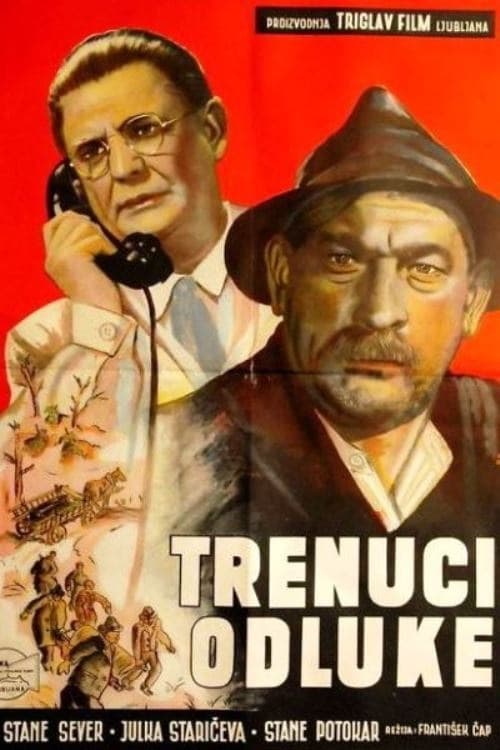
A story set in a Slovenian town during WW2. The White Guardists bring a wounded partisan to doctor Koren, but he kills their lieutenant, thus helping them both to escape.
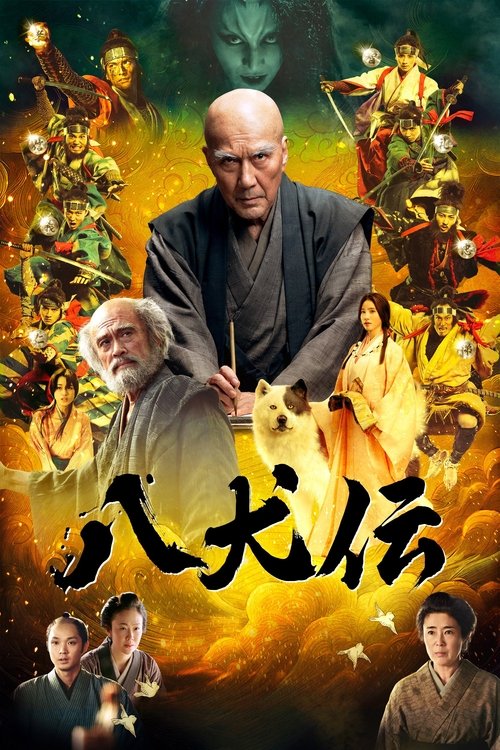
Takizawa Bakin, a popular Edo period author, begins to recount a story he is planning in front of his friend, the artist Katsushika Hokusai. The story is about eight warriors who, each carrying a jewel, gather together as if guided by fate and embark on a harsh journey to fight the curse of the Satomi family. Hokusai is drawn into the story that Bakin is telling, and visits Bakin on various occasions to hear the rest of the story, and a strange relationship between the two begins. The serialization becomes Bakin's life's work, with the idea of "rewarding good and punishing evil in a world where evil is rampant," but after 28 years, as the story finally approaches its climax, Bakin begins to lose his sight. With the completion of the story in doubt, he receives an unexpected proposal from his daughter-in-law. Will the story ever be completed?
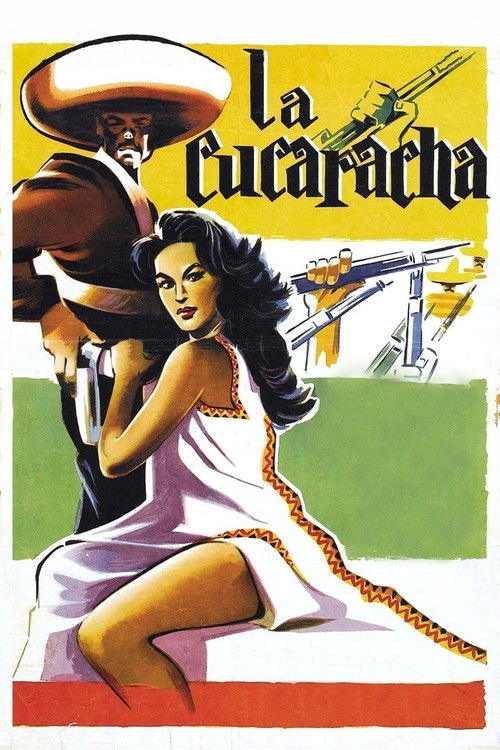
The Mexican Revolution serves as a backdrop to a torrid love triangle composed of three freedom fighters: a colonel, a widow, and a fiery female soldier.

Javier, a 19-year-old young man drafted into the war, goes to his ex-girlfriend's house seeking forgiveness before he leaves. At the same time, Javier's mother, Alicia, visits an old friend who is now a colonel to ask her to spare him.

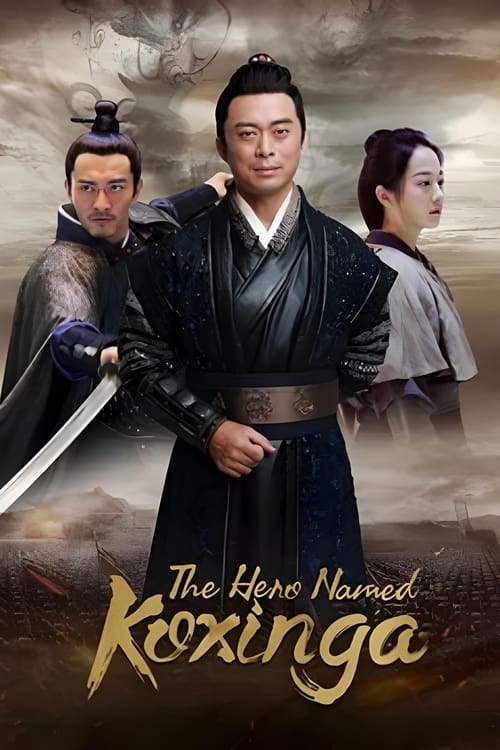
Zheng Chenggong, Prince of Yanping (or Koxinga) was a Ming loyalist who resisted the Qing conquest of China. In 1661, Koxinga defeated the Dutch outposts on Taiwan and established a dynasty, the House of Koxinga, which ruled part of the island as the Kingdom of Tungning from 1661 to 1683.
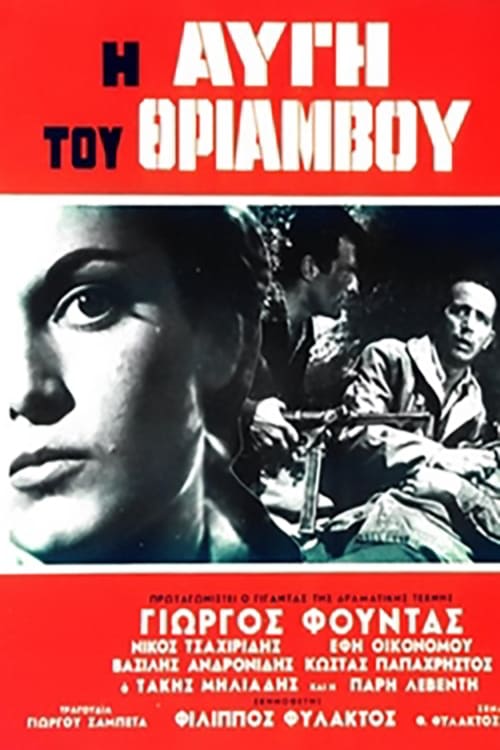
A group of resistance fighters during the Occupation, collaborates with a lieutenant who comes to Greece from the headquarters of the Middle East, aiming to blow up a German ship.

WWII Burma...Six paratroopers undertake an extremely dangerous mission against the Japanese. It will ultimately cost them their lives, except for one "lucky" survivor.

For America, the Vietnam War is over. Johnny doesn't see it that way. This Special Forces soldier battles vicious Vietcong, a sadistic Russian advisor and his own peacenik girlfriend as he embarks on a deadly mission behind enemy lines.
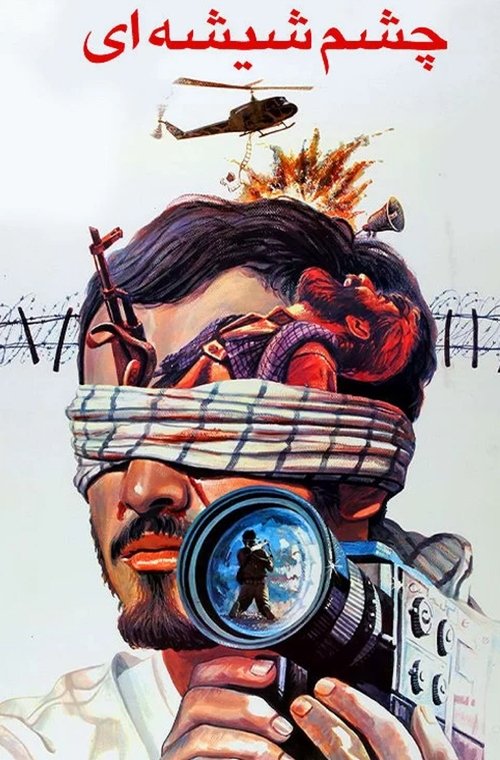
A propaganda Basij member named "Qasem" (Alireza Eshaghi) is sent to the front. Although his job is to promote and take pictures of scenes of fighters clashing with Iraqi soldiers, he goes to the front lines to help. His camera films the entire incident.

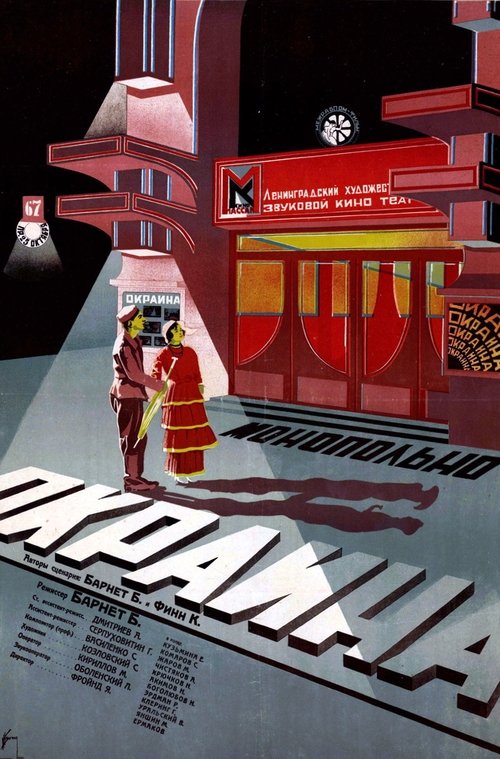
In a remote Russian village during World War I, colourful and nuanced characters experience divided loyalties: family loyalty vs. personal desire, nationalism vs. transcendent humanism.
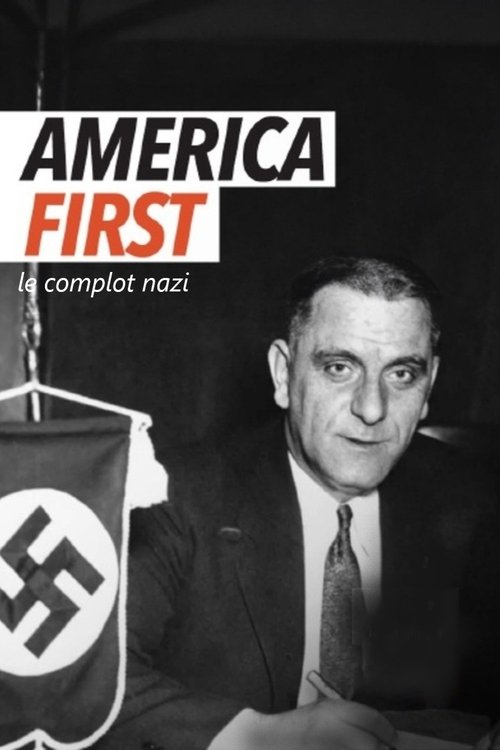
April 17, 1944. A high-profile trial for sedition opens in Washington. Dozens of individuals—including members of Congress—are accused of cooperating with German forces, participating in pro-Nazi movements, and plotting to overthrow the U.S. government. How did this happen in the world's greatest democracy? And why does no one remember this major episode in American history?
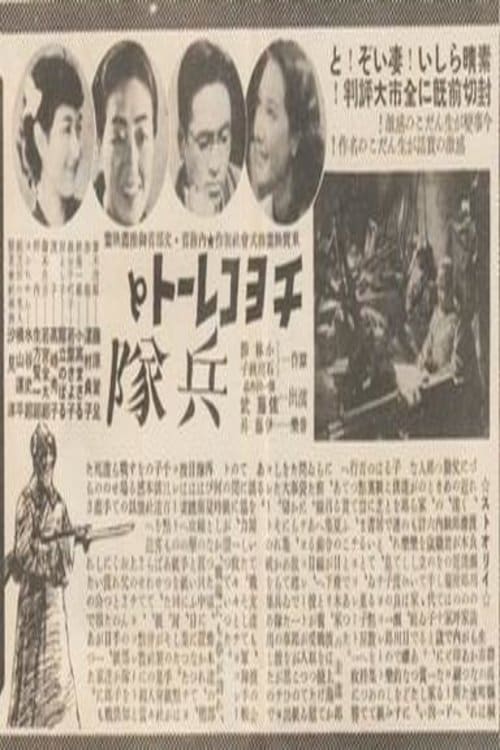
Chocolate and Soldiers (チョコレートと兵隊, Chokorēto to Heitai) is a 1938 Japanese war film directed by Sato Takeshi and one of the most effective Japanese propaganda films of the late 1930s. The American director Frank Capra said of Chocolate and Soldiers "We can't beat this kind of thing. We make a film like that maybe once in a decade. We haven't got the actors. It shows the common Japanese soldier as an individual and as a family man, presenting even enemy Chinese soldiers as brave individuals. It is considered to be a "humanist" film, paying close attention to the human feelings of both the soldier and his family. Cinema theorist Kate Taylor-Jones suggests that Chocolate and Soldiers provided "a vision of the noble, obedient and honourable Japanese army fighting to defend the emperor and Japan.