Protocol Archives • Browse all War titles in HD
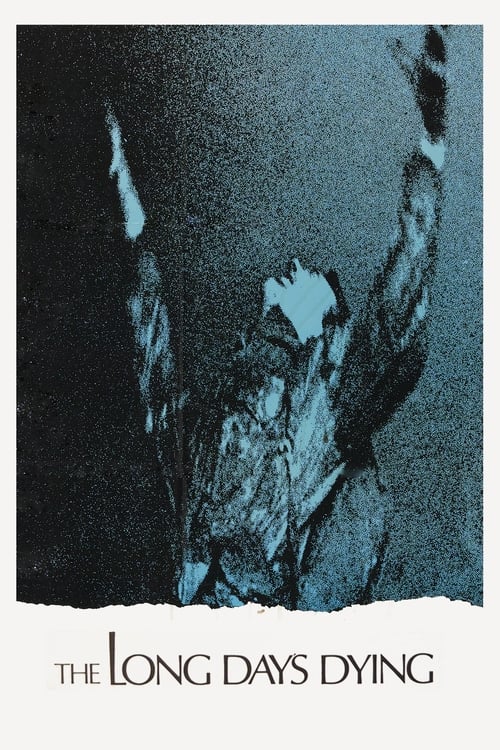
Three British soldiers and their German captive trek through the European countryside.

Set in Texas in 1867, during the Comanche Wars, the project follows two powerful ex-cavalry men, a war-hungry Colonel, and his seemingly by-the-book executive officer.
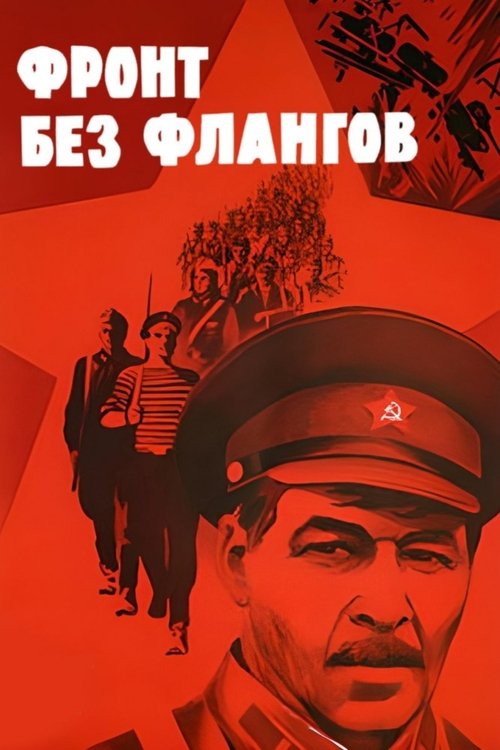
A first episode in the trilogy about the Russian partisan's resistance against the Nazi occupation of Russia during WWII. The film is set in August of 1941, when the Nazi forces invaded and occupied the European part of Russia. Major Mlynsky is in charge of the special group of partisans. His group is absorbing other small groups of Russian soldiers, who managed to survive from the attacks of the overwhelming Nazi forces. The Nazi Armies are advancing to Moscow. Major Mlynsky is organizing the Russian partisan's resistance against the Nazis, behind the enemy lines.
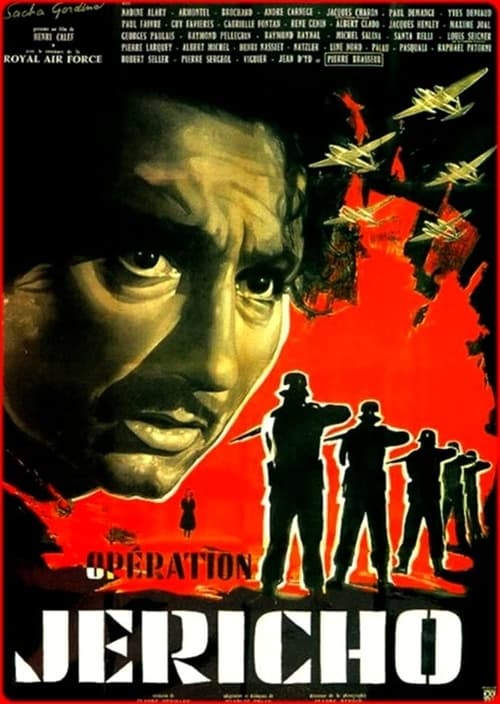
June 1944, a French town towards the end of the occupation. Following several attacks perpetrated by the resistance, the inhabitants who listen to English radio are rounded up by the Germans in a prison and considered as hostages. In one of the cells are found men from all walks of life: an aristocrat, the Viscount of Saint-Leu, Doctor Noblet, a resistance fighter, Béquille the wanderer with a wooden leg, and a strange character nicknamed "Black Market". The latter arouses mistrust among the prisoners, because it could well have been introduced by the enemy.
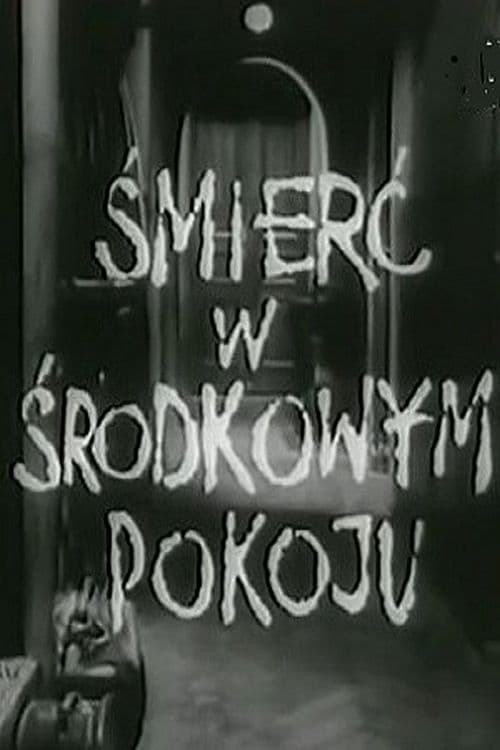
The Gestapo searches one of the apartments in Warsaw. It comes to a tragedy.

A Forever War is a powerful investigation into the war on Gaza, challenging Israel’s response to the Hamas-led attacks in October 2023. Global condemnation of Israel’s war on Gaza recently echoed around the United Nations, where many states continued to label it “genocide”. Yet Israel has largely ignored international opinion, even pressure from the United States. With a ceasefire now on the table just days before the second anniversary of the Hamas-led attacks on October 7, 2023, this film examines what Australian journalist John Lyons calls “one of the most brutal wars of modern times”. Lyons confronts Israeli political, military and intelligence figures on their motives and asks whether there was no alternative to killing more than 66,000 Palestinians, including over 20,000 children. A current cabinet member, a former foreign minister, and ex-Prime Minister Ehud Barak argue Israel’s actions are self-defence.
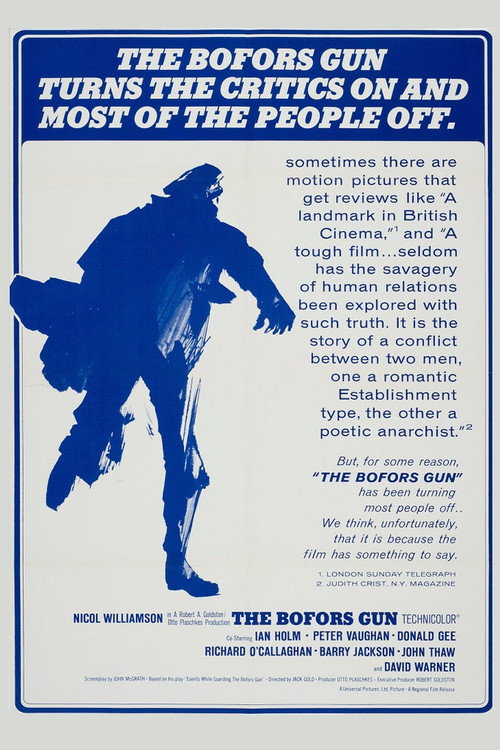
A national service NCO (David Warner) comes face to face with an embittered Irish Gunner (Nicol Williamson) who is determined to humiliate him.

The two rival Allied commanders, General Eisenhower and Field Marshal Montgomery, clash in a battle of egos and strategic choices, with devastating consequences for the people of Zeeland during the liberation of the Netherlands.

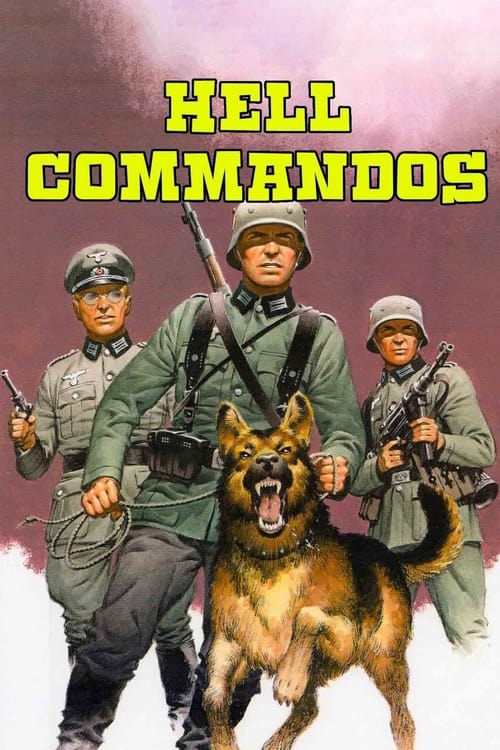
Members of a German tank crew become trapped behind enemy lines.

When the Japanese invade the Aleutian Islands, the Allied forces must push them back.
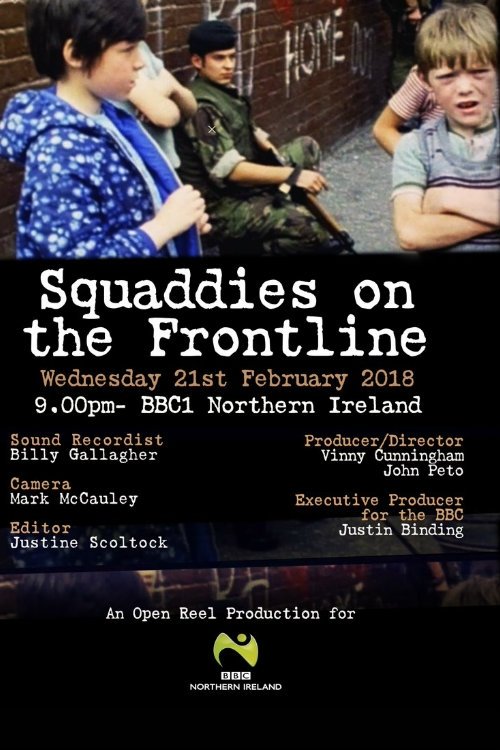
Squaddies on the Frontline tells the story of the British Army's experience of the Northern Ireland conflict through the eyes of the ordinary men and women that soldiered here. For almost 40 years between 1969 and 2007, a total of over a quarter-of-a-million soldiers served on the streets of Northern Ireland in 'Operation Banner', the British Army's longest ever operation. These men and women were at the heart of the key events of the conflict, with over 700 soldiers killed and more than 6,000 injured, and a further 305 deaths attributed to them. Squaddies on the Frontline is their story, taking viewers into the heart of 'Operation Banner' and the day-to-day realities of life and work here as a soldier through some of the toughest years of the Troubles, looking at the impact that it had, and continues to have, on their lives and the lives of those around them, both in Northern Ireland and beyond.
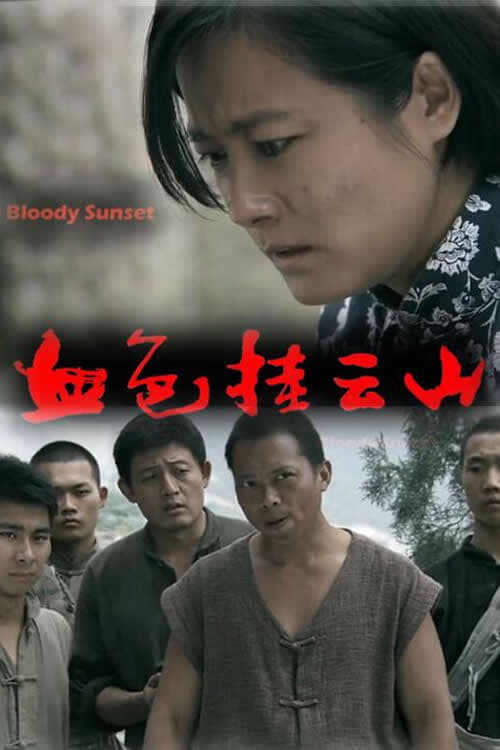
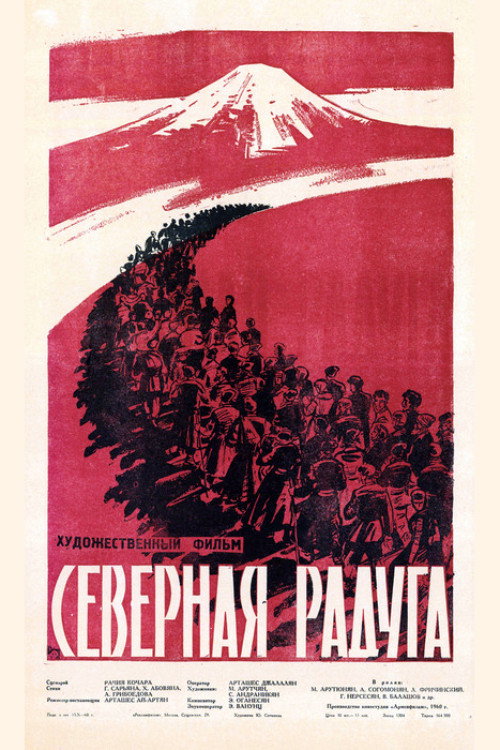
The movie is dedicated to the liberation of Eastern Armenia in 1827.

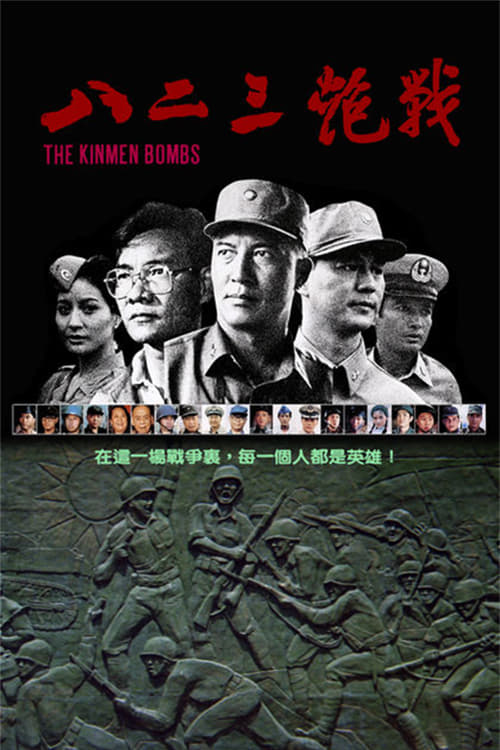
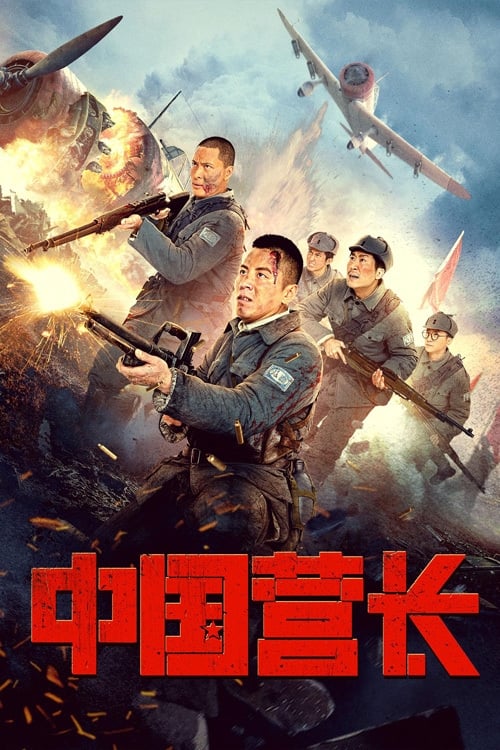
After a devastating artillery attack on the island of Kinmen, commander Chi Liang-chen and his battery prepare a counter-attack.
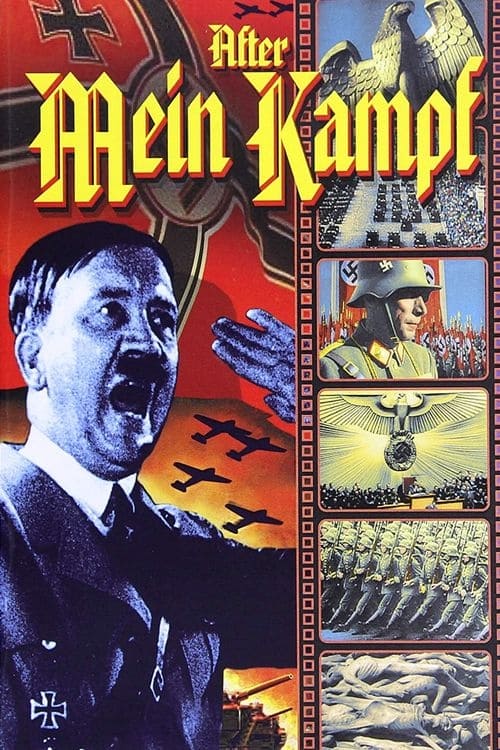
Allied propaganda in the form of cartoons and newsreels shows the rise of Adolf Hitler and the Nazis.
A documentary produced by the French armed forces which chronicles the way of France’s “1ere armée” in the second world war from the days it first crossed the Rhine in March of 1945, through the liberation of a POW-camp in Swabia, until the forces reached the Danube and the Alps at the end of the war and the day French troops marched in the victory parade in Berlin.
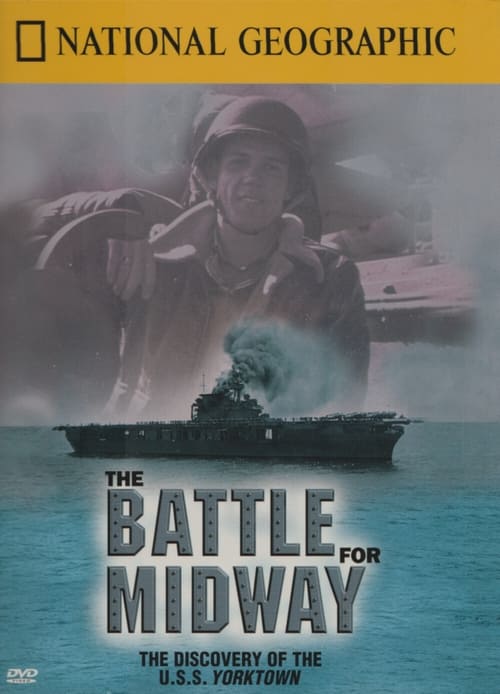
National Geographic follows underwater explorer Bob Ballard as he searches for the aircraft carrier sunk during the Battle of Midway.