Protocol Archives • Browse all War titles in HD
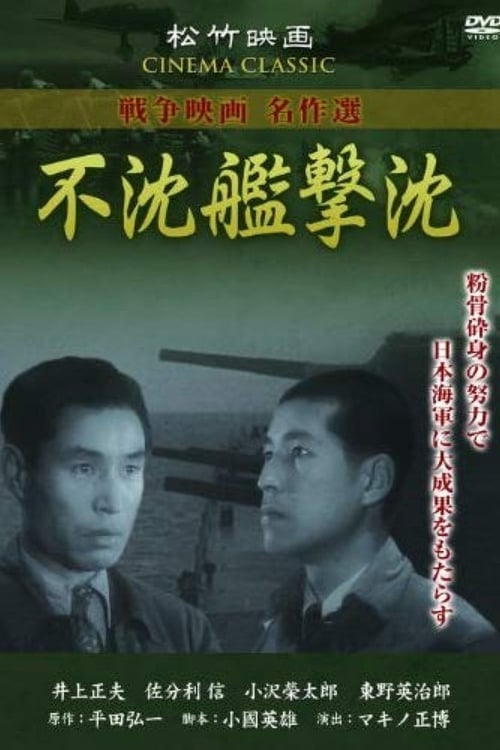
Japanese Warmovie

Documentary short film depicting the correct methods of surviving the crash landing of a military aircraft in the desert. Methods of conserving water, providing shelter, and signaling for help are depicted.
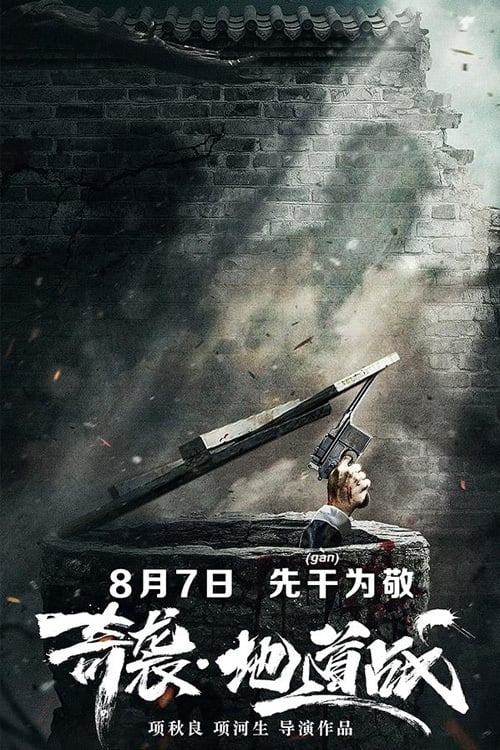
During the WWII Japanese invaders carried out a "sweep" on the Jizhong Plain. Progressive young man Ye Cheng returned from studying in Peiping and joined the tunnel construction in the native village. Faced with incomprehension and doubt, under the leadership of Political Commissar Ma, Ye Cheng became the new leader for villagers

Elga Pulaski and her brother Ossip live in Warsaw. They belong to a secret society whose goal is to liberate Poland and Russia from the Romanoffs. Elga is loved by Baron Jan Slozek. But Slozek is a spy who has Ossip and other members of the society arrested. When Slozek is slain, Ossip is the key suspect. He escapes to America with his sister. There, Elga meets Norman Hutchinson, and marries him without telling him her past. When Hutchinson learns the truth, he leaves Elga. Eventually, when Elga appeals to him, he sees the light.


Beverly Ross, the switchboard operator at a local radio station, jumps at the chance to be the DJ for an early morning show before the soldiers at a nearby army camp assemble for reveille. Beverly, with her modern music, camp bulletins and chatter, is a hit with the soldiers. Beverly's younger brother and his two buddies are soldiers at the camp. The buddies vie for Beverly's attentions.
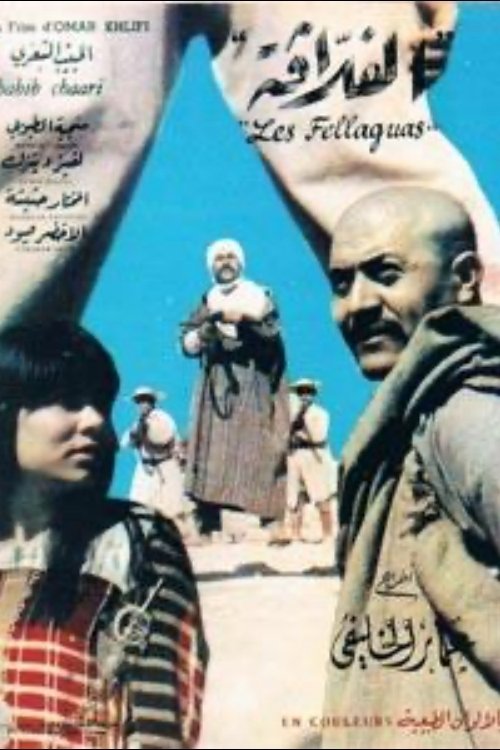
Love blossoms between Rabah and her cousin Mosbah, but when a man who aids the French occupation kidnaps her, Mosbah's attempt to rescue her fails. As he gets arrested and sentenced to three years in prison, he vows revenge.
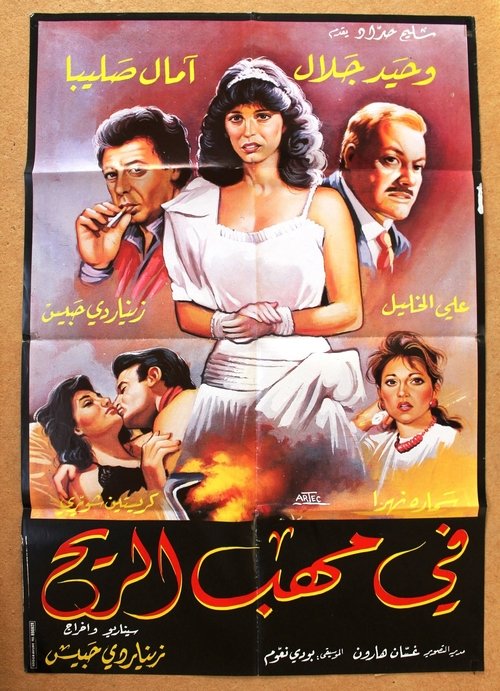
The Lebanese film "Fi Mahab al-Reeh" (In the Wind’s Mercy), released in 1985, is a drama set during the Lebanese Civil War. It tells the story of a romantic relationship between two individuals from different social backgrounds, highlighting the deep social and political divisions affecting Lebanese society at the time.
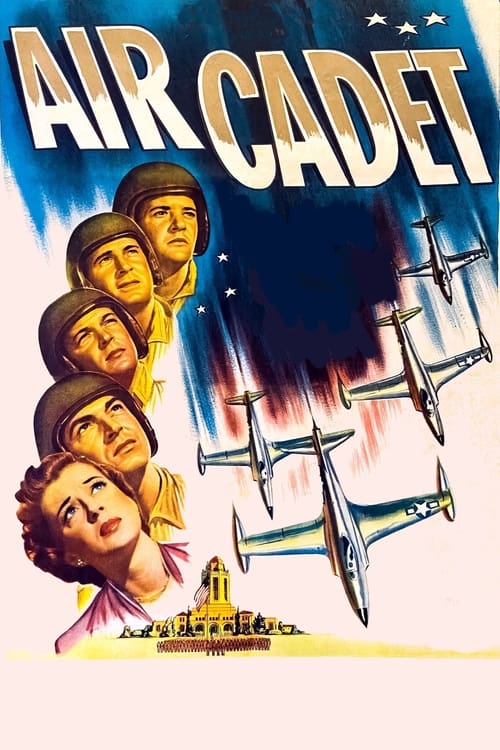
A group of cadets have assorted problems at the U.S. Air Force Pilot Training Academy.
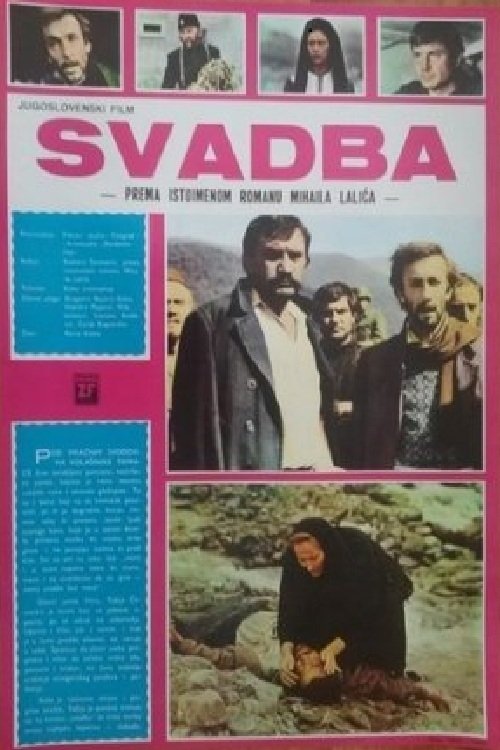
Beginning in 1943. year. The tragic story of the prisoners... partisans and others who were found in a prison in Montenegro at the time when the Chetniks and the occupiers at all costs they want to crush the uprising in Yugoslavia.
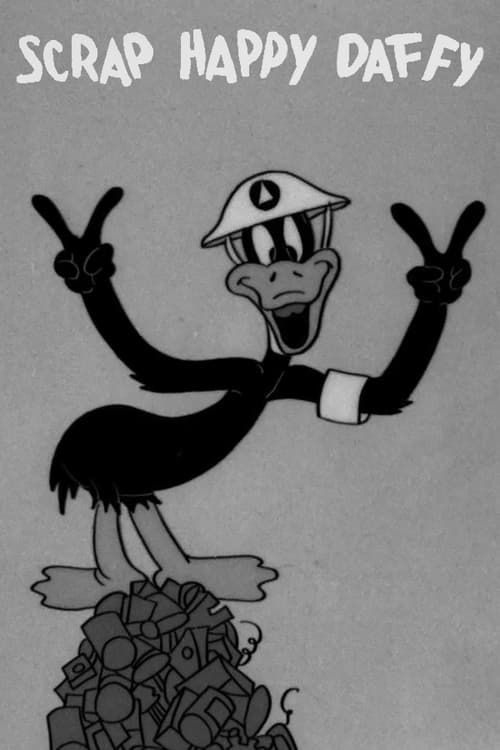
During World War Two, Daffy Duck owns a junkyard which collects scrap metal to use in building weapons to continue the Allied fight against the Axis powers. Hitler reads about Daffy's scrap pile and about Daffy's stated intent to win the war with junk and, after throwing a fit and chewing a carpet like a mad dog, orders Daffy's scrap pile destroyed.
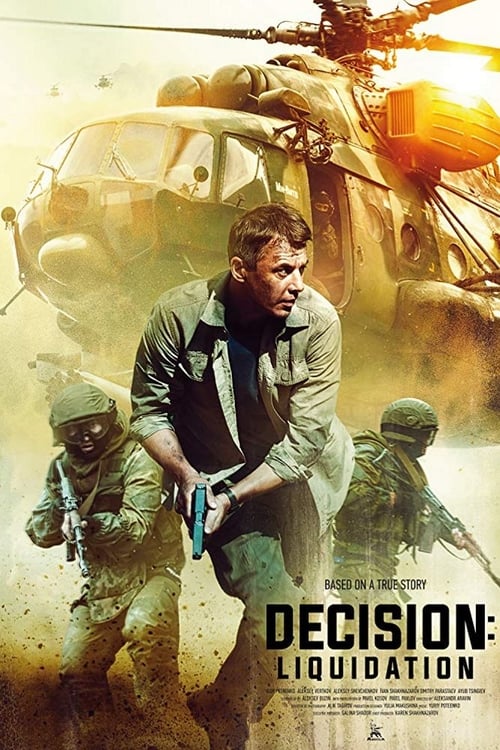
The ruthless extremist Bazgaev responsible for terrorist attacks which lead to deaths of hundreds of civilians, among them school children, is planning new actions. A group of security officers is to track and destroy him. Based on a true story.

From the year 3005, a delegate from the future arrives in 1985 to convince the present leaders make certain World War III happens, which he guarantees will make for a better future. Having already caused natural disasters and catastrophes by coming back from the future, he now tries to force his message on the world press and TV.

The Second World War. A group of Royal Air Force officers led by William Ash (Jakub Reizer) is staying in Oflag XXI B, located in Szubin (Poland). The prisoners decide to organize a diversionary action, which is to be a daring escape through a tunnel, named after the main originator - the Asselin tunnel. They are helped in their activities by the Polish resistance movement, which includes a young photographer, Henryk Szalczyński (Michał Matela), who develops photos for forged documents.
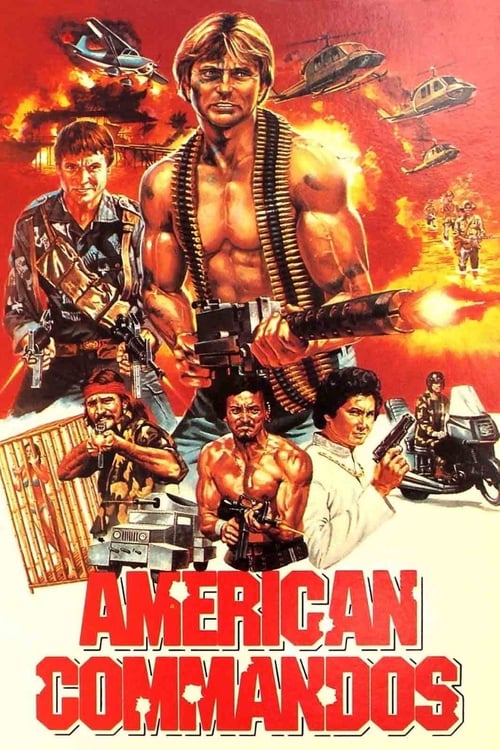
A group of Vietnam vets are sent to Southeast Asia to destroy drug-smuggling operations in the Golden Triangle. When they get there, they find that many of the drug gangs are run by other Vietnam vets.
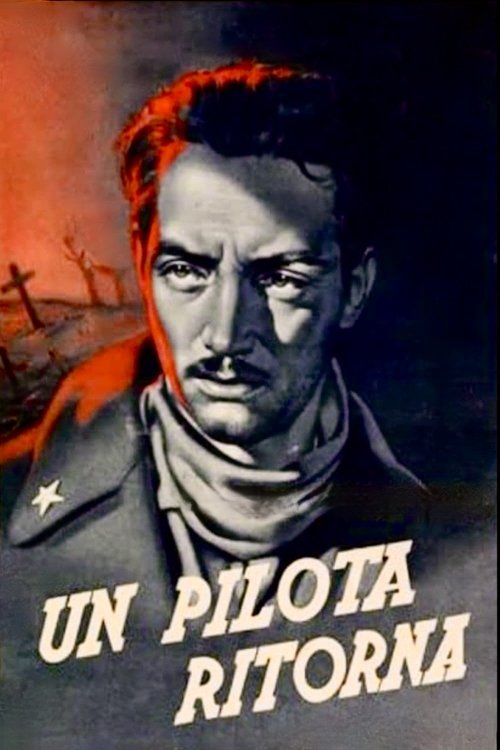
A young Italian pilot is interned in a British prison camp after his plane is shot down during the war against Greece. He falls in love with a doctor's daughter and manages to escape during a bombardment. He reaches home, wounded, just as news arrives of the Greek surrender.
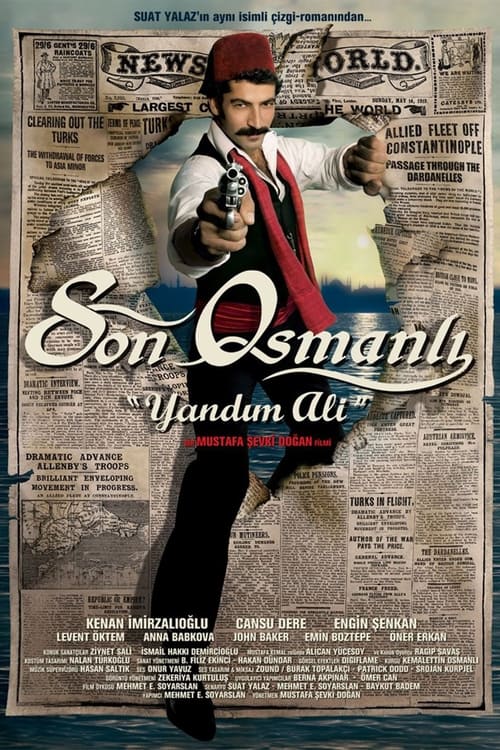
After the First World War, the Allies occupy Istanbul. The protagonist, Yandim Ali is a rogue, discharged from the navy, who doesn't believe that the country can be saved, until he meets Mustafa Kemal (Ataturk), who plans to start a resistance in Anatolia against the occupying Allies, as well as the collaborators of an Ottoman government, that exists only on paper.
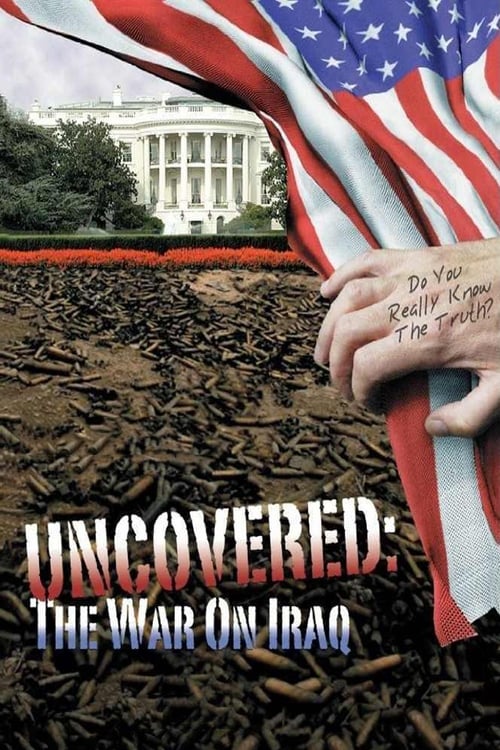
The feature-length version of producer/director Robert's Greenwald's short documentary phenomenon "Uncovered: The Whole Truth About The Iraq War." The film deconstructs the current American administration's case for war in Iraq through interviews with U.S. intelligence professionals, diplomats and former Pentagon officials, including a former director of the C.I.A., two former Secretaries of Defense, a former ambassador to Saudi Arabia and even President Bush's former Secretary of the Army.