Protocol Archives • Browse all War titles in HD
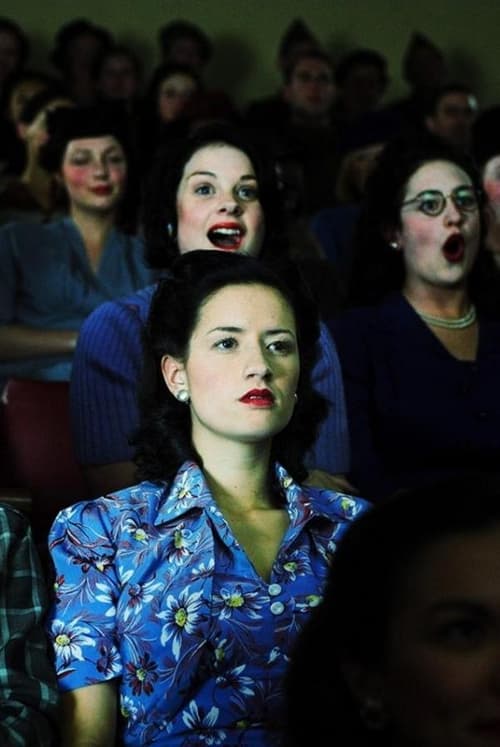
On the ‘home front’ in 1943, Ngarie and Gerald sort air graph letterforms destined for New Zealand soldiers abroad. A tiny act of heroism brings together this unlikely pair in an unconventional love story that cleverly blends fact with fiction.

The movie "L'instant de la paix" consists of three segments: 1. "Les rideaux blancs" (France) 2. "Berlin N 65" (West Germany) 3. "Matura" (Poland)

The story of "Electric Wave" takes place on the eve of the liberation of Shanghai, and is based on the true story of the martyr Li Bai. It is a city card born from the red genes of Shanghai. There is no dialogue in the dance drama film, and the emotional explosion is vividly expressed through the body, conveying the strong love between the two through their dance, eyes, and body movements. The emotional struggle and compromise, as well as the mutual empathy between them, are more intense and lasting than any line of dialogue. The film is adapted from the original dance drama of the same name.
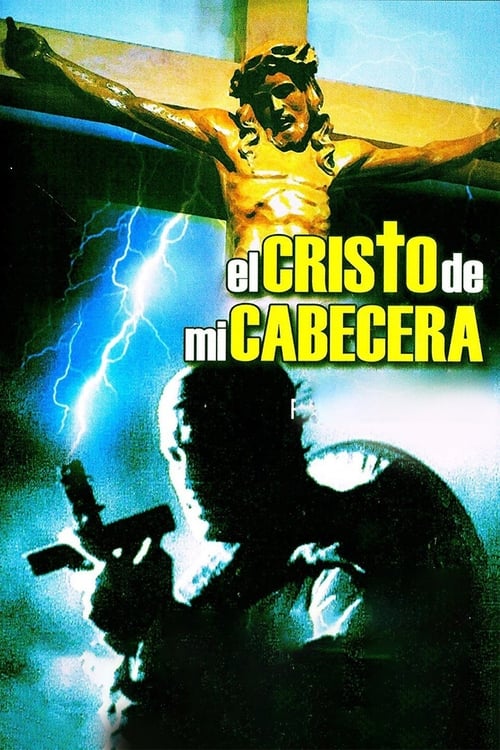
1830s, guerrillas in the hills resisting the French occupation. Meanwhile, their leader has a French officer and another guy chasing after his fiancé, and...
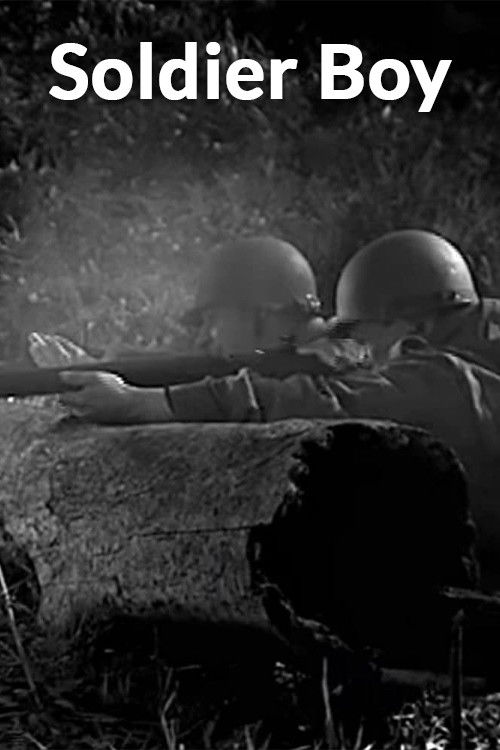
7-second short film about a couple who are separated during World War II.

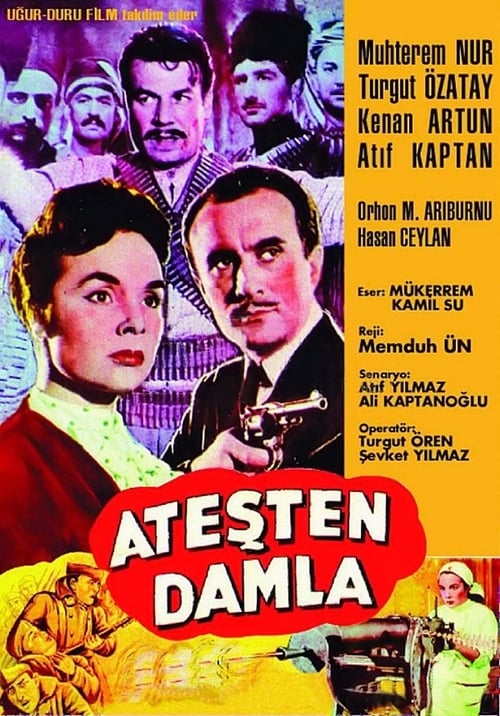
The film tells the story of Serap and Ahmet, who fall in love during the War of Independence. Emine commits suicide after giving birth to a baby girl. Osman Müfit, the village teacher, takes the girl under his wing and names her Serap. When Serap graduates from the Girls' Teacher Training College in Istanbul, Anatolia is under occupation. The situation in Balıkesir is no different. On one side is Rıza Bey, the village chief who collaborates with Anzavur, and on the other is Osman Müfit, the leader of the National Forces. Rıza Bey's son Ahmet also joins the national forces and fights against his father. Serap returns to Balıkesir from Istanbul. Serap and Ahmet meet in the midst of the war. These difficult days for the country will bring them even closer together.
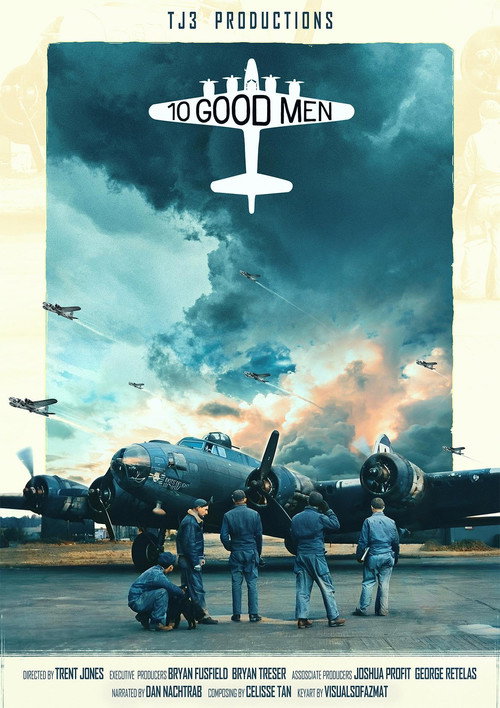
The B-17 Flying Fortress became an icon of American air power in World War II, but its legacy is written by the stories of the crews who flew it. Today, of the more than 100,000 veterans who flew on board of B-17 bombers during the war, there are only a handful remaining-but through years of searching, a few of the final survivors were brought together to tell this story one more time.
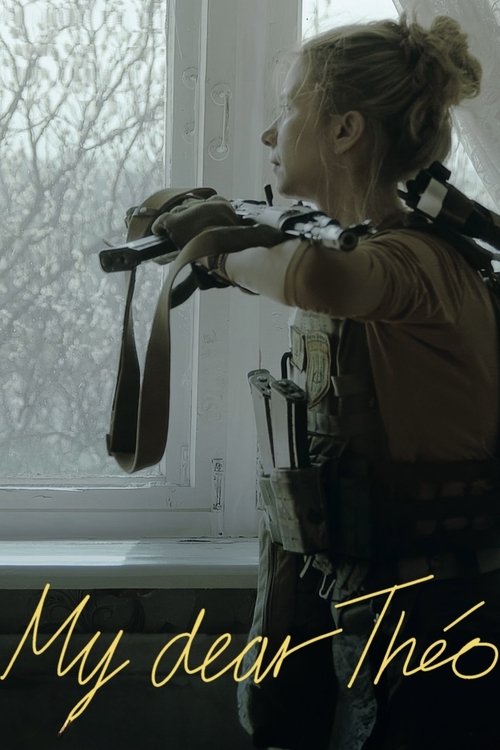
In a series of letters to her young son, a mother, soldier and filmmaker documents her thoughts from the Ukrainian frontline.

A film about disarmament.

Frederic, after having announced sadly and wistfully at Catherine, goes to war.He's wounded in the war, so he has to go to the hospital where Catherine, as a nurse, can heal him.
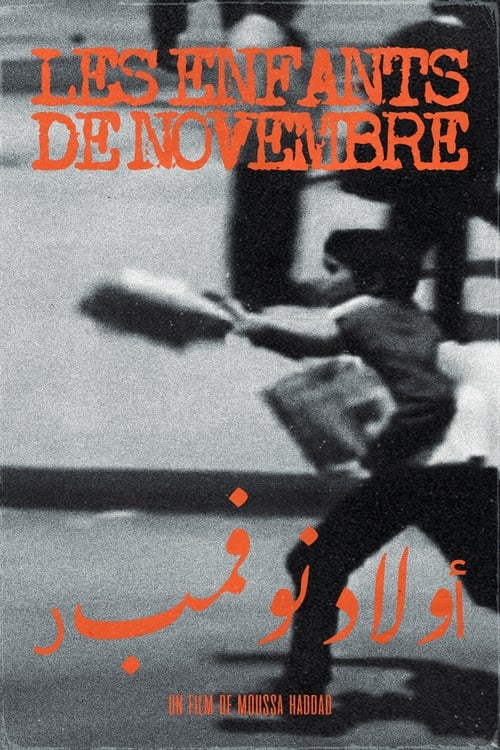
In the streets of the Casbah of Algiers, an FLN fighter pursued by the colonial police hands over confidential documents to Mourad, an Algerian child shouting newspapers who must at all costs pass them on to the resistance. But the police are on their trail and will do anything to get them back.

The adventures of three friends running an air charter business in Africa during WW II and their race to prevent a Nazi Baron from escaping to Germany with vital radar equipment.

The young journalist Solongo, who received his first assignment and went to report at the border post, showed the daily events of the modern border soldier's life in a lyrical form.
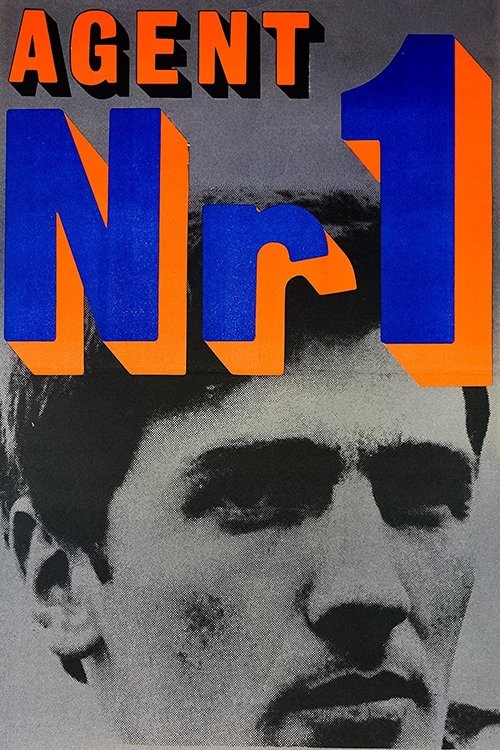
Jerzy Szajnowicz-Ivanov, the son of a Polish mother and a Russian father, raised in Greece, reports to the Carpathian Brigade in the spring of 1941. While the Poles are wary of him at first, he proves his worth by taking part in several sabotage actions against the Nazis.
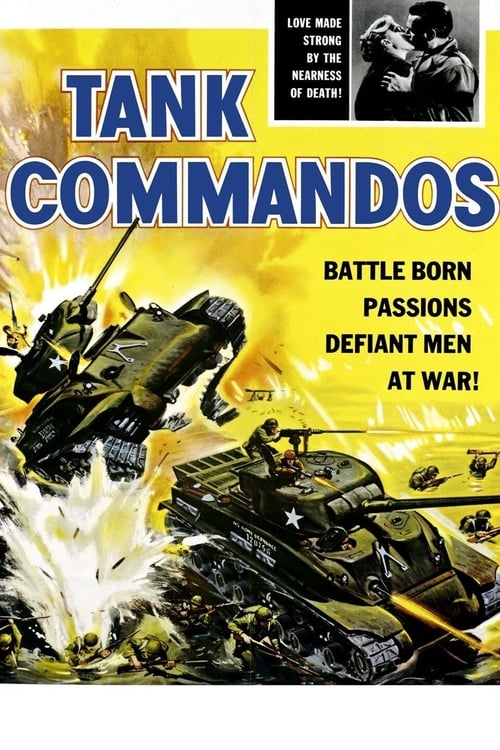
A demolition squad searches for how the Germans are getting tanks across a river. An Italian boy leads them to a bridge under the surface of the water.
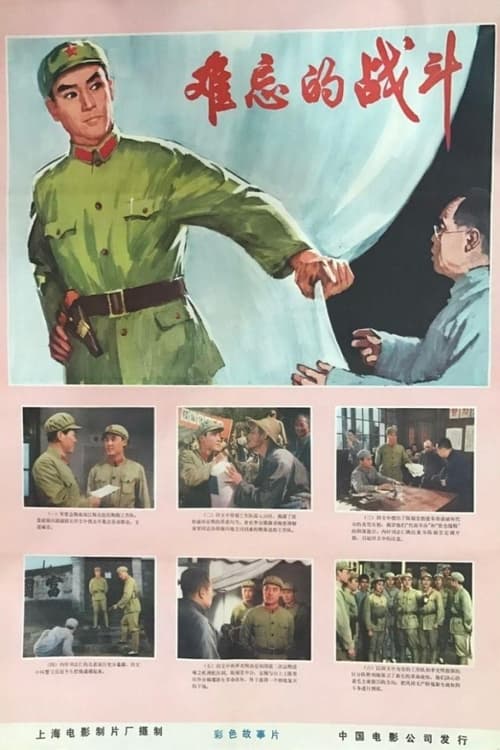
In 1949, as the country celebrates liberation, KMT agents are ploting.

Based on a true story of Polish submarine "Orzel" (The Eagle): September 1939, "Orzel" is coming to Estonian neutral harbor in Tallin. Under pressure from Germany Estonians have intern the ship. Commander Grabinski decides to escape to England through the Baltic Sea, without any maps that has been confiscated and with only small amount of fuel on board.
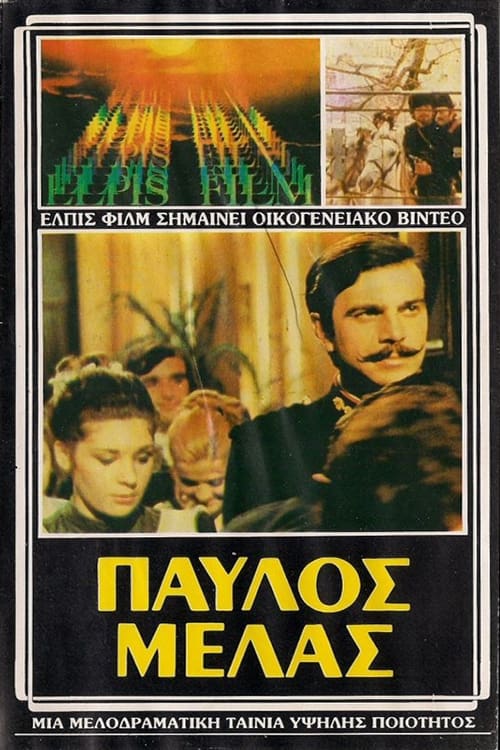
The military action of a Greek officer, Pavlos Melas, for the liberation of Macedonia from the Turks and Bulgarians. A story stick to the facts for the heroism and sacrifice of the Greeks. Pavlos Melas is the symbol of the struggle for the independence of Macedonia in Greece.
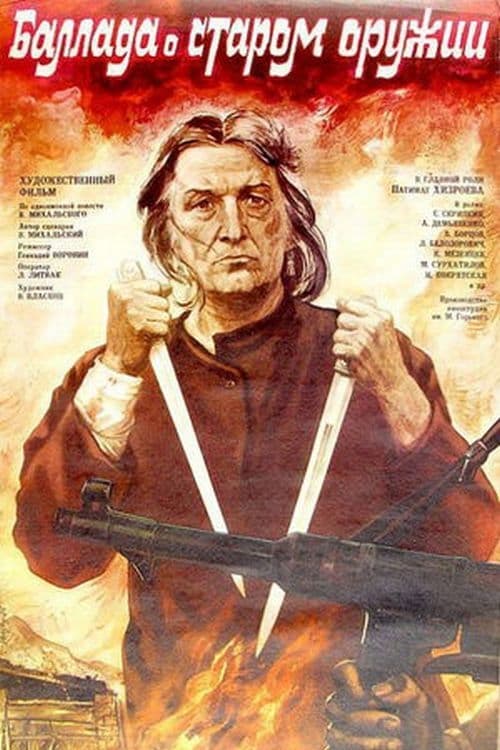
An old woman from Caucasian Mountains goes to the front line do give her sons weapons of their ancestors.