Protocol Archives • Browse all War titles in HD

A group of war photographers, trudge through a barrage of explosions, searching for the perfect shot.
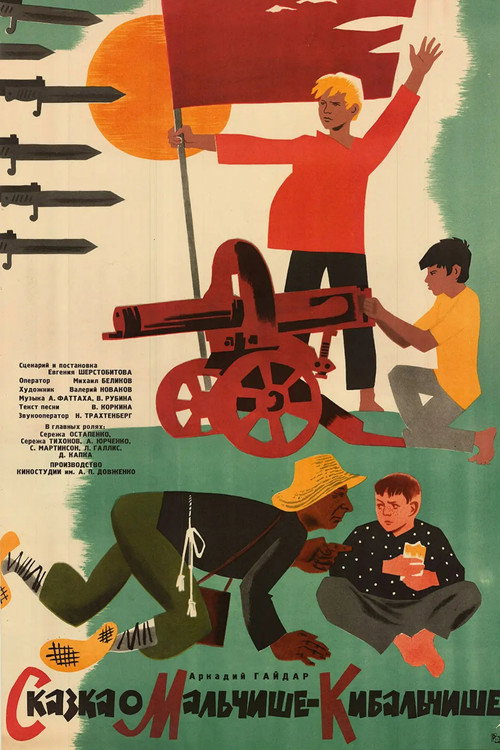
The story is about a brave boy who never takes off his hat.

The real story of a Yakut IT entrepreneur who volunteered to participate in Russian invasion of Ukraine.

An unlikely couple - a Polish concentration camp inmate and a young German girl - stick together and try to survive the RAF bombing of Dresden in February 1945.

Melodrama set in South Vietnam in the 1960s. Krueger (Bramhall), a former infantry lieutenant, is imprisoned at Quai Dong, on the South China Sea, for refusing to fight. After a year at hard labor, he is told to use his Vietnamese language skills to question a Viet Cong suspect. The prisoner is drugged and tortured during the interrogation. Krueger eventually stops the torture by pretending that the prisoner has disclosed the location of a supply dump.

The film is based on a true story. It talks about the end of War and defeat of forces and the relation between Kurds and Arabs by the end of 1991.
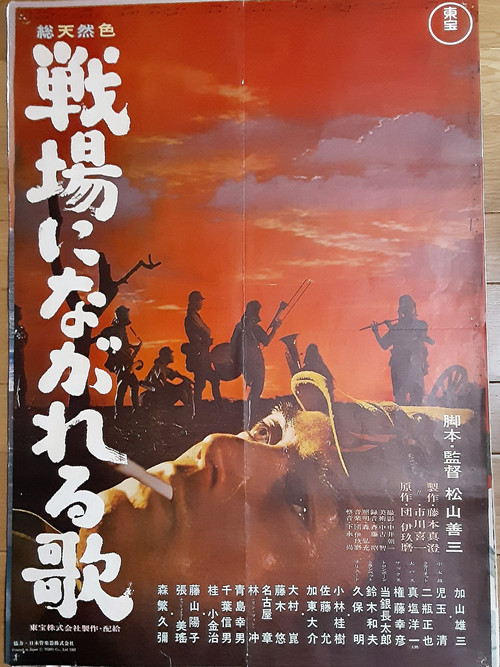
Near the end of the war, a number of young Japanese join an army band hoping to avoid the front lines, but instead are sent to the Chinese Front.

Hitler escapes the war to London, where he lives as Mrs. Meitlemeihr.
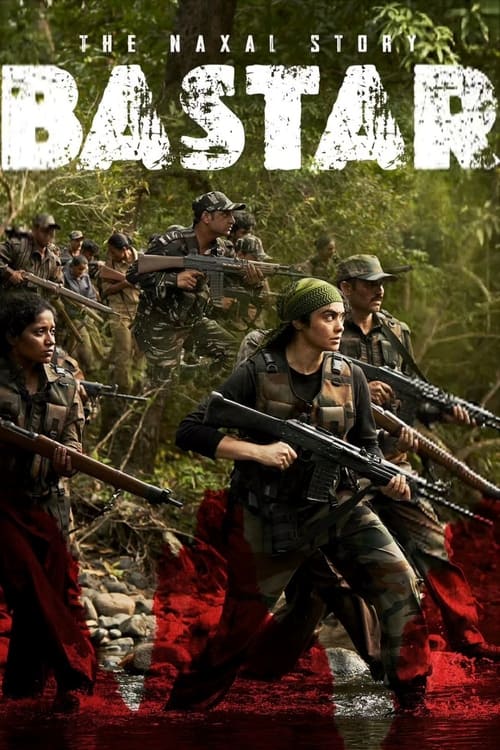
Based on the Naxalite–Maoist insurgency in the Bastar district of Chhattisgarh, an army officer leads a mission to eradicate a group of Maoist separatist insurgents responsible for the massacre of a military troop.
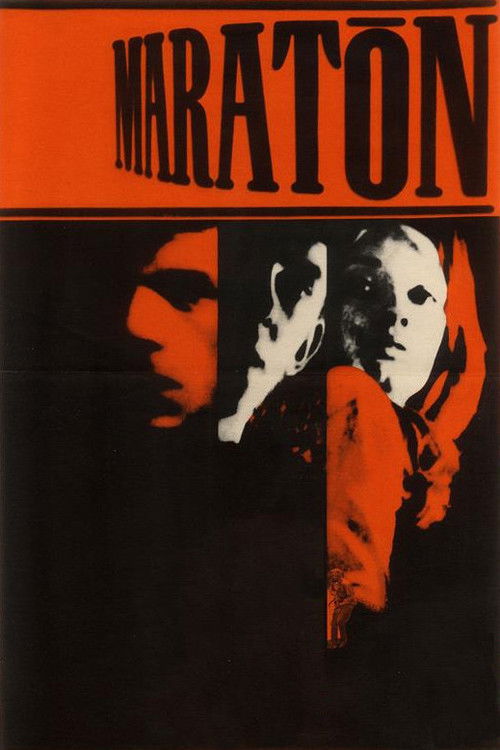
It is 5 May 1945 and the uprising against the hated German occupiers has broken out in Prague. The Czech guards open the gate of the Pankrác prison to allow the prisoners to escape en masse. Many of them are shot dead by the German guards but young Ruda (Jaromír Hanzlík) manages to run away. He is taken care of by one of the Prague fighters, concierge Kytka. Kytka hides him in the flat of the house's owner where only the young maid Karla (Jana Brejchová) is left, ordering her to take care of Ruda.
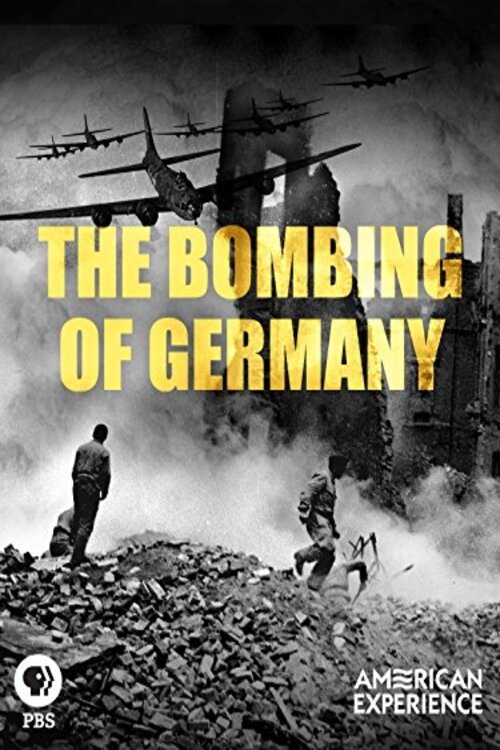
On September 1, 1939 the first day of World War II in Europe President Franklin D. Roosevelt appealed to the warring nations to under no circumstances undertake the bombardment from the air of civilian populations. Just six years later, British and American Allied forces had carried out a bombing campaign of unprecedented might over Germany s cities, claiming the lives of nearly half a million civilians. The Bombing of Germany examines the defining moments of the offensive that led the U.S. across a moral divide. Weaving together interviews with WWII pilots and historians, and stunning archival footage of the bombing and its aftermath, this AMERICAN EXPERIENCE film is a haunting reminder of the dilemma imposed by war's civilian casualties.

March 1944. Rome is under Nazi occupation. Elena and a group of young partisans decide to rebel.

On their journey West, Captain von Stock and his battle group are arrive in a small village located not far from a strategically important river crossing. The village is frequented by a constant stream of refugees fleeing the advancing Soviet army.
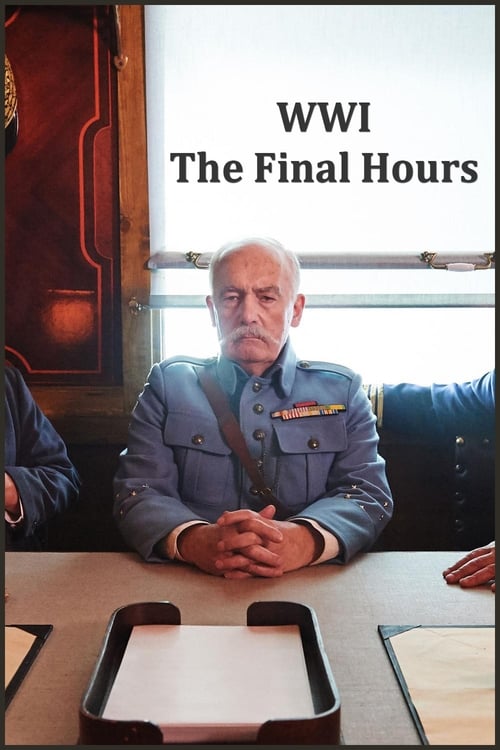
The final hours/days, events and people leading up to the end of WWI.

Post-war Yokosuka, Kanagawa Prefecture. Adults who are swayed by the US military stationed in the country and swayed by US intentions cannot afford to care about children who should be protected. The war orphans, who had no choice but to survive on their own, were used to shining shoes for American soldiers, picking up cigarettes, and sometimes committing crimes. However, at some point, they came across a "cleaning" job. They work hard instead of committing crimes and earn money by being appreciated by people. The orphans begin to regain their smiles through experiences that make them feel like they should be alive. The children started to have a modest dream of "renting a house and living" with their own earnings, but they were attacked by an even harsher reality...
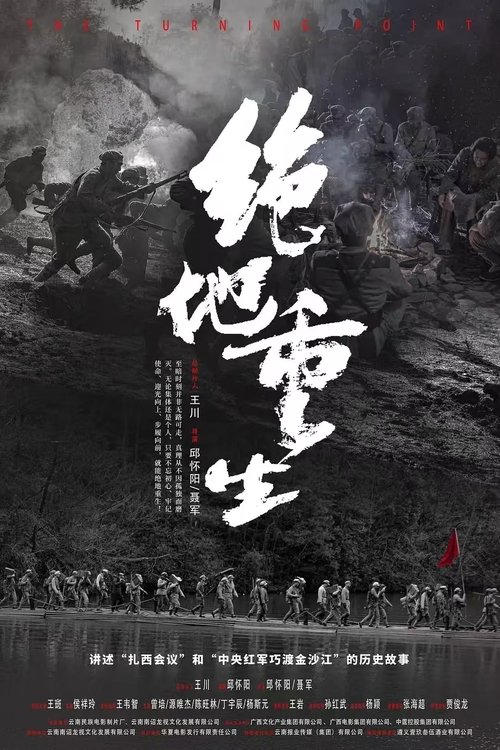
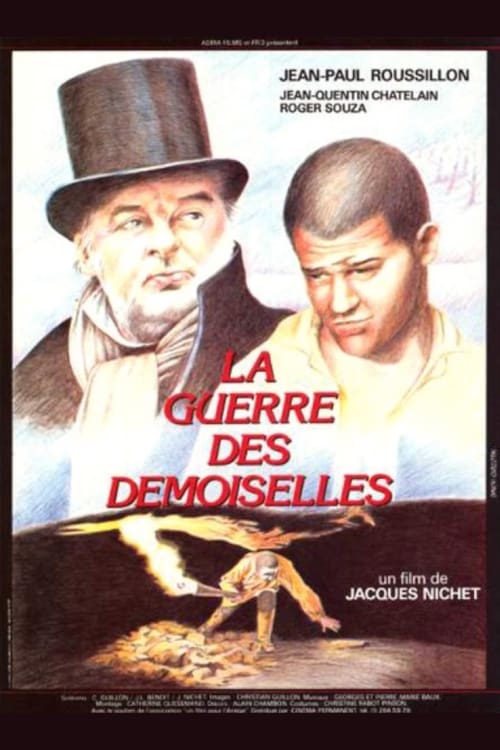
A film about the rebellion that took place in the French department of Ariège from 1829 to 1832, and continued in a less intense fashion until 1872.
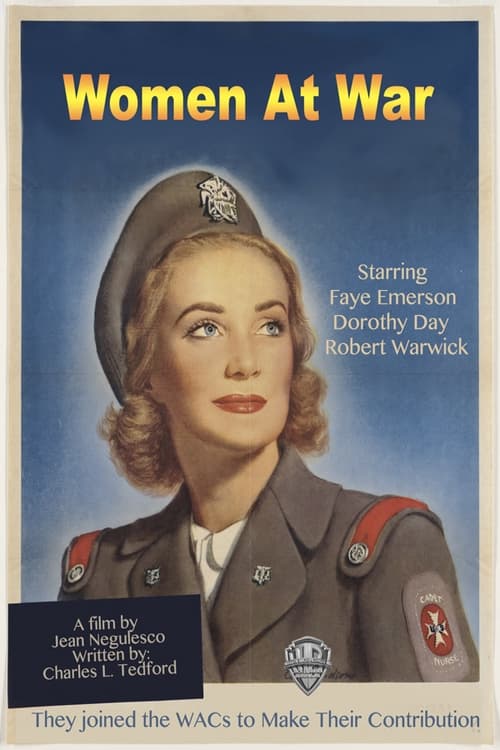
Three young women arrive at the Women's Army Corps facility in Fort Des Moines for varied reasons and with different goals. Mary Savage is a war widow who wants to become an officer, farm girl Stormy Hart wants to become involved in motor transport, and Lorna Travis seeks to win the approval of her father, a major general, who has very chauvinist views on the role of women in the military. Intensive training and guidance prepares the three to make a contribution to the success of the upcoming war games conducted by General Travis and validate the value of the WACS to the war effort.
Filmmaker Norman Lee’s searing 1934 documentary is a true testament to what soldiers endure during their time with the armed forces. Understanding that the public’s knowledge of wartime experience was limited to newsreels and photographs, Lee complements such footage with first-hand accounts and footage to help audiences better understand and sympathize with the brutal realities of war. From leaving families and loved ones to fighting on the battlefield and risking lives, nearly each personal facet is explored and discussed in Lee’s powerful testament. This film was probably either inspired by, or the inspiration for, Samuel Cummins' production of the same title (q.v.)
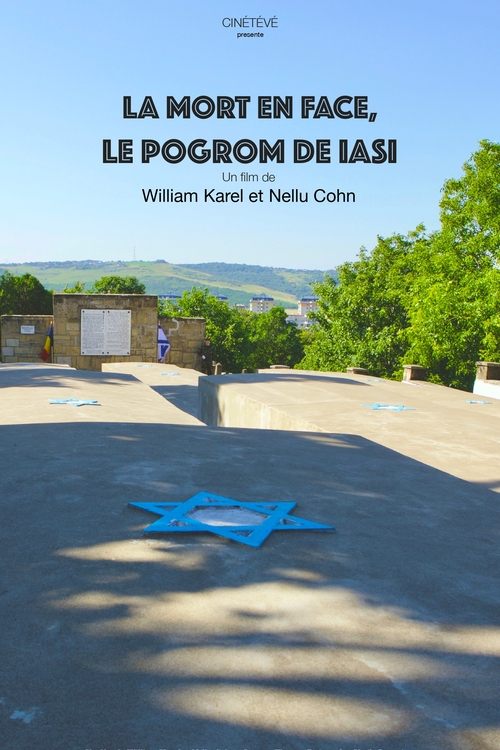
In Iasi, Romania, from June 28 to July 6, 1941, nearly 15 000 Jews were murdered in the course of a horrifying pogrom. At the time, the programmed extermination of European Jews had not yet began. After the war, the successive communist governments did all they could to ensure the Iasi pogrom would be forgotten. It was not until November of 2004 that Romania recognized for the first time its direct responsibility in the pogrom. All that remains of this massacre are about a hundred photographs taken as souvenirs by german and romanian soldiers, and a few remaining survivors.