Protocol Archives • Browse all War titles in HD
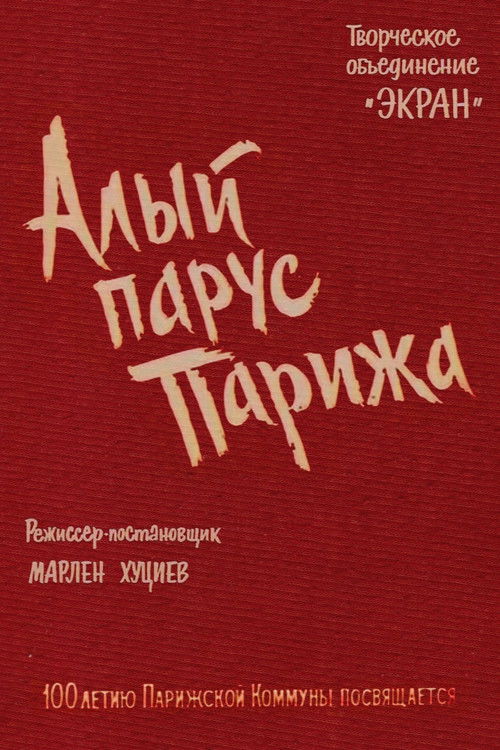
Virtually unseen since its Soviet television broadcast in 1971, the film, Peter Rollberg writes, is “devoted to the anniversary of the Paris commune, mixing historical footage with images of present-day Paris.”

On August 1, 1944, Warsaw holds its breath as Home Army couriers spread word that “W-hour” is at 17:00. A platoon under “Czarny” must assault German barracks without the expected backup—an order they follow at the risk of collective suicide.

Frederic, after having announced sadly and wistfully at Catherine, goes to war.He's wounded in the war, so he has to go to the hospital where Catherine, as a nurse, can heal him.
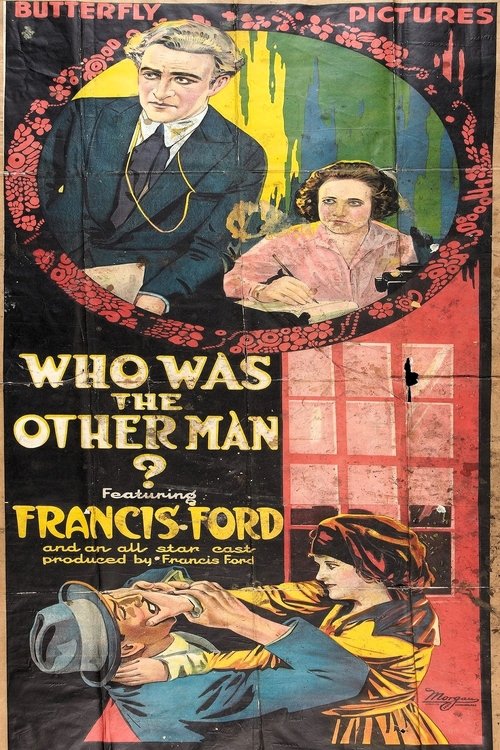
While waiting in a hotel lobby for instructions from his government, Ludwig Schumann, an agent of the Black Legion, is enchanted by Marion Washburn, the daughter of a Texas senator. As he is about to speak to the girl, Schumann is stunned to see a young American enter who could be his double. The American is James Walbert, whom Schumann's contact mistakes for the agent. The contact passes to Walbert a photograph of a woman spy, Wanda Bartell, whom the agent is to meet aboard a steamer. Walbert realizes the mistake and determines to protect his country.

Frivolous Jasmine Grenfel is torn between the bold Rudyard Byng and the reserved Ian Stafford. Impulsively she marries Byng with the rejected Stafford leaving for South Africa. He proves to be a poor husband, and much heartache follows but when war breaks out Rudyard distinguishes himself in the field, recovering from his former dissipation and the couple are reunited.

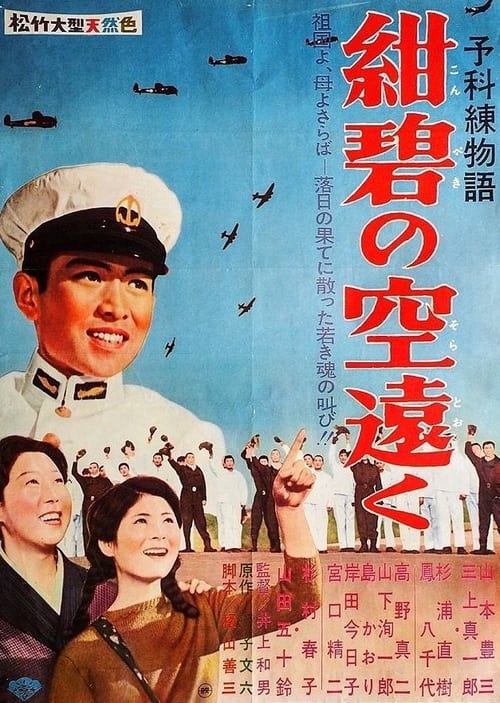
A story of an ardent young man who laid down his life for his country.
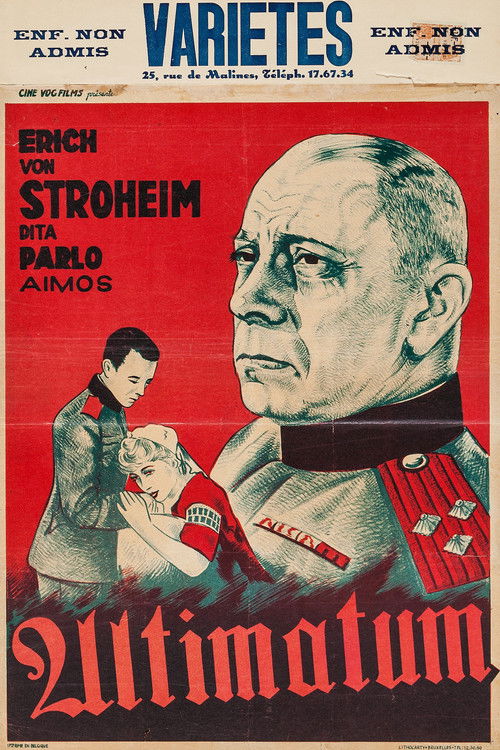
About the assassination of Archduke Franz Ferdinand and the beginning of the First World War. Focuses on the relationship between a Serbian officer and his Austrian-born wife and their involvement in espionage between the countries.
A group of mercenaries escort a man with a million dollar bounty on his head across the African terrain. Double crosses, back stabbing, and gunfire follows.

The story of a Russian family living and dying through four wars: the Russian Civil War in 1920, the Great Patriotic War in 1942, the First Chechen War in 1996, and the Russian military invasion in Ukraine in 2017.
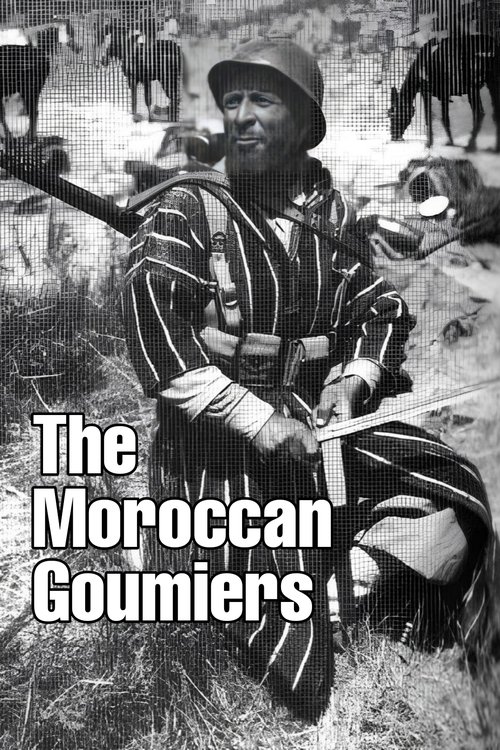
This film recounts through archival documents and eyewitness accounts, the history of "The Moroccan Goumiers" during the two world wars and the Indo-china war. A story that starts from the beginning of the French protectorate in Morocco.
Unflinching and deeply personal, D-Day In 14 Stories interviews many of the last surviving veterans who were on the beaches of Normandy that fateful day 75 years ago (a rare spectrum of Allies and Axis); seldom-heard voices, including a female Resistance fighter, an African American, a Native American, Jewish Americans and a 5-year old French boy.
Having fled from the Crimea, Wrangel, having concentrated his army on the Bulgarian coast, is preparing a landing force and counts only on the support of the counter-revolutionary underground hiding in Rostov. Captain Filatov falls into the hands of the Red Army soldiers, who is "arranged" to escape with the help of Chekist Bakharev. Filatov, together with his "savior", finds himself at the center of a secret organization preparing a senseless rebellion.
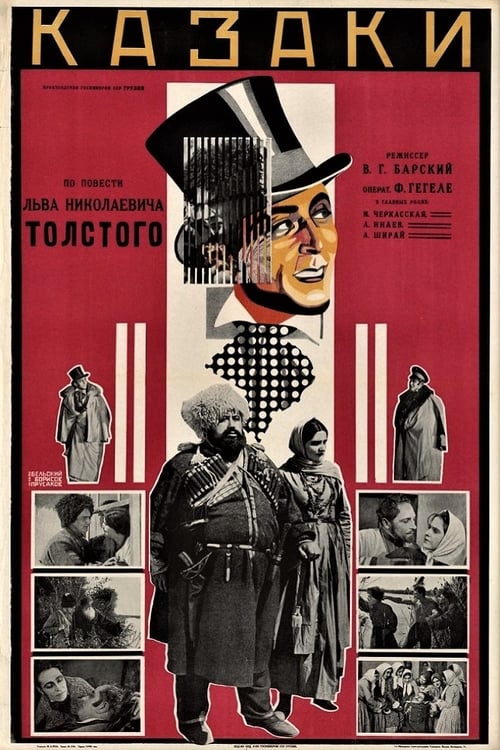
Yunker Olenin, a representative of St. Petersburg's "golden youth," travels to the Caucasus in search of romance. His regiment is stationed in a Cossack village. There he falls in love with the beautiful Marina and even decides to marry her, not yet knowing that she loves the Cossack Lukashka and would never trade him for a lord.
Fajer is telling us her family story during the Iraqi invasion of Kuwait in 1990
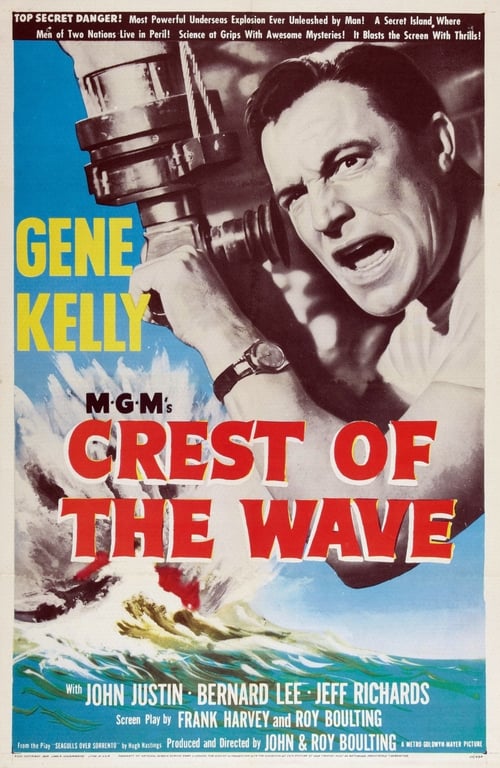
A Navy lieutenant is borrowed by the British to supervise torpedo experiments after one of their scientists is killed.
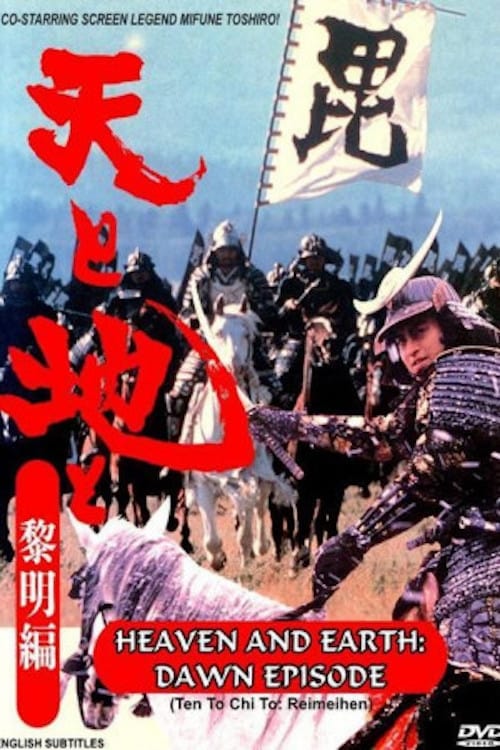
Some of the greatest battles during the Age of Civil Wars were fought between the Uesugi and Takeda clans. Leading up to them was the incredible life of Uesugi Kenshin, who rose from a son out of favor with his...
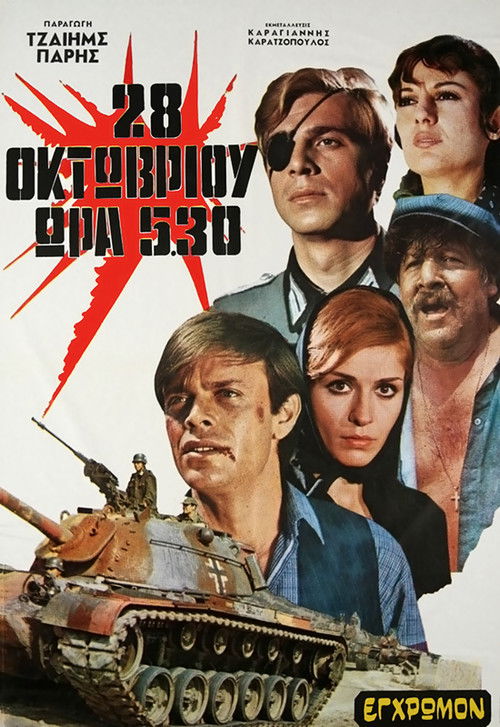
After the Albanian war, the Kyriakos Platanias xanagyrnaei in the village, his little white, but with many badges and mutilated legs. The father of the delight that was always proud of his son could not bear the situation and resort to drink. Soon, the little white occupy the Germans led by Willy Knut, who behave like the inhabitants of servants. The new slavery is not prepared to accept the delight ...

A Russian family, the Turkeltaubs, emigrates to the US before the Communist revolution that overthrew the Czar. One of their twin sons, Schulke, disappears and is believed dead before they leave. After they settle into their new country, the family does well: the surviving twin, Nicholai, becomes a crusading District Attorney. One of the cases he is assigned to prosecute is that of small-time gangster Jacob Talinef, who has killed a former girlfriend of Nicholai's. Further investigation of the case, though, reveals a shocking secret.