Protocol Archives • Browse all War titles in HD
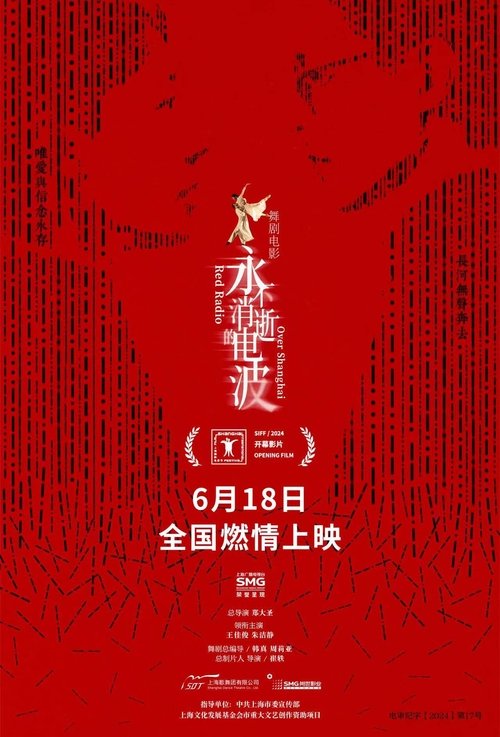
The story of "Electric Wave" takes place on the eve of the liberation of Shanghai, and is based on the true story of the martyr Li Bai. It is a city card born from the red genes of Shanghai. There is no dialogue in the dance drama film, and the emotional explosion is vividly expressed through the body, conveying the strong love between the two through their dance, eyes, and body movements. The emotional struggle and compromise, as well as the mutual empathy between them, are more intense and lasting than any line of dialogue. The film is adapted from the original dance drama of the same name.

Centers on three French “camoufleurs,” civilian artists turned battlefield illusionists, who find themselves trapped behind enemy lines. Their only chance at survival lies in outsmarting a devastating new enemy: the German flamethrower incinerating everything in its path.

Interviews with five former American soldiers who were present at the March 16, 1968 attack on the village of My Lai during the Vietnam War; they discuss the orders that were issued leading up to the attack, their expectations of what they would find there, and the subsequent massacre of the inhabitants and destruction of the village, as well as possible motivations for the killings and rapes which took place. Preserved by the Academy Film Archive in 2002.

Congresswoman Jackie Speier explains her approach to protecting victims of sexual assault within the military. Her goal is to take prosecuting powers out of the inner ranks and put it into the hands of properly trained detectives.
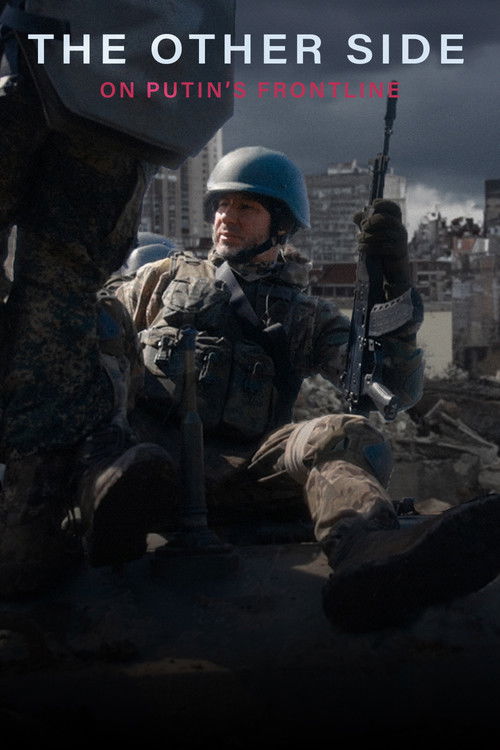
The documentary follows filmmaker Sean Langan's journey into the invader’s Russian side of the war in Eastern Ukraine. Sean heads into the Russian-occupied Donbas region to find out through the eyes of soldiers on the Eastern front and civilians coping with war in the streets how the conflict is affecting them.
A two-part television film based on the novel of the same name by Rudolf Jašík, depicting a realistic picture of life and interpersonal relationships during World War II in the mixed Slovak-German environment of the town of Pravna and the nearby village of Planice, as well as life and relationships between soldiers on the Eastern Front. From this perspective, the plot follows a unit of Slovak soldiers, their realisation that they are fighting for foreign interests, their dissatisfaction and distrust of everything, especially their officers.

Military service in Israel is compulsive for all able-bodied Jewish men and women. Once their years of service is up they are granted a bonus which many use to travel to India to wind down and recover from their experiences. About 90% of them will use drugs during their travels and every year about two thousand of them will require professional help to recover from this drug use. The extreme psychotic break these people experience is commonly referred to as "flipping out".


The first Iraqi film influenced by the Italian neorealism film movement, characterized by stories set amongst the poor and the working class. The plot revolves around a devoted husband deeply in love with his ailing wife, rushing her to the hospital in the late hours of the night. Seeking urgent medical attention, he pleads with the on-call doctor to treat her. However, faced with a negative response from the doctor, the husband, overcome with anger and desperation, unleashes a furious attack, tragically leading to the doctor's demise.

Propaganda film released in 1915.


Sundri is based on a novel by the same name - Sundri by the famous Punjabi writer, Bhai Vir Singh (1872-1957). It is based on a popular folk song of the Punjab and is set in the historical period of Mir Manu that is notorious for large scale massacre of the Sikhs during the period 1748-1753. Sundri is a symbolic representative of that period and the daring nature of the Khalsa people. The Mughal leadership was bent upon annihilating the Sikhs. The rulers were corrupt and engaged in the systematic forced conversion of the non-Muslim people. The management of the government was in the hands of Nawabs and bandit who were grossly unfair, discriminatory, lustful and tyrannical.

On the Eve of WW2, the royal government of Yugoslavia hid the national money inside the cave around village of Ozrinići in Montenegro. The locals discovered the heaps of money by accident, and soon begun to build new houses and buy the land. Unfortunately, the Italians occupied the country and burned their properties to ashes. Based on a true story.

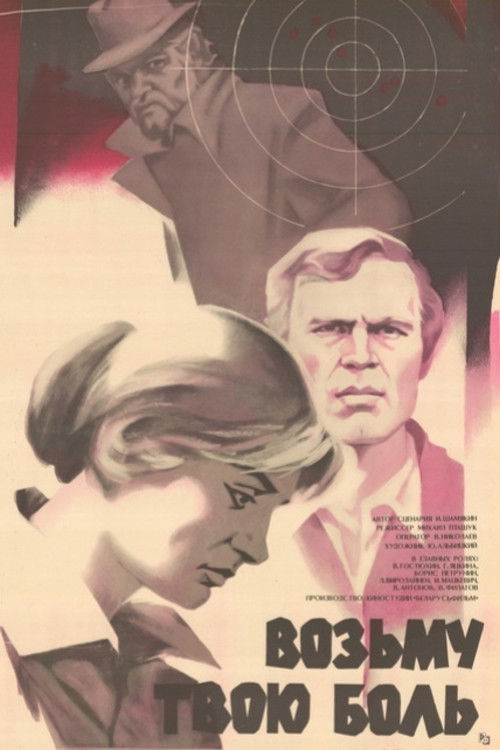
After a long prison sentence, former Nazi collaborator Shishkovich returns to the village, guilty of the deaths of his fellow villagers. Ivan, whose sister and mother were killed, cannot calmly accept his return.
On November 3, 1918, a group of Austro-Hungarian officers in a makeshift hospital of the Austro-Hungarian Army, somewhere in the Karawanks, is completely cut off from the outside world by persistent snowstorms. A machinist's mate manages to reach the trapped men and bring them the news that the war is lost and the monarchy will be divided. Initially, they plan to shoot him as a deserter. But when the news is confirmed, everyone wants to return to their homeland. For Colonel von Radosin, his world collapses, and he shoots himself.


Commander Dandar is falsely charged with treason and sent to live the rest of his life in war camp with the very enemies he once fought.