Protocol Archives • Browse all War titles in HD

During World War I, Louise, a French girl, refuses to leave her château after the invading Germans take it over for use as their headquarters. A German officer, Col. von Knorr, makes repeated advances on her, but she rebuffs him.
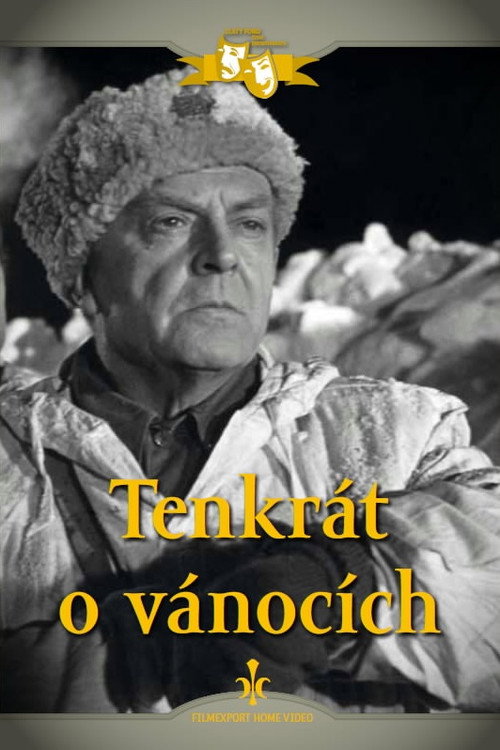
A Czechoslovak battalion, led by Captain Hloušek, conquers a Slovak mountain village two days before Christmas Eve 1944. Christmas and classical music is heard from nearby German positions. The soldiers get permission from their commanders to celebrate Christmas. The only one against is the austere second lieutenant Jílek, about whose past there are various rumours and whom the soldiers distrust. Captain Hloušek decides to reconnoitre the enemy positions, which, despite a minor incident, goes off without a hitch. The holiday of peace and tranquility can begin both with ours and the enemy...

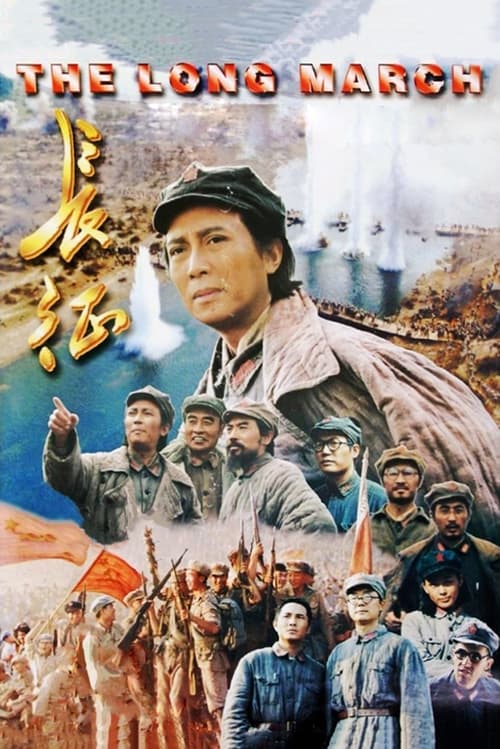
The Red Army breaks through the three defense lines by the Kuomintang and approaches the Xiangjiang River with the correct judgment and command by Mao Zedong,
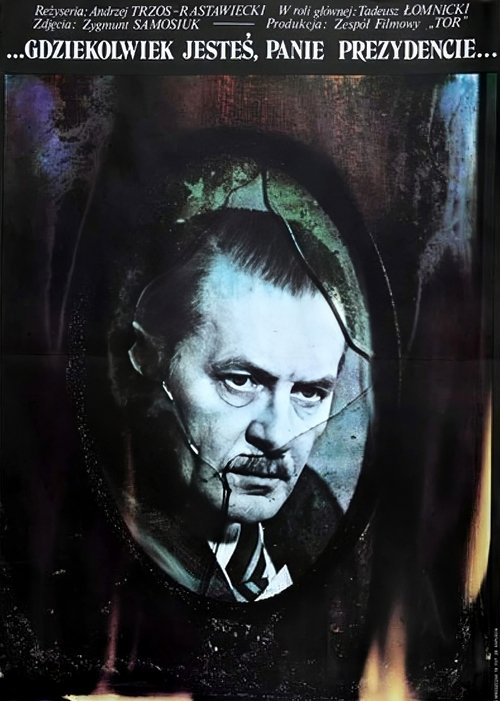
Stefan Starzyński, the mayor of Warsaw, organizes life in the capital in September 1939 and lift the inhabitants' spirits via radio announcements. After the surrender, he does not use his last chance to escape.
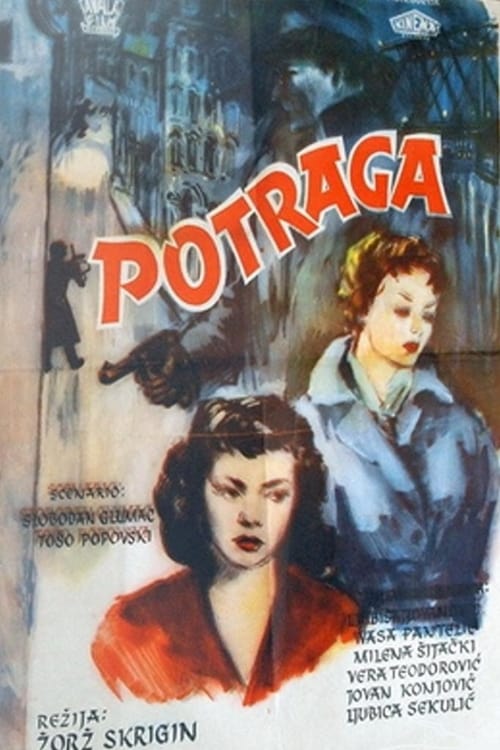
Jelena and dr Mirkovic realize that their relationship is not just fulfilling the party's task of better maintenance of the illegal press. When Mirkovic joined partisans, one of the illegal fighters didn't endure interrogation of the police and reveals the pressroom's location. Jelena manages to save herself and the press continues its work.
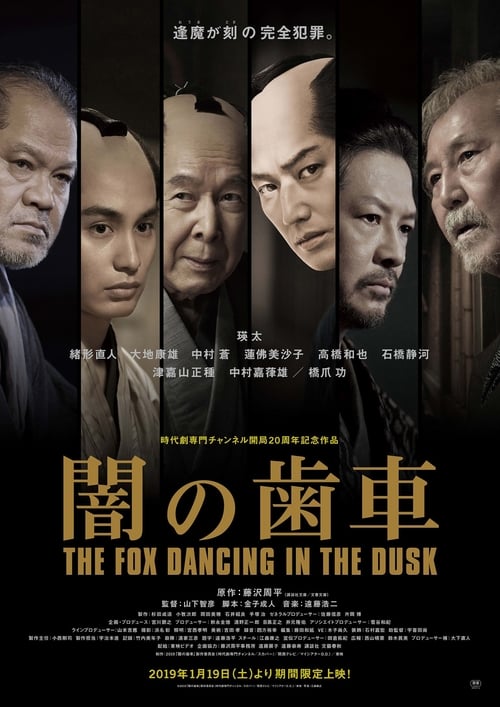

Hirayama Koichi and his wife Michiko eloped from Osaka to Okinawa, where they lived happily with their five children. When war erupts, their eldest son is drafted into the Imperial army. As fighting spreads, the family takes refuge far from the city, but soon, child after child is drafted to serve in various branches of the military and in organizations supporting the war cause. Koichi himself is faced with a moral dilemma when he is ordered to kill a wounded American soldier.
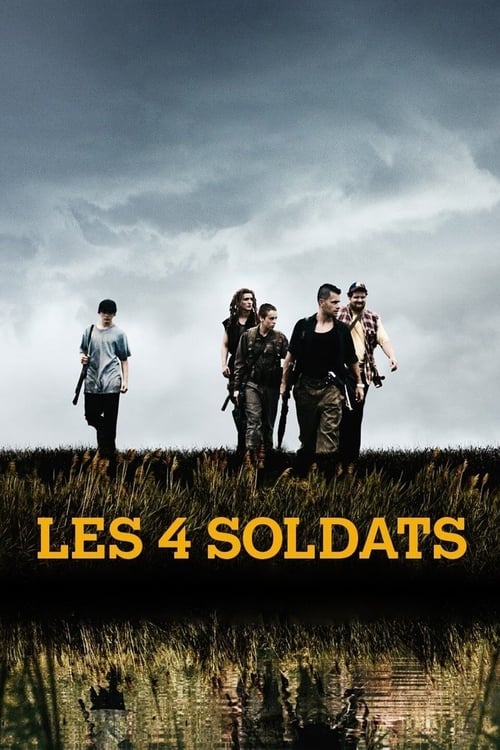
A climate of civil war, a fight that has made them lose everything including their youth, four soldiers aged 13 to 20 years, will meet and build friendships. In the grip of an adult conflict, which they do not understand, Matéo, Dominique, Big Max and Kevin will keep recreating, round a pond and a cabin, a family.

Italy, 1947. Attilio is a Fascist and disgraced former movie star. Out of desperation, he joins a band of robbers for a heist. After the robbery, Attilio and the robbers take refuge in a house that proves to be deadly.

A group of army deserters attempt to flee an unspecified war.
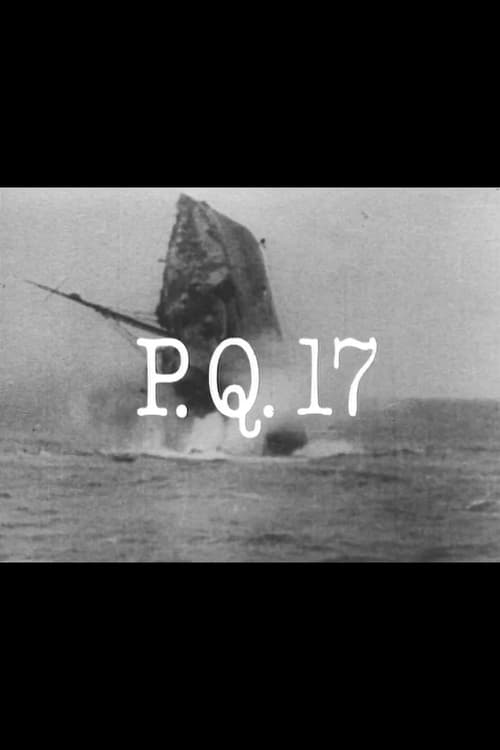
"That order to scatter was as good as a death sentence to those merchant ships. And there isn't one officer or rating who doesn't agree with me." A British Allied convoy designated for the Soviet Union comes under attack from German forces during World War II.
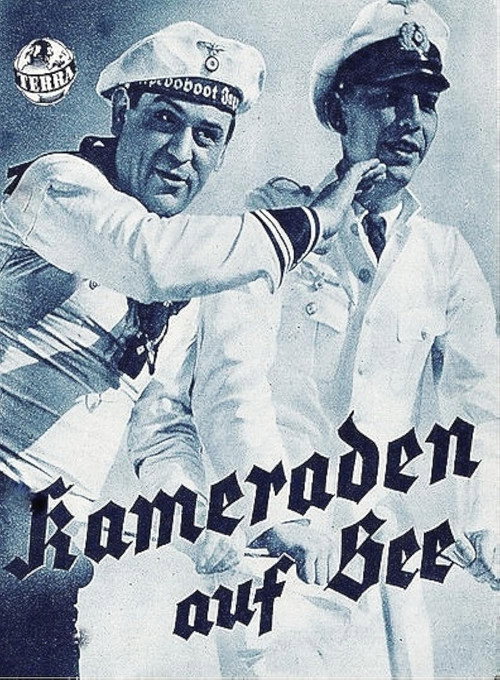
1936: Fahnrich Peter serves on a torpedo boat. Peter loves Carmita, the pretty sister of a fellow seaman. But then his superior officer falls in love with her, too, who offers to marry Carmita and who accepts. Disappointed, Peter's relationship to his superior turns sour, but eventually improves after recognition of his heroic behaviour handling a fire on board his ship. Later on, his unit is sent off to fight in Spain against the Reds. In those same waters, Carmita and her father are taken prisoner by the Communists when they commandeer their cruise ship. Peter's commander receives the order not to take action against the Spanish communist pirates, but Peter and his buddies take it upon themselves to take the situation in hand. However, Peter and his buddies find themselves prisoners of the Commies, too and now his superior must decide what to do about it.
This is the sole surviving motion picture of Unique Film (Shanghai), one of China's three major film companies in the 1930s. The young lovers in rural China are framed by their evil landlord. The man is sent to prison; the woman is forced to get married. She tries to seek revenge but is killed. When the man is released from prison, he joins the People's Volunteer Army but is killed in battle. The film was significant in its time. Runje Shaw had imported advanced American audio film equipment and technology in 1931, making this one of the first sound films in China. As one of Unique's few ‘progress' films, it also reflects that this ‘entertainment-only', apolitical film company, under the left-wing influences in society, also needed to make films with topics such as the war effort and that criticise the bourgeoisie. Struggle is a joint effort among the best of talents in front of and behind the camera, and is also the only surviving work of director Qiu Qixiang.
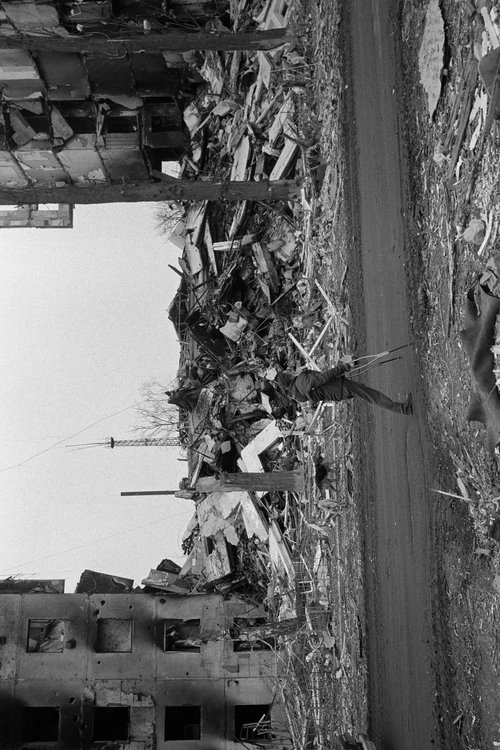
A documentary short with no narration, just the music by Anton Baibakov in the background, consisting of black and white photographs Olexandr Glyadelov took between 24.02.2022 and 31.05.2022 in Ukrainian cities - Kyiv, Bucha, Irpin, Borodyanka, Gostomel, Moshchun, Chernihiv, Kharkiv, Male Rohan, Chuhuiv, Zaporizhzhia, Kramatorsk.
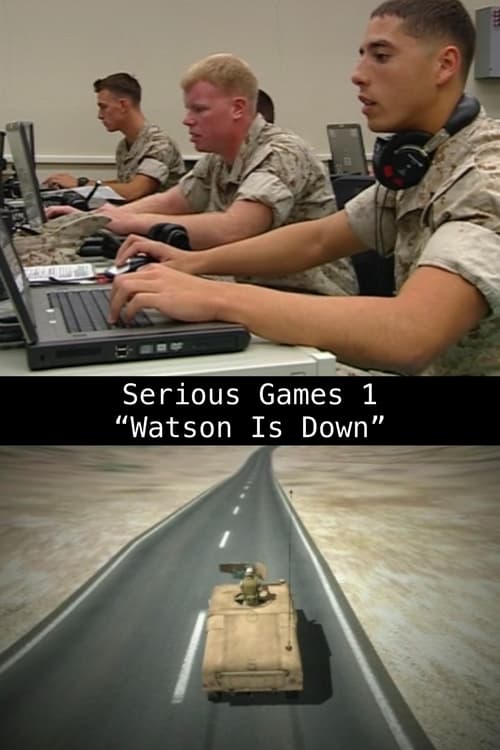
An exploration of how the U.S. military employs video game technology to train troops for war. Filmed at the United States Marine Corps Air Ground Combat Center, Watson is Down pairs footage of soldiers at computers engaging in combat-simulation training with scenes from the video games.
Melodramatic war drama by Francis Martin about a family of which the father died during the Great War. In the aftermath of the war his best friend watches over the woman and the child.

Documentary using archival footage, newsreels and contemporary interviews with women of the WW2 Australian Women's Land Army.
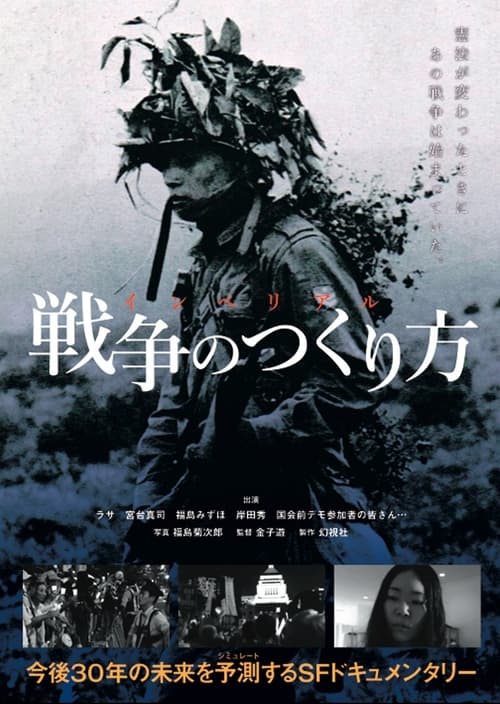
In the year 2045, after the re-militarization of Japan, conflict erupts in Korea, and Japan is destroyed in the ensuing nuclear war. A survivor uses an old computer in the "zone" to produce a documentary from photographs, interviews and newsreels, reconstucting the last 100 years of Japanese history