Protocol Archives • Browse all War & Politics titles in HD
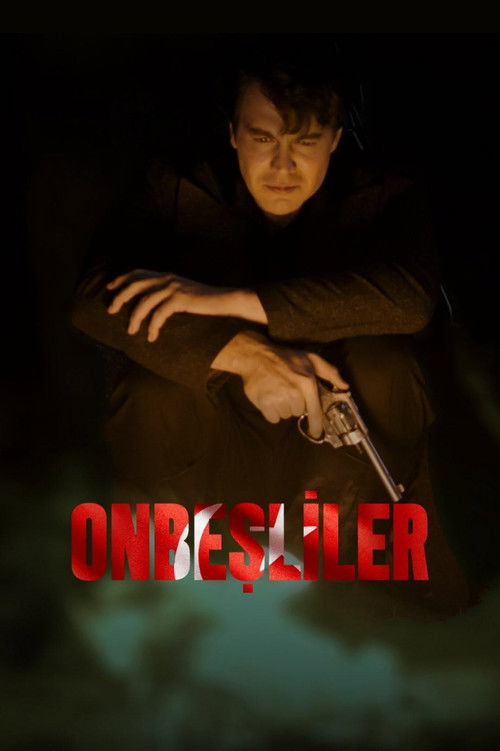
As World War I threatened the empire, Ottoman provinces were rife with internal enemies who saw the war as an opportunity. When Mehmet Sadık, a literature teacher, arrived at his new post in Tokat, a calm before the storm prevailed in the city. In Tokat, where the slightest disagreements escalated into major conflicts, patriotic young people mobilized to save first their city, then their homeland.
The Drum is an Australian current affairs and news analysis program which appears on ABC News 24 weekdays at 6:05pm. The program is presented by Steve Cannane. It was formerly hosted by Chris Uhlmann and has been hosted by Annabel Crabb. The main fill in hosts are Peter Lloyd, Tim Palmer and Peter Wilkins. The program follows on from The Drum website which offers blogs and discussions from various commentators. Regular contributors include Annabel Crabb, Barrie Cassidy, Leigh Sales, Jonathan Green, Michael Brissenden, Alan Kohler, Madonna King, Antony Green, Ben Knight, Dominic Knight, Craig Murtrie, Rhys Muldoon and Jeff Waters. In addition there have been many more guest contributors.
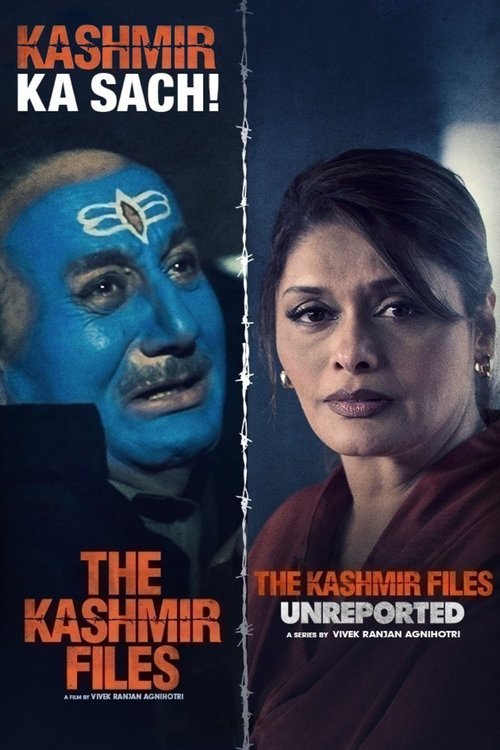
The series captures the story of Kashmir, highlighting the events leading up to the mass exodus of Kashmiri Pandits in the 90s, the abrogation of Article 370, and its impact on the former state.
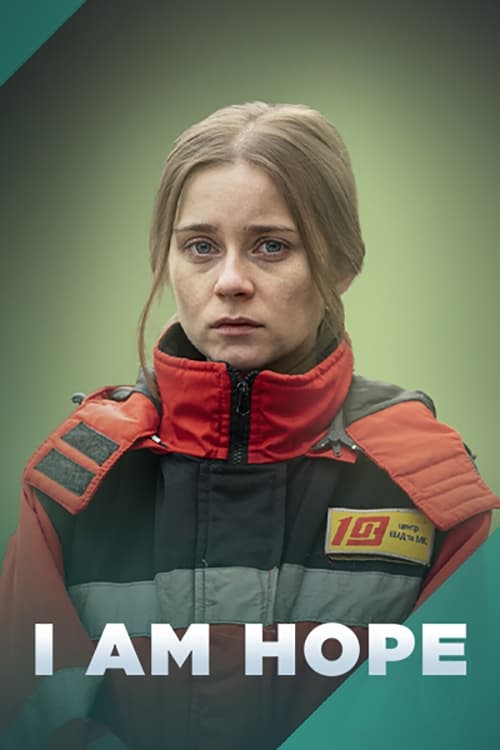
The first war drama series the Ukrainian TV channel 2+2 which was filmed during a full-scale war in Ukraine. The lead characters are the emergency paramedics, who were rescuing people of their city under continuous shelling and bombing

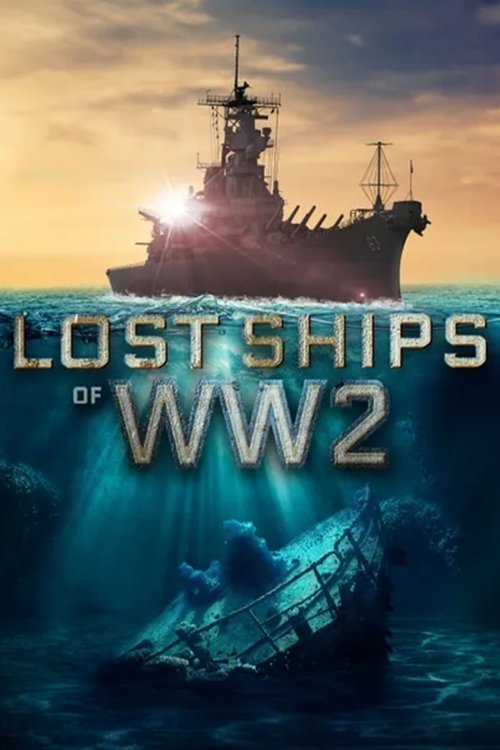
Rob Kraft and his team aboard the research vessel Petrel are in search of the most iconic ships of WW2. Using some of the world's most high-tech equipment, their spectacular discoveries can now be seen for the first time in 80 years.

Dendam Nyi Pelet
The Greco-Persian War was pivotal in the creation of the modern world - yet all that is generally remembered are the 300 Spartans at Thermopylae. This documentary examines the whole history, from the Ionian Revolt (497BC) to the Peace of Callias (449BC), and also covers the legacies of the war - including Democracy.
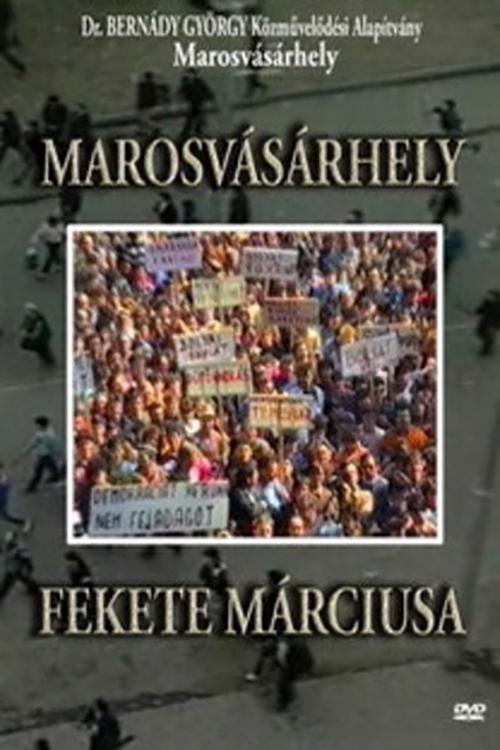
The series covers the events of the ethnic clashes in Târgu Mures after the fall of the communist regime. The author has arranged the written and film material collected by the Dr. Bernády György Foundation in chronological order. The archival photos showing the important events of the five days, the moments that created the revolutionary atmosphere, are complemented by the recollections of Hungarians and Romanians, and official statements.
The decline of Hitler’s empire from the inside out by exploring the decline of the Nazis through the perspective of Hitler's bumbling generals and a paranoid Fuhrer.