Protocol Archives • Browse all War & Politics titles in HD
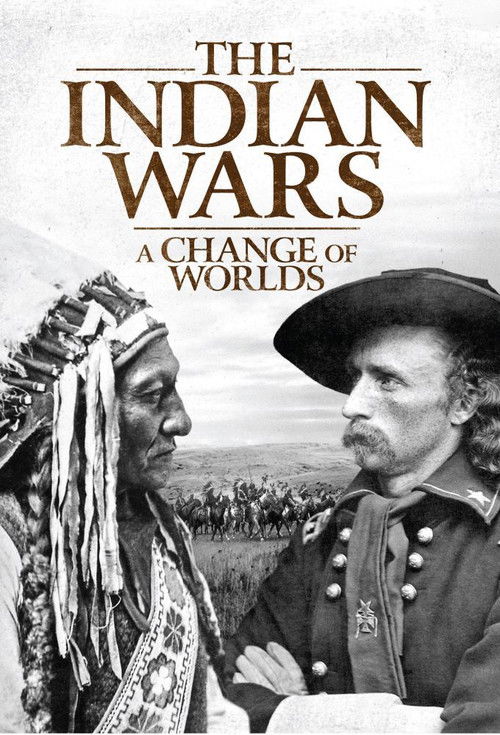
The year 1540 was a crucial turning point in American history. The Great Indian Wars were incited by Francisco Vazquez de Coronado when his expedition to the Great Plains launched the inevitable 350-year struggle between the white man and the American Indians. From that point forward, the series of battles between the military and civilian forces of the United States and the native American Indians began when blood was shed and ultimately tens of thousands of lives were lost on both sides. The Battle of Tippicanoe, the Battle of Horseshoe Band, all three Seminole Wars and the Battle of Little Big Horn were some of the most important conflicts that led up to the last massacre, the Battle of Wounded Knee, where America's landscape would be forever changed!


Written and presented by Martin Gilbert, Sir Winston Churchill's official biographer and the author of Churchill: A Life, The Complete Churchill is a treasury of rare newsreel clips and interviews with Churchill's family, staff, and political contemporaries, both the supporters and the detractors.
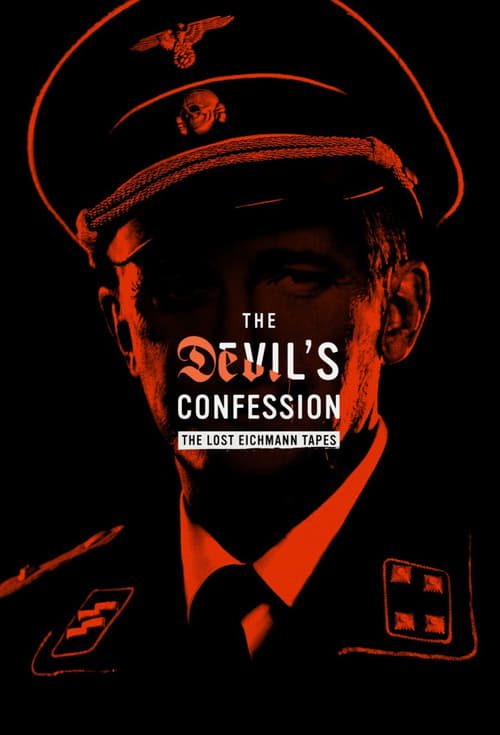
After the World War II, architect of the Final Solution, Adolf Eichmann, fled to Argentina. While in hiding, he did a series of taped interviews detailing his role in Nazi atrocities. Now, for the first time ever we can hear The Devil's Confession.
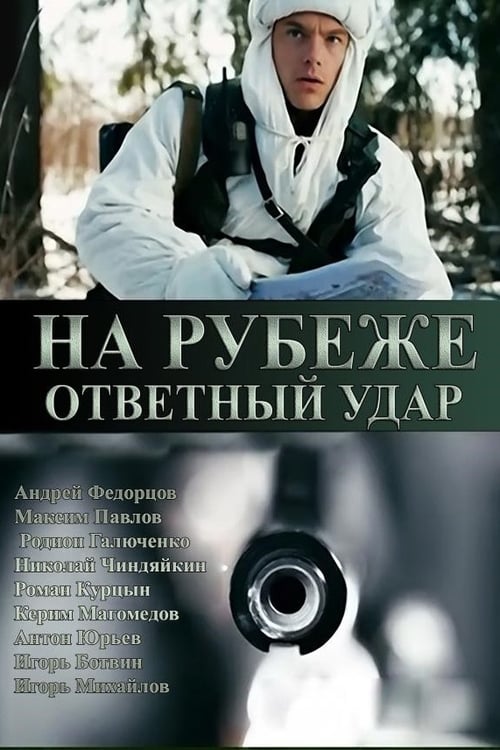
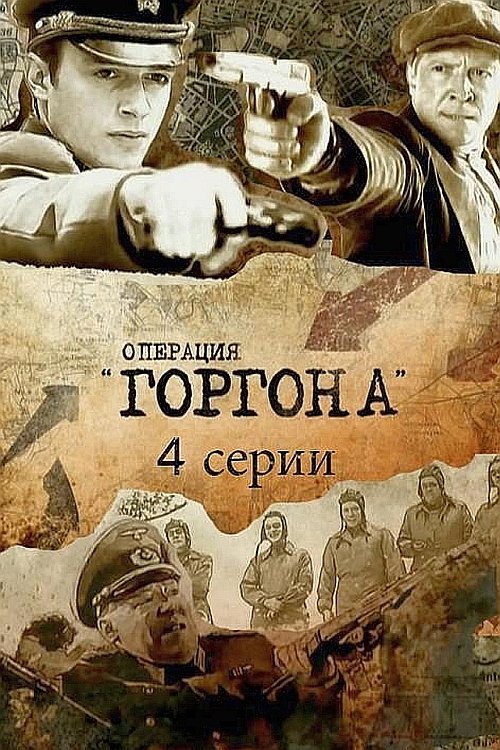
The Battle of Stalingrad ended. The Soviet Army is preparing a large-scale Belarusian strategic offensive operation codenamed "Bagration". A week before the start of the operation, it becomes known that the Germans have mined all the approaches to the city of N. Roads, bridges, forests are mined. They have created entire minefields. The city itself is totally mined. Civilians may suffer. An experienced scout Tishkov is called to the army headquarters. Fyodor Tishkov, a former circus performer who once performed with power numbers, receives a new task.
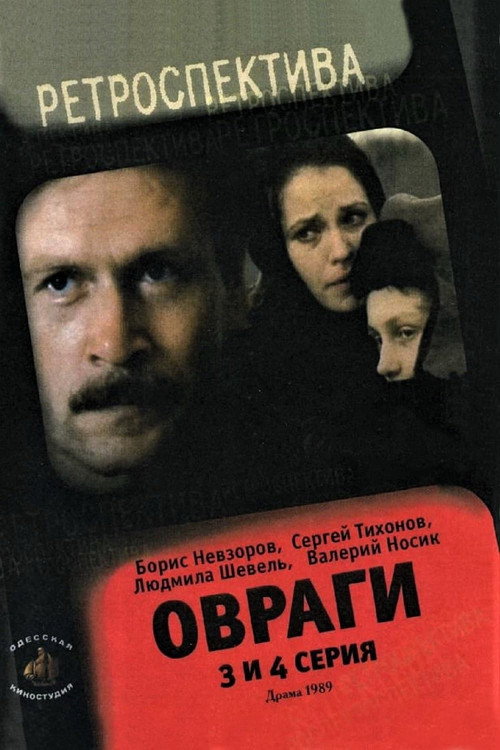
Communist Ivan Platonov is actively involved in the collectivization of his native land, even the death of his wife does not stop him. One by one, rebellions of discontented peasants break out. Platonov's propaganda work takes on a different quality, the hero takes up arms and is not afraid of death.
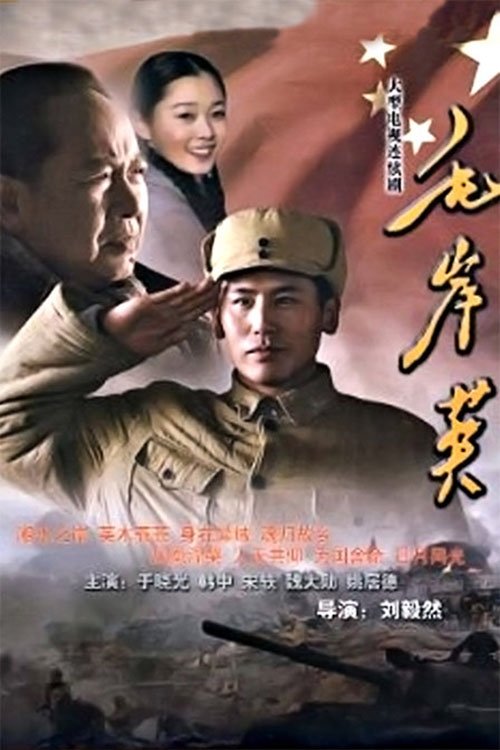
Mao Anying, the son of Mao Zedong, focuses on his deep family ties, devotion to China’s liberation, and his noble internationalist spirit while honoring the ideals of early Communist revolutionaries.
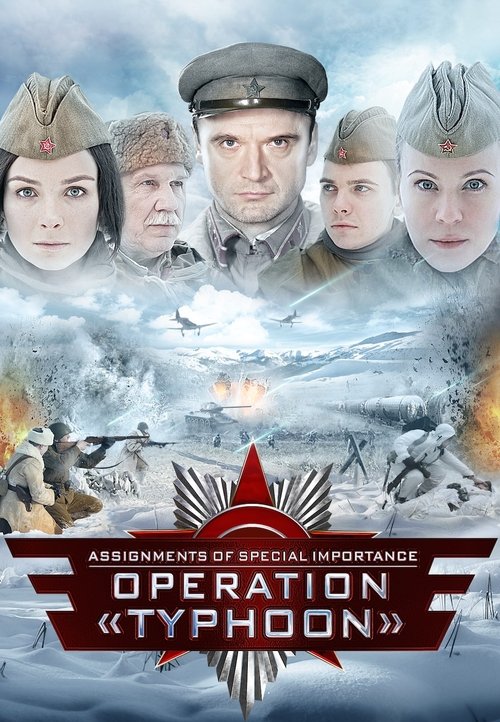
A group of Soviet spies performs missions of special importance during World War II.
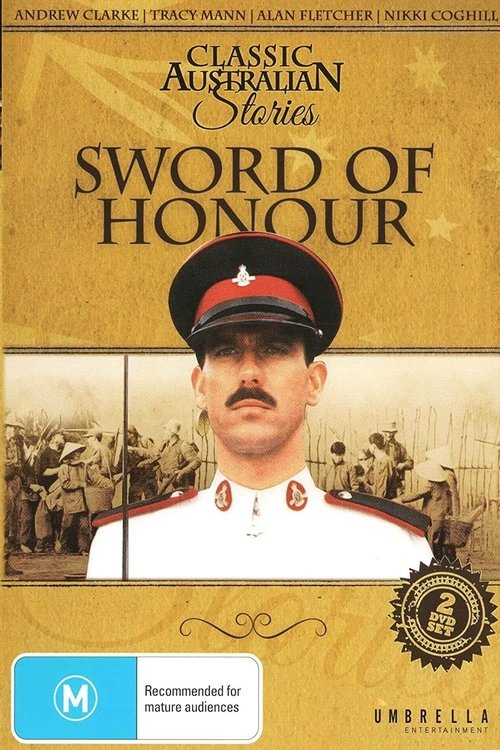
Capturing the spirit of the age and the turmoil of the times, Sword of Honour tells the heartbreaking story of a nation at war, the soldiers who left their families to fight, the social upheaval and the emotionally perilous journey back home.
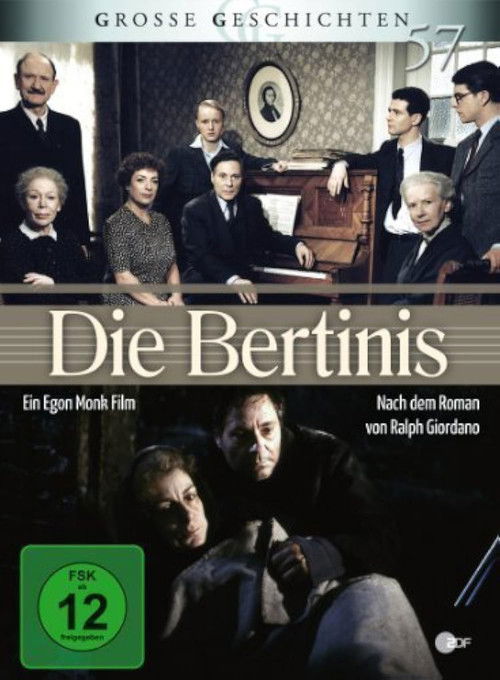
The story of the life and survival of a half-Jewish family in Germany from 1882 to 1945. The focus is on the family of the failed pianist and conductor Alf Bertini and his Jewish wife Lea Lehmberg. They live in poor conditions in Hamburg and fight to give their children a better life until Hitler seizes power.
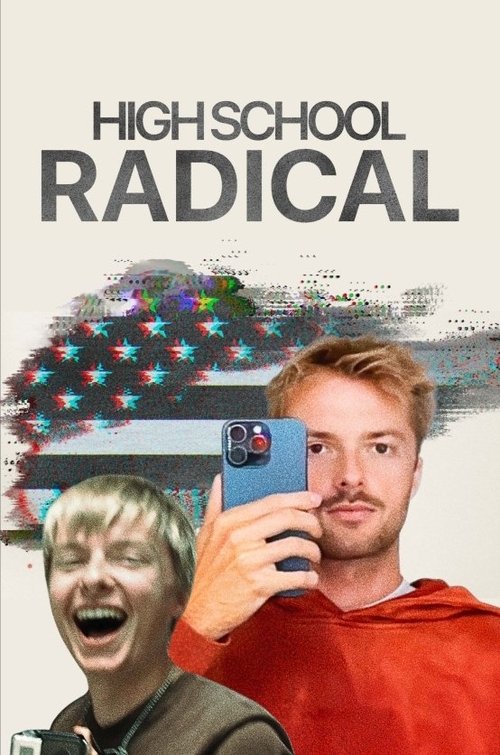
At 16, Max left with dreams and a GoPro slung over his shoulder for an exchange program at a high school in Oklahoma. Since then, Donald Trump has become president, the Capitol has been stormed, and abortion bans have gained ground. On the eve of Trump’s second term, Max goes back to see his friends to understand what their journeys reveal about the evolution of American society.
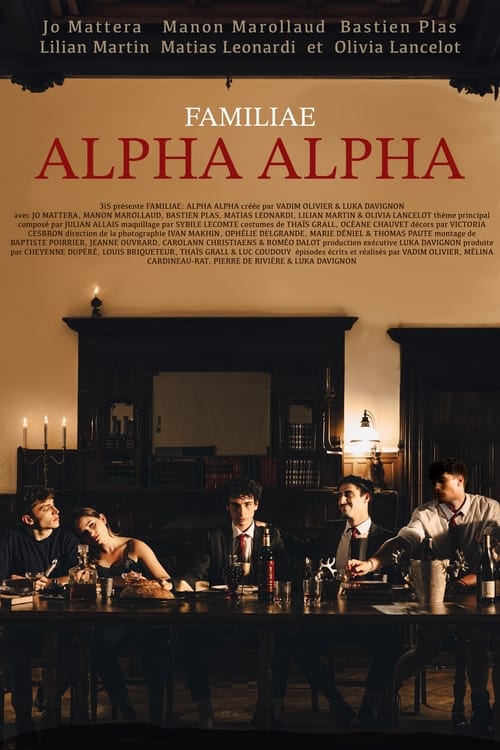
The controversial Nationalist Party is elected to rule the country. The Alpha Alpha fraternity, known as its support, takes the power at University.
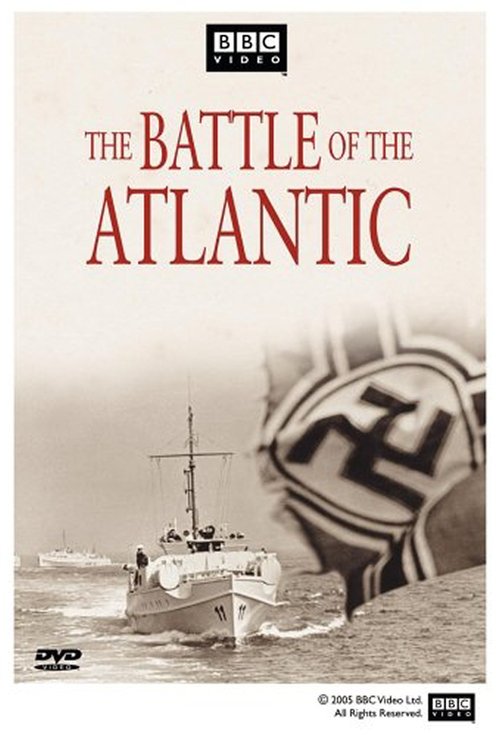
Explores the desperate struggle for survival on a hostile ocean during the longest and bloodiest battle of the Second World War.