Protocol Archives • Browse all War & Politics titles in HD
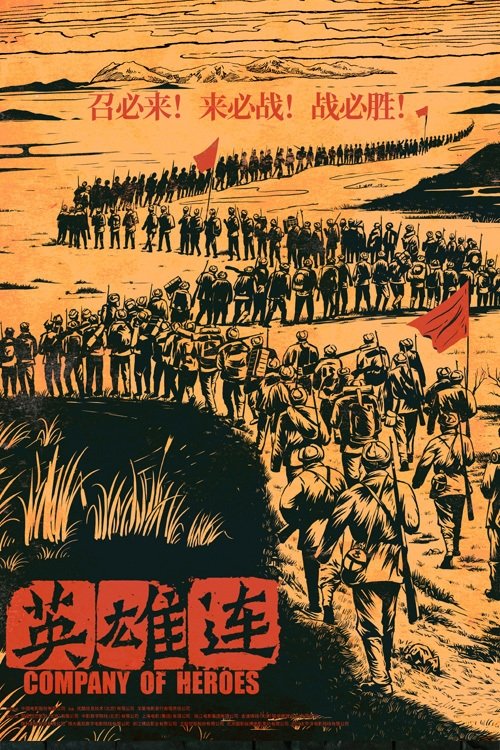

Three hour-long programs about the history of the Royal Canadian Navy. Filmed archives from Ottawa, the CBC and newsreels provide the bulk of the visuals.
Story about ginseng diggers during the Imjin War (1592-1598)
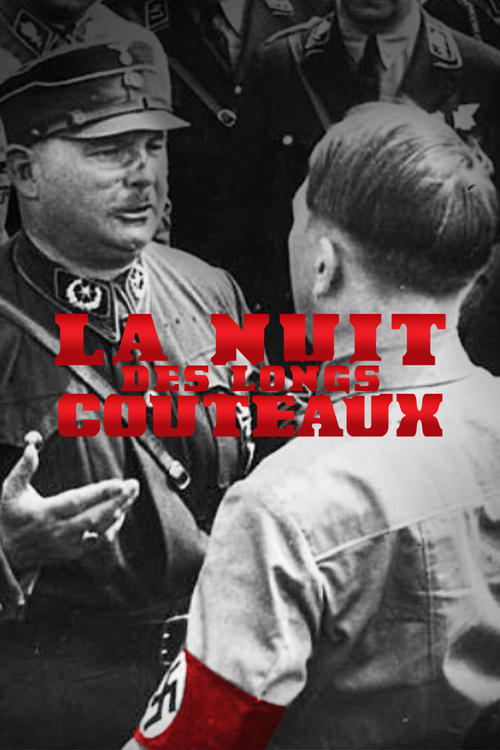
The Night of the Long Knives is considered the first act of horror committed by the Nazis. Hitler's rise to power and total control had him caught between conservative tendency and revolutionary aspirations that were dividing the country.
The year is 2164 and politics has become unrecognizable. Democrats have become conservative, Republicans have become liberal, and an upstart party called the Empathy Party blames all the world's ills on sociopaths. An assassination leaves the Empathy Party's candidacy wide open and a clown car of candidates vies for the nomination. One, hotel heir and failed comedian Jim Liu, stands out from the others when he chooses a genetically modified, super-intelligent, opium-addicted parrot as his running mate. This book follows his quest to become the Empathy Party's nominee for the 2164 presidential election. His campaign takes him through an America where most days are public holidays, psychedelic drug use is widespread, and the last uncontacted people on Earth are the unknowing subjects of a reality show whose fans have tuned it into a new religion.
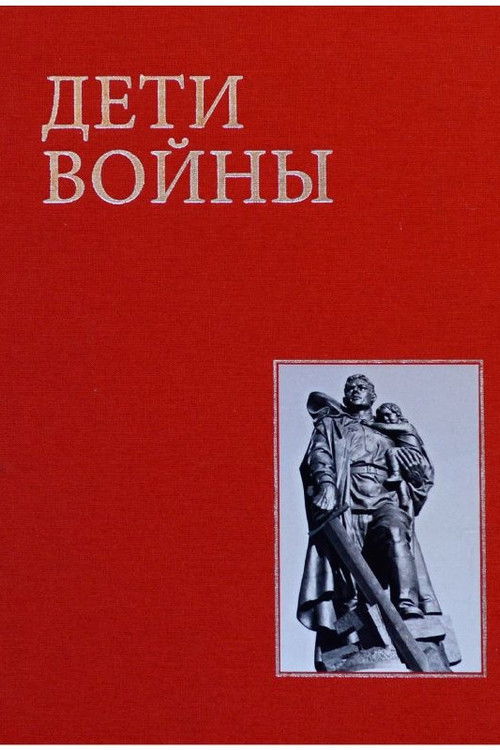
A series of mini-films about the fate of war children, which are aimed at personally introducing modern children to the time of the Great Patriotic War. Each of the films is a reconstruction of a local wartime event, presented through the eyes of a child. A story of fear, heroism, a brave heart, early maturity and precocious wisdom of a little man doomed to survival, hourly struggle and possible death. The main message in the slogan of the project is: "We cannot change the past, but we can prevent its repetition in the future." Some of the scenarios of the project are based on real stories of war children, sent as part of the campaign of the same name, which was launched in the spring of 2020.

The Longest Night is a 1972 made-for-TV movie written by Merwin Gerard and directed by Jack Smight. The plot concerns the kidnapping of Karen Chambers, daughter of wealthy Alan Chambers. The kidnapper holds her underground in a homemade coffin. He leaves her there until he receives the ransom money. Her family frantically searches for her. This movie was originally shown as an ABC Movie of the Week on September 12, 1972. This is based on the true 1968 kidnapping of Barbara Mackle by Gary Krist.
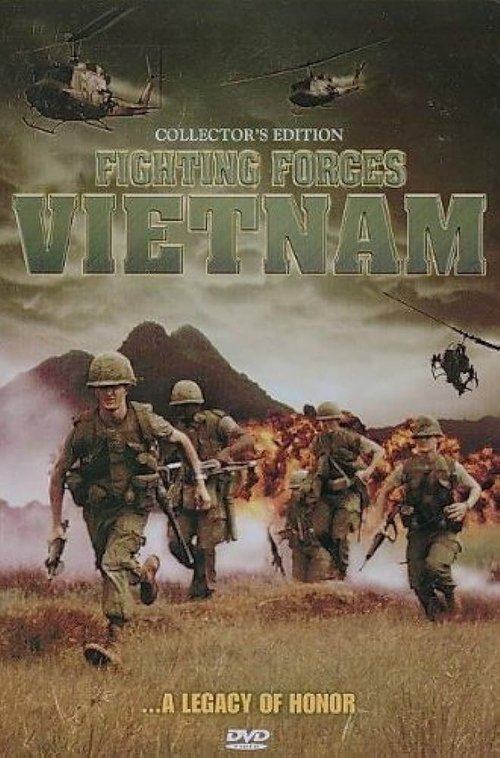
Fighting Forces Vietname is the most comprehensive documentary series ever produced about military units deployed in the Vietnam War, the largest war in U.S history. Altogether, 140 Army, Navy, Air Force, and Marine units from the United States, Australia, New Zealand, Korea, and the Philippines are discussed. This extraordinary series produced with the official cooperation of the U.S Army and U.S National Archive, features 12 hours of rare, recently (2009) declassified film footage, making this the ultimate Vietnam War collection.
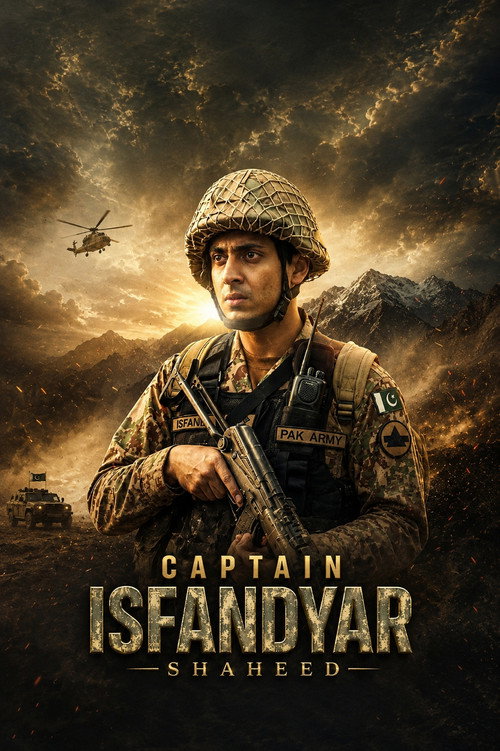
The nation always comes first. For Captain Isfandyar, patriotism was more than just a word. It was a way of life. He faced every challenge with courage, every threat with determination, and every sacrifice with pride. His journey serves as a powerful reminder of what it truly means to serve the nation.


Vivid and heartbreaking stories told by the last Tommies - filmed in their 90s and 100s - remembering life and death in World War I, illustrated with powerful archive.