Protocol Archives • Browse all War & Politics titles in HD

Studio S was a Swedish TV show broadcast on SVT during the late 1970s and early 1980s. Hosted by Göran Elwin, It dealt with various social issues, featuring both experts and regular people.

The complete history of World War II traces the monumental story of the greatest conflict of the 1900s. This series details many of the key moments of WWII: Appeasment of Munich, Blitzkrieg, the fall of France, the London Blitz, Rommel and the Africa Corps, the war in the Pacific, Stalingrad, D-Day, the Battle of the Bulge, Midway, and so much more.

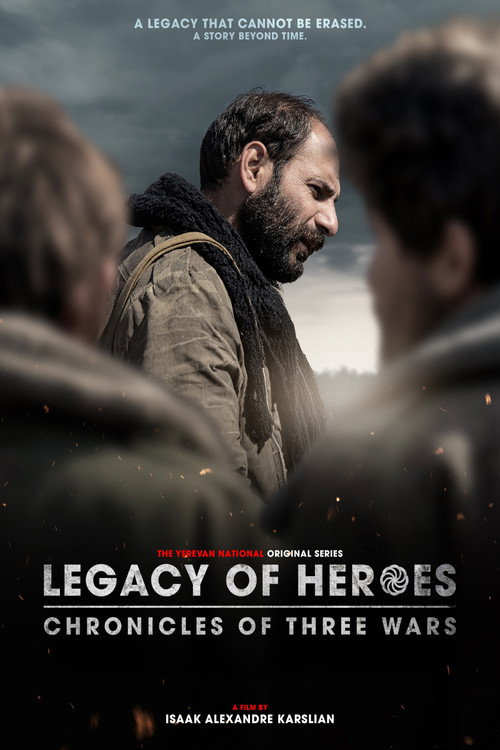
Armenian soldiers' heroics during Artsakh wars through personal stories, battlefield bravery, and human experiences, highlighting their sacrifices, love, struggles, and how their legacy lives on, underscoring the cost of freedom.


They are the men who are making History. In a time of crisis or war, any personal decision by any national leader can change everything. Like a 24h thriller, through archives and historical reconstitutions, live the day when great individual choices provoked great twists in the course of the conflict.

For the 80th anniversary of D-Day, this documentary relives the 100 days from the Normandy landings to the Liberation of Paris.
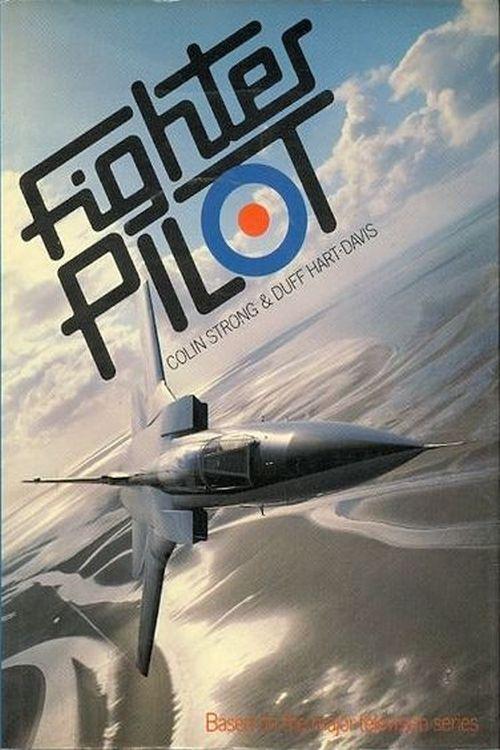
The BBC cameras follow an ever diminishing band of students through 3 years of training and selection.
Breakfast with Frost was a BBC current affairs television programme hosted by Sir David Frost on Sunday mornings. The programme covered the main political news of the day while analysing the coverage of the week's news events.

The project attempts to understand the causes of the Afghan War (1979-1989) and to provide the most truthful coverage of all its stages. On a cold day on December 12, 1979, a small circle of members of the Politburo of the CPSU Central Committee discussed the situation in Afghanistan. After much hesitation, four people (Leonid Brezhnev, Yuri Andropov, Andrei Gromyko, Dmitry Ustinov) made the fateful decision to send troops into Afghanistan. Thus began the Afghan campaign – the first and only military operation waged by the Soviet Union outside the Warsaw Pact countries, which became the longest and most “forgotten” war in Soviet history.
A look at the week's political events

This Battlezone series looks at the US battle with Japan for supremacy in the Pacific and the eventual surrender.

With the thrust and parry of rigorous debate, Mehdi Hasan cuts through the headlines to challenge conventional wisdom, highlight contradictions and uncover double standards.

Grey Wolves captures life on board a U-boat, from the German perspective. First hand accounts in text, letters, diaries, journals, memoirs, relaying tales of the mundane and the routine, dramatic and heroic; the fear and resilience of every crew member, from Kapitainleutnant to Mechaniker. It is a vivid, brutally realistic portrait of the men who fought and died beneath the surface of the Atlantic in what was, perhaps, the most critical battle of the war.

In the last months of 1942, only a few yards of bitterly contested ground stood between Hitler and the prize which he valued above all others - Stalingrad. The fighting for Stalingrad was intense, protracted and took place under the worst imaginable conditions, including the iron grip of a Russian Winter. After the battle the wretched survivors of a beaten German army surrendered to the Red Army. They had once been 350,000 strong but only 90,000 of these frost bitten, starving scarecrows remained to make the painful forced march into Russian captivity. In the weeks to come 85,000 of these pathetic prisoners would die from disease, starvation, brutality, neglect and despair. Only 5000 survivors from the doomed 6th Army endured the long years of captivity in slave labor camps and lived to see Germany again. This is their story.
