Protocol Archives • Browse all War & Politics titles in HD
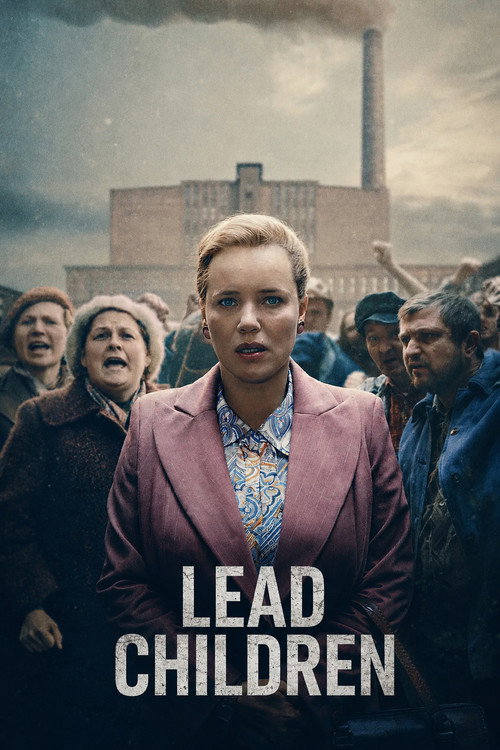
When a young doctor discovers that children living near a smelting plant suffer from lead poisoning, she risks her career and safety to save them.
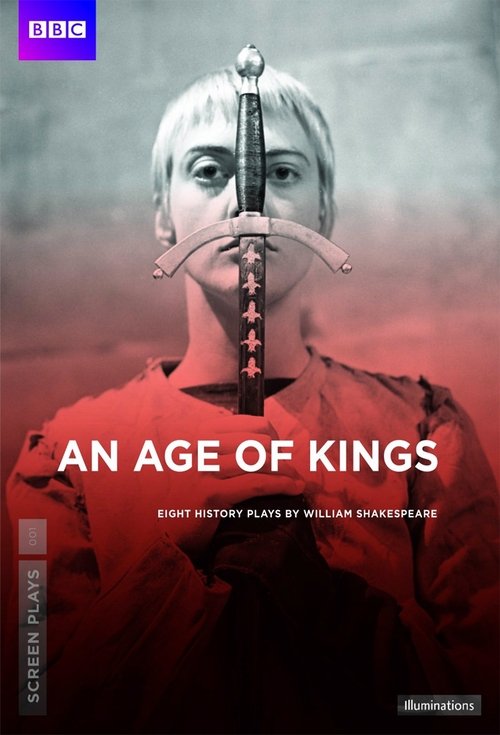
A linking together of Shakespeare's history plays — Richard II, 1 Henry IV, 2 Henry IV, Henry V, 1 Henry VI, 2 Henry VI, 3 Henry VI, and Richard III — chronicling the rise and fall of monarchs over the 86 years between Richard II and Richard III.
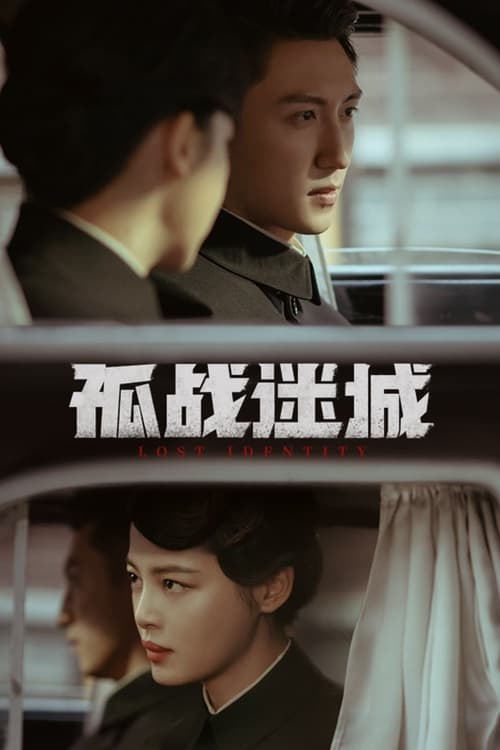
In 1945, as the War of Resistance Against Japan comes to an end, the Japanese army secretly transports a large quantity of poison gas bombs to China. Ou Xiao’an, the ace special agent of the military, is injured while escaping from the "810" poison gas research institute. He is inadvertently rescued by Tan Moqing, another agent. When he wakes up, he discovers that he has lost nearly four years of memory. As they work together to expose the Japanese conspiracy, Ou Xiao’an and Tan Moqing frequently join forces, ultimately unveiling the identities of the Japanese spies while also revealing their own roles as underground party members. However, a greater crisis looms ahead; they remain unaware of the whereabouts of the "810" research data and the hidden gas bombs. Faced with numerous dangers and obstacles, how should this group of lonely yet brave individuals advance and fight courageously?
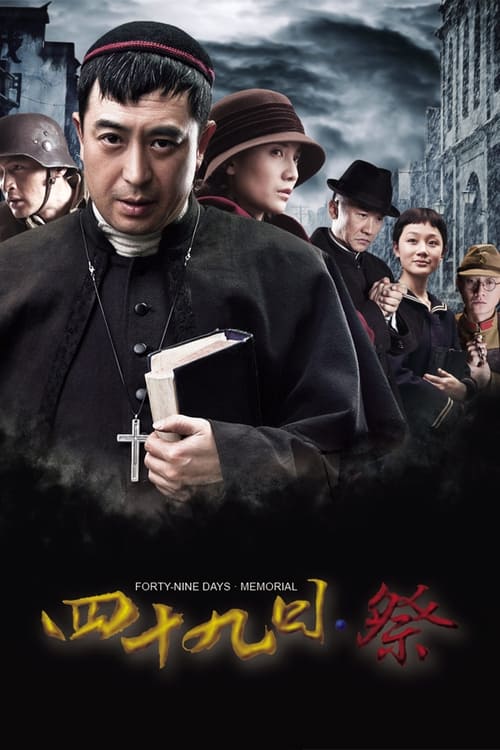
A television adaption of Zhang Yimou's 2011 film The Flowers of War. Apart from changes in character relationships and the storyline, there will also be additional plots outlining the events before and after the Nanking Massacre.
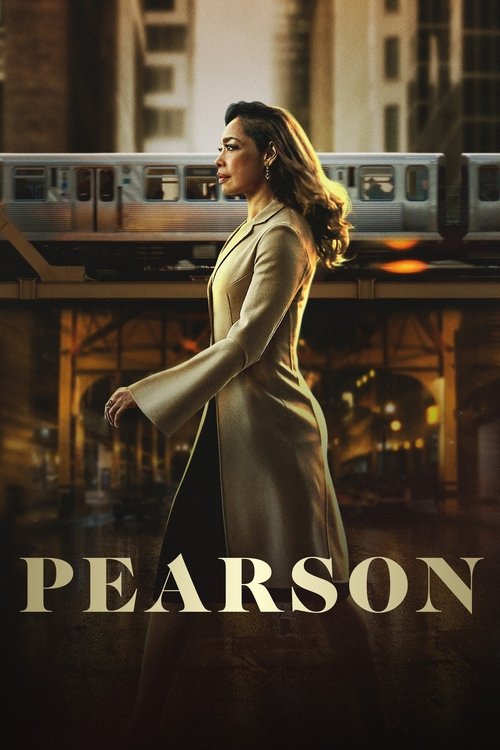
Powerhouse lawyer Jessica Pearson adjusts to the dirty world of Chicago politics.
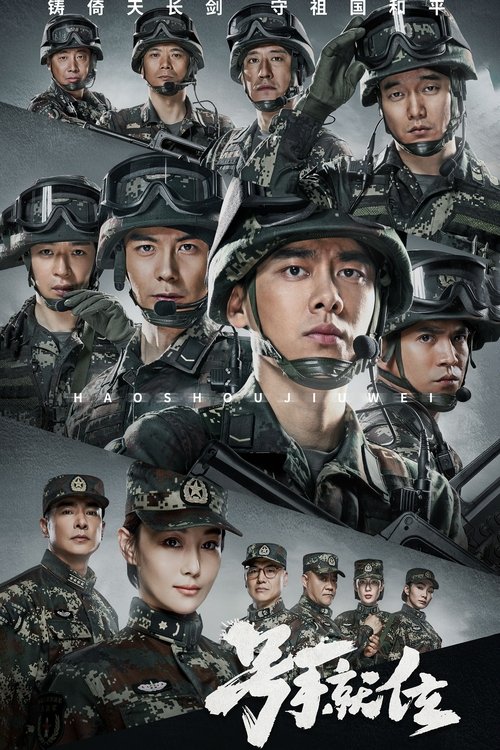
A group of university students joins the rocket force, facing rigorous training under experienced soldiers. Among them, four roommates—Xia Zhuo, Ouyang Jun, Lin An Bang, and Yi Zi Meng—struggle to adapt. Despite initial doubts, their journey transforms them into true soldiers.
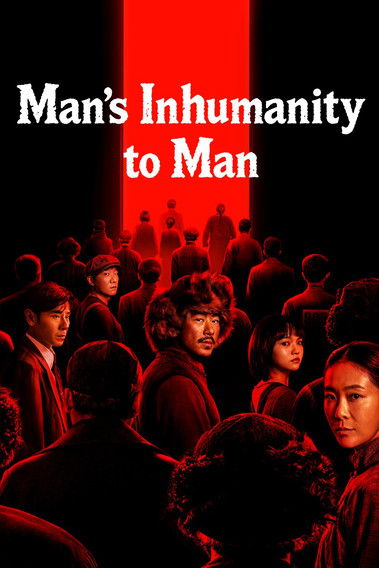
A haunting look at the horrors of Unit 731’s biological warfare, reflecting on history’s wounds and urging a hope for lasting peace.

A folk militia leader rises during the Anti-Japanese War to fight invasion and corruption while leading a civilian resistance force in Rehe.
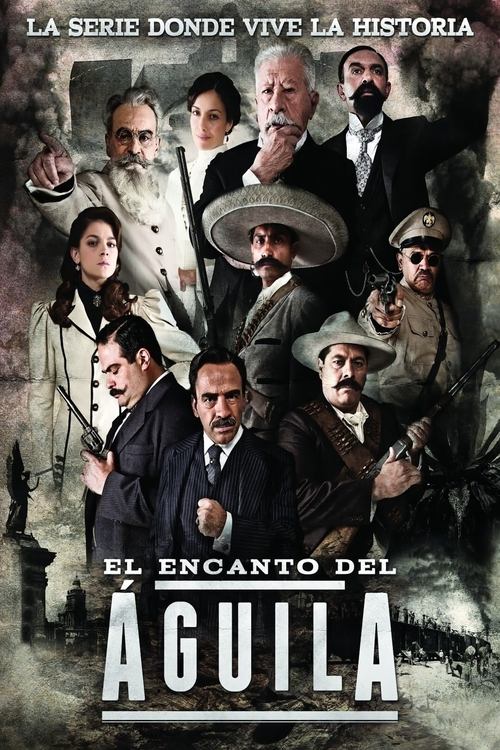
A detailed dramatization of historical events during the time of the Revolution in Mexico. Using never-before-known historical documents, details about what happened during the period from 1910 to 1928 are revealed.
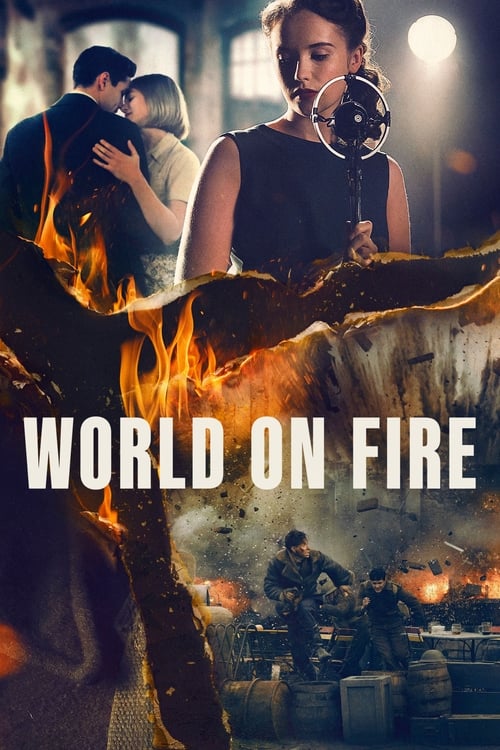
The story of World War II told through the intertwining fates of ordinary people from all sides of this global conflict as they grapple with the effect of the war on their everyday lives.
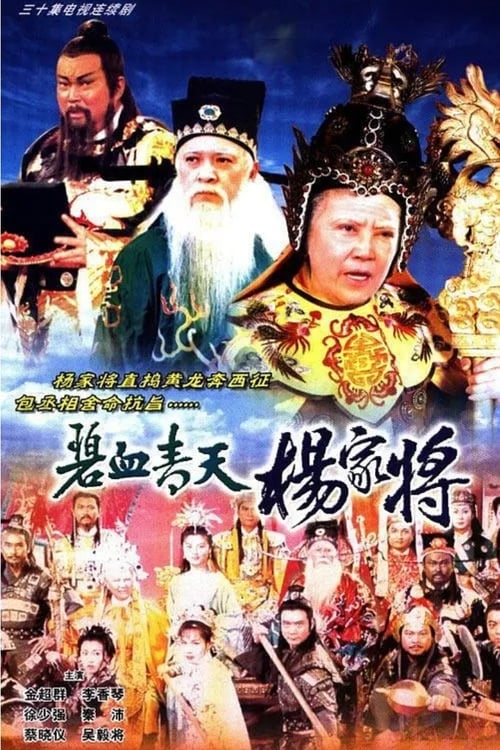
Yang Yanzhao was betrayed by Pang Long and died in battle. Yanzhao's son Yang Zongbao confronted Pang Long Gongtang, and the two insisted on each other, and Yin Bao Zheng of Kaifeng Prefecture designed to have Pang Long personally write down the crime, and Pang Long was sentenced to dragon head ginseng. The bereaved Taishi Pang Xiong swore to kill Bao Zheng and the Yang family general, and the Yang family would join Bao Zheng to fight against Pang Taishi...

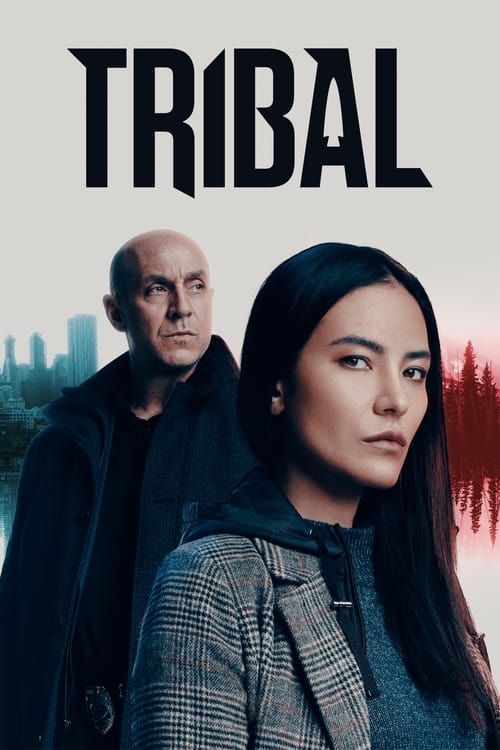
The department of Federal Justice attempts to save political face under the mask of inclusion and collaboration as they take control of the Tribal Police Force that governs the four Indian Reserves that surround the city. Interim Tribal Chief Samantha Woodburn attempts to overcome political red tape and must also prove herself amongst the old-white-boys club of the Metro Police. Thrust into an unfamiliar world, she navigates politics and procedure as she clashes with her new partner, Chuck "Buke" Bukansky, a seasoned but broken-down Metro Police detective.

Witness a fascinating account of a nation's efforts to become progressive and prosperous.
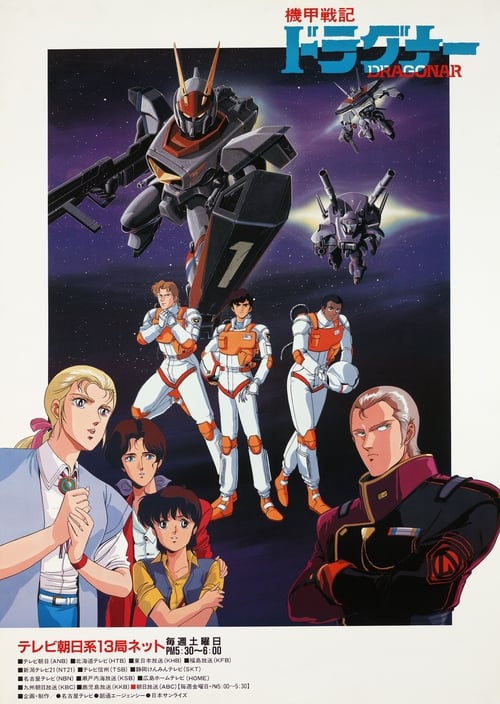
A.D. 2087 - the United Lunar Empire Giganos wages war on the Earth Federation Military to take control of the planet and establish a "rebirth" of the human race. During an invasion of a colony by Giganos' forces, three civilian men stumble upon a trio of top-secret Metal Armor units called "Dragonars" and pilot them to combat the enemy forces.

Seiichi Habu is a member of the mysterious outlaw group Avalanche. The group exists at a time when moral hazards run rampant among politicians, bureaucrats, businesses, and even among ordinary people.
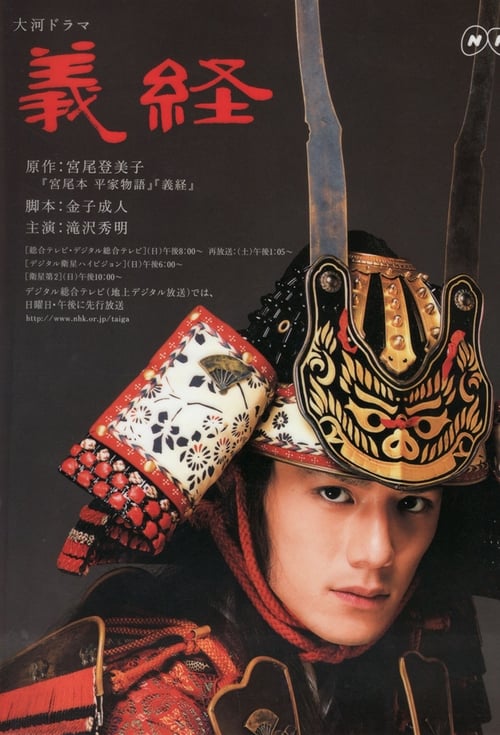
Yoshitsune is a Japanese television drama series originally broadcast between 9 January and 11 December 2005, with a three-part special compilation being aired from 24 December to 25 December 2005. The 44th Taiga Drama, the original work is by Miyao Tomiko, screenplay by Kaneko Narito and starring Hideaki Takizawa.
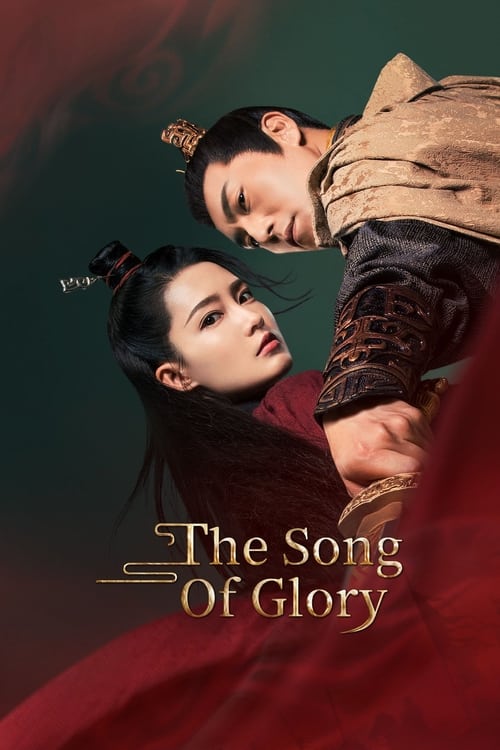
In the Liu Song dynasty, Chancellor Liu Yikang seeks to reform a corrupt government by marrying Shen Lige, a woman from a powerful military family. As they fight to implement change, political rivals strike back, leading to the downfall of the Shen family. Driven by grief and vengeance, Shen Lige rises to challenge the forces that destroyed her world.


Realtimehistory creates chronological documentaries such Rhineland 45 and 15 Days in Berlin. They are also know as the team behind the youtube hit series The great War. Now they will cover one of the pivotal wars of the 19th century in real time: the Franco-Prussian War.