Protocol Archives • Browse all War & Politics titles in HD
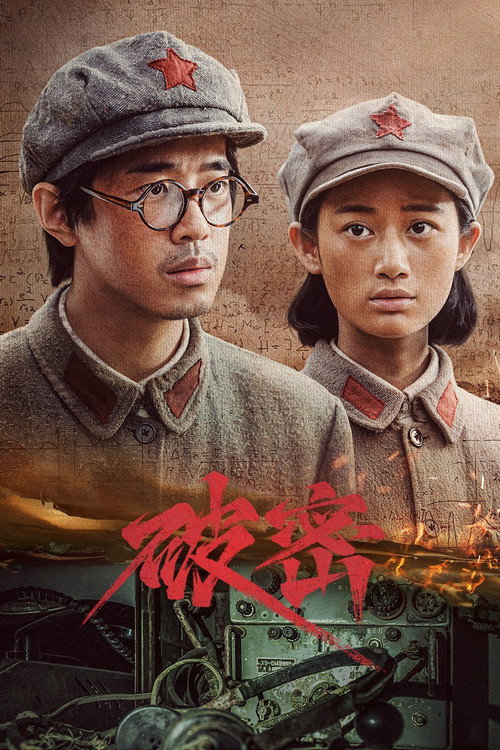
In the late 1920s, Cai Zekang, from a prominent Ningde family, moved to Shanghai to study at Tongji University while secretly seeking Communist Party connections. After confirming his membership, he adopted the alias Cai Wei and was tasked with establishing a radio station in the Eyuwan Soviet area. There, he set up communications for the Red Fourth Front Army and trained new operators, using his mathematical skills to provide vital intelligence that supported the Red Army's efforts during a critical period.
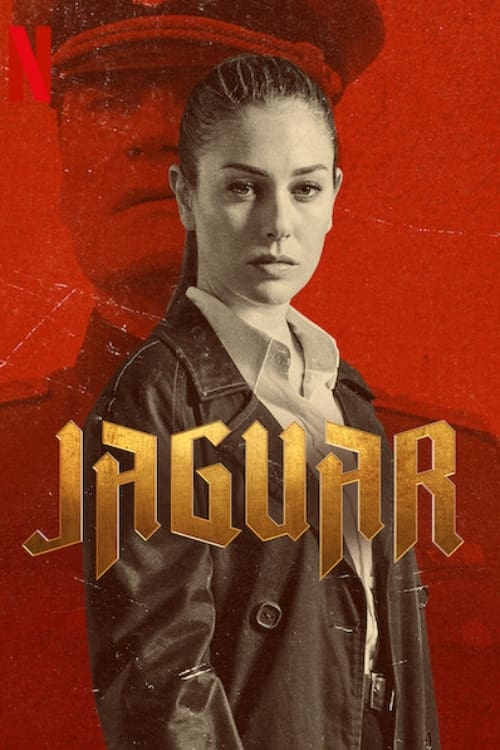
In 1960s Spain, a Holocaust survivor joins a group of agents seeking justice against the hundreds of Nazis who fled to the nation to hide after WWII.

The efforts of a special paramilitary anti-terrorism unit set up in the 1970s by a high-ranking police official, Gen. Carlo Alberto Dalla Chiesa.

Decisive Battles was a television show on the History Channel that depicted historic battles. It ran for thirteen episodes in mid-2004. The show used the game engine from Rome: Total War to present 3-D versions of the battles. The show was hosted by Matthew Settle, who usually traveled to the sites of the battle. Reruns of the show air on the History International channel and the Military History channel.
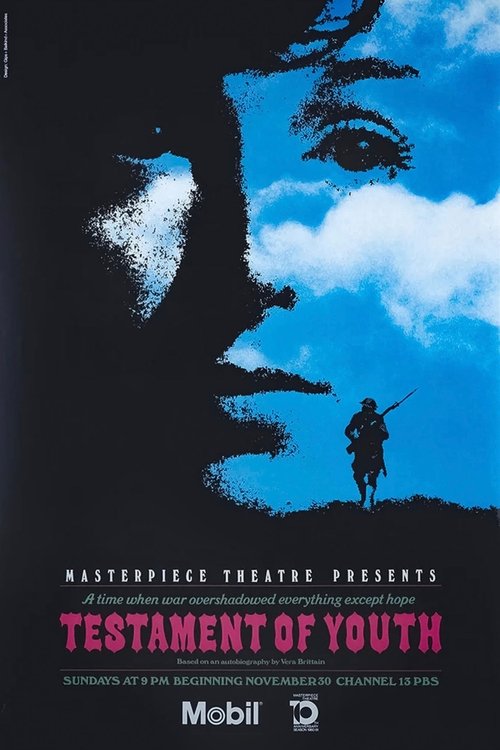
A dramatization of Vera Brittain's 1933 autobiography Testament of Youth—a memorial to a generation devastated by WWI—chronicles her experiences as a nurse in London and Malta and at the front lines in France. It opens with 18-year-old Vera, the genteel daughter of a paper-mill owner, nurturing "hopes of escaping from provincial young ladyhood." Her plan is to attend Oxford.
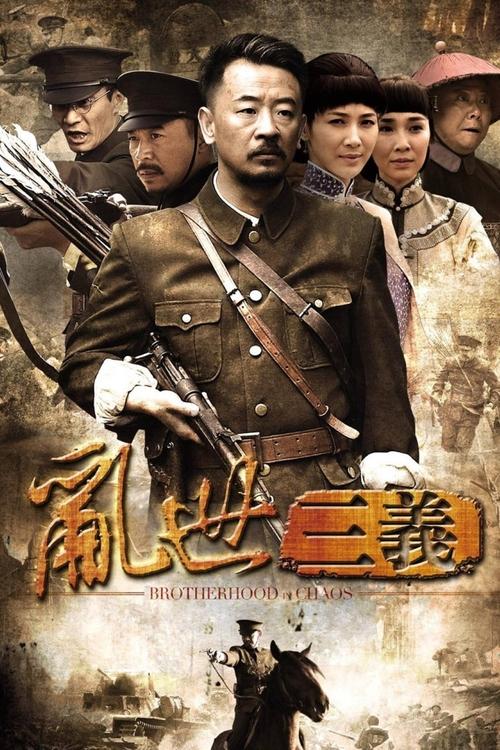

The rise and fall of Italy's fascist dictator Benito Mussolini. Recounting his life with his wife, children and mistress, this biography (based on the recollections of Mussolini's eldest son, Vittorio) chronicles Il Duce's tyranny as he plunges Italy into the dark days of World War II.
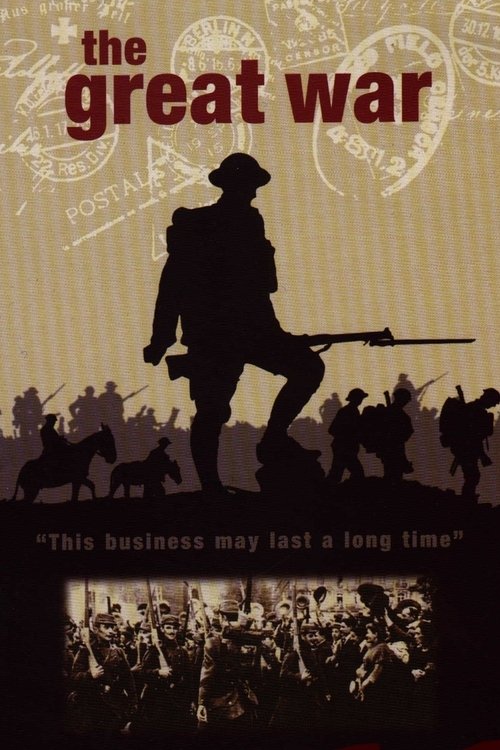
Extensive archive footage and sound effects, linked with contemporary classic music of the era, brings to life the vast history of World War I, concentrated by the commentaries by Michael Redgrave, and some of the finest actors of the 20th-century.

A team of elite female agents, each with a troubled past, undergo brutal training on a remote island to prepare for high-risk missions against Japanese forces. Led by a tough captain and guided by a skilled instructor, they face danger head-on in their fight for their country.


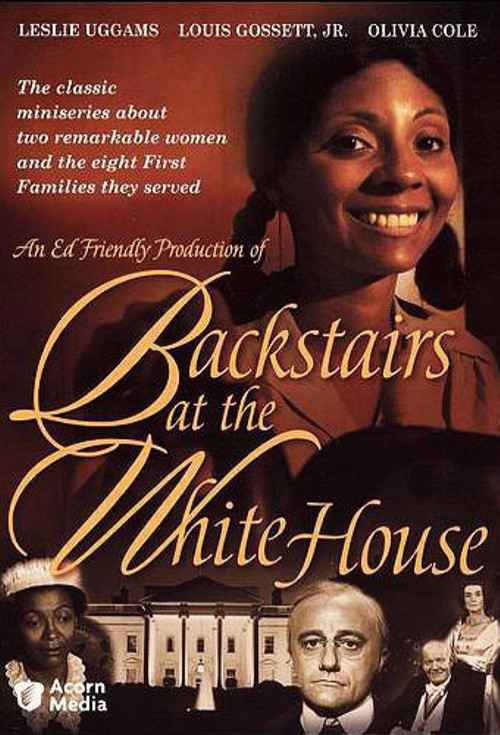
Behind the scenes at the White House during eight administrations, as told by the people who work there.
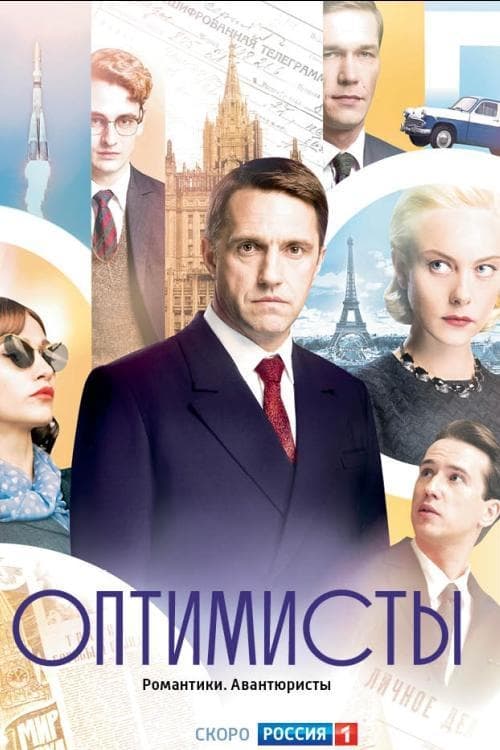
The early 1960s. The Soviet Union is experiencing a bright Khrushchev-era, full of hope. A group of young diplomats at the Ministry of Foreign Affairs come face to face with world-changing global events. Before long, these wide-eyed idealists find themselves deep in the breathtaking world of spy games, mortal dangers, and brilliant political maneuvering.
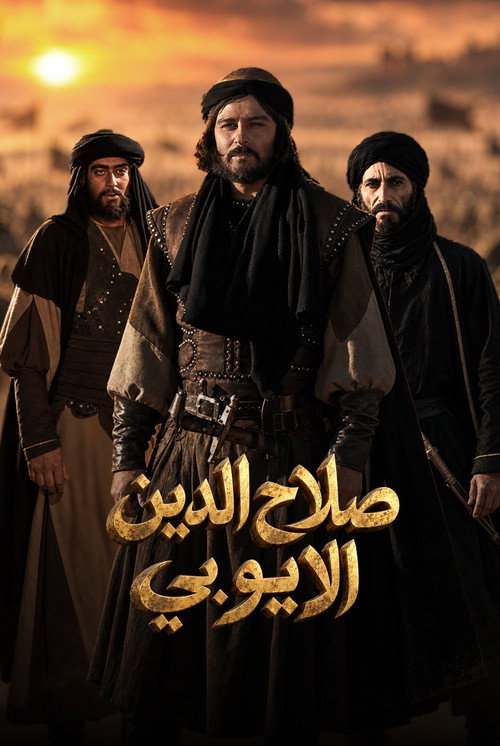
A sweeping historical epic tracing the life of Saladin from his humble origins to his unification of fractured Muslim kingdoms and his legendary recapture of Jerusalem from the Crusaders after nearly a century of occupation. Starring Jamal Suleiman and directed by the late Hatem Ali, written by Walid Seif — the same partnership behind Palestinian Alienation — this is widely regarded as one of the finest historical dramas in Arabic television, epic in scale yet deeply human in its portrayal of leadership, faith and sacrifice.


The firsthand experiences of thirteen Americans during the Vietnam War. The thirteen Americans retell their stories in Vietnam paired with found footage from the battlefield.
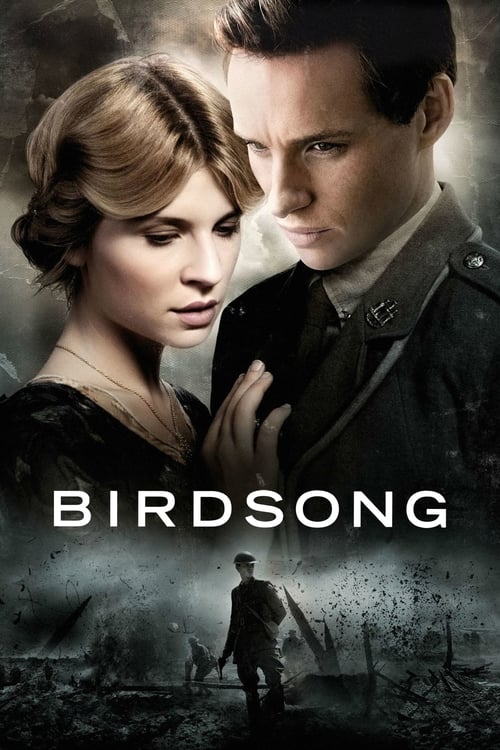
As an English soldier fights in the horrific trenches of northern France, he is haunted by the memories of his forbidden love affair with a French woman.

Award winning mini-series about the men and events that shaped Australia's post war history from 1945 1955. The series focuses on three men: Ben Chifley, Robert Menzies and H. V. "Doc" Evatt, and shows how the fabric of Australian democracy was almost wrecked by the idealism of good but troubled men.

Jalal al-Din Khwarazmshah, the ruler of the Khwarazmian Empire, initiated a tragic but united struggle against the Mongol invasion. After unsuccessful attempts by the Khwarazm shahs to stop the Mongol invasion that began in the Central Asian steppes, Jalal al-Din, the last ruler of the empire, put dynastic fights between Seljuks and Khwarazmians aside, and tried to establish a united front to stop the Mongols.