Protocol Archives • Browse all War & Politics titles in HD
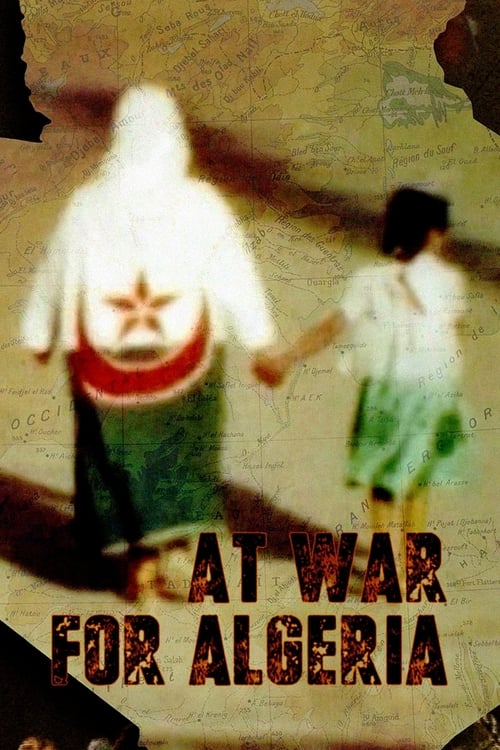
North Africa, 1954. The Algerian war of independence begins, a traumatic and extremely violent catastrophe that for eight long years will shake and finally overthrow the foundations of the colonial regime established by France in 1830.
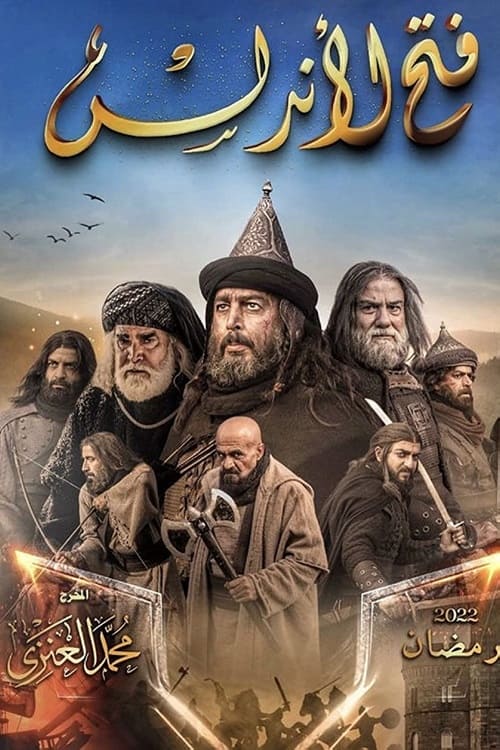
The story of the leader of the Umayyad Army, Tariq bin Ziyad, and his great conquests in the cities of Tangier, Ceuta and Toledo, all the way to the conquest of Andalusia, and his famous dispute with his commander Musa bin Nusair.
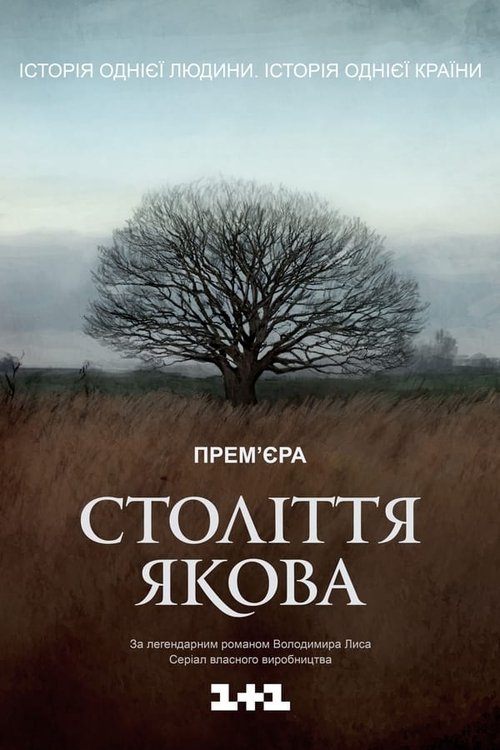
The story is based on the history of Ukraine through the eyes of a long-lived Volyn peasant, Yakiv Mekh. Since childhood, he has been in love with Ulyana, but despite the reciprocity of feelings, her parents married her off to a boy from a wealthy family. Unable to change anything, Yakiv leaves the village. He joins the Polish army and meets a Polish noblewoman, Zosia... His fate includes wars, captivity, and the loss of loved ones, but its main outcome is the preservation of humanity and the ability to love.
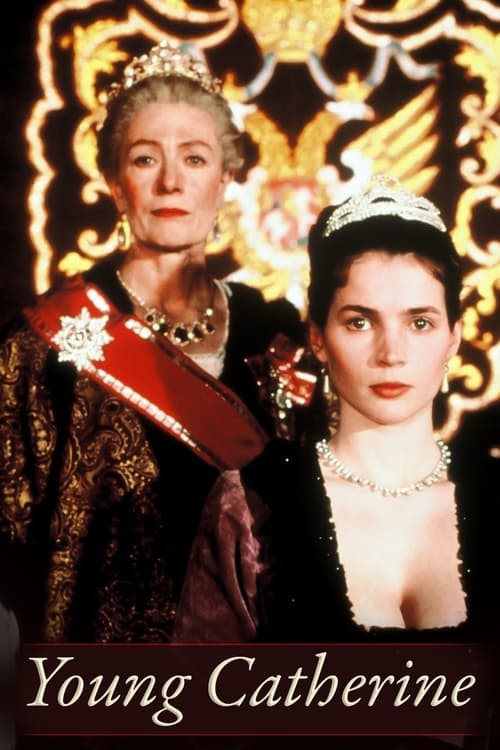
A Prussian princess is chosen to marry the heir to the Russian Throne, but faces plots and intrigues against her.

BLACK OPS travels the world to take viewers along on top secret special ops missions. The series reveals how elite special operations units in different countries carry out their high-risk/zero-recognition assignments and shares the inside story of some of the most dramatic military actions in recent history. When 40 Chechen terrorists armed with guns and bombs hold 800 theater-goers hostage, it's up to Russia's elite anti-terrorist force, Spetsnaz group "Alpha," to get the hostages out alive. Negotiation is not an option, and a siege would set off the explosives. The only way to save the hostages' lives is to use an untested top-secret knock-out gas.
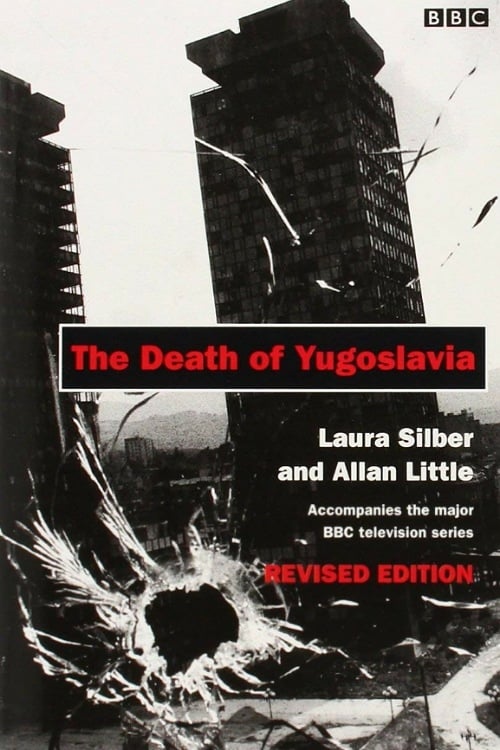
The Death of Yugoslavia is a BAFTA-award winning BBC documentary series first broadcast in 1995. It covers the collapse of the former Yugoslavia. It is notable in its combination of never-before-seen archive footage interspersed with interviews of most of the main players in the conflict, including Slobodan Milošević, the then President of Serbia. Norma Percy won the 1996 BAFTA TV Award for 'Best Factual Series' for the documentary. However, it has been argued that it presents a potentially slightly biased point-of-view; for instance during the trial of Milošević before the ICTY in The Hague, Judge Bonomy called the nature of much of the commentary "tendentious" (partisan).

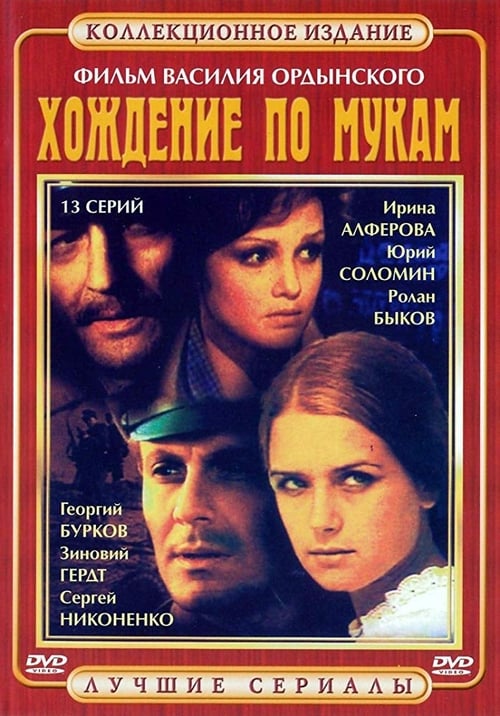
St. Petersburg, 1914. Pre-revolutionary bourgeois society, decadent intelligentsia - the signs of this troubled time. The focus is on the Bulavina sisters Dasha and Kata, their personal lives, loves, hobbies, and heartfelt dramas.

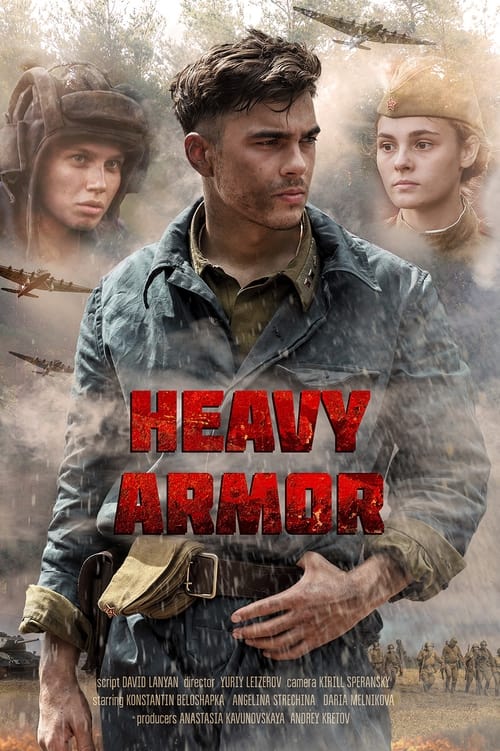
At the beginning of the war, the Germans throw their saboteur into the USSR. The landing is unsuccessful - the spy is captured by the NKVD. When trying to escape, a saboteur who turned out to be a Russian thief in law, accidentally remaining in the occupied territory, dies. In order to find the other spies involved in the operation, the security officers have to turn to the criminal's twin brother, a rural teacher. He takes the place of the deceased in the German intelligence network and enters into a deadly game...
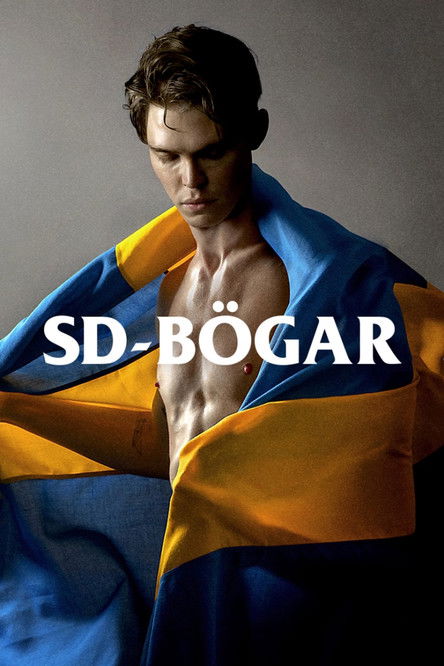
Sweden is seen as one of the world's most gay-friendly nations, but the victories of the LGBTQ movement have run alongside another success story; The Sweden Democrats, a nationalist party with Nazi roots and a history of anti-gay politics, are now the second biggest party in the country. And they've started recruiting within the gay community. Being gay and a Sweden Democrat has long been taboo, but now, a new generation of conservative, openly gay men have started taking place on every political level-from the Swedish government to the European Parliament. These so-called homonationalists are anti-immigration, critical of Drag Story Hour, and want nothing to do with Pride. In "SD-bögar" Erik Galli follows the Sweden Democrats voters, columnists, and politicians-and members of : "Gays for Trump" in the US, in order to understand a rising phenomenon : homonationalism.
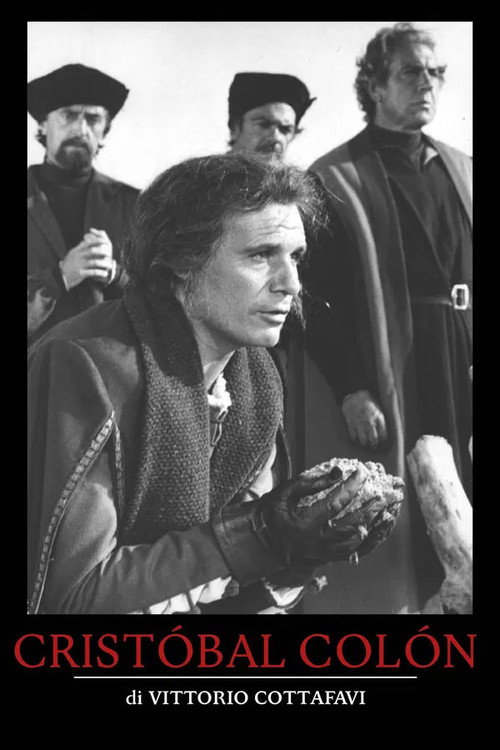
Vittorio Cottafavi's four part series on the life of Christopher Colombus
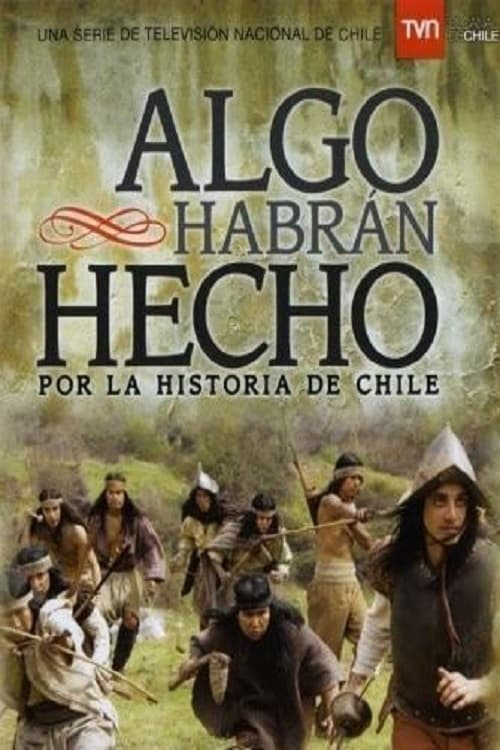
Series that narrates the history of Chile, from the Spanish colonization by Pedro de Valdivia and the begin of the Arauco War, to the Centennial of Chile in 1910. The show uses two main styles, jumping from one to the other. One style is the use of actors to represent certain key events. The second style is the plain explanation of the things taking place, which could be done with visual gags, with the hosts in some modern day location, or at a representation of an event.