Protocol Archives • Browse all History titles in HD
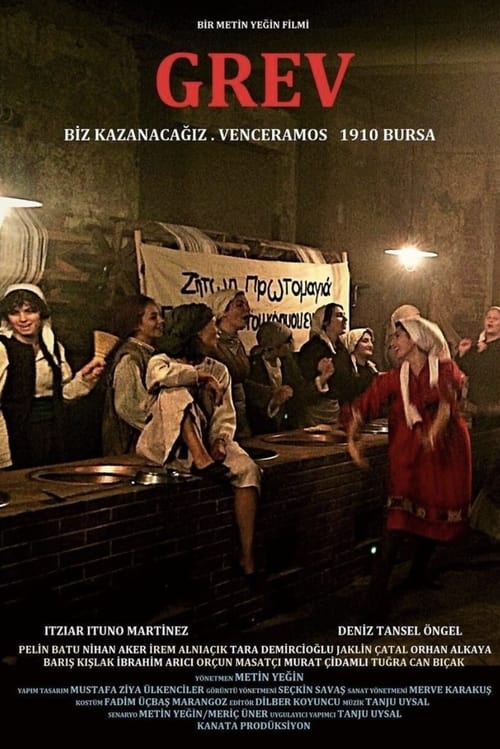
In 1910, women working in the silk industry in Bursa, protest against the working conditions. They go on strike.
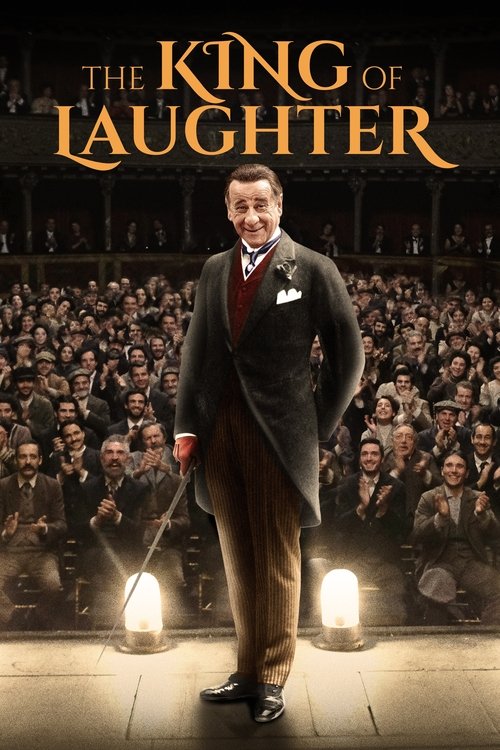
In early 20th-century Naples, a theatrical parody lands beloved thespian and playwright Eduardo Scarpetta in court, facing a malicious lawsuit that could compromise his freedom of expression and the economic security of his extended family—including his son's, young Eduardo De Filippo.
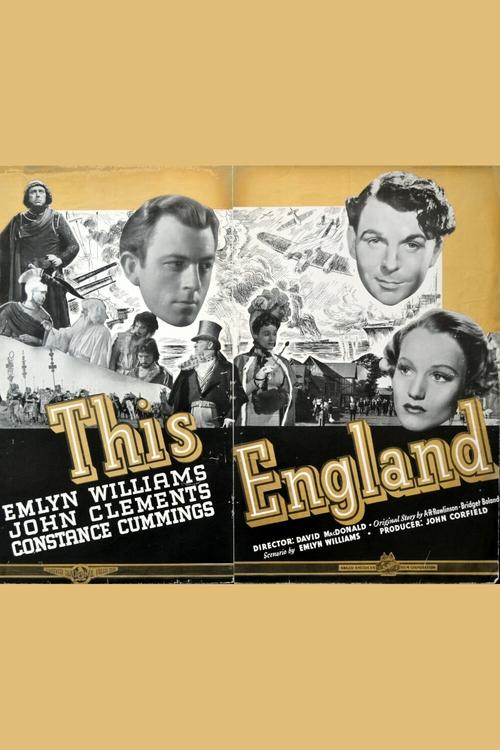
Set in Claverly Village, it follows the fortunes of the Rookebys (Clements) and the ne'r-do-well Appleyards (Williams) from the time of the Normans, 1588, 1804, 1914, and 1940. Made to support morale during the war, its message is basically that you can't suppress the British; they've been there since the beginning; they'll be there to the end.
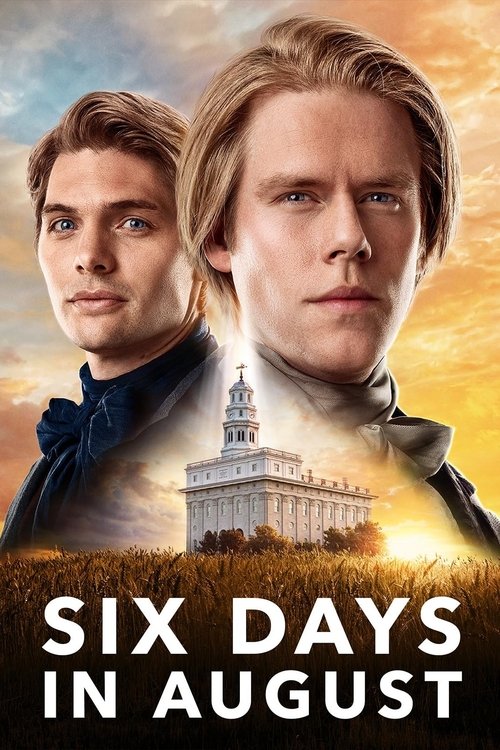
The Prophet Joseph Smith is dead, killed by a mob. Enemies of the LDS Church think the church will die with Joseph. In fact, that danger is a real possibility. The crisis is undeniable, and the saints in Nauvoo are in chaos.
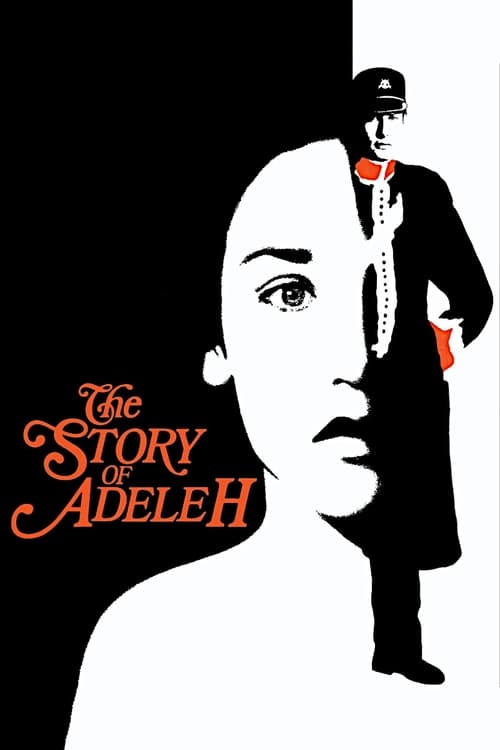
In the 19th century a mysterious woman named Adele H. crosses the ocean, from Europe to North America, to relentlessly pursue a handsome officer that denies her satisfaction.

The rise and fall of salsa singer, Héctor Lavoe (1946-1993), as told from the perspective of his wife Puchi, who looks back from 2002.
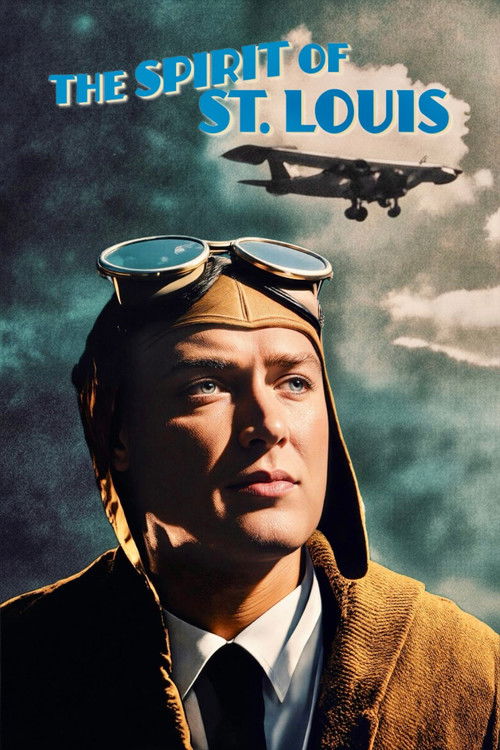
In 1927, Charles Lindbergh struggles to finance and design an airplane that will make his New York to Paris flight the first solo transatlantic crossing.
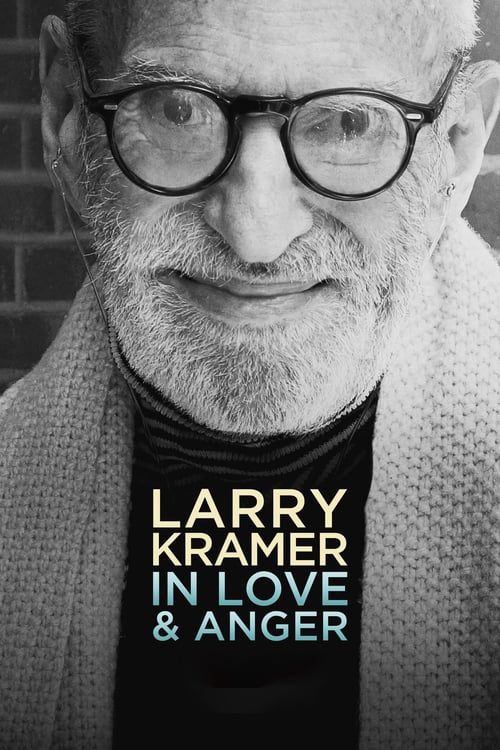
From the onset of the AIDS epidemic, author Larry Kramer emerged as a fiery activist, an Old Testament-style prophet full of righteous fury who denounced both the willful inaction of the government and the refusal of the gay community to curb potentially risky behaviors. Co-founder of both organization Gay Men's Health Crisis and the direct action protest group ACT UP, Kramer was vilified by some who saw his criticism to be an expression of self-hatred, while lionized by others who credit him with waking up the gay community — and, eventually, the government and medical establishment — to the devastation of the disease.
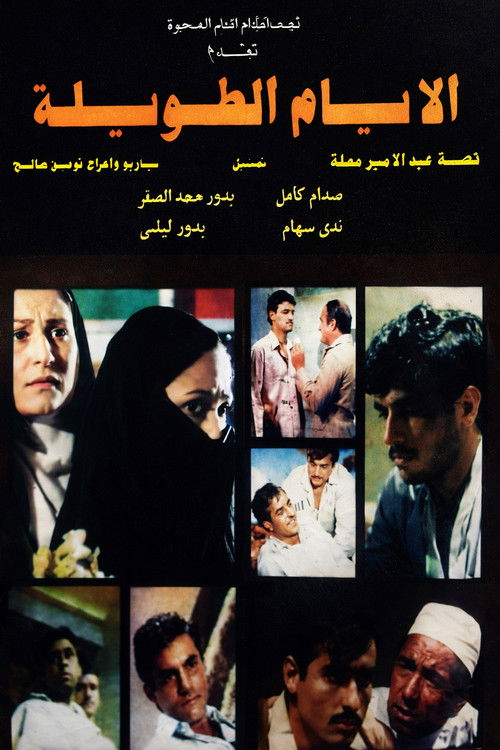
In 1959, underground revolutionaries try to assassinate Prime Minister Abd al-Karim Kassem in Baghdad. News reports claim they have failed, and at first the revolutionaries lay low, but as the secret police continue to comb the neighborhoods with house-to-house searches, they flee to the countryside. Among those fleeing is Saddam Hussein, the future president of the republic.
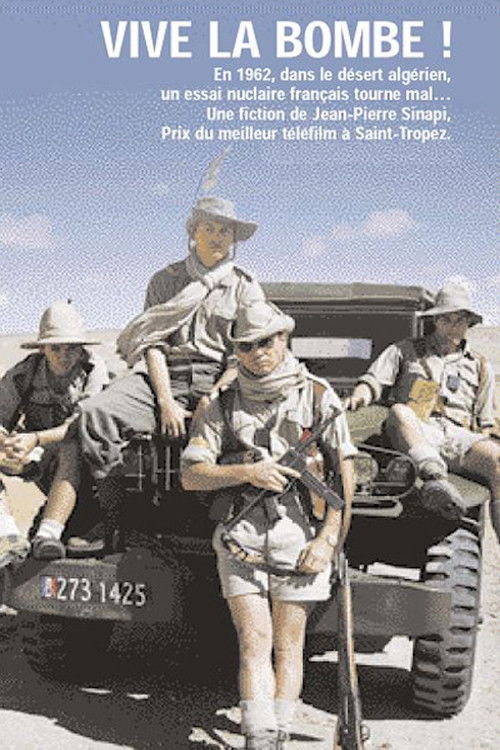
April 30, 1962. The Algerian War has been over for two months, but Charles de Gaulle negotiated with the FLN during the Évian Accords to continue nuclear testing in the Sahara Desert. Under the eyes of officials gathered in an observation post located 5 km from the blast site, the Taourirt fissures, releasing a radioactive cloud: this will be known as the Béryl accident.
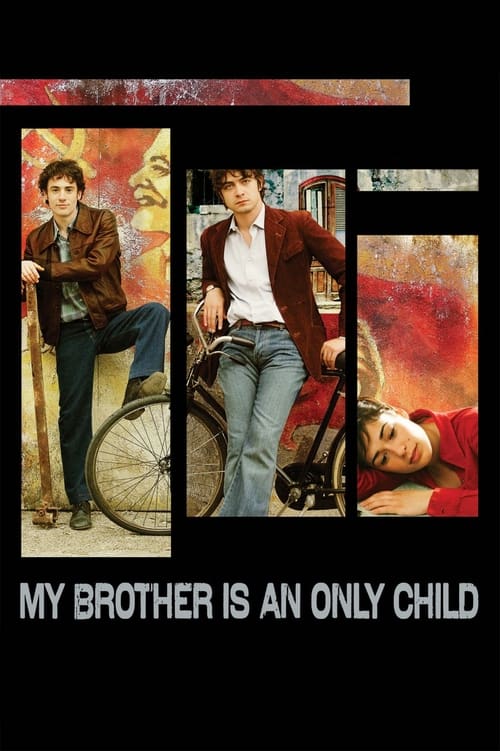
Accio and Manrico are siblings from a working-class family in 1960s Italy: older Manrico is handsome, charismatic, and loved by all, while younger Accio is sulky, hot-headed, and treats life as a battleground — much to his parents' chagrin. After the former is drawn into left-wing politics, Accio joins the fascists out of spite, but his flimsy beliefs are put to test when he falls for Manrico's like-minded girlfriend.
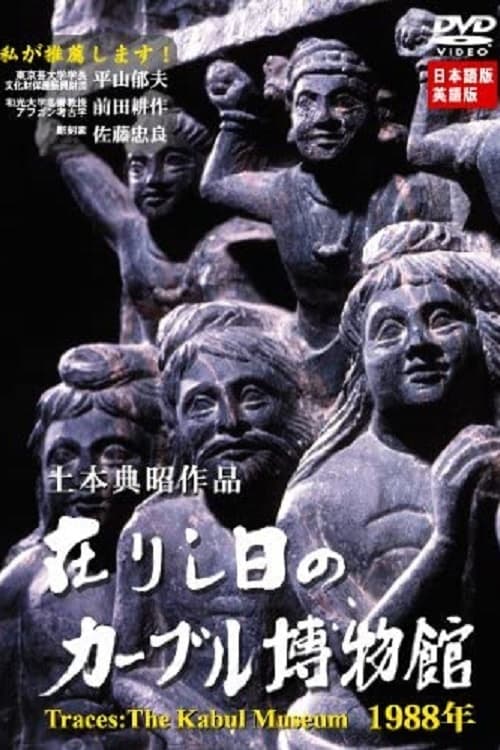
The Kabul National Museum, once known as the "face of Afghanistan," was destroyed in 1993. We filmed the most important cultural treasures of the still-intact museum in 1988: ancient Greco-Roman art and antiquitied of Hellenistic civilization, as well as Buddhist sculpture that was said to have mythology--the art of Gandhara, Bamiyan, and Shotorak among them. After the fall of the Democratic Republic of Afghanistan in 1992, some seventy percent of the contents of the museum was destroyed, stolen, or smuggled overseas to Japan and other countries. The movement to return these items is also touched upon. The footage in this video represents that only film documentation of the Kabul Museum ever made.
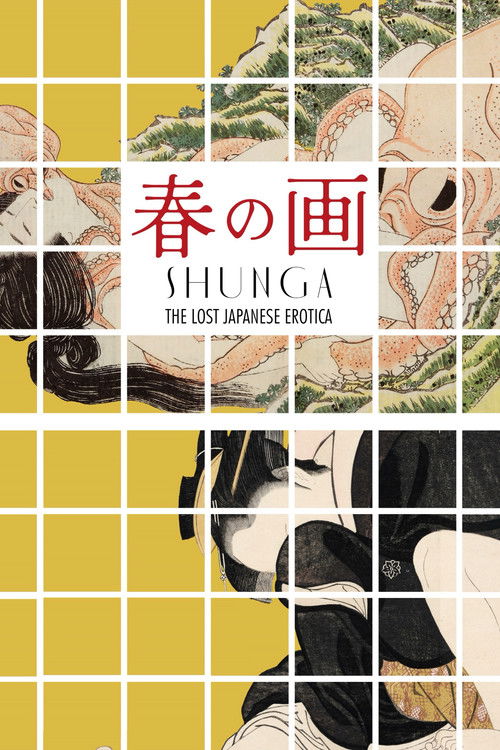
In the foundation of the culture of Japanese MANGA and animation, there lies the humor filled art form, shunga. Shunga is a type of Japanese art by famous ukiyo-e artists of the Edo Period, such as Utamaro, Hokusai, and Kiyonaga, but the artform’s development was thwarted by social norms that tabooed sex. The film Introduces the world of shunga through enthusiasts - collectors, curators, and scholars, including Andrew Gerstle who inspired The British Museum’s historical shunga exhibition in 2013 and Michael Fornitz who owns an auction house in Denmark. Exploring the significance of shunga by analyzing it from historical, cultural, artistic and contemporary female points of view.
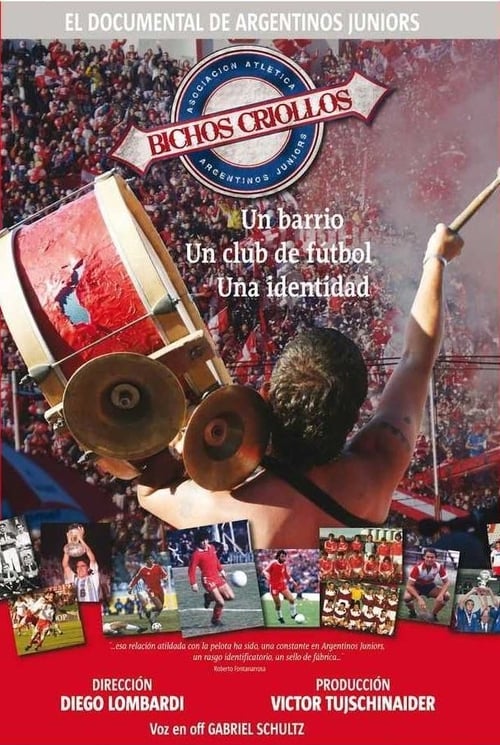
Documentary film about the sports history of the Asociación Atlética Argentinos Juniors, a club that plays in the First Division of Argentine soccer and whose achievements list it among the most important teams on the continent.

When King Cheol-jang dies, the throne passes to his son King Ko-jang but, because he is considered to be too inexperienced, his ambitious uncle rules as regent. The rightful king's wife, the politically brilliant Queen Min, refuses to accept this situation and brings about the uncle's exile in order to secure the throne.
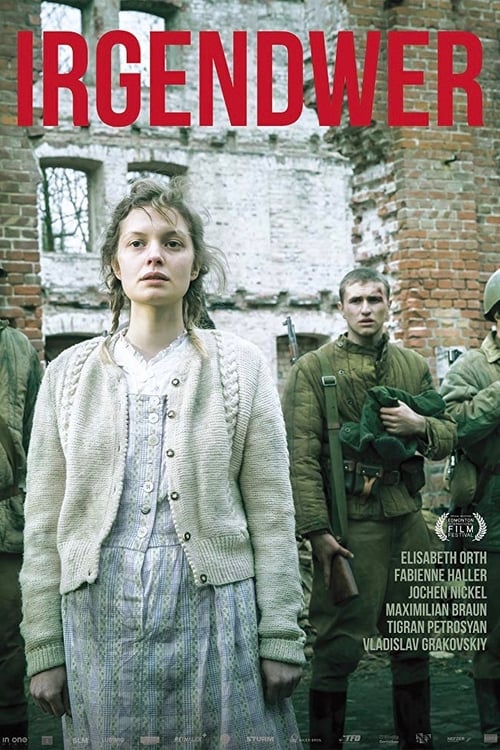
At the end of World War II, Red Army soldiers bent on brutal revenge for past atrocities attack a German city. Compassion comes from an unlikely source. Based on a true story.
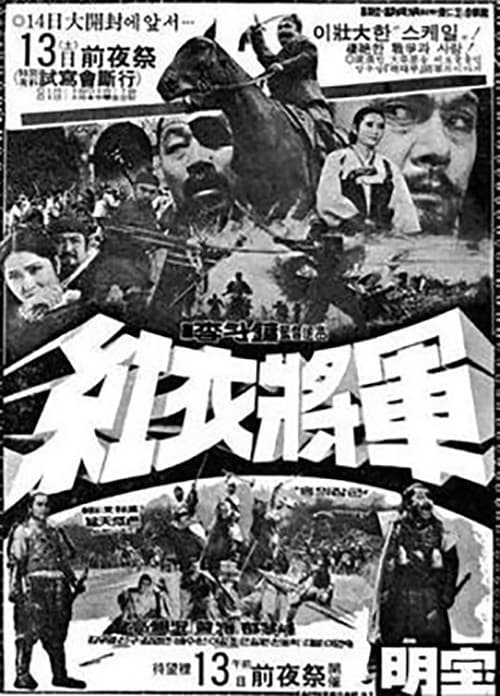
General Kwak, despite having retired from military service, organizes a small army to resist the onslaught of an invasion from Japan in the early Chosun Dynasty
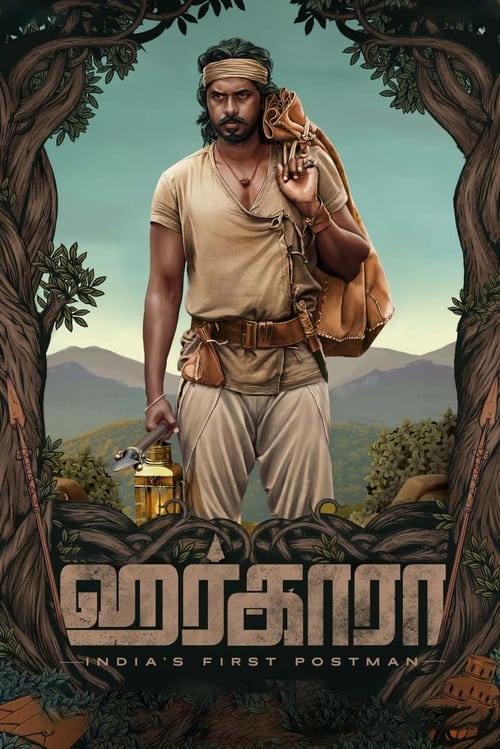
A frustrated postman decides to fool innocent villagers in a ploy to get himself transferred. As he walks uphill to deliver his last letter, a wayfarer narrates to him the story of a Harkara, that instills guilt.
