Protocol Archives • Browse all History titles in HD
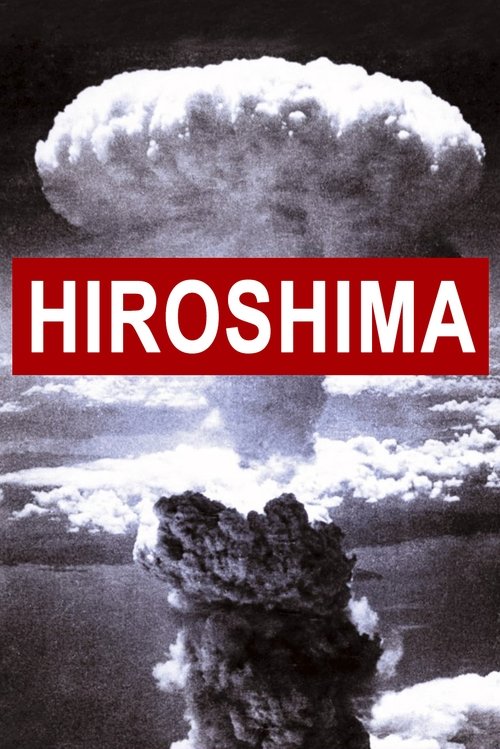
The documentary recounts the world's first nuclear attack and examines the alarming repercussions. Covering a three-week period from the Trinity test to the atomic bombing of Hiroshima, the program chronicles America's political gamble and the planning for the momentous event. Archival film, dramatizations, and special effects feature what occurred aboard the Enola Gay (the aircraft that dropped the bomb) and inside the exploding bomb.

Russian Empire, 1812. While Napoleon gathers his troops, a French spy infiltrates Admiral Fyodor Ushakov's estate. The great naval commander is ready to rejoin the fray, and his weapons will be his faith and love for his homeland.
The story is set in the British province of New York during the French and Indian War, and concerns—in part—a Huron massacre (with passive French acquiescence) of between 500 to 1,500 Anglo-American troops, who had honorably surrendered at Fort William Henry, plus some women and servants; the kidnapping of two sisters, daughters of the British commander; and their rescue by the last Mohicans.
A portrait of the bloody dynasty that spawned a pope, Alexander VI, as well as the role model for Machiavelli's “The Prince,” his son Cesare Borgia, and a legend of femme duplicity, daughter Lucrezia Borgia.
On the 1991 European Basketball Championship an incredible event occured. A team of some of the greatest Balkan basketball stars accepted gold and watched the flag of their country be lifted up. The flag of a country that no longer existed.
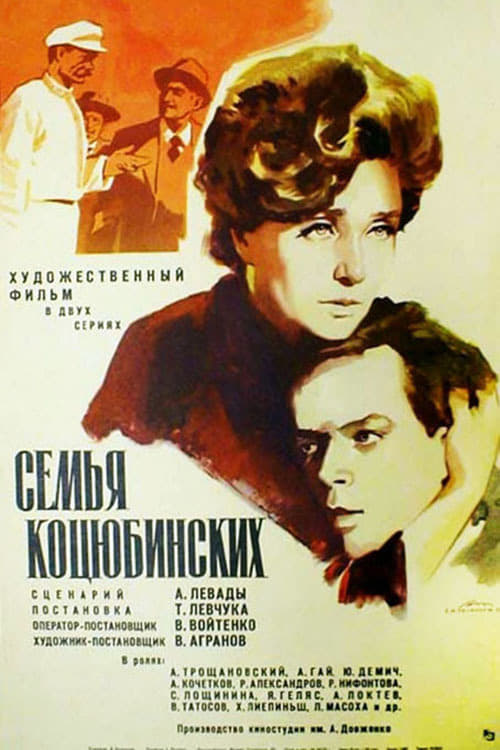
The events of the film cover the story of the Kotsiubynsky family in the years 1912-1918, ending with the defeat of the Central Rada and the establishment of a Soviet republic in Ukraine in the spring of 1918.

Follows the life of Yuldash Akhunbabayev, one of the first leaders of Uzbekistan. The painting covers the period from the late 1930s to the beginning of the Great Patriotic War.
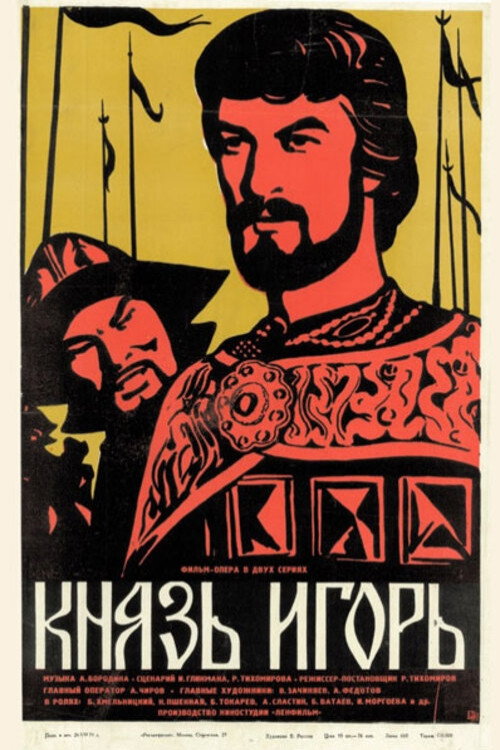
Based on opera "Prince Igor" by Borodin.
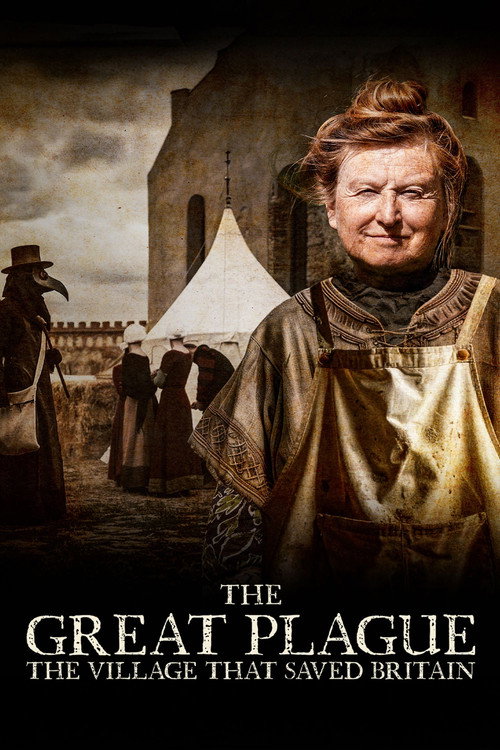
The story of Eyam, a small, isolated village in the Peak District, whose residents endured one of the worst outbreaks of bubonic plague ever seen. In the mid 1660s, plague reached the remote Derbyshire village, and as the disease tore through the community, young vicar William Mompesson made an extraordinary decision - to seal the village off entirely. Historian Ruth Goodman tells the story of some of the villagers who lived and died through 14 months of horror.
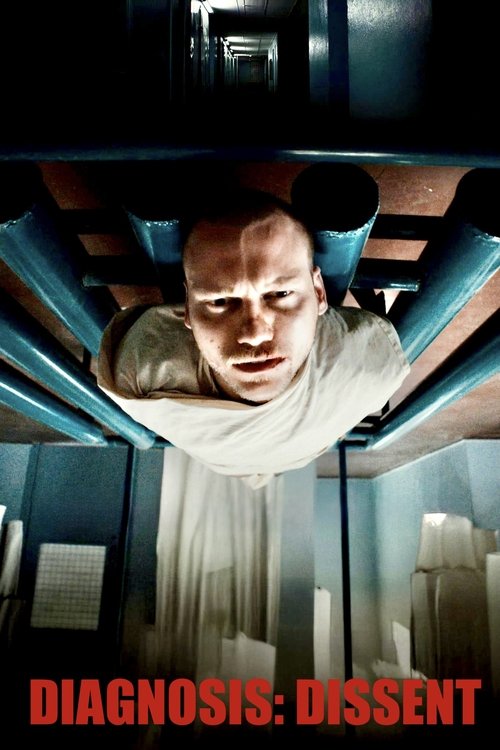
The protagonist Andrii Dovzhenko finds out a horrible truth, that has been hidden in USSR for years - most of those accused of «anti-Soviet propaganda» were never sent to prison, but to special psychiatric hospitals with a diagnosis of "slow progressive schizophrenia". Andrii finds himself in a real hell of punitive psychiatry and faces a difficult choice - to cooperate with the KGB and return to his family, or to reveal the truth about dissidents tortured in such psychiatric hospitals. The script was based on the memoirs of Soviet dissidents who faced the brutality of a totalitarian system that used so-called "punitive psychiatry" as a weapon against free thought.

Romm pulls out all the stops in his selection of documentary material to draw the viewer not only into absolute horror about fascism and Nazism in 1920s–1940s Europe, but also to a firm conviction that nothing of the sort should be allowed to happen again anywhere in the world.

In autumn of 1526, the Emperor, Charles V, sends his German landsknechts led by Georg von Frundsberg to march towards Rome. The inferior papal armies, commanded by Giovanni de'Medici, try to chase them in the midst of a harsh winter. Nevertheless, the Imperial armies manage to cross the rivers along their march and get cannons thanks to the maneuvers of its Lords. In a skirmish, Giovanni de'Medici is wounded in the leg by a falconet shot. The attempts to cure him fail and he dies. The Imperial armies assault Rome. The film is beautifully but unassumingly set, and shows the hard conditions in which war is waged and its lack of glory. It ends straightforwardly with the declaration made after the death of Giovanni de'Medici by the commanders of the armies in Europe of not using again fire weapons because of their cruelty.
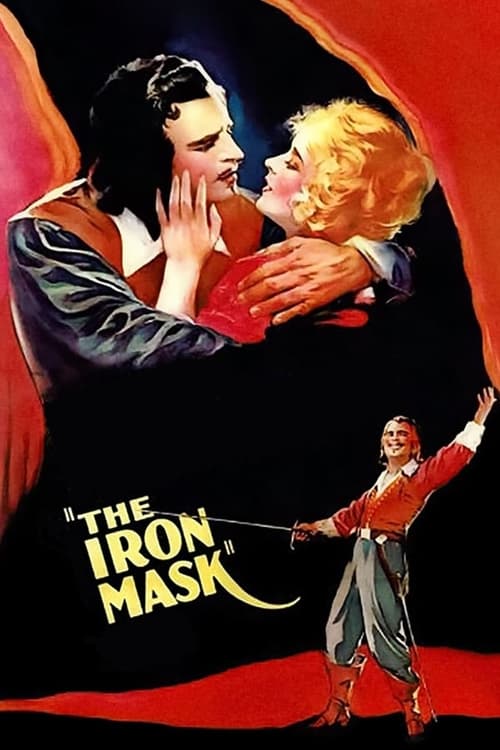
King Louis XIII is thrilled to have born to him a son – an heir to the throne. But when the queen delivers a twin, Cardinal Richelieu sees the second son as a potential for revolution, and has him shipped off to Spain to be raised in secret to ensure a peaceful future for France. Alas, keeping the secret means sending Constance, lover of D'Artagnan, off to a convent. D'Artagnan hears of this and rallies the Musketeers in a bid to rescue her.
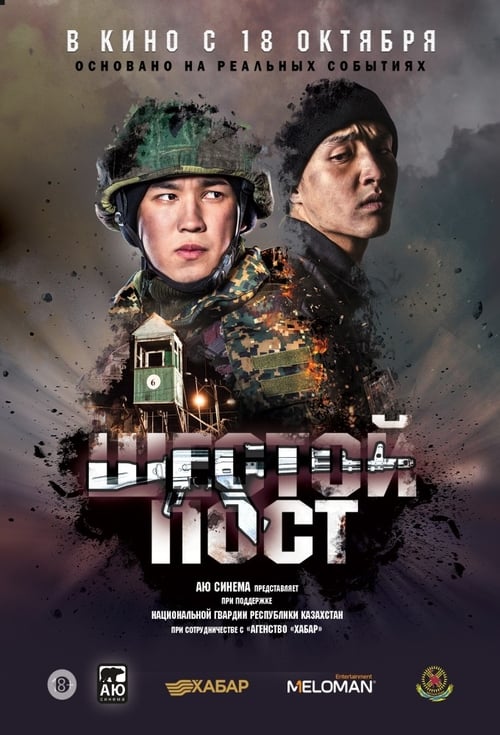
Against the backdrop of a conflict between former friends, and now a soldier and a prisoner, events break out that will make them make a difficult choice. This choice changed the history and attitude to true heroism.
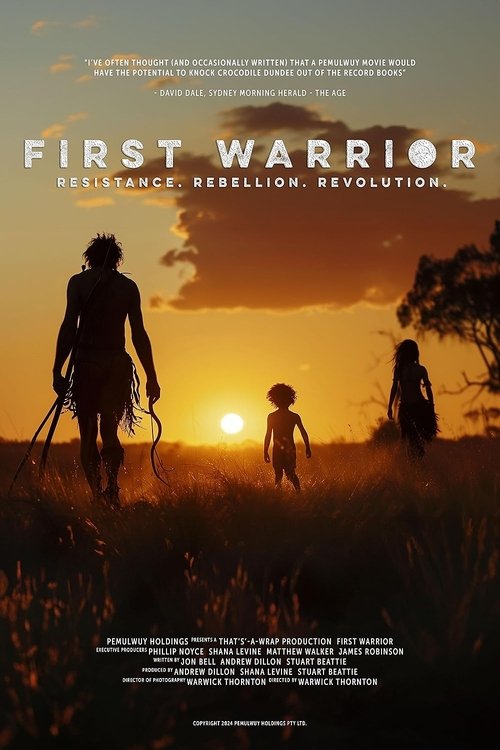
Australia was colonized in the late 1700s. Pemulwuy, a man of the Bidjigal tribes — from the region that is today modern-day Sydney — led a 12-year resistance against British settlers moving into his people’s traditional lands.
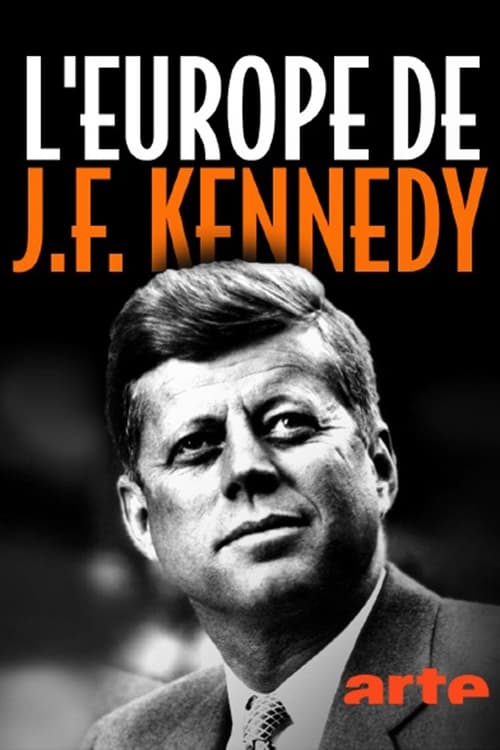
A docudrama on John F. Kennedy's early travels through Europe with his best friend Lem Billings. A road trip that would lay the foundation for JFK's later love for Europe and its countries, such as Germany.
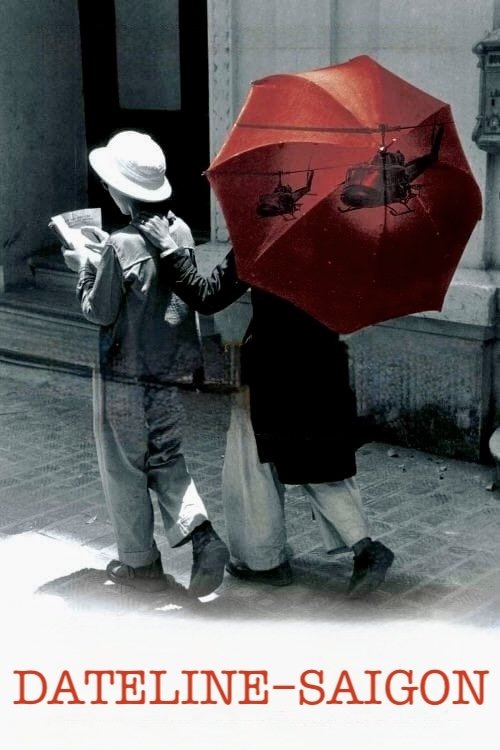
How does a nation slip into war? Dateline-Saigon profiles the controversial reporting of five Pulitzer Prize-winning journalists -The New York Times' David Halberstam, the Associated Press' Malcolm Browne, Peter Arnett, and legendary photojournalist Horst Faas, and UPI's Neil Sheehan -- during the early years of the Vietnam War as President John F. Kennedy is secretly committing US troops to what is initially dismissed by some as 'a nice little war in a land of tigers and elephants.' 'When the government is telling the truth, reporters become a relatively unimportant conduit to what is happening,' Halberstam tells us. 'But when the government doesn't tell the truth, begins to twist the truth, hide the truth, then the journalist becomes involuntarily infinitely more important.'
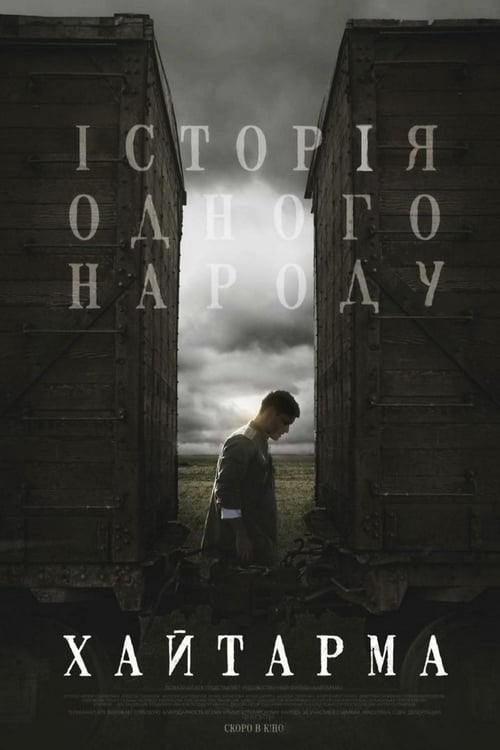
The film tells about the tragic date in the history of the Crimean Tatar people — May 18, 1944 — Stalin’s deportation of the Crimean Tatars. The plot of the film — a pilot, twice Hero of the Soviet Union, Amet-khan Sultan. In May, 1944, a year after the liberation of Sevastopol, Amet-khan goes on vacation to his native town Alupka. On May 18 his eyes witness the beginning of the deportation of the Crimean Tatars.

Explore Emily Dickinson's vivacious, irreverent side that was covered up for years — most notably her lifelong romantic relationship with another woman.

Ten years after the Black Death devastated the country, a poor family sets out on a journey to search for better living conditions. In a deserted mountain pass, they are attacked by a gang of ruthless killer thieves. The only one spared is 19 year old Signe. She is taken prisoner, and the gang brings her back to their camp. Here, she soon learns that they have a fate worse than death in store for her, and realises that her only hope is to escape.