Protocol Archives • Browse all History titles in HD

A historical saga, based on personal stories and the history of Brda (a region near the border in the west of Slovenia), depicts a bloody history of Europe, full of wars, nationalisms and at the same time cohabitation, which is always personal and common to everyone.
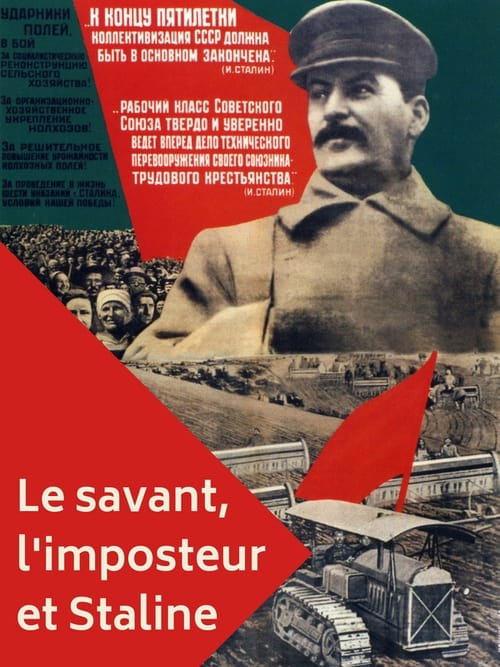
The documentary tells two very different human fates in the 1920s Soviet Union. Nikolai Vavilov was a botanical genius, Trofim Lyssenko was an agronomist who made great promises and fake inventions. Each of them tried to solve the country's nutritional problem, but only one succeeded.
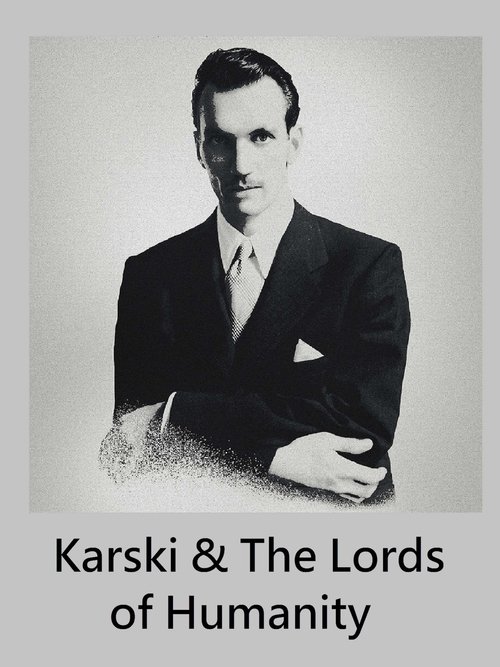
The film tells the story of a member of the Polish underground who acted as a courier during World War II and whose most prominent mission was to inform the Allied powers of Nazi crimes against the Jews of Europe in an effort to prevent the Holocaust.
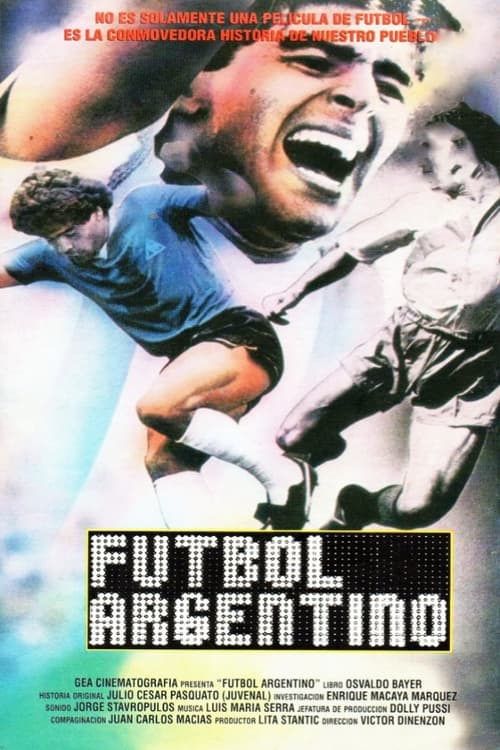
A history of Argentine football, from its origins in the nineteenth century to the victory of the Argentine national team in the 1986 World Cup. The film uses valuable archival footage.
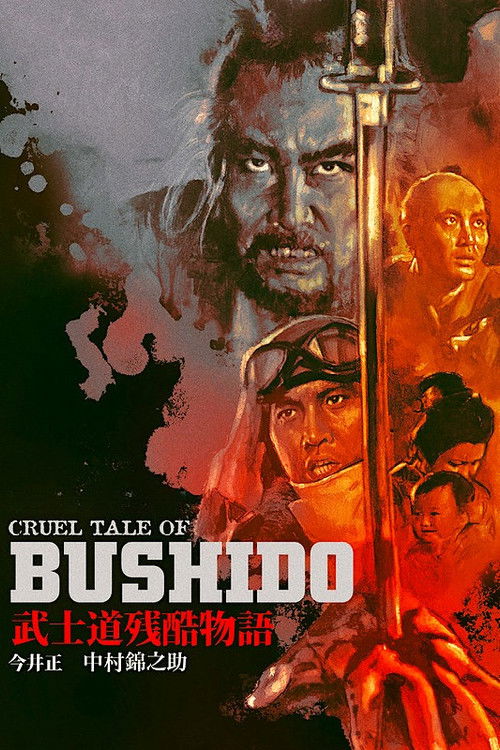
After a salary-man's fiancée attempts suicide, he recounts his gruesome family history which saw generations of his ancestors suffer and sacrifice themselves for the sake of their cruel lords.
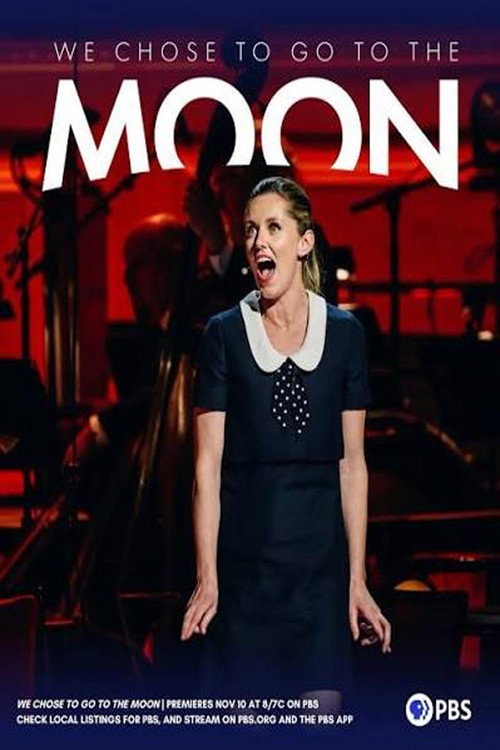
The dramatic tale of America's race to space and the decision to land a man on the Moon in one of the most ambitious scientific and exploration achievements in history.
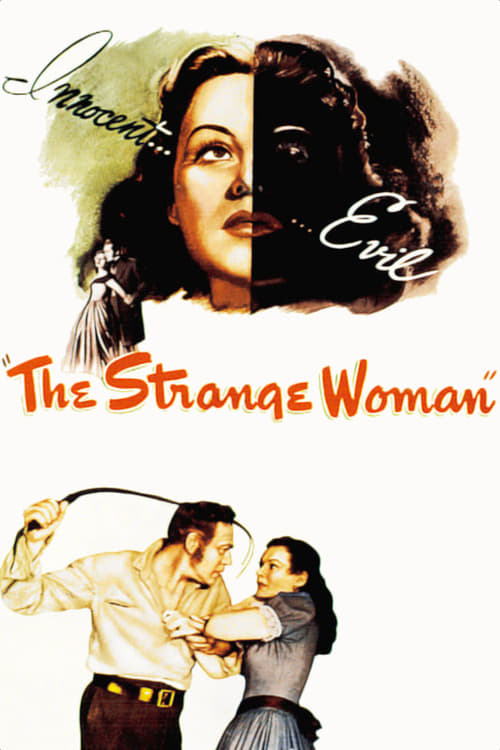
In early 19th century New England, an unscrupulous woman uses her beauty and wits to seduce, deceive and control the men around her.

John Newton was a troubled young man with a violent temper and a penchant for vulgarity that literally made his fellow sailors blush. Whipped for desertion and sold into slavery, it seemed his life would end early in a West African grave...until he was rescued by a ship captain sent by his father. Following a powerful conversion experience during a storm at sea, Newton would eventually become a pastor in the Church of England and the writer of several of the church's most beloved hymns, including "Amazing Grace".
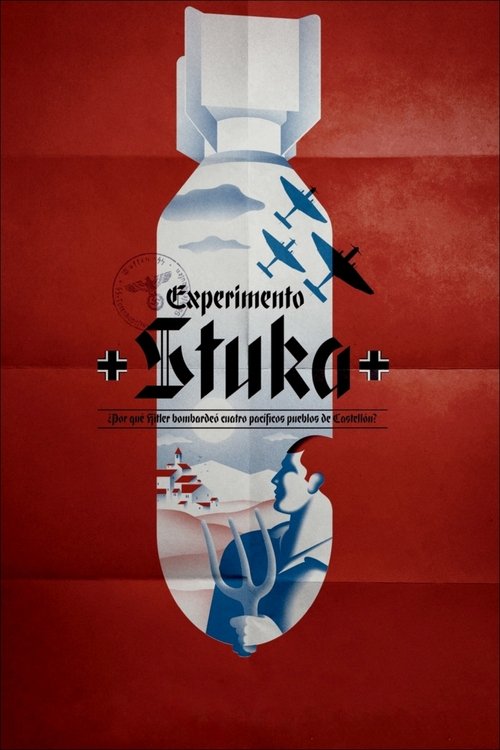
Spanish Civil War, May, 1938. Four villages in Castellón, Benassal, Albocàsser, Ares del Maestrat and Vilar de Canes, were bombed from the sky and ravaged. 38 people died. Inhabitants never knew for sure who piloted the planes responsible for such atrocity, although the rebel propaganda attributed the act to the republican side. Now, 80 years later, the truth is finally exposed.

Based on the novel by the famous Lithuanian writer A. Gudaitis-Guzevičius “The Truth of Blacksmith Ignotas” about the revolutionary events of 1918-1919. in Lithuania, about the struggle of workers for Soviet power, for the freedom of their homeland.
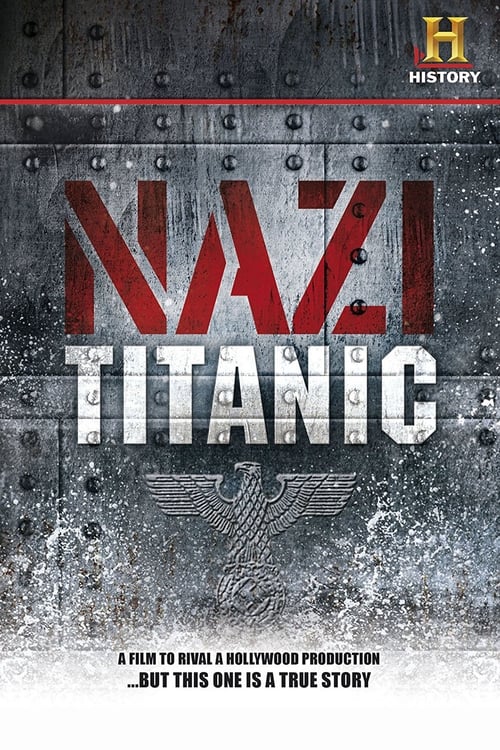
During a bizarre chapter of WWII, Nazi propaganda minister Joseph Goebbels decided to make a movie based on the sinking of the Titanic. This epic film was so large in scale that the Nazis were forced to divert men, material and ships from the war effort in order to complete it. Titanic was filmed aboard cruise ship SS Cap Arcona in the Baltic Sea. The movie’s director Herbert Selpin was arrested by the Gestapo over comments he made about the ship’s crew and he was questioned by Goebbels. Selpin was found dead the next day in his cell. The Gestapo’s verdict was suicide. Titanic never received the impressive premiere that Goebbels intended, being first shown in Nazi-occupied Paris in 1943. We reveal this little known but fascinating story by looking at the making of the film, as well as the fate of the German ship Cap Arcona.

This John Nesbitt's Passing Parade short takes a look at the gentlemanly life and masterful counterfeiting exploits of Everett Nordill, one of the cleverest counterfeiters who ever baffled the agents of the U.S. Treasury department.


Alistair Heather sets out on a mission to reclaim the Scots language. For decades, his fellow-Scots speakers have been mocked, their language oppressed by educators, politicians and broadcasters. One famous report claimed that 'Scots is not the language of educated people anywhere'. Alistair tells the history of the language and argues that Scots is fighting back after decades of ignorance and oppression.
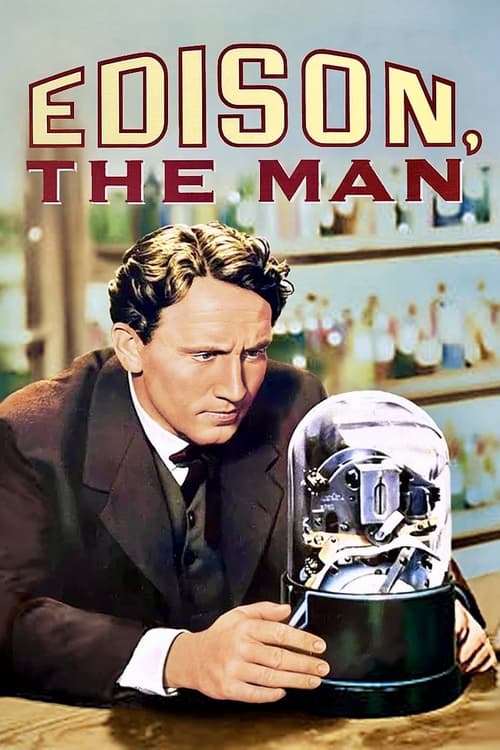
In flashback, fifty years after inventing the light bulb, an 82-year-old Edison tells his story starting at age twenty-two with his arrival in New York. He's on his way with the invention of an early form of the stock market ticker.
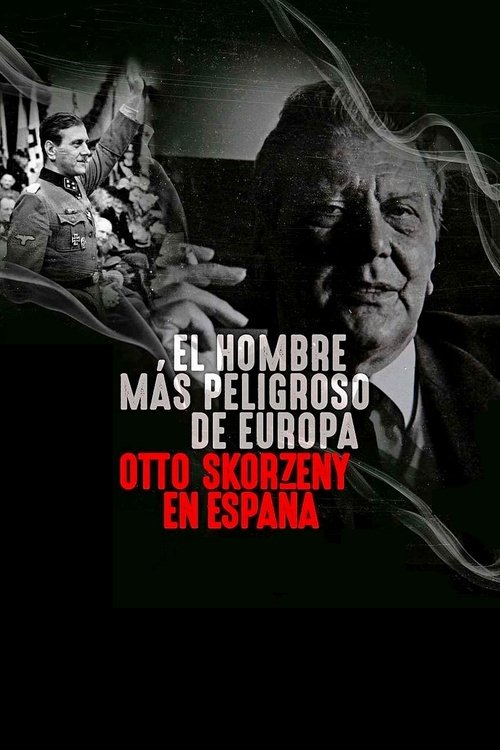
Waffen-SS officer Otto Skorzeny (1908-75) became famous for his participation in daring military actions during World War II. In 1947 he was judged and imprisoned, but he escaped less than a year later and found a safe haven in Spain, ruled with an iron hand by General Francisco Franco. What did he do during the many years he spent there?
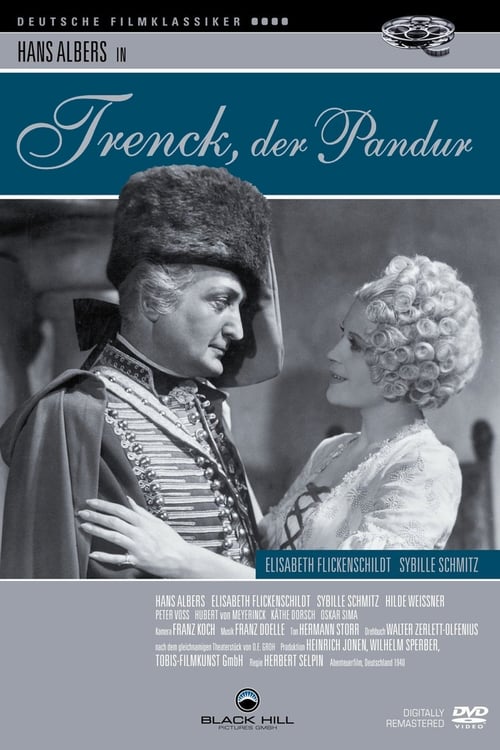
Film about the fictitious adventures of Franz Freiherr von Trenck, who lived during the times of empress Maria Theresia of Austria garnished with espionage and twisted love affairs.
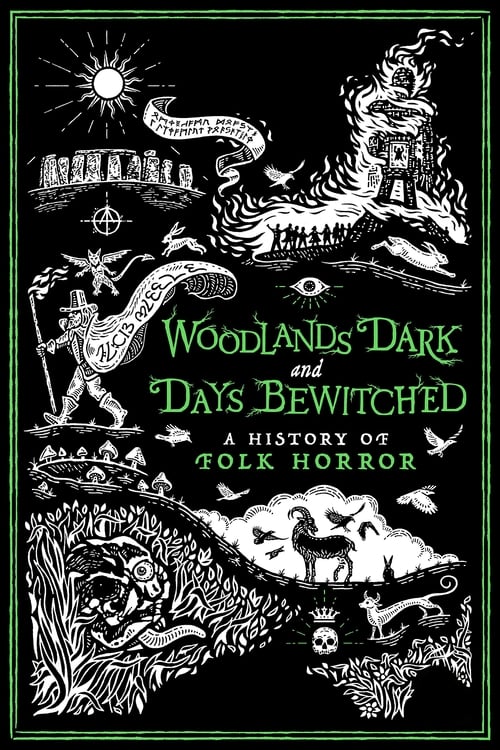
An exploration of the cinematic history of the folk horror, from its beginnings in the UK in the late sixties; through its proliferation on British television in the seventies and its many manifestations, culturally specific, in other countries; to its resurgence in the last decade.
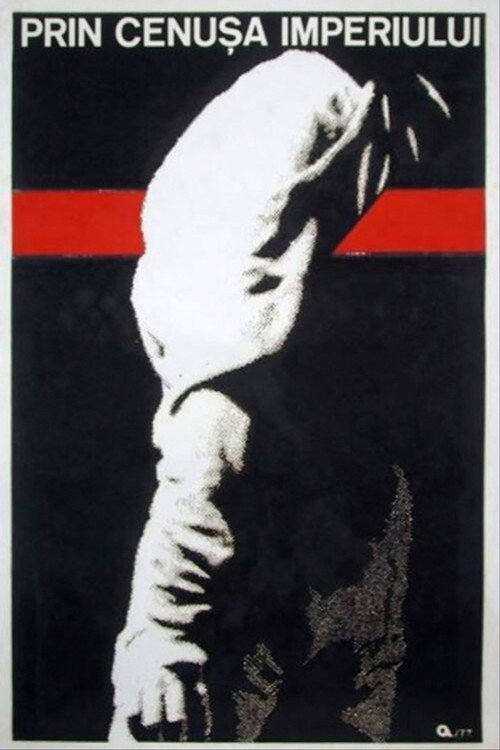
A war story. survivors. refugees. few essential meetings. and great actors. a film inspired from Zaharia Stancu short story. about pain, search of sense in misty times, about roots of evil and price of survive, about a country as shadow and ruins of a empire. all in dark nuances, touching images. a movie like a ballad. heavy, strange, profound, harsh, cruel. with few drops of feelings as steps of rotten ladder. looks, silhouettes, way to ambiguous home. a thief and a young man. across Balkans. among ash of a fragile territory. the impressive aspect – silence. and gestures. the woman, the train. the escape. the bath. and the death of Diplomat. all – fragments of an old way to discover reality. all – words of a new world.
This historical melodrama (later remade by Henry Roussel himself in 1932 and Richard Pottier in 1952) set during the reign of Napoleon III of France. Here, Raquel Meller plays a Spanish flower girl who saves the life of the French empress Eugenie de Montijo (played by Suzanne Blanchetti), by taking her place in her carriage. When the carriage is overthrown by the anarchist's bomb, the girl survives because of the masses of violets in the imperial carriage, the empress' favorite flowers.