Protocol Archives • Browse all History titles in HD
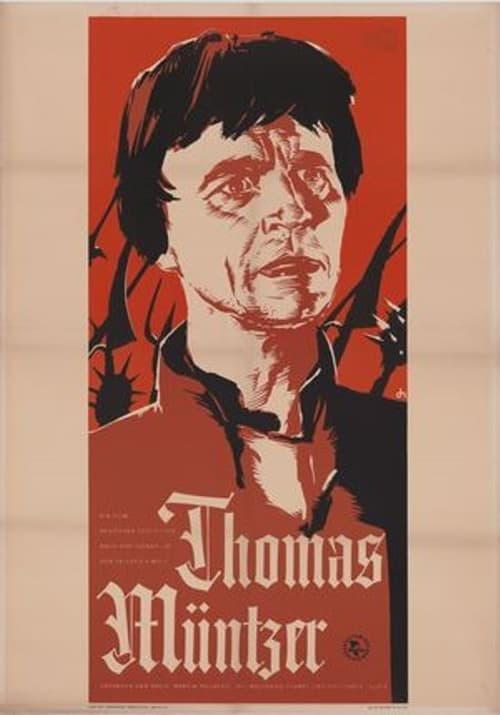
In 1523, young Thomas Müntzer arrives with his wife Ottilie in the Thuringian village Allstedt to assume the rectorate. As a follower of Luther′s teachings, he finds in the Bible not only reasons for clerical, but also for secular reforms. But when Luther turns away from the rural population after a discord with Müntzer, it is Müntzer who becomes the peoples′ spokesman. He is forced to go to Southern Germany, where he convenes with revolting farmers. But his way leads him back to Thuringia. In 1525, he and Heinrich Pfeiffer form the centre of the Thuringian peasant uprising in Mühlhausen, but their success is diminished by the fact that peasants and craftsmen don′t seem to be able to work together. In Frankenhausen, Müntzer becomes the leader of a peasants′ army that is set to fighting the ruler′s army – and sustains a devastating loss. Müntzer is arrested and sentenced to death by decapitation for his insurgency.
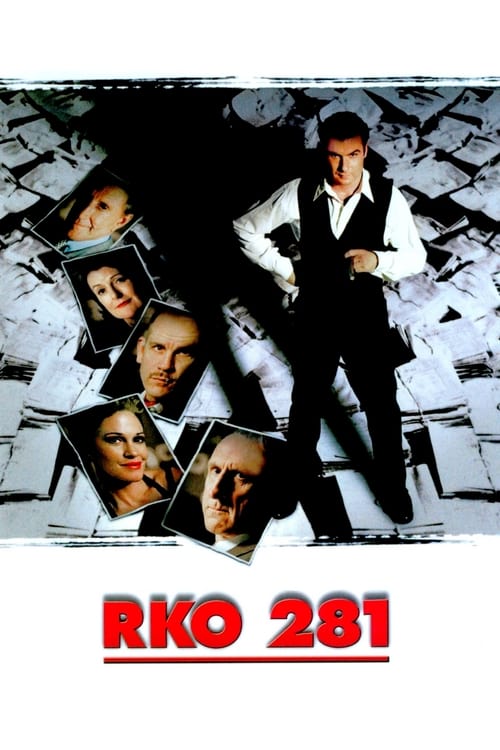
In 1939, boy-wonder Orson Welles leaves New York, where he has succeeded in radio and theater, and, hired by RKO Pictures, moves to Hollywood with the purpose of making his first film.
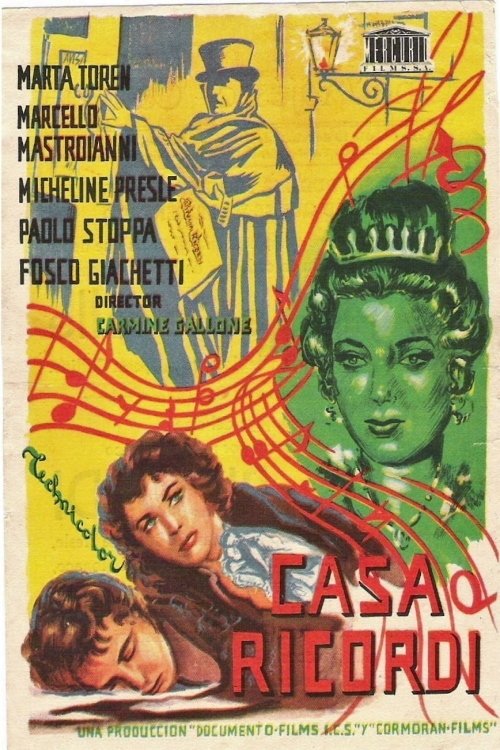
The film covers a hundred years in the lives of the Ricordi family, the Milan publishing house of the title, and the various composers and other historic personalities, whose careers intersected with the growth of the Ricordi house. It beautifully draws the parallel between the great music of the composers, the historic and social upheavals of their times, as well as the "smaller stories" of the successive generations of Ricordi.
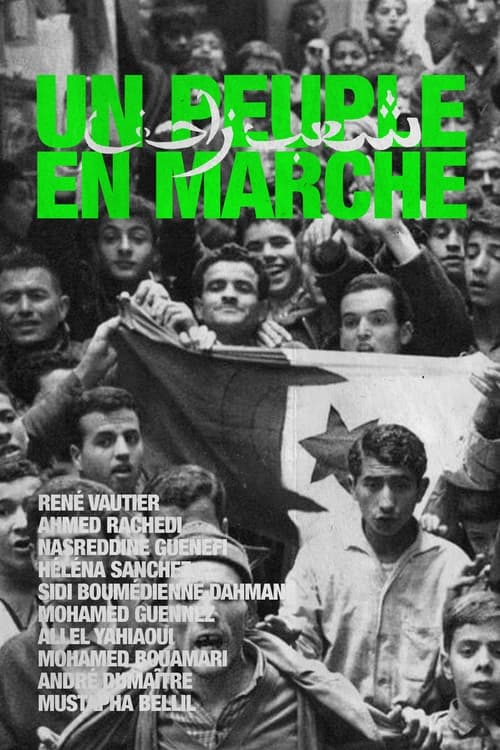
Collectively directed by the members of the Centre audiovisuel d'Alger at Ben Aknoun, the film traces, in two parts, Algeria's recent history, from colonial repression to the birth of the National Liberation Army, and the country's postwar reconstruction, framed in sympathy with the socialist project of Ahmed Ben Bella's government. Released in 1964, the film was banned and sealed after Houari Boumediene's June 1965 coup, precisely because of its favorable treatment of Ben Bella.

The story of Perle Mesta, who became, first, a renowned society hostess, and then an ambassadress.

it's a 2002 Bangladeshi true film about one country's king

The story of Brazil’s first emperor, returning to Europe on board the English ship Warspite. The trip makes Pedro conquer his fears and face his life from a personal point of view. He goes back in time and relives outstanding moments of his earlier life – since his childhood, when in 1808 he arrived coming from Portugal with his family, until he left in the dead of the night, in 1831, running away from Brazil.
The story of Robert Stewart, illegitimate son of King James V. He grew up with Queen Mary of Scots in France and was the only one risked his life to warn King Consort Henry Stuart before his assassination.
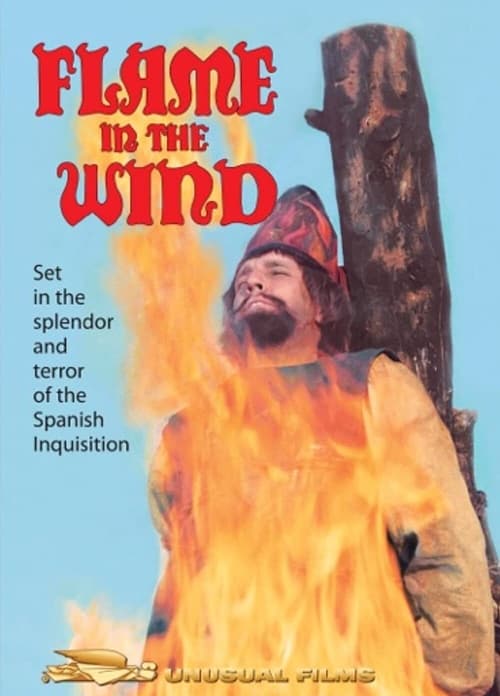
Set in the splendor and terror of the Spanish Inquisition, Flame in the Wind tells the story of Carlos, an earnest young nobleman who is faced with a choice: the church system offers safety, protection, and respectability; the Scriptures offer Christ and salvation from sin—and with these torture and death.
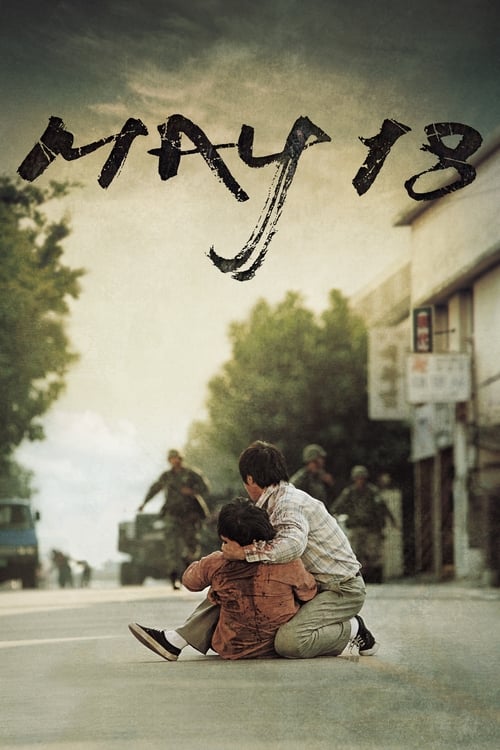
The citizens of Gwangju lead a relatively peaceful life, until one day the military takes over the city, accusing the residents of conspiracy and claiming that they are communist sympathisers preparing a revolution against the current government. Seeing as the soldiers beat defenceless people, mainly students, to death, the citizens are in for retaliation and form a militia.
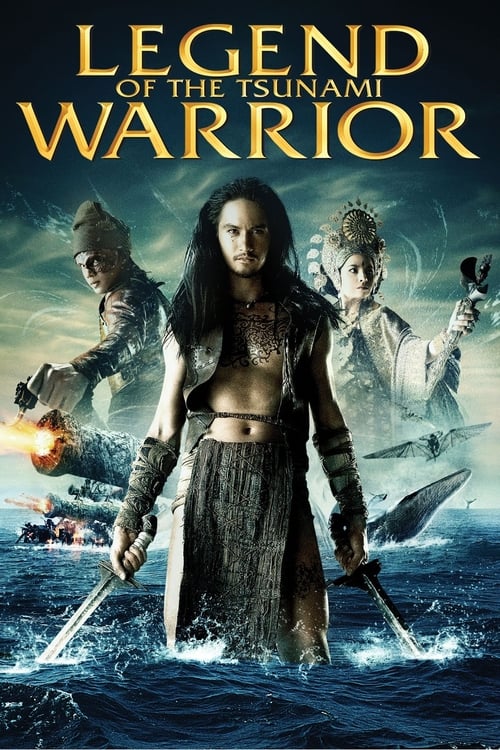
As sea pirates threaten to invade their kingdoms, three queens of Langkasuka must band together to defend their lands and peoples.

Palermo, Sicily, 1984. Examining magistrate Giovanni Falcone allies with Tomasso Buscetta, a former mobster, to defeat the clan of Corleone, the ruthless Mafia faction that rules Cosa Nostra with an iron hand, cruelly eliminating all those who dare to oppose its immense power: other criminals, policemen, judges, even innocent civilians. One of them wants revenge, the other wants justice. But only one can survive such an unequal fight.
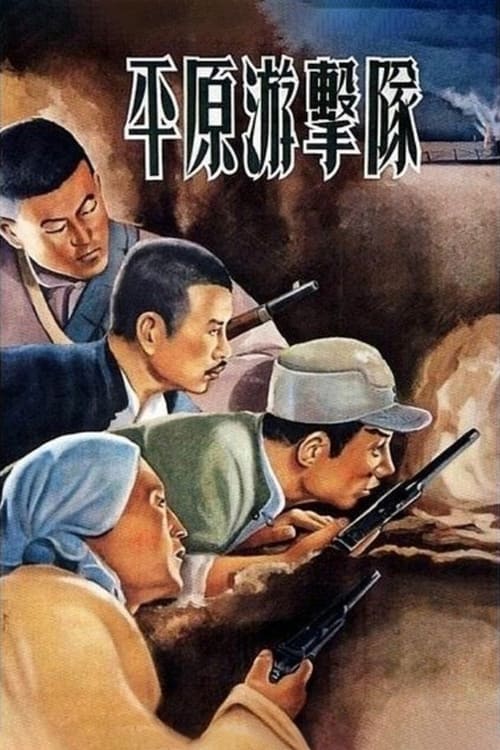
A guerrilla group led by Li Xiangyang are ambushed by the Japanese invasion army during the War of Resistance.
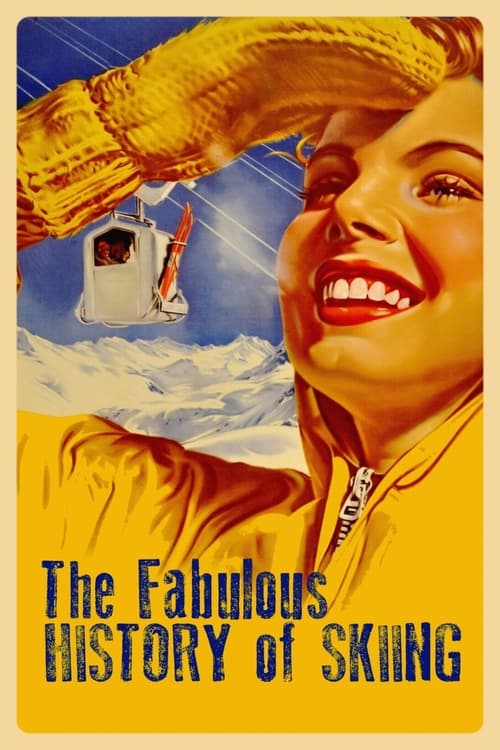
The history of skiing is an amazing journey through small and big events starring strong and avant-garde people who were not afraid to break with the prevailing social prejudices of their time and invented a new sporting discipline.

Young female fighter pilots arrive to the frontline. They have different stories and different fates. They are getting older, falling in love and lose their closest ones as well as take their place in the world of men. The air has become their home. However, at war no one knows whose fate is to live and who is doomed to die.

Francisco Morázan has been in Costa Rica for five months where he has been appointed Provisional Chief of State. It has called for elections to install a National Constituent Assembly, which should be a legal structure to the Costa Rican state. The Assembly has decreed the validity of the constitution of 1825, the same as that of the Central American Federation; It has declared the accession of Costa Rica to the Republic of Central America. Two months later Francisco Morazán is shot one afternoon on September 15, 1842.
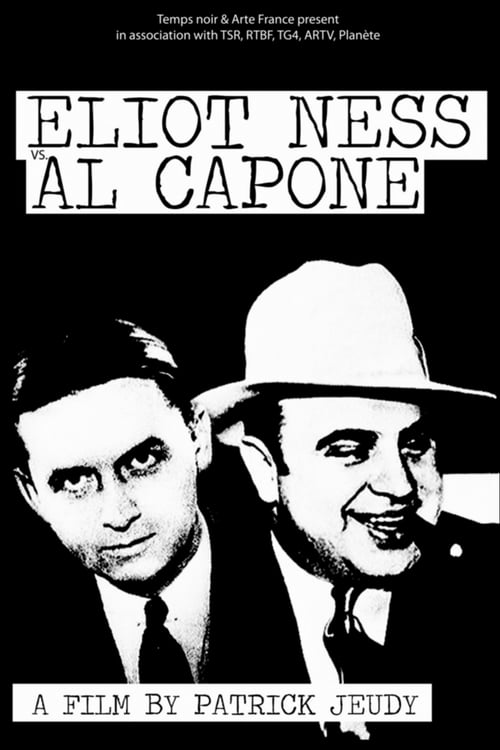
January, 1947. The public receives the news of Al Capone's death with indifference, although twenty years earlier he had ruled Chicago's crime underworld with brute force and corrupting many touchable individuals. Until the day the head of the Untouchables Brigade, Eliot Ness, entered the scene. Since then, a cruel battle between the two of them began, a battle that ended in trial, conviction, disease, insanity and death.
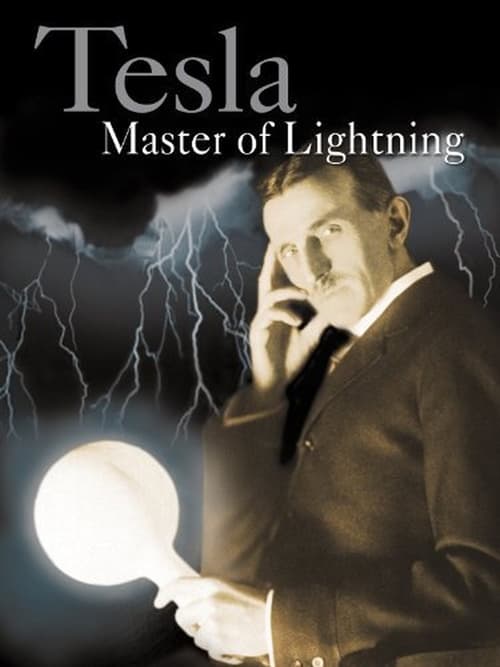
This program recounts the life of scientist, inventor, and visionary Nikola Tesla, often remembered as more of an eccentric cult figure than an electrical engineering genius. Many of his achievements are still attributed to contemporaries Thomas Edison and Guglielmo Marconi. Tesla's surprising inventions are revealed in his autobiographical and scientific writings, supplemented by rare photographs and re-creations.

The most turbulent five years in the life of a genius woman: Between 1905, where Maria Skłodowska-Curie comes with Pierre Curie to Stockholm to be awarded the Nobel Prize for the discovery of the radioactivity, and 1911, where she receives her second Nobel Prize, after challenging France's male-dominated academic establishment both as a scientist and a woman.

Enraged, a teacher murders a young pupil. Over the years, another boy is bred for one sole purpose: to avenge his sister’s death.