Protocol Archives • Browse all History titles in HD

Louis XIV, the French sun-king has two passions, establishing absolute rule over the realm -after decades of religious/civil wars- by divine right and artistic brilliancy as a dancer

Set in 19th century Vienna, Ignac Semmelweis, a short-tempered but passionate doctor, delivers babies and carries out autopsies on a daily basis while looking for the cause of puerperal fever, the mysterious epidemic that decimates patients in the hospital.

Ibrahim bin Edhem

The three protagonists listen to a storyteller recount the creation as well as the Fall. At the same time, they learn their own lessons in honesty after tricking a gardener into giving them fruit for free.
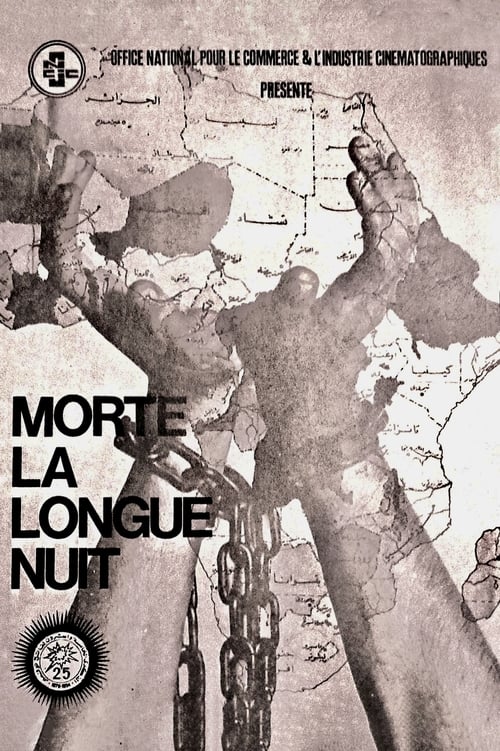
Composed of archive images narrated by the writer, anthropologist and linguist Mouloud Mammeri, the film offers a reflection on the anti-colonialist and anti-imperialist struggle movements of the 1970s around the world.

Ballard's trail jumpers attack the Wyatt Company wagon train, killing young John's parents and kidnaping his brother, Jim. In post-Civil War California, John Wyatt, now a man, pulls together a vigilante posse, The Singing Riders, who all ride white horses, dress alike, and ride the trails singing and rounding up outlaw gangs. Meanwhile, John is ever on the lookout for the gang that murdered his parents As a youngster John Wyatt saw his parents killed and his brother kidnapped. On a wagon train heading West he meets his brother who is now a spy for the gang which originally did the dirty work. He and his brother both fall for Mary Gordon When Ballard and his men attack the Wyatt wagon train, they kill all except two young brothers. Twelve years later one brother John has organized a vigilante group. The other brother Jim is now part of Ballard's gang and the two are destined to meet again


In colonial French Indochina, a woman sells her daughter and four dogs in a desperate attempt to save her husband from torture when they can’t pay off the government taxes.
A unique, engaging film that combines documentary footage with narrative cinema to tell the story of four generations of a Latvian family. Sixteen year-old student Jānis has been given an interesting homework assignment – to draw his family tree and explain it. The story of his family begins with his great-great-grandfather who burned down the manors of German landowners during the 1905 revolution. My Family Tree takes us on a journey to various countries and political regimes, showing Jānis’ ancestors to be people of diverse fates and life stories. A rich Latvian trader, a red rifleman loyal to Lenin, a carpenter with the KGB and war refugees in Sweden are only a few branches on his family tree, and the boy has heard something unusual and unforgettable about each and every one of these people.
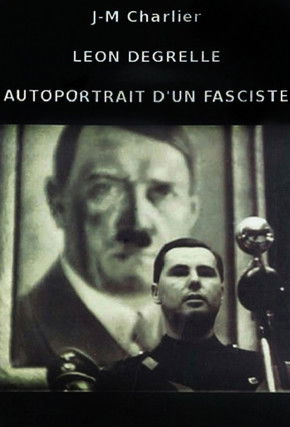
On the sidelines of history, some characters, often ignored of the greater public have, in the shadows, had a decisive weight on the most important events of our century. We are presenting you there «unknows». A two-part documentary, which is a two-and-a-half-hour interview with Léon Degrelle himself, was produced for FR3 in 1978 by Jean-Michel Charlier, as part of the series "LES DOSSIERS NOIRS" (The Obscure Records).The first part, "LÉON DEGRELLE: CHEF DE 'REX'" and the second part, "LE 'VOLKSFÜHRER' LÉON DEGRELLE".

A groundbreaking documentary created by the community of Watts, California — including rival gang members, police officers, victims of violence, and kids just trying to survive.

In August 1799, Russian troops under the command of A.V. Suvorov, having defeated the French in northern Italy, received an unexpected order. Instead of marching on Paris, they are ordered to go to the remote Swiss Alps, where there is a powerful and countless French army.
'To the May sun of a September life', wrote Henrik Ibsen on the photograph of himself that he gave to 19-year-old Emilie Bardach in Gossensass in September 1889. This is a documentary about the sixty-second year in the life of the great Norwegian dramatist.

At the beginning of the American Civil War in 1861, delegates from Unionist counties of northwestern Virginia decided to break away from the Confederacy and form a new government loyal to the United States that two years later would be officially recognized as the new state of West Virginia. This historical reenactment was commissioned to mark the restoration of the Wheeling Custom House -- the actual site of the delegates' conventions, featured within the film.
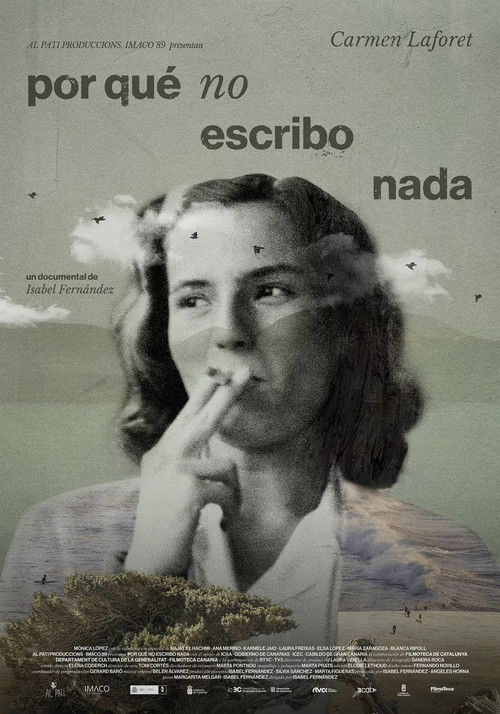
A 1967 letter to writer Ramón J. Sender is where this documentary begins, tracing Carmen Laforet, author of Nada. Through unpublished letters and archive material, the writer is rebuilt from her Gran Canaria childhood, and her silence starts to speak.

New York City's Stonewall Inn is regarded by many as the site of gay and lesbian liberation since it was at this bar that drag queens fought back against police June 27-28, 1969. This documentary uses extensive archival film, movie clips and personal recollections to construct an audiovisual history of the gay community before the Stonewall riots.
Ali Raïs is a pirate armed by the Bey of Tunis. In the year 124, his fleet was arrested by the Marquis of Santa Cruz and he found himself a prisoner, with his six hundred men in Palermo. Italian witnesses will recognize him and denounce him to the Inquisition as a renegade, an indictment which is liable to the stake. Ali seeks to influence the course of the trial, he denies ever having been a Christian and proclaims himself a Muslim, the son of a Muslim. A long game of failure takes place between the court and the prisoner, he alternately tries to speed up or slow down the course of the trial depending on the nature of the information and testimony available to the inquisitors. We believe we are witnessing a modern trial where the shots alternate according to the investigations. This story of Ali Raïs was however not invented, the character is real and all the facts are recorded in a handwritten account of the hearings of the court of the inquisition.
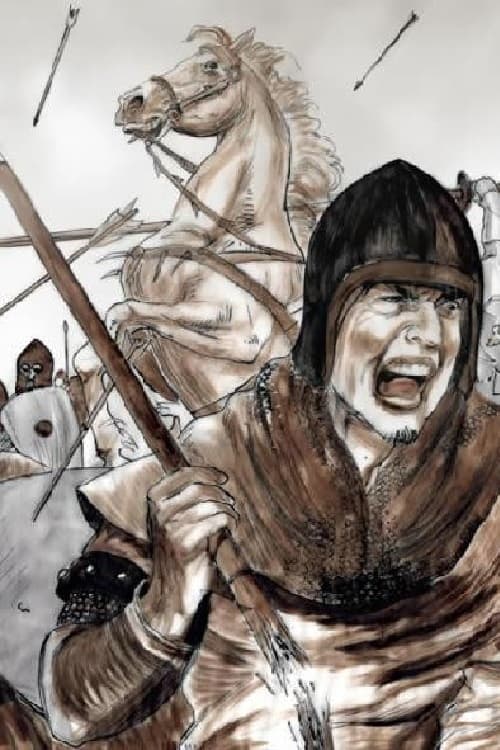
A commission from CIBA - Battle of Aljubarrota Interpretation Center, from the Batalha de Aljubarrota Foundation.

This documentary explores the historical and emotional significance of the Staburags cliff, combining personal memories, archival footage, photographs, and contemporary landscapes. Through people’s testimonies and visual material, viewers are invited to reflect on whether it is possible to reclaim what time and water have washed away. Once one of Latvia’s most popular sightseeing spots, Staburags has been widely celebrated in legends, folktales, and songs. Audiences will have the opportunity to see rare footage filmed 40 meters below the surface of the Daugava River, as well as follow a modern expedition during which special equipment was used to check whether the 18–20 meter-high Staburags cliff still remains in its place.