Protocol Archives • Browse all History titles in HD
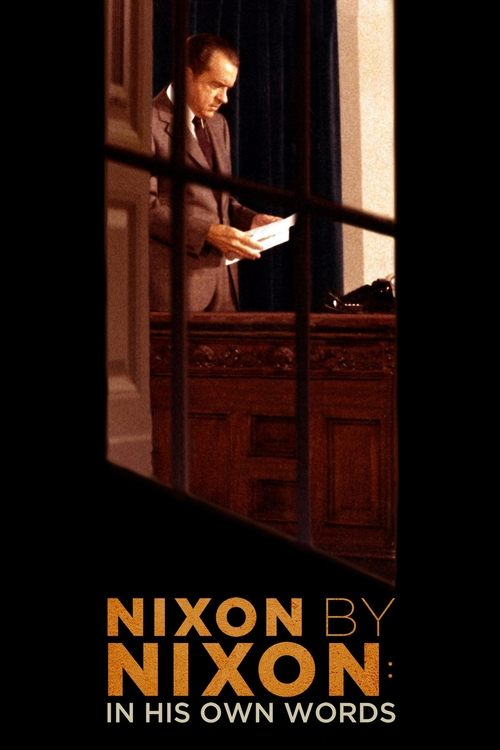
From 1971 to 1973, Richard Nixon secretly recorded his private conversations in the White House. This film chronicles the content of those tapes, which include Nixon's conversations on the war in Vietnam, the Pentagon Papers leak, his Supreme Court appointments, and more--while also exposing shocking statements he made about women, people of color, Jews, and the media.
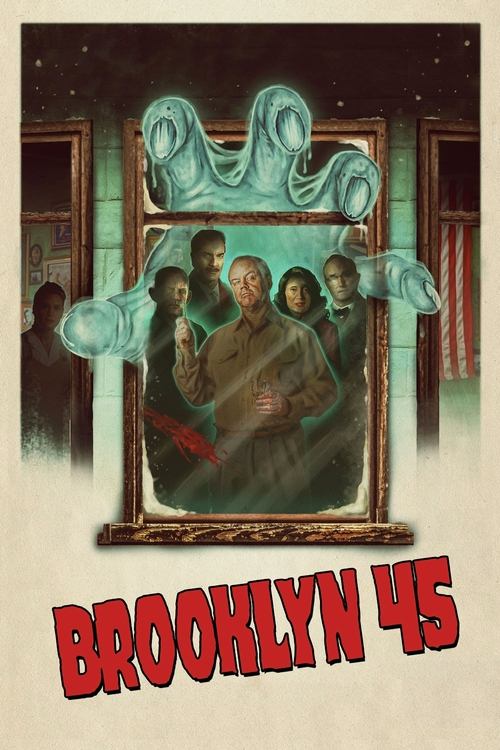
Five military veterans, best friends since childhood, gather together in a Brooklyn brownstone several months after the end of World War II, and the metaphoric ghosts of their past become all-too-literal.

In 1940 Kenya as their country prepares for war, the local aristocratic social set lives a decadent, self-indulgent lifestyle, that leads to murder. The same events were also dramatised in the feature film White Mischief, which was released seven months after the first transmission of The Happy Valley.
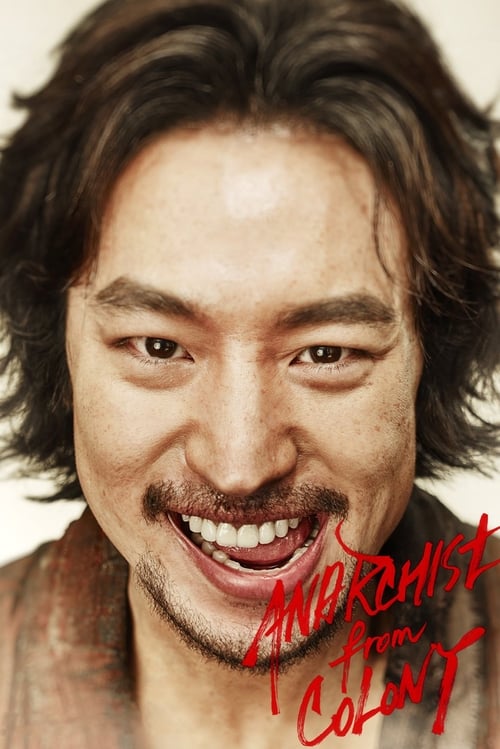
Based on the life of the Korean anarchist Park Yeol, the film shows his struggle to counter the massacre of Koreans by the government during the 1923 great Kanto earthquake, focusing on his activities as the leader of the anti-Japanese organization Bulryeongsa and his relationship with Japanese comrade Fumiko Kaneko.
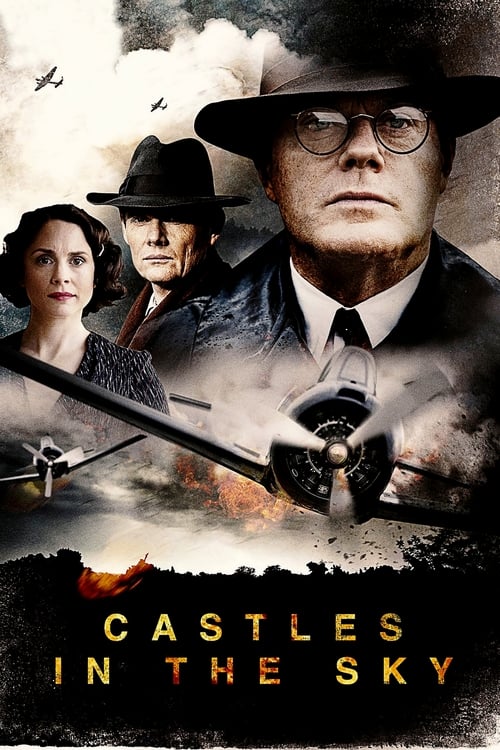
England, while the storm clouds of Nazism menace Germany. Robert Watson Watt and a team of eccentric and brilliant meteorologists struggle to turn the mere idea of radar into a functional reality.
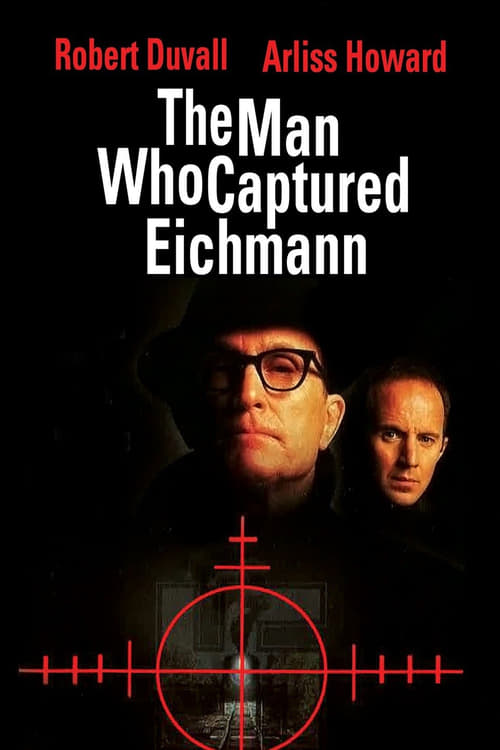
Set in 1960, the story follows the efforts of the Mossad, the Israeli Secret Service, to find former SS Colonel Adolf Eichmann, who ran from Germany to Argentina and took the name Ricardo Clement. He was wanted for the murders of both Europeans and Jews during the Holocaust. Learning of Eichmann's living in Argentina, the Mossad sends a team to capture him, led by agent Peter Malkin. The standing order: bring Eichmann back alive to Israel for trial.

Filmmaker Marshall Curry explores the inner workings of the Earth Liberation Front, a revolutionary movement devoted to crippling facilities involved in deforestation, while simultaneously offering a profile of Oregon ELF member Daniel McGowan, who was brought up on terrorism charges for his involvement with the radical group.
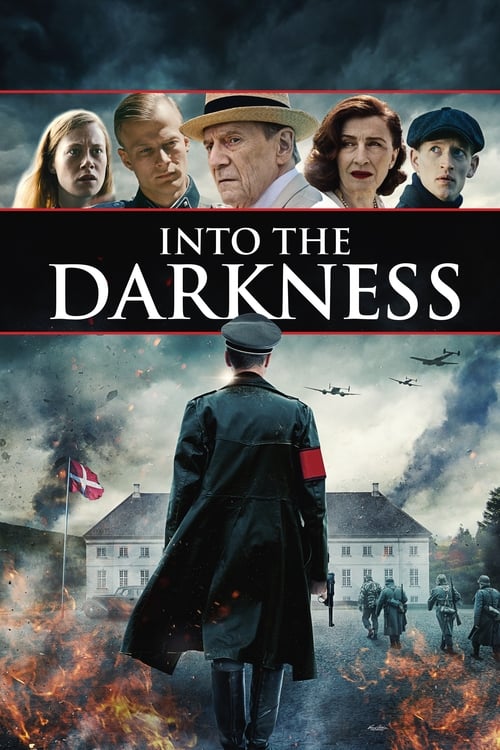
Karlskov is a self made, successful owner of a large electronics factory, has a wife and five children. They live the good, privileged upper-class life on Strandvejen north of Copenhagen when the Nazis occupy Denmark in April 1940. Karl struggles to continue production at the factory, but to protect his family and employees he reluctantly begins to produce for the German market. It brings him into a controversial collaboration with the occupying power and causes painful breaks in the family.
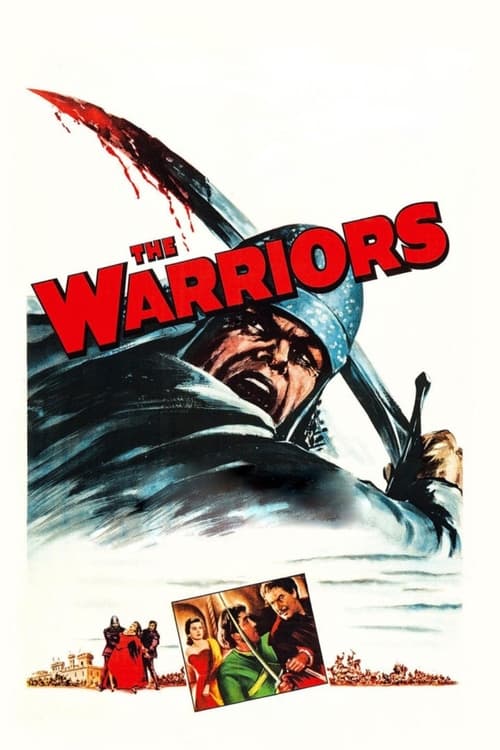
Edward, Prince of Wales, son and heir to his father King Edward III of England, leads an English army to the French province of Aquitaine to protect the inhabitant from the ravages of the French. After defeating the French in battle, the defeated French plot to kill the prince. Failing in this, they kidnap his lady, the lovely Lady Joan Holland. Of course Prince Edward has to ride to the rescue, adopting numerous guises to save his paramour, which ultimately end in him leading his men into one final climactic battle against the French. (Also known as "The Warriors" and "The Black Prince").
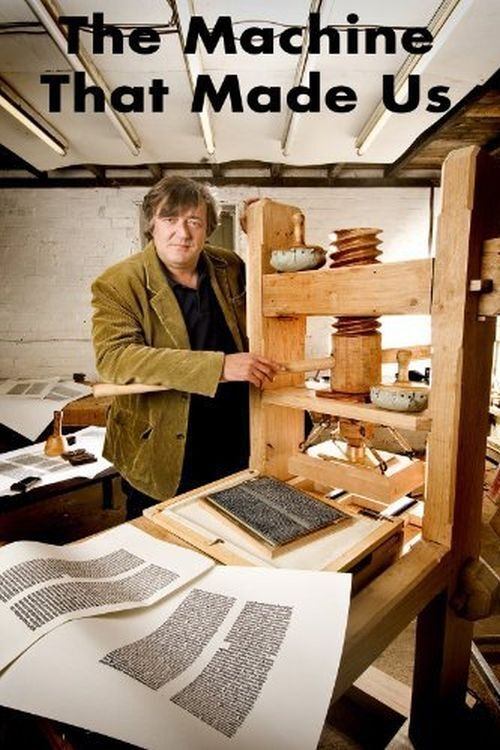
The printing press was the world's first mass-production machine. Its invention in the 1450s changed the world as dramatically as splitting the atom or sending men into space, sparking a cultural revolution which shaped the modern age.

In the 18th century, Moldavian land was under the yoke of foreign invaders and the oppression of local boyars. A national liberation struggle unfolded in the country, in which the Hajduk led by Ataman Badiu actively participated. Boyar Manya, with the help of mercenaries, managed to capture him. But the boyar's daughter, who loved Badiu, gathered a detachment of Hajduk, who freed their chieftain.
Dramatization of the American invasion in Puerto Rico during 1898.

Elmore Leonard, author of more than 40 novels, is renowned in the literary community. From his westerns and early novels of crime based in Detroit and South Florida, right through his complex and virtually plotless later work, Elmore Leonard dissected an America whose founding sins have continued to haunt it all the days. Leonard’s depiction of America is as real as Twain’s Hannibal, Faulkner’s Mississippi and Steinbeck’s Monterey. The new documentary ELMORE LEONARD: “But don’t try to write” explores the prolific author’s legacy and his influence on generations of writers. The documentary features exclusive images and previously unseen home movie footage, family photographs, and in-depth interviews with both literary experts and those who knew him well, including colleagues, family, and childhood friends.

As Percival Lowell, an optimistic astronomer, fervently believes he has discovered extraterrestrial structures across various planets, he races against skepticism and scientific scrutiny to try and validate his groundbreaking discovery.

The story, spanning more than four decades of Algerian history, from the 1940s to the 1980s, revolves around a love affair between Khaled, the middle-aged militant, and Hayat, the writer and daughter of his friend, all brilliantly told through Khaled's voice.
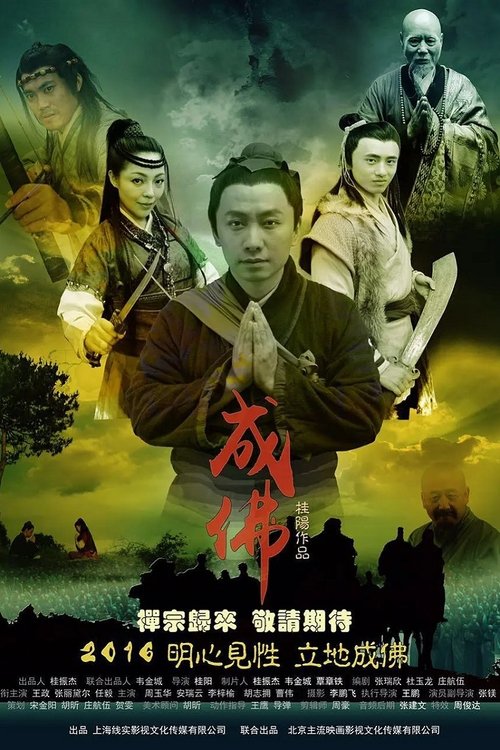
The movie "Legend of Dajian Huineng" tells the "Sixth Patriarch of Zen" Hui Neng (the Sixth Patriarch, Sixth Ancestor, Hyeneung, Daikan Enō, Ta4-chien4) on the road to Buddhahood.

Filmmaker Evan W. Gerdes shoots his family's land in Groesbeck, Texas from sunrise to sunset, using long, uninterrupted takes with natural ambience to translate his fondness for the place he grew up.
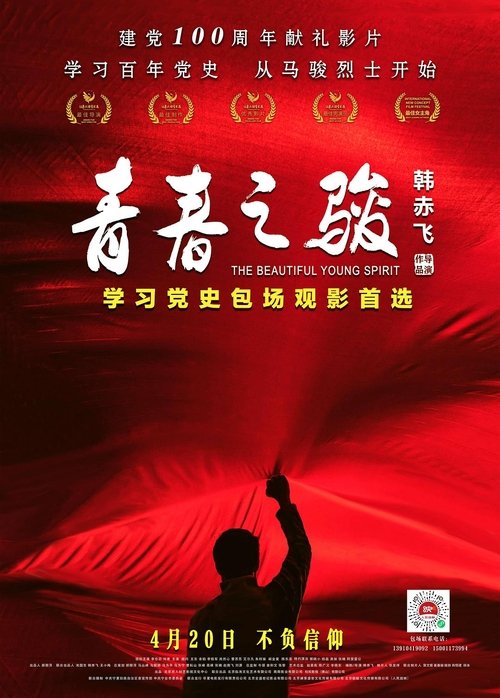
This film tells the story of Ma Jun, an early revolutionary martyr of the Chinese Communist Party. After joining the Party in 1920, he organized the May Fourth Movement, helped establish underground Party branches in Northeast China, and studied in the Soviet Union. Upon returning, he was appointed Secretary and Organization Minister of the Beijing Municipal Committee. Ultimately, he was betrayed and died heroically for the revolutionary cause.
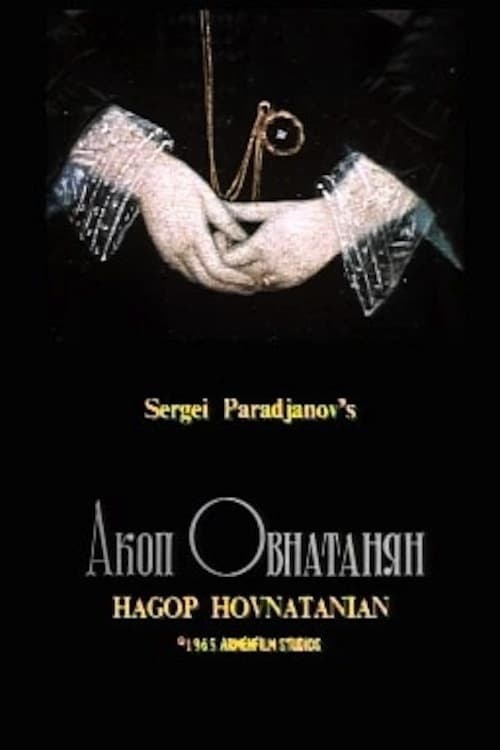
Exploring the art of Armenian portraitist Hakob Hovnatanyan, Parajanov revives the culture of Tbilisi of the 19th century.