Protocol Archives • Browse all History titles in HD
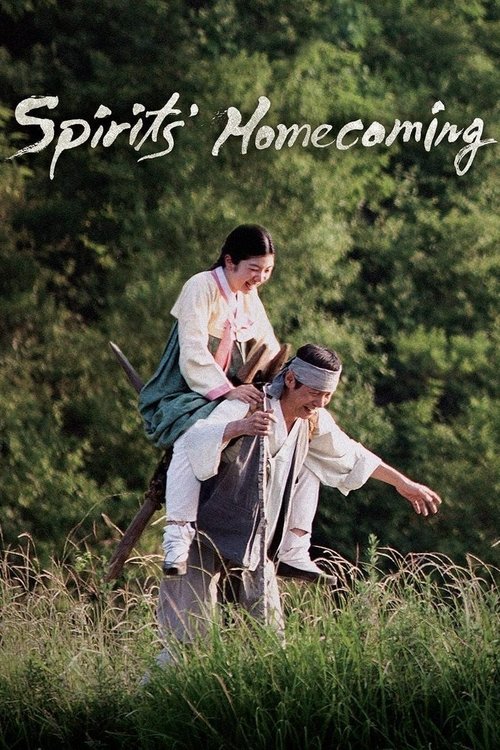
After the Japanese kidnap two Korean teenagers and take them to a comfort station to join other girls who are serving as sex slaves, only one of them survives. Decades later, the elderly woman tries to reunite with her friend's spirit.
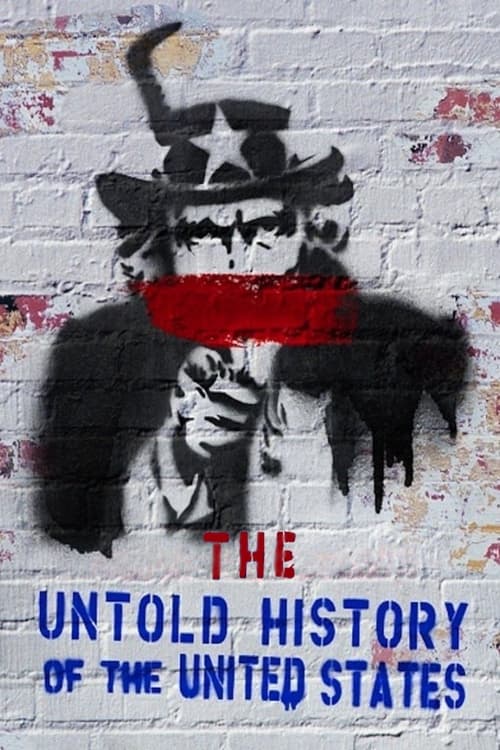
Oliver Stone charts the history of the United States from the Second World War to the present.
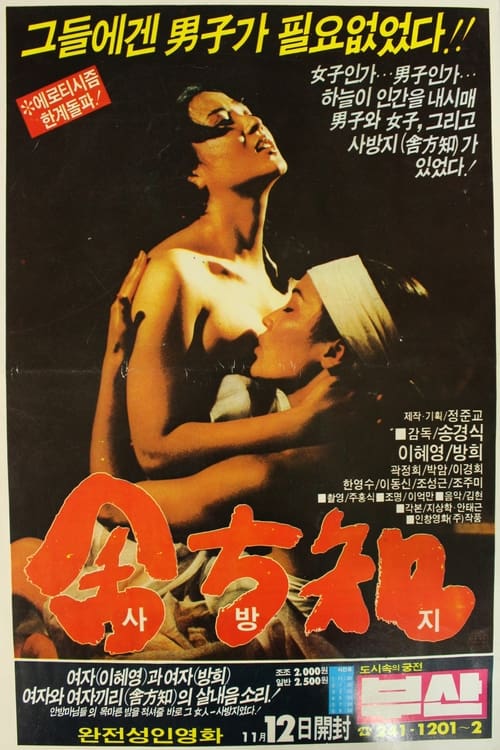
Sa Bangji was an intersex person who according to historical records lived during Korea’s Joseon Dynasty. Taken in by a kindly benefactor, Sa Bangji lives in a monastery that is one day visited by a young widow, Lee So-sa, who is in mourning following the death of her husband. The pair’s meeting seems predestined, with the erotic attraction between Sa Bangji and Lee So-sa soon evolving into something far more transcendent – and dangerous. While aspects of the film – its stylised depiction of female actors and sex – identify it as a product of its time, Sa Bangji is undeniably a milestone in screen representations of intersex people, a film that refuses to shy away from the horrendous stigmatization faced by its titular character.
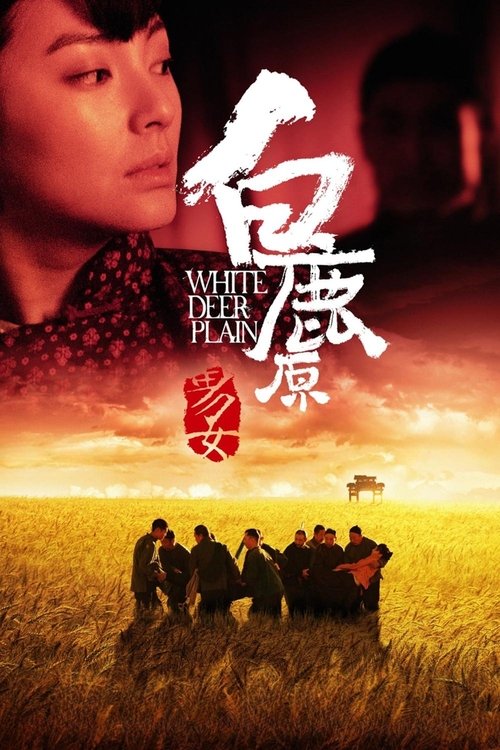
In the White Deer Village in Shaanxi Province the two most important families - Bai and Lu - and their sons have always lived together in peace. But the turmoil leads to a fierce struggle for land ownership.
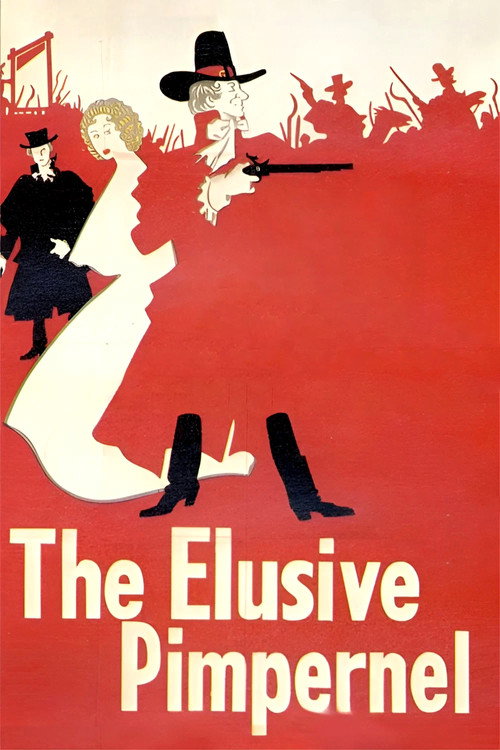
Foppish Sir Percy Blakeney, who secretly leads a double life as the daring rescuer of French aristocrats from the guillotine during the French Revolution, fights to save his brother-in-law while his wife is manipulated by the villainous Chauvelin into helping capture him, unaware of her husband's true identity.
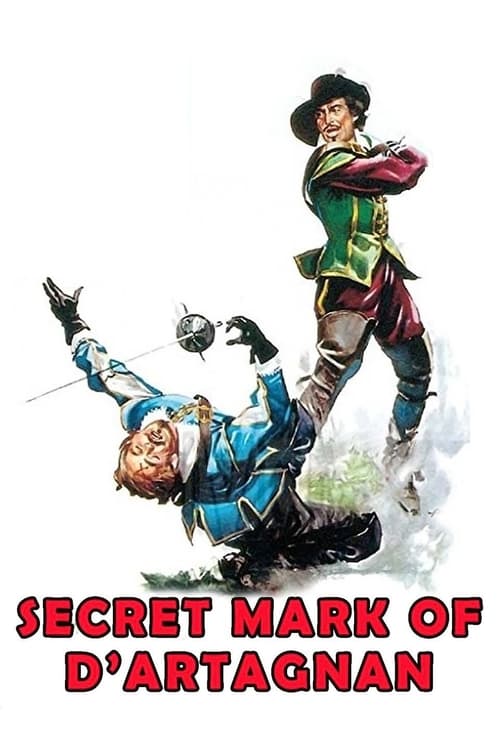
D' Artagnan and Porthos received the order of Richelieu, which protrudes as a powerful figure of the French church, a plot against the King of France Louis XIII. uncover. Disguised as a monk enters D' Artagnan the Church, in which the conspirators act. D' Artagnan, however, exposee and can only escape with the help of Porthos . Meanwhile the Duke of Montresant tried to force his ward to overwrite all their possessions to him, so that he can support the Flemish troops. The Duchess refused and is sent with her maid to Brescon. D' Artagnan and Porthos decide to follow the women…
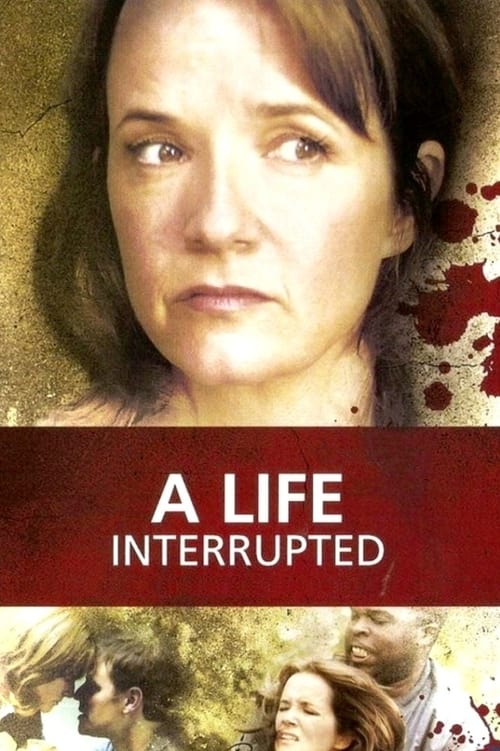
After Debbie Smith was raped, she didn't take the law into her own hands. She wrote the law... Based on a true story. In 1989, Debbie Smith was living a quiet life as a housewife with her police officer husband, Rob and their two kids, but one day it's all shattered. While her husband slept upstairs, Debbie was dragged from her kitchen in broad daylight and brutally raped in the woods. After going through the dehumanizing rape-kit, she waited with fear and paranoia. Six years later, her rapist was caught through a chance DNA test. After learning how many rape-kits go untested and how long women wait to get justice, Debbie makes it her mission so no more women will suffer the long wait to get justice.

Traces the long and ferocious rivalry between Coke and Pepsi, centered on the “New Coke” debacle of 1985. For almost a hundred years, Coke had been the undisputed leader in the multibillion dollar global soda industry–stodgy, predictable, but indisputably top dog–while Pepsi had been the upstart No. 2, forever poking at its big brother with cutting edge advertising. But in 1985, in a stranger-than-fiction twist, Coca-Cola’s executives took a step so daring that no one in either company could believe it: they changed the formula of the most popular beverage on the planet.
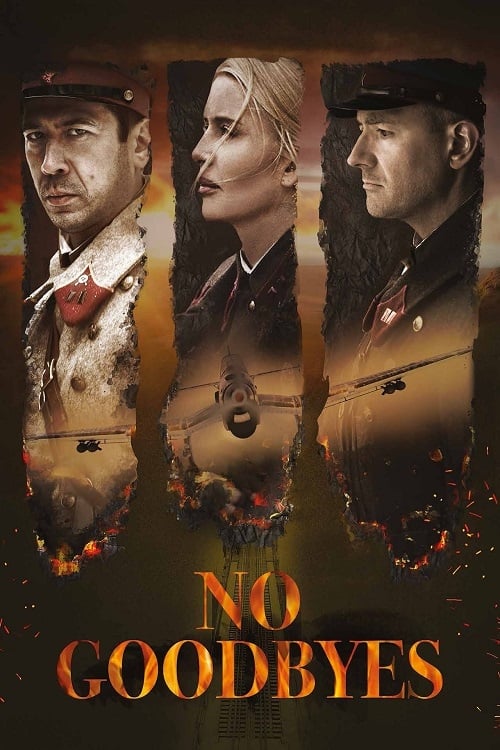
October 1941. Thousands of fascists troops are advancing on Kalinin to capture the city and therefore open a direct route to Moscow. There are two thousand people able to defend the city and they are without tanks or artillery. The only hope of holding the enemy off is in the fifth infantry division convoy, who are about to pass through Kalinin station. But saboteurs intend to do everything to keep this from happening. The head of the Kalinin garrison, Major Sysoyev, struggles to keep order and calm in the city, and himself falls under suspicion of involvement with the subversive enemy group.
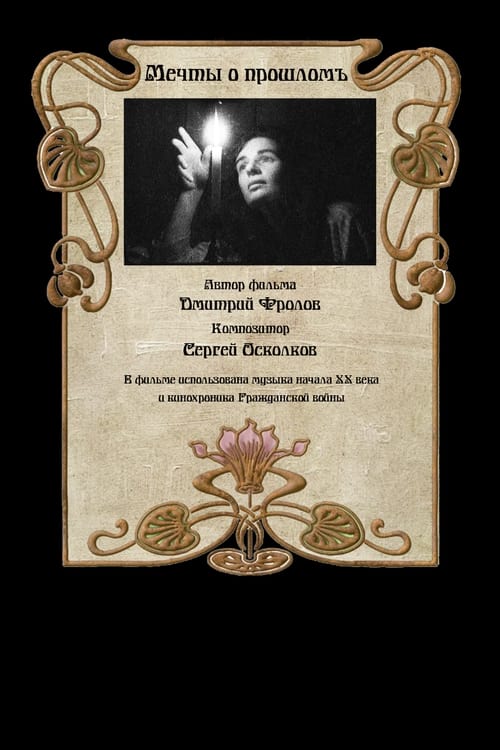
A film about peace, love and war. Dedicated to the 100th anniversary of the end of the Civil War in Russia. The film takes place at the end of the summer of 1917, when Russia and the whole world were at a crossroads between two eras. None of the people could even imagine how much his life would change in the very near future. In a strange way, the atmosphere of the film echoes our current reality and what is happening in Russia today. According to the form of visualization, the film belongs to experimental mockumentary cinema. To give greater authenticity to what is happening on the screen, the shooting was carried out on black-and-white negatives of 16 and 35 mm, hand-operated cameras were used and the material was developed in manual spiral tanks. The documentary chronicle of the Kolchak army of 1919 and the White army in the Far East of 1922 is embedded in the finale of the film.

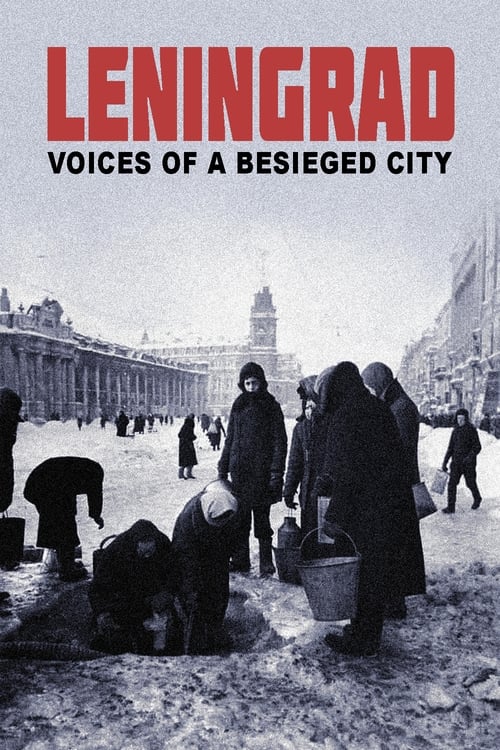
It was one of the great crimes of the Second World War: from 1941 to 1944, a total of 872 days, the siege and starvation of Leningrad by the German Wehrmacht on Hitler's orders lasted. Over a million people fell victim to the blockade, most of them dying of hunger. Countless of these starving people wrote diaries with the last of their strength, and cameramen filmed in the paralyzed city. Evidence from the hell of the siege, many of the film recordings, but above all the written memories on which this documentary on the occasion of the 80th anniversary of the liberation is based, remained under lock and key after the war. The voices of those who had suffered through this terrible time should not be heard by anyone, because they did not fit the pathos of the Leningrad heroic song that was officially sung. Most of the recordings come from women. The writers feared neither the enemy nor the Communist Party or Stalin, who often proved incompetent in providing for the population.
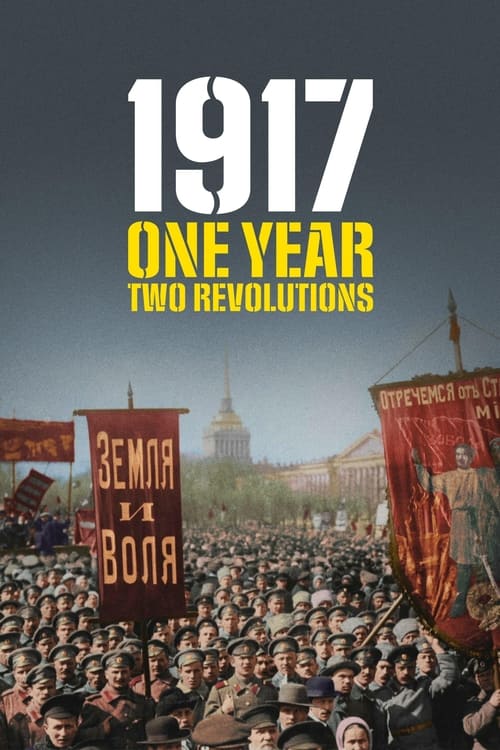
In February 1917, Imperial Russia plunges into revolution. Nine months of unrest before a coup brought about an upheaval that changed the course of history and profoundly altered the future of civilisation.

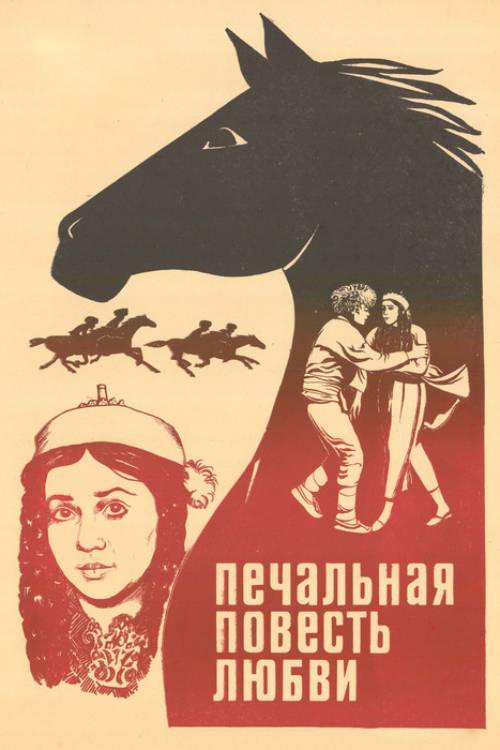
Bai Kakabai, who fiercely hates the Soviet government, goes abroad with his family and servants. He is followed by the Nurali and Dodur brothers. The younger is in love with the owner's daughter, the elder cannot part with his beloved Akhal-Teke horse, Dik-Ayak. Having wandered through a foreign land, the brothers will find neither happiness nor prosperity there, and they will return home.

Telugu language film 1961
At the beginning was the Slovak television series Lekár umierajúceho czasu (Doctor of Dying Time), dedicated to the Rudolphine-era scientist Jan Jesenius. He ended up on the scaffold along with other gentlemen after losing the anti-Habsburg uprising. When director Miloslav Luther conceived the idea of making an abridged version of the footage for cinema, he had to not only rebuild the storyline but also dub it into Czech. However, the result was only an illustrative puzzle, describing the various stages of the hero's turbulent life.

Melvyn Bragg explores the dramatic story of William Tyndale and his mission to translate the Bible into English, which made him a threat to the authority of the church and state.

During the Thirty Years' War, Christine, an orphan, falls in love with the colonel Count Merian. In order to always be with him, she puts on men's clothes, becomes a troop boy and later even a cornet - only the sutler knows her secret. Little by little, Christine realizes that the man she loves has been brutalized by the war and is no longer capable of true feelings. When she gives herself to him instead of a peasant maid, she is horrified by his brutality. She shoots him in a duel. She is sentenced to death as a cornet, but acquitted as a woman.