Protocol Archives • Browse all History titles in HD

In the 1990s many people in Kurdistan were taken into custody and interrogated under torture; their killers disposed of the bodies by throwing them out of helicopters, or burying them in acid-filled wells. Thousands were murdered/disappeared by paramilitary forces—such as Jitem and Hizbul-Kontra—that were financed and supported by the state, though they have always stuck to the line: “We didn’t do it.” The documentary looks at the case of seven people, including four children, who were disappeared from the town of Kerboran [Dargeçit] in 1995, and tells the story of their families’ tireless search for their bones
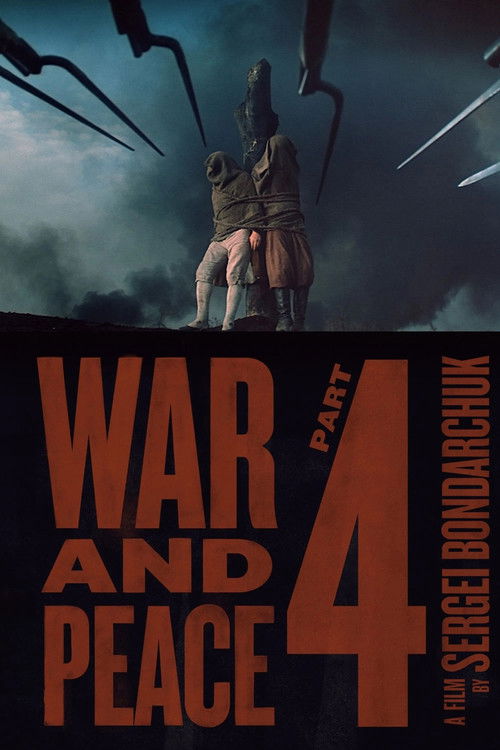
As Moscow is set ablaze by the retreating Russians, the Rostovs flee their estate, taking wounded soldiers with them, and unbeknownst to them, also Andrei. Pierre, dressed as a peasant, tries to assassinate Napoleon but is taken prisoner. As the French are forced to retreat, he's marched for months with the Grande Armée, until being freed by a raiding party. Part four of the four-part adaptation of Leo Tolstoy's 1869 novel.



Wounded and left for dead, a British soldier embarks on a daring escape from a booby-trapped German dugout.
Based on Louis Cha's novel Fox Volant of the Snowy Mountain.
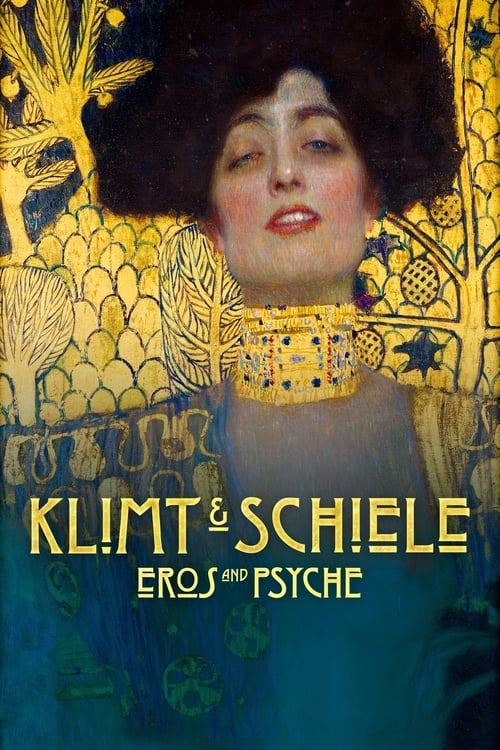
1918. As the roar of the First World War cannons is dying out, in Vienna, the heart of Central Europe, a golden age comes to an end. The Austro-Hungarian Empire is beginning to disintegrate. On the night of October 31st, in the bed of his home, Egon Schiele dies, one of the 20 million deaths caused by the Spanish flu. He dies looking at the invisible evil in the face, in the only he can do: painting it. He is 28 years old. Only a few months earlier, the main hall of the Secession building had welcomed his works: 19 oil paintings and 29 drawings. His first successful exhibition, a celebration of a new painting idea that portrays the restlessness and desires of mankind.A few months earlier, his teacher and friend Gustav Klimt had died. From the turn of the century, he had fundamentally changed the feeling of art and founded a new group: the Secession.
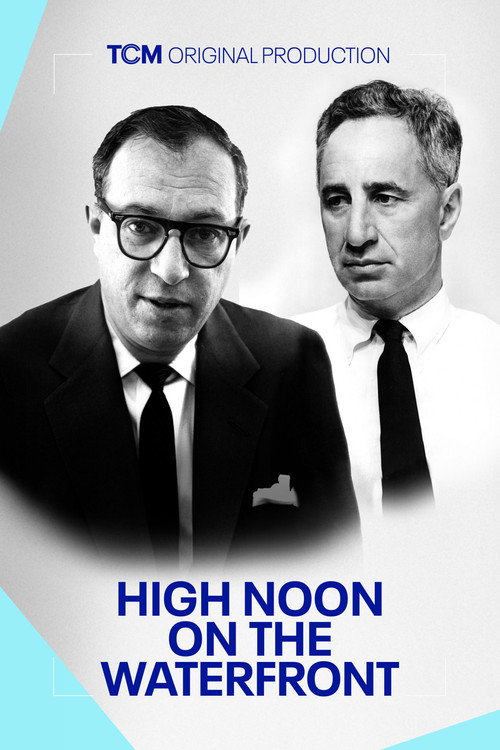
An inventive remembrance of the impact of the Hollywood blacklist on two American classics, rendered as a visually mesmerizing dialogue between Carl Foreman and Elia Kazan.
Directed by Bahij Hojeij, “Lebanon, Message from a Holy Land” visits Lebanon’s many ancient Christian holy sites. The documentary focuses especially on the Qadisha Valley, home to several historical monastaries and very old Christian churches.

Diogo Álvares, a Portuguese map illustrator, reaches the Brazilian coast, after his caravel sinks. He is saved by the Indian chief Itaparica and his two daughters, Paraguaçu and Moema. They call him Caramuru and together they engage in a happy love triangle. But the chance to return to Portugal arises, and it is clear this amoral arrangement cannot last.
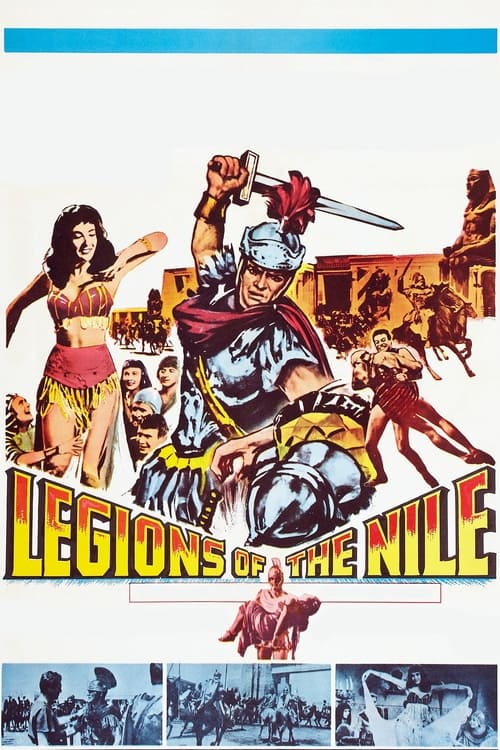
Octavio secretly sent his consul Curridio to Alexandria in a final attempt to reach peace. In the city, he meets Berenice, a mysterious and beautiful dancer who falls in love. Actually, the dancer is the queen Cleopatra who leads a double life using this name.
Early silent movie adaptation of Shakespeare's play, focused on key moments: the arrest of the Duke of Buckingham, Henry's infatuation with Anne Boleyn at a banquet, the Trial of Queen Katharine, Cardinal Wolsey's downfall, and Anne's coronation.
Ignacy Jan Paderewski returns to Poland. A journalist who is supposed to describe his arrival is called to the editorial office.

For decades, a nice Jewish couple ran Circus of Books, a porn shop and epicenter for gay LA. Their director daughter documents their life and times.
According to historian Fernando Martín Peña, this film was produced by Julio Tello's Argentine Cinematographic Union distributor and premiered at the San Martín Theater as if it were French "presumably for reasons of respectability." After the campaign against him by the Catholic newspaper El Pueblo, San Martín took it down from the billboard. On November 4 it was announced that the film would be shown again in a downtown theater and finally on November 7 the interim mayor Adrián Fernández Castro resolved the ban for "amoral".
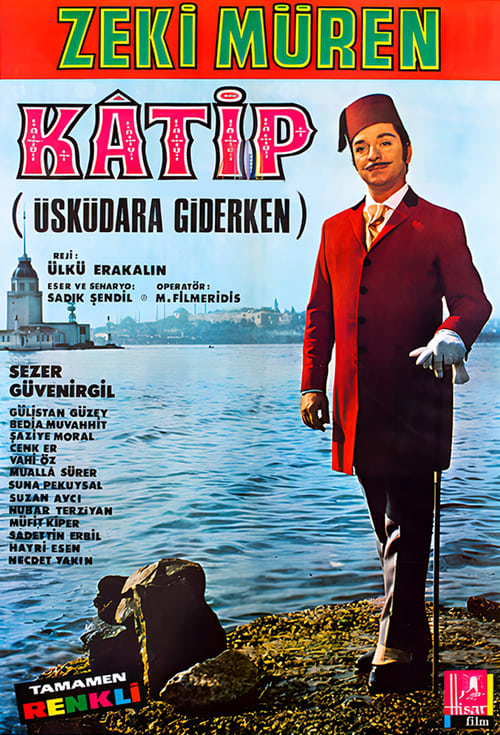
Set during the Ottoman era, the film tells the story of a young clerk living in Üsküdar with his mother. Well educated and polite, he is known by everyone simply as “Katip.” Despite graduating at the top of his class, Katip is unable to secure a government position due to the lack of political connections. Passionate about music since childhood, his beautiful singing voice captivates the women of his neighborhood, though his heart belongs only to his neighbor, Nazlı. One day, Katip’s singing earns him sudden fame that reaches the palace itself. Praised by the court, he is finally granted a clerical post in the ministry. However, when he rushes to share the good news with Nazlı, he discovers that her family has been exiled by order of the sultan. Unable to reunite with his beloved, Katip continues his rise through the ranks of public service—until one day he is summoned back to the palace, where fate awaits him once more.