Protocol Archives • Browse all History titles in HD

In mid-19th-century Costa Rica, President Juan Rafael Mora vows to defend his nation from American filibuster and slaver William Walker, who has seized nearby Nicaragua. Flashbacks trace Mora’s rise from reformist coffee planter to national leader, modernizing his family’s plantation with fair wages and new methods. Guided by love, loss, and his cautious brother-in-law, José María Montealegre, Mora builds trade ties with British merchant William Le Lacheur. In 1856, Costa Ricans defeat Walker, but cholera devastates the land. Betrayed by Montealegre, Mora is executed—like Walker—undone by ambition and history’s cruel turns.
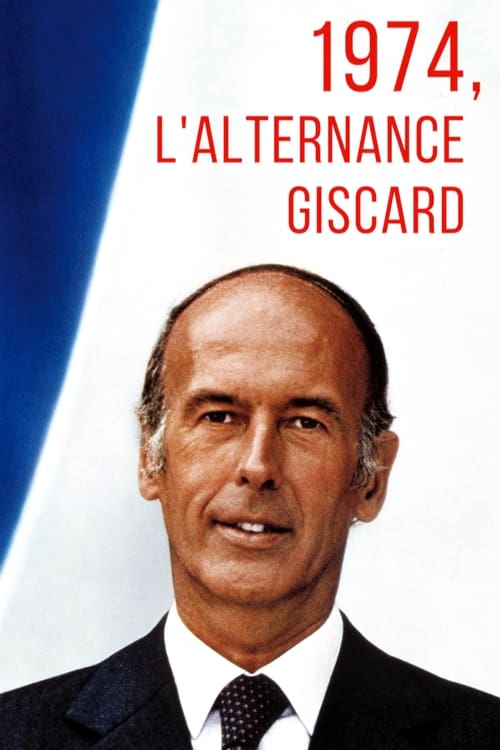
In May 1974, Valéry Giscard d'Estaing became the third President of the Fifth Republic. An alternation of power that did not speak its name opened the doors of power to a reforming president. Abortion, divorce by mutual consent, lowering the age of majority to 18 - in less than two years, the youngest President of the Republic - at the time - carried out reforms with a vengeance, without a united majority in Parliament, before failing in the economic sphere and losing the battle against unemployment. At the age of 90, the former President of the Republic has agreed to look back on these years and gives us a valuable account of his time in power.
A lonely Station Master at a remote, rural outpost encounters a woman stranded overnight at his station, and after some hesitation, invites her to spend the night in the warmth of his humble home. This unexpected encounter reawakens the Station Master's enthusiasm for life as the two talk long into the night, but in the morning, when her train arrives, will she leave along with his heart?

The story of Django Reinhardt, famous guitarist and composer, and his flight from German-occupied Paris in 1943.
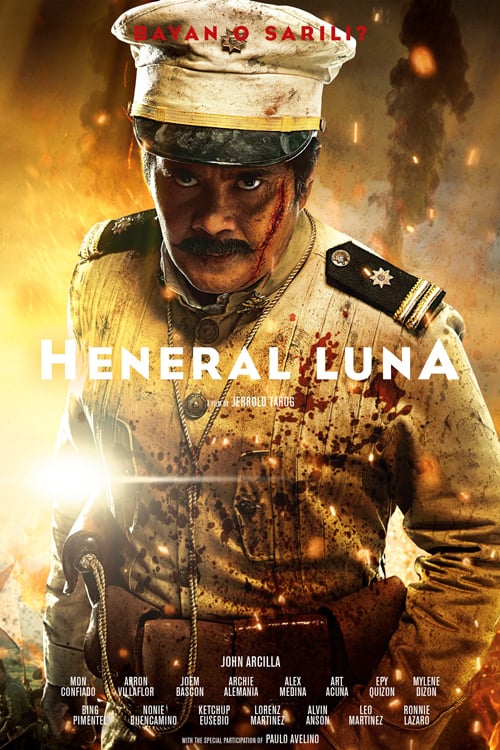
A Filipino general who believes he can turn the tide of battle in the Philippine-American war. But little does he know that he faces a greatest threat to the country's revolution against the invading Americans.
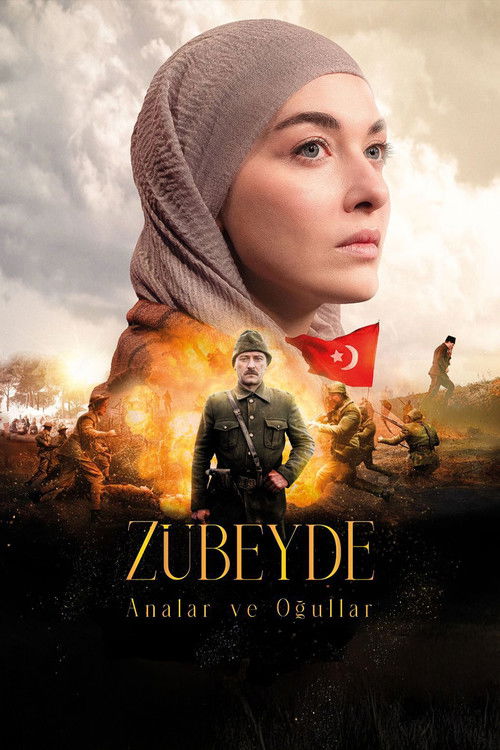
Zübeyde, Mothers and Sons, tells the life of Mustafa Kemal Atatürk's mother, Zübeyde Hanim, which begins in Thessaloniki, in the last periods of the Ottoman Empire, and reflects the period until the declaration of the Republic.
The film is dedicated to the historical period of the XI-XIII centuries, the times of Kyivan Rus and the Galician principality.
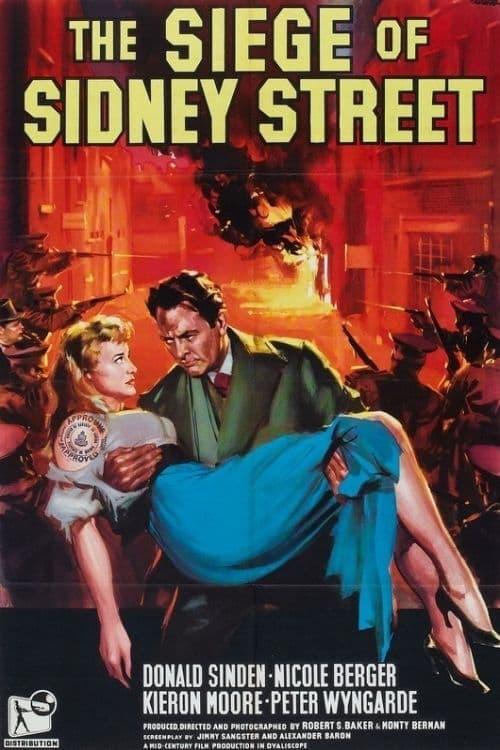
A police inspector (Donald Sinden) tracks down Russian anarchist Peter the Painter (Peter Wyngarde) and his gang in circa-1911 London.
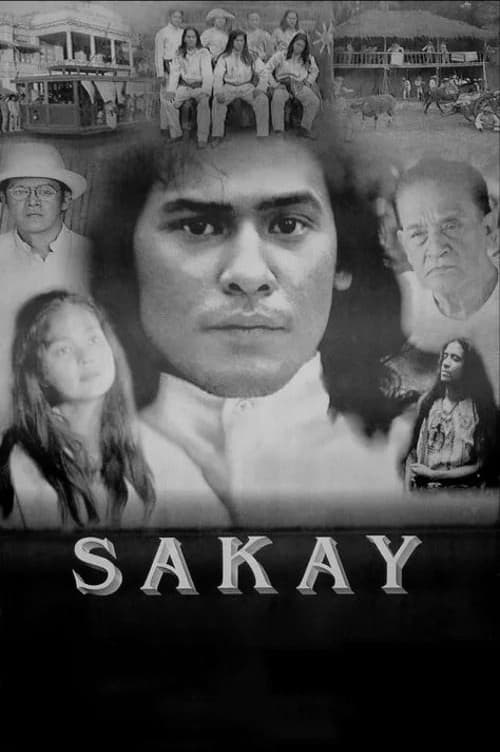
The film covers the life of Filipino patriot and hero Macario Sakay, who was declared an outlaw and a criminal for continuing hostilities against the United States after the "official" end of the Philippine Insurrection.
The great awakening in the Colonies in the spring of 1775; the patriotic activities of Samuel Adams and John Hancock; the midnight ride of Paul Revere; the gathering of the Minute Men and the battle of Lexington, all these important details of Colonial history are shown as a prelude to the intense war romance woven around the situation at Valley Forge during the terrible winter of 1777, when the cause of Liberty looked next to Betty, daughter of a Minute Man who was killed in the battle of Lexington, is stopping at the inn of her uncle, a Tory sympathizer, near the winter camp of Washington's army at Valley Forge.

Hilma af Klint (1862-1944) is an important part of art history and one of the first ever painters of abstract art. However, unlike the work of many of her peers at the time hers was misunderstood and neglected until long after her death. This is a story about Hilma and the circumstances which made her paintings possible. The film picks up during her early life and ends today; when her art connects with people of all religions and cultures. Just as she intended.
A journey through history
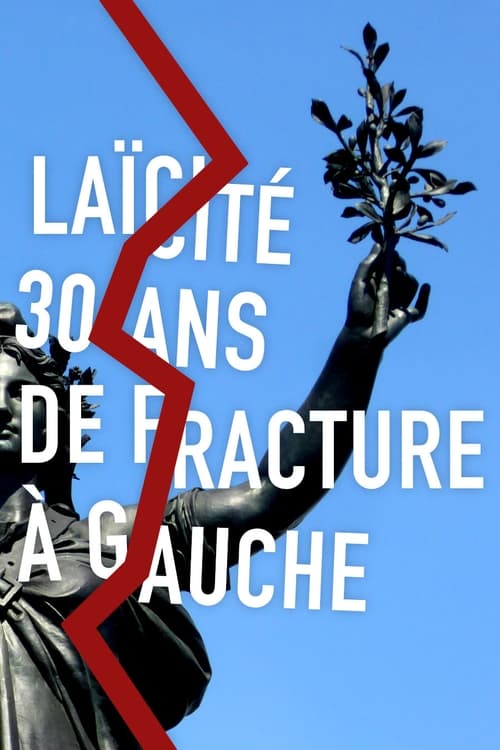
With archival footage from INA commented on by political figures, this documentary traces the history of the debate that has divided the left over secularism, from the emergence of a militant Islam in the late 1980s.
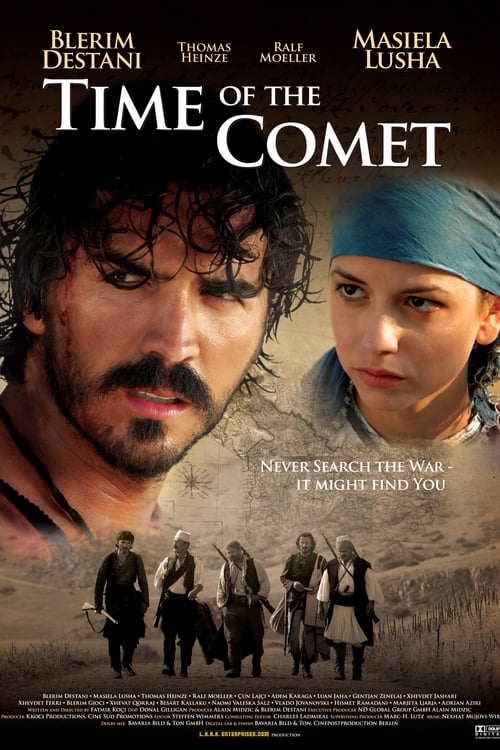
A young man is searching for the war to free his country and establish freedom. Instead of war he finds the love of his life.
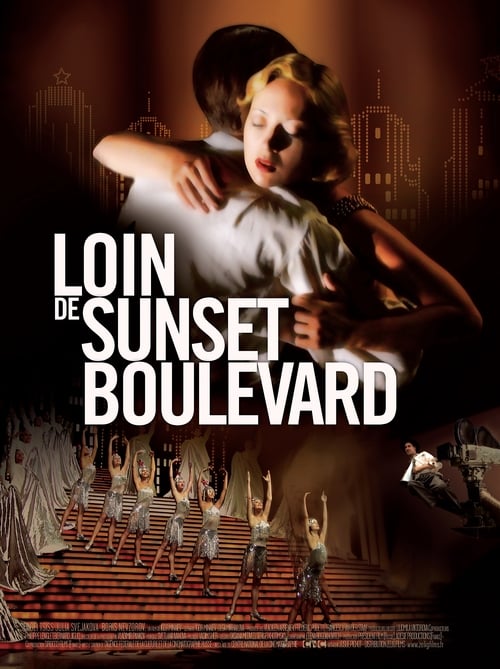
The thirties, the heyday of Soviet film production. The story of the famed couple's glory — a filmmaker and actress, behind the external well-being of which were hidden strange contradictory relationships and a sense of fear that they carried through their whole lives. The prologue to this story is the 85th anniversary of Lidiya Polyakova, the formerly brightest star in Soviet cinema, who played the main role in all the films of her own husband, director Konstantin Dalmatov. Now in the courtyard there are other times, Dalmatov’s movies are called ideological agitation, and the director himself and his wife are hiding from the world in the country, trying not to let anyone in.
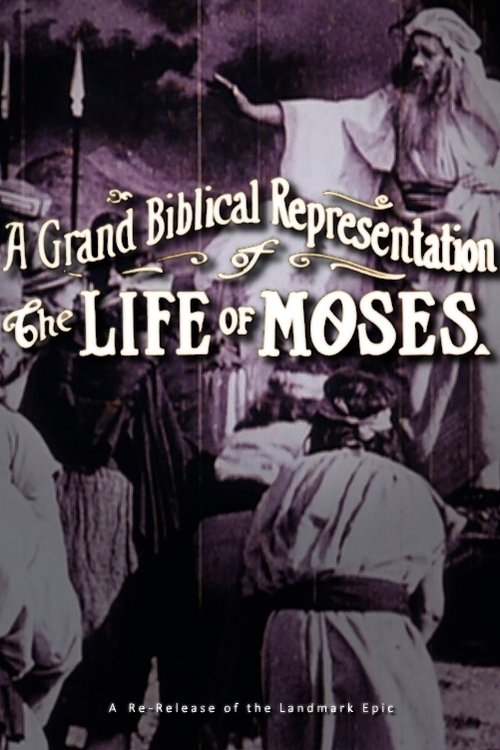
Released in five parts (The Persecution of the Children of Israel by the Egyptians, Forty Years in the Land of Midian, The Plagues of Egypt and the Deliverance of the Hebrews, The Victory of Israel, The Promised Land), 4 December 1909 to 19 February 1910. A Vitagraph advertisement in the Moving Picture World (31 Dec. 1909) refers to The Life of Moses as a "Biblical Film-de-Luxe". It is preserved in the Library of Congress collection.
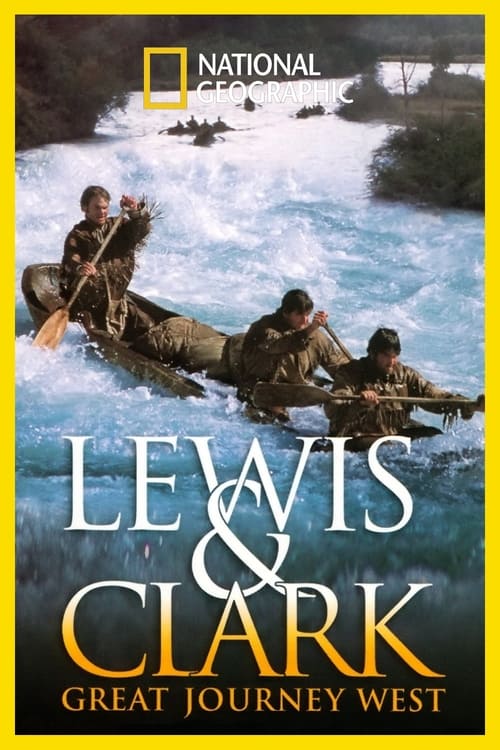
Explorers Meriwether Lewis and William Clark lead a U.S. expedition to the Pacific Ocean and back.