Protocol Archives • Browse all History titles in HD

Based on the life of Indian social reformer, jurist, academic-politician, B. R. Ambedkar. The film covers the period from his birth right up to his death.
After the Stonewall riots and at the height of the gay liberation movement in America, an entire generation were busy celebrating their newfound emancipation, unaware of an impending epidemic. A disease that seemed determined to wipe out an entire generation of gay men, was largely ignored by politicians and the mainstream media. Gaetan Dugas was a French-Canadian flight attendant, who offered to help early scientific research into the origins of AIDS. An unfortunate series of events followed and he would be vilified as Patient Zero, the man who gave us AIDS.
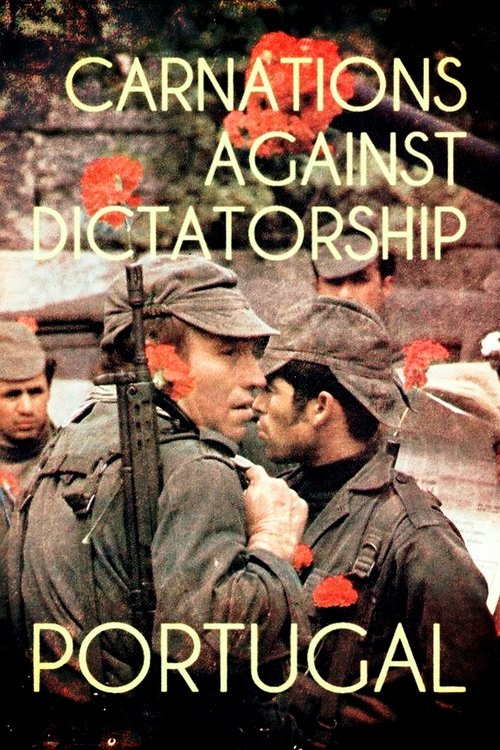
In Portugal, during the night of April 24-25, 1974, a peaceful uprising put an end to the last government of the Estado Novo, the authoritarian regime established in 1933 by dictator António de Oliveira Salazar (1889-1970), paving the way for full democracy: a chronicle of the Carnation Revolution.
Daniel Anker’s 90-minute documentary takes on over 60 years of a very complex subject: Hollywood’s complicated, often contradictory relationship with Nazi Germany and the Holocaust. The questions it raises go right the very nature of how film functions in our culture, and while hardly exhaustive, Anker’s film makes for a good, thought provoking starting point.
At the height of the Vietnam War, a budding journalist eager to make a difference stumbles across the story of his career. Years later, he is forced to confront the consequences.
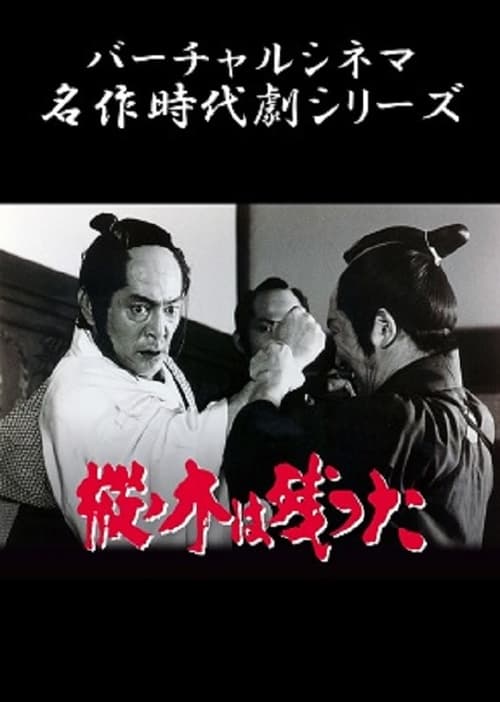
The 21-year-old feudal on Sendai, Tsunamune Date, was prohibited to go out in the daytime for his misbehavior during his short stay in Edo. On the next day, his 4 attendants were killed one after another. Sakai Utanokamike, the Rozyu, is turned out to be involved in this scheme, and the aim is to destroy the Date family. Tsunamune's brother Munekatsu Date who is willing to take over the family doesn't know the real purpose of Utanokami and helps him. Munesuku Harada gets to know the whole picture of the incident and takes action alone for the sake of protecting the Date family, leaving his own family. His lonely fight continues for 10 years and he got in danger in Utanokamike's house, and...
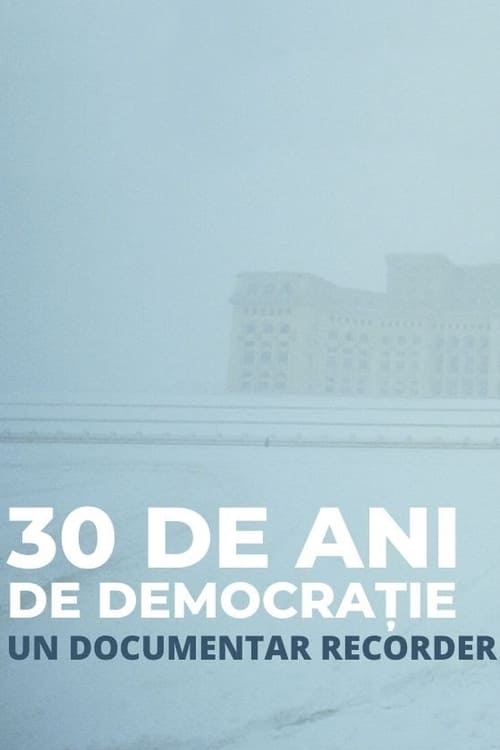
Two journalists born in the mid '80s decide to take a look back at how their country changed in the last 30 years since the fall of communism. The end product is a documentary containing footage of political events and historical milestones significant to Romania accompanied by a narrator's voice walking the viewer through the events, and also interviews with Romanian politicians and other influential public figures sharing their thoughts and their different views on those events.

The Second World War is over. But after each war the human destinies are left. This film is about two of them. The former officer of the Wehrmacht. The former prisoner of the Nazi concentration camp.
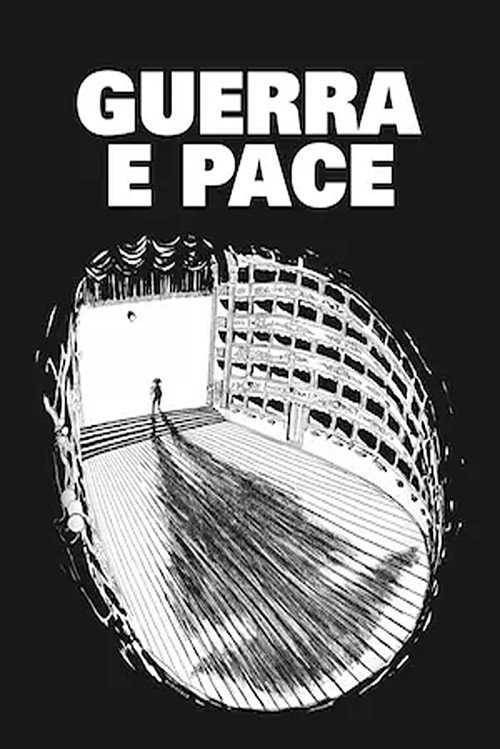
Director Andrea Baracco and playwright Letizia Russo take us on a journey into the magical world of one of the greatest masterpieces of world literature: Tolstoy’s *War and Peace*.

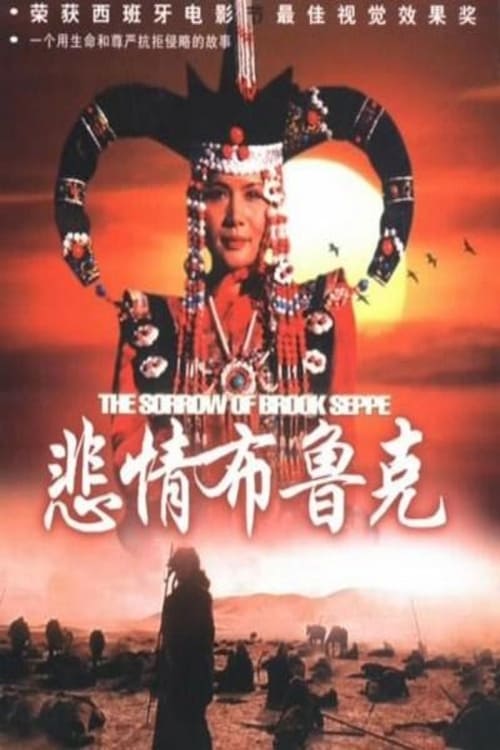
Tells the tragic story of Mongolian herders in defense of their homeland against the invaders.
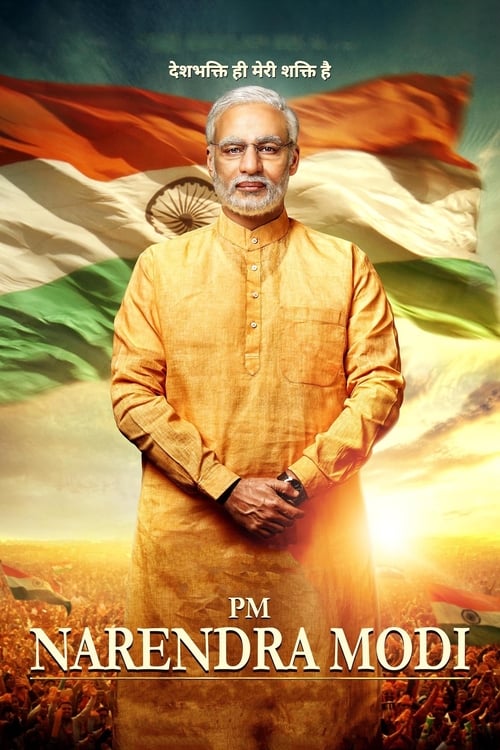
Chronicles Narendra Modi’s life and events leading up to his swearing-in ceremony as the Prime Minister of India in 2014.
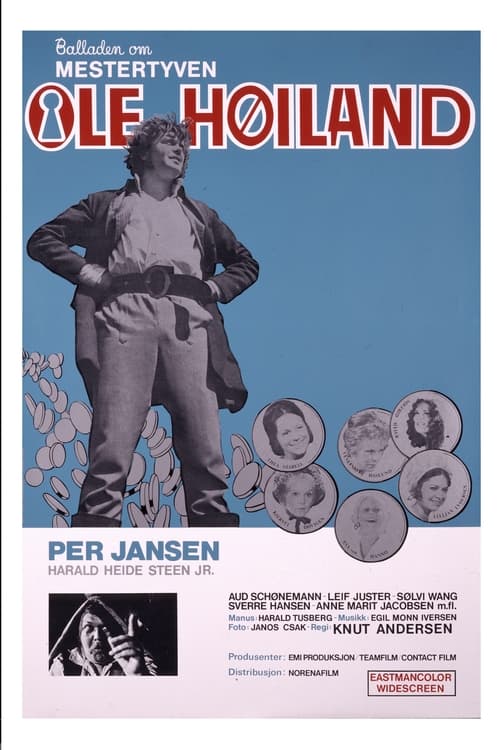
Ballad of the Masterthief Ole Hoiland (Norwegian: Balladen om mestertyven Ole Høiland) is a 1970 Norwegian drama film directed by Knut Andersen, and starring a broad cast of notable Norwegian actors, headed by Per Jansen as Ole Høiland. Ole Høiland was an actual Norwegian Robin Hood-figure in the early 19th century. He steals from the rich and gives to the poor, enjoying numerous affairs with attractive women along the way. The story culminates in the ambitious burglary of Norges Bank, Norway's central bank.

The story of Native American women in New Mexico, from the creation stories of the beginning of time through the invasions from Spain, Mexico and the United States.
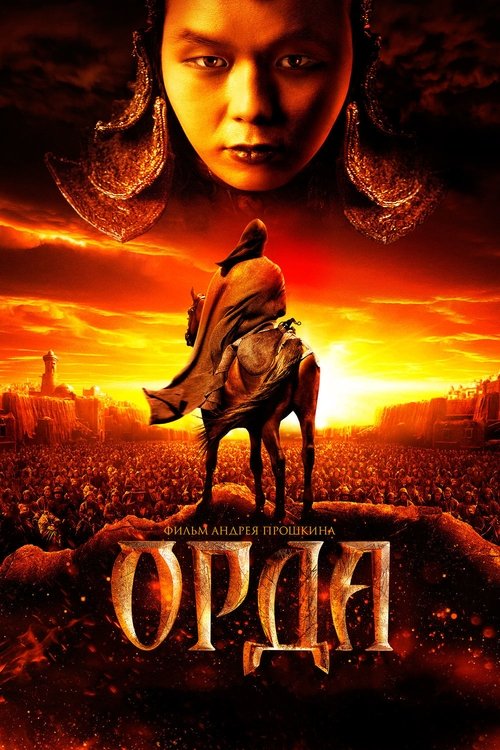
It is the word "horde" that had meant, for many countries and nations, bloody raids and being under humilating contribution for centuries - a strange and scary world with its own rules and customs. To be or not to be for Rus (Ruthenia), that is the price of the one-man mission as he is departing to this world to accomplish a feat. The film tells the story of how Saint Alexius, the Metropolitan of Moscow and Wonderworker of All Russia, healed the Tatar Queen Taidula, Jani-Beg's mother, from blindness, in 1357.
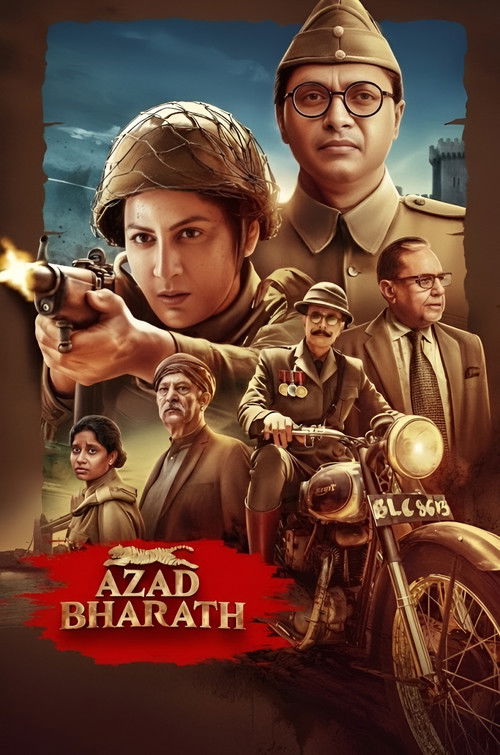
Freedom fighter Neera Arya joins India's first women's army founded by Subhas Chandra Bose, highlighting untold stories from India's independence movement and themes of courage and patriotism.
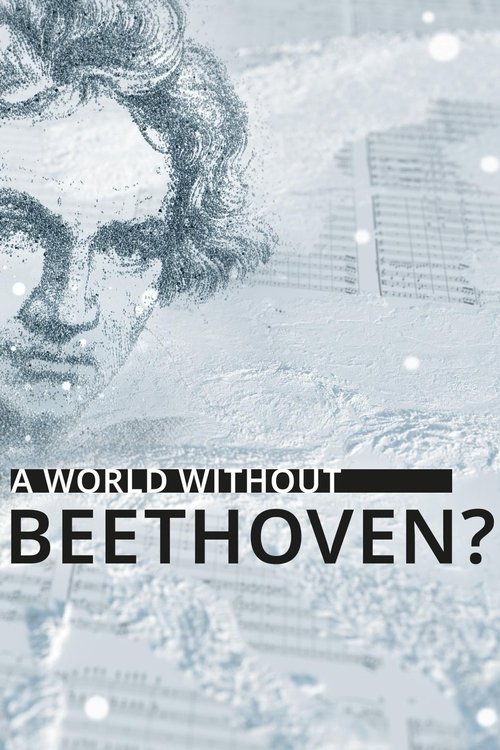
"What would the world be like without Beethoven?" That’s the provocative question posed by this music documentary from Deutsche Welle. To answer it, the film explores how Ludwig van Beethoven's innovations continue to have an impact far beyond the boundaries of classical music, 250 years after his birth.

In 17th century India, Maratha warrior Shivaji visits Emperor Aurangzeb's court in Agra. After a confrontation, he's placed under house arrest but orchestrates a daring escape that shakes the Mughal Empire.

About the tragedy that occurred on August 12, 1944 in the mountainous Tuscan village of Sant'Anna i Stazzema, where German soldiers of the 16th SS division shot civilians. Total in the vicinity of Sant'Anna killed almost 600 people. This crime, like many others committed by the German Nazis in Italy, has not been talked about for 50 years. All these cases were hidden in the closet of the military prosecutor's office in Rome, which was later called the Closet of Shame.