Protocol Archives • Browse all History titles in HD
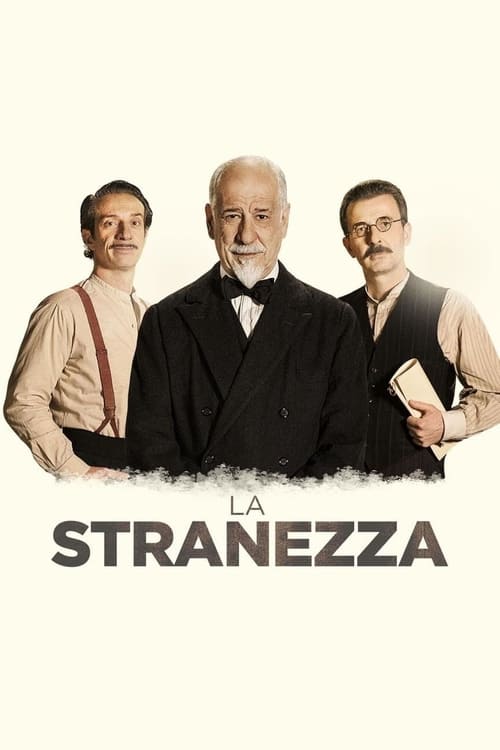
During a trip to Sicily in 1920, Luigi Pirandello meets two gravediggers-turned-playwrights rehearsing a play with their amateur dramatics. Pirandello takes an interest in the odd couple, having been suffering from writer's block while working on his eventual masterpiece, Six Characters in Search of an Author.
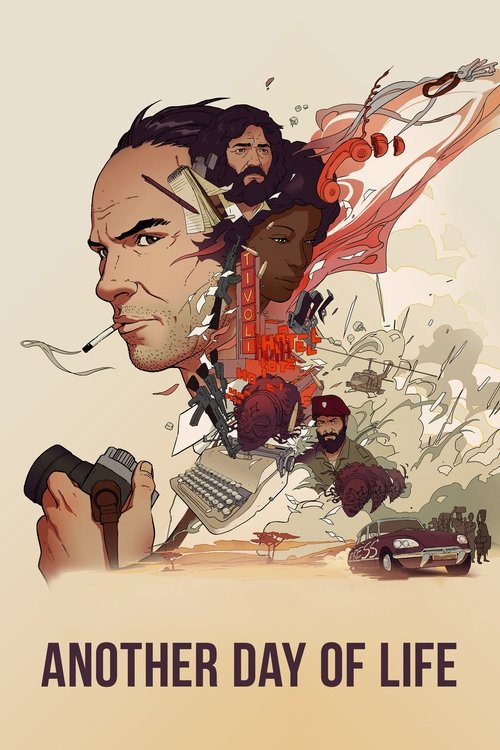
In 1975, Ryszard Kapuściński, a veteran Polish journalist, embarked on a seemingly suicidal road trip into the heart of the Angola's civil war. There, he witnessed once again the dirty reality of war and discovered a sense of helplessness previously unknown to him. Angola changed him forever: it was a reporter who left Poland, but it was a writer who returned…

Ian Hislop's sharp, provocative take on 200 years of fake news and its consequences - from Victorians on the moon to 21st-century deepfake, and Hislop as never seen before.
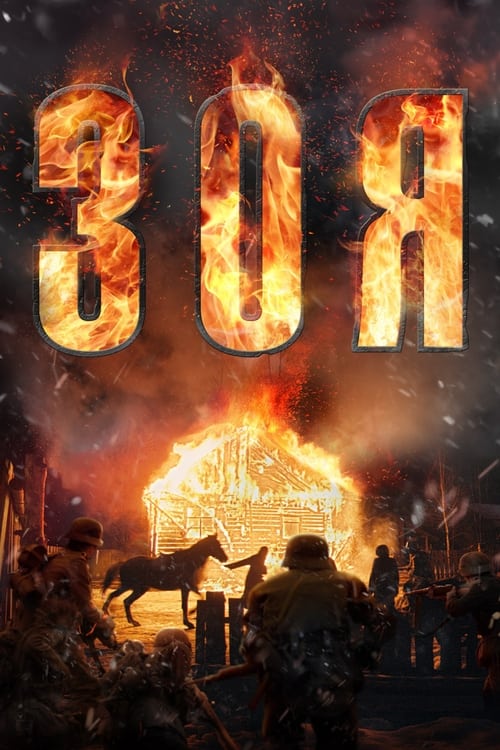
Fall of 1941. Freshly graduated from school, Zoya Kosmodemyanskaya volunteers for a partisan unit. During an assignment, her comrades are ambushed, and she is captured by the Nazis. She endures hours of grueling interrogations and horrendous torture, but defiantly refuses to divulge any information that would compromise other units’ partisan missions. She doesn’t even tell her captors her real name. Zoya’s sacrifice was not in vain; it ignited fire in the hearts of millions of people and became the symbol of selfless heroism during WWII. She is one of the most celebrated heroes of that time.
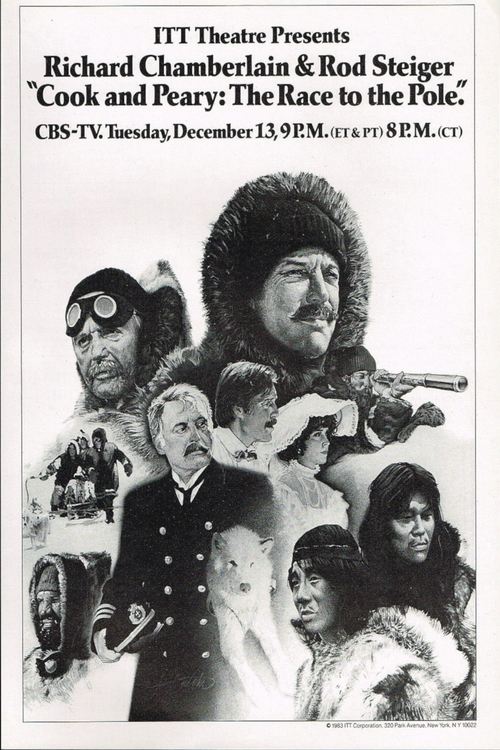
Cook and Peary: The Race to the Pole is an unabashedly biased recreation of the controversy concerning the "conquering" of the North Pole. Robert E. Peary (Rod Steiger), a US Navy commander and shameless self-promoter, sets out through Arctic wastes in 1909 to discover the Pole, an expedition that many others have attempted but failed to complete. His principal rival is Dr. Frederick A. Cook (Richard Chamberlain), who insists that he'd already reached the Pole in 1908. Though the experts (and the US Congress) conclude that Perry was first, public opinion is firmly in Cook's corner--as is this TV movie.
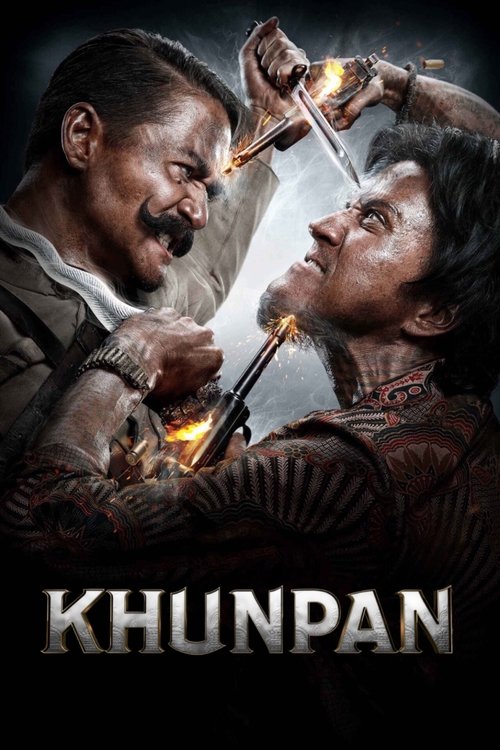
This is a story about a police officer named Khun Phan in WWII. He is off on an undercover mission to take down a governor at an island which everyone there is considered as bandits.

How, after four years of occupation, France was liberated between the spring and autumn of 1944. Patrick Rotman, writer, historian and director, offers a historical and political analysis of this significant period in history, from operations "Overlord" and "Dragoon" - the landing of Allied troops - to the celebrations organized for the liberation of Paris.
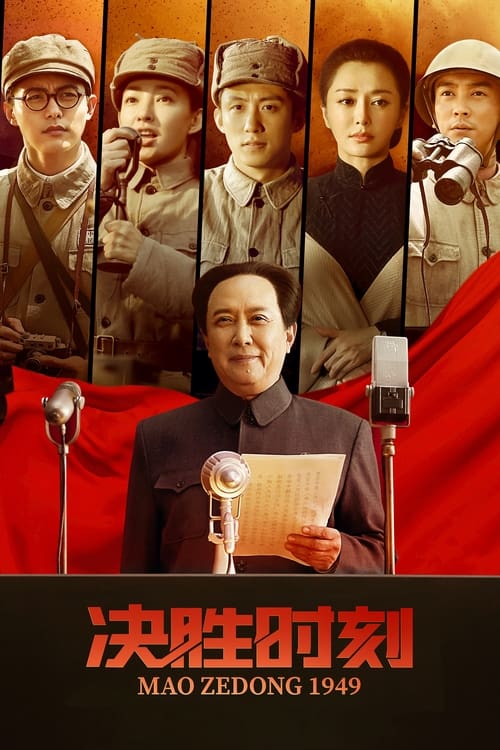
The film is set in 1949, as the members of the Central Committee of the Communist Party of China prepare to establish a new Chinese state, the People's Republic of China.

Ndola, Northern Rhodesia (currently Zambia), September 18, 1961. Swedish economist and diplomat Dag Hammarskjöld, Secretary General of the UN, dies mysteriously in a plane crash. Decades later, Danish journalist and filmmaker Mads Brügger and Swedish researcher Göran Björkdahl investigate the case in search of definitive closure.

"Deserter's Gold", the sequel to the very popular "The Deserters", is a rich war comedy, skipping humorously around the more serious dangers of a war. Deserters Gold takes place during World War II, while the first film happened during WWI. The heroes' mission is to rob a Nazi-run bank in Poland for gold that will buy military supplies for the Polish Underground.
England, 1002AD. Mere moments after massacring a host of Vikings, a Saxon tries to justify his blood lust, with chilling consequences.
The tavern "Jablan" existed in the 1980s and was located in a small village, Jugovo Polje, in Croatia, SFRY. "Jablan" was a symbol of "brotherhood and equality" for its owners, guests, musicians, and waiters. It was a place where people of different generations and education gathered - from workers and peasants to doctors, even music and sports stars of the '80s, it was a place where nationality and religious affiliation played no role. Nevertheless, the first shooting between Serbs and Croats took place in "Jablan", which heralded the war in Croatia and ended "Jablan's carefree days". The film protagonists reconstruct the events, from the day the tavern was created, to its destruction, witnessing how a place of love and joy became an object of hatred and destruction within a few months.
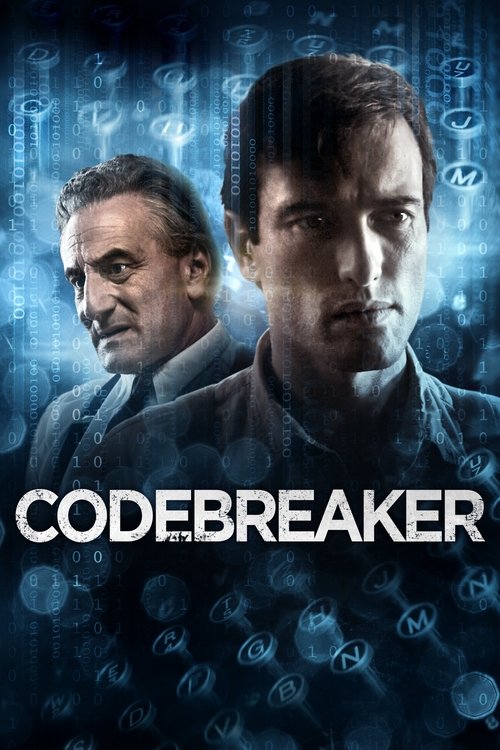
Alan Turing is the genius British mathematician who was instrumental in breaking the German naval Enigma Code during World War II, arguably saving millions of lives. Turing's achievements went unrecognised during his lifetime. Instead he ended up being treated as a common criminal, for being homosexual at a time when homosexual acts were a crime. In 1952, he was convicted of 'gross indecency' with another man and was forced to undergo so-called 'organo-therapy' - chemical castration. Two years later, he killed himself with cyanide, aged just 41. Alan Turing was driven to a terrible despair and early death by the nation he'd done so much to save.
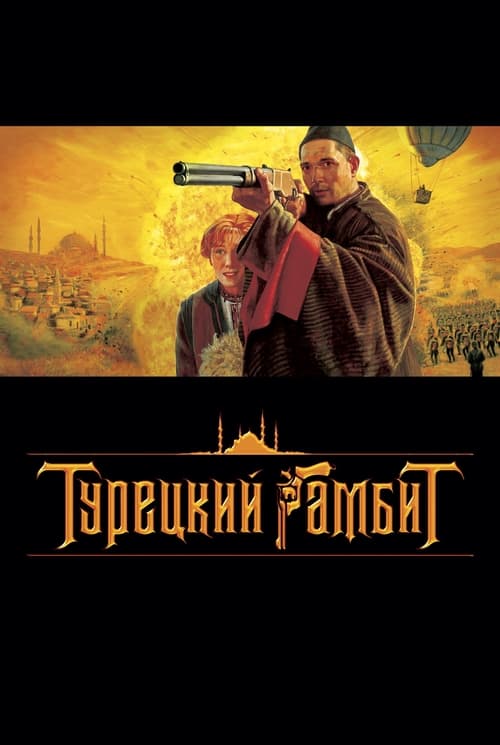
The film is based on the second book from the Adventures of Erast Petrovich Fandorin series of novels written by the Russian author Boris Akunin. The film takes place in 1877 during the Russian-Turkish war. Erast Fandorin has just escaped from Turkish prison and is trying to get on the Russian side as soon as possible to give important information about the upcoming attack of the enemy. On his way he meets Varvara Suvorova, a young lady who is going to see her fiancée - a soldier of the Russian army. Erast also knows that there is a spy somewhere in the Russian army, everyone is under suspicion.
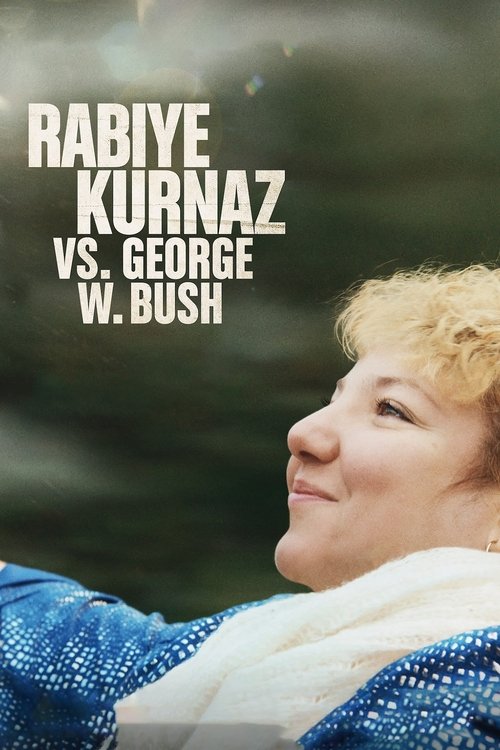
Desperate to help her son, Rabiye Kurnaz, a housewife and loving mother from Bremen, goes to the police, notifies authorities and almost despairs at their impotence and in the end, against all the odds, something truly remarkable happens.
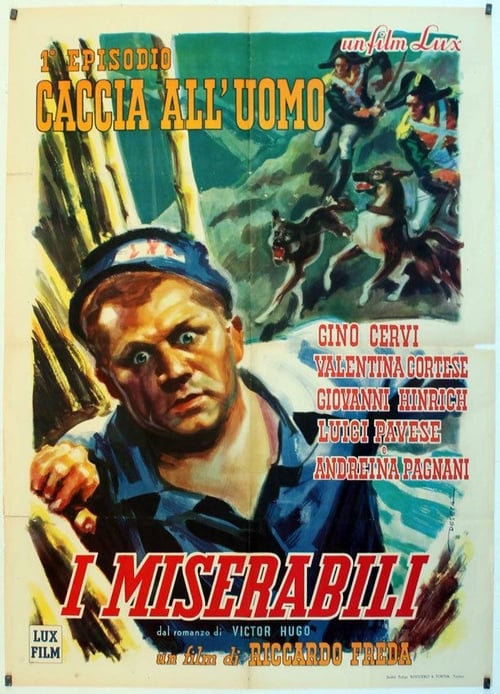
In 19th century France, Jean Valjean, a man imprisoned for stealing bread, must flee a relentless policeman named Javert. The pursuit consumes both men's lives, and soon Valjean finds himself in the midst of the student revolutions in France.

The events begin on March 15, 1920. The captain Davut, who belongs to the Kuvva-i Milliye in Anatolia, and the commander Tilki join the alliance that first presses the Akbas Ammunition and transfers the ammunition to the Kuvva-i Milliye on a received code.

In 2022, Russia started its full-scale invasion of Ukraine and, as a result, many Ukrainian celebrities refused any cooperation with their Russian colleagues. One of them was world renowned fencer Olga Kharlan, whose refusal to shake her Russian oponnent Anna Smirnova's hand took the entire world by storm.
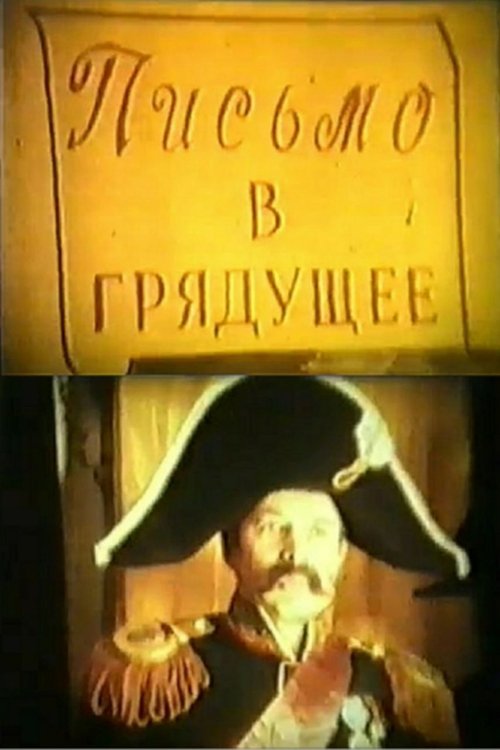
The saga of Pushkin and the Decembrists, based on a letter by Matvey Muravyov-Apostol, found in Yalutorovsk during the Soviet era.
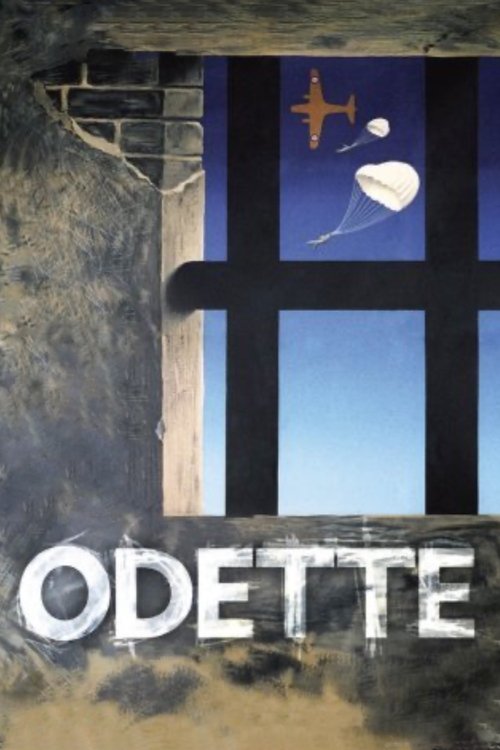
The film is based on the true story of Special Operations Executive French-born agent Odette Sansom, who was captured by the Germans in 1943, condemned to death and sent to Ravensbrück concentration camp to be executed. However, against all odds she survived the war and testified against the prison guards at the Hamburg Ravensbrück Trials. She was awarded the George Cross in 1946; the first woman ever to receive the award, and the only woman who has been awarded it while still alive. (From Wikipedia, licensed under CC-BY-SA)