Protocol Archives • Browse all History titles in HD
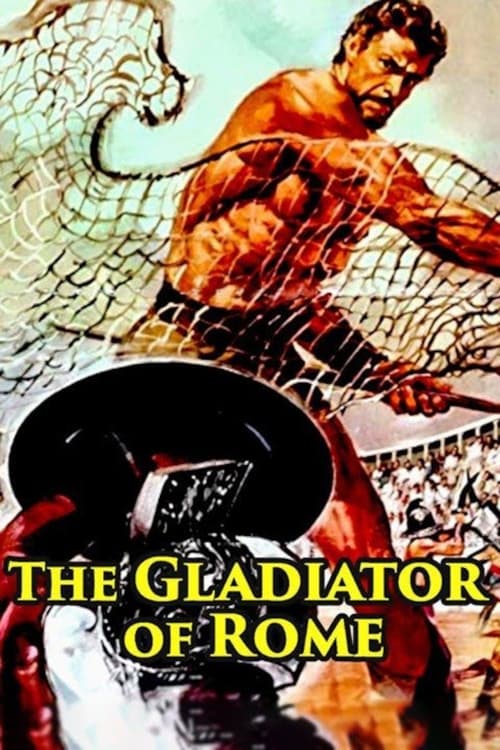
A warrior protecting a slave girl, who is really a princess, winds up as a gladiator in the Roman arenas.
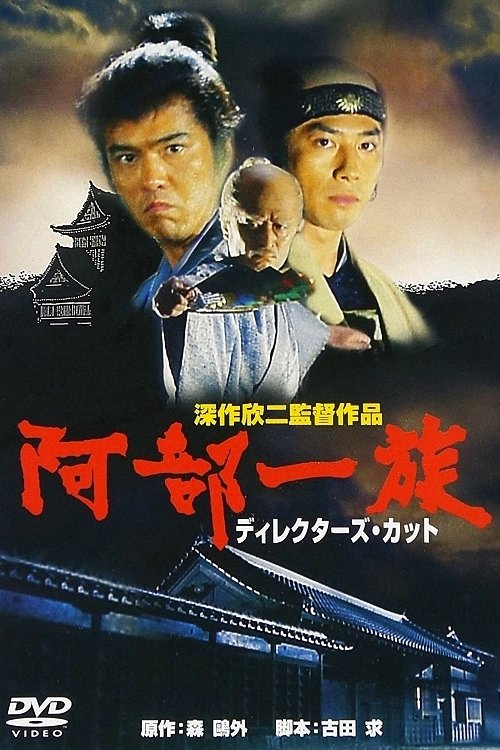
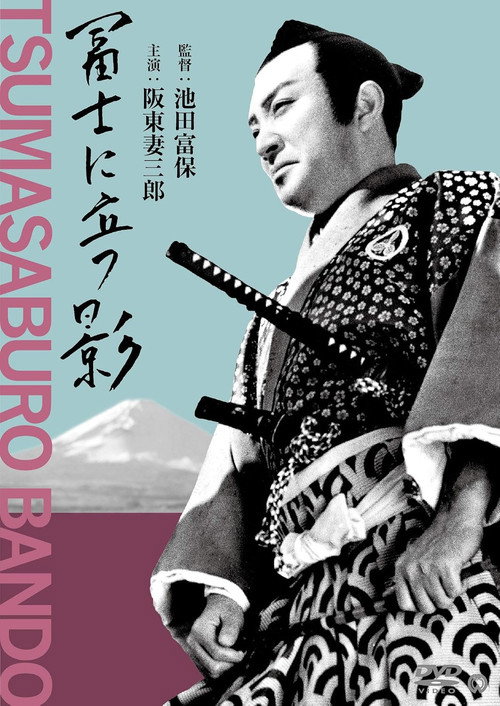
A Choice between Loyalty or Duty of the Samurai! Can the heartlessness of society crush the honor of an individual? In the spring of the 18th year of Kanei, Hosokawa Tadatoshi, feudal lord of the Higo area, died. Although Tadatoshi forbade his vassals to follow him in death before he died, they still committed seppuku one after the other. The new feudal lord, Mitsunao, Tadatoshi's son, also gave the order forbidding seppuku. Abe Yaichiemon obeyed his former lord's last wish but is now being called a coward by his comrades and finally decided to follow Tadatoshi in death in order to save his family's honor. Mitsunao, upset by Yaichiemon actions, punished the Abe family unfairly. Objected to this, the Abe family shut themselves up in their manor as the lords troops moved in. This is the true story of what happened within the Hosokawa clan in early Edo era.
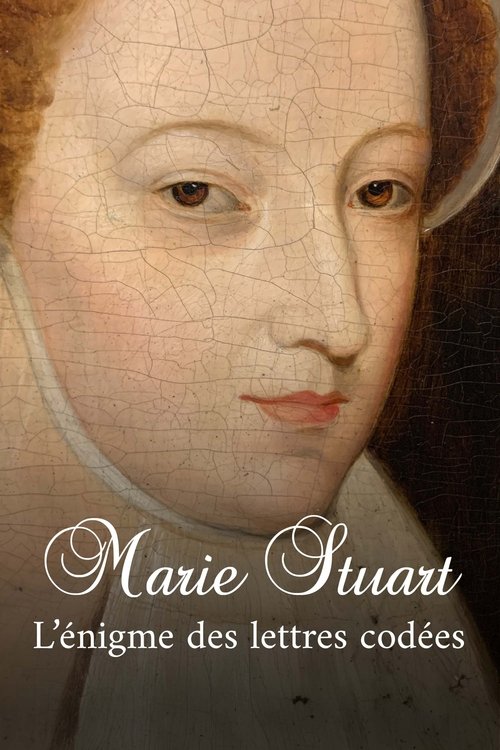
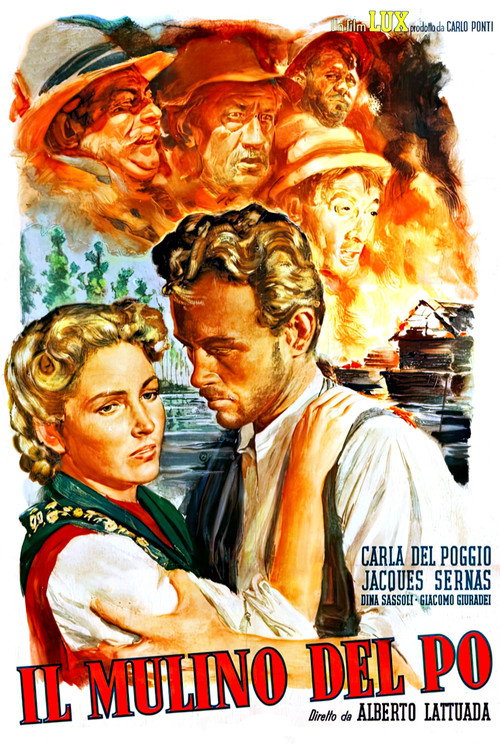
In the Po Valley during the 19th century, a rich girl engaged to a well-to-do farmer ends up penniless and is forced to work for her fiancé’s relatives. Peasant unrest, carried to extremes by both workers and landowners, leads to violence and tragedy.

Modern weapons- techniques and military strategies determined since times the performance and the outcome of wars. In the center of weapon-related innovations stood - at latest since the wars in emplaced and fortified positions, beginning in the 20th century - the mobility. The invention of the fighting tank has made possible a high grade of movability, and determined the result of World War 1. The "blitz" wars at the beginning of World War 2 were possible only by combined deployment of modern tanks and a superior air force. Analyzing of important tank battles stresses the importance of technical standards, of tactical deployment, as well as the high commitment of the tank crews. Films in colour and black and white, partly never seen before, will show for the first time the development of the German Tank Forces from the years of 1914 until 1945 in a comprehensive way.
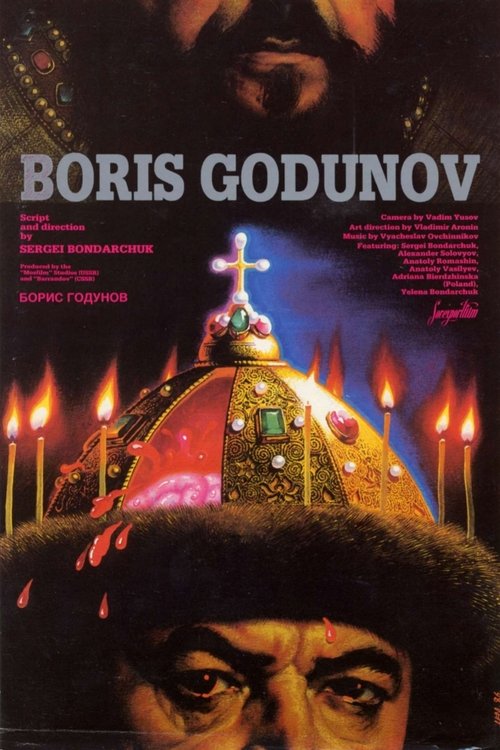
Praised for its fine photography and production design if not its narrative, Sergei Bondarchuk directed this adaptation of the tale by Alexander Pushkin. Boris Godunov came to the Czarist throne at the end of the 16th century, after the original heir to Ivan the Terrible had died. At first, things went well for Godunov (played by Bondarchuk), but when the Russian people began to believe he had killed Ivan the Terrible's son in order to gain the throne, an alliance sprang up against the new Czar. Events continued to spin out of control as a young monk was presented as the son Godunov had supposedly killed. Now he was openly accused of failing an assassination attempt, which seems to be even worse than succeeding. In addition to these woes, Boris Godunov began to suffer serious health problems. So much for the joys of kingship.
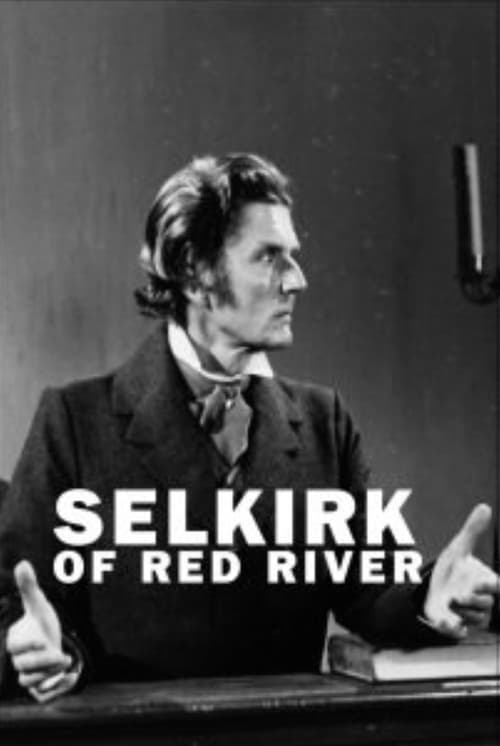
This film tells the story of the Red River settlement, now the city of Winnipeg, Manitoba. The pioneer venture of Thomas Douglas, Earl of Selkirk, to establish a colony brought opposition from the North West Company, the Hudson's Bay Company’s powerful rival. A fine cast of actors portrays the ensuing dispute.

When the film West Side Story was released in 1961, New York's reviled Puerto Rican community gained some visibility and, over time, both in Spanish Harlem and the Bronx, neighborhoods plagued by poverty, drugs and crime, Hispanic identity was reborn and strengthened, thanks to a syncretic and intentionally popular music that eventually conquered the entire city.
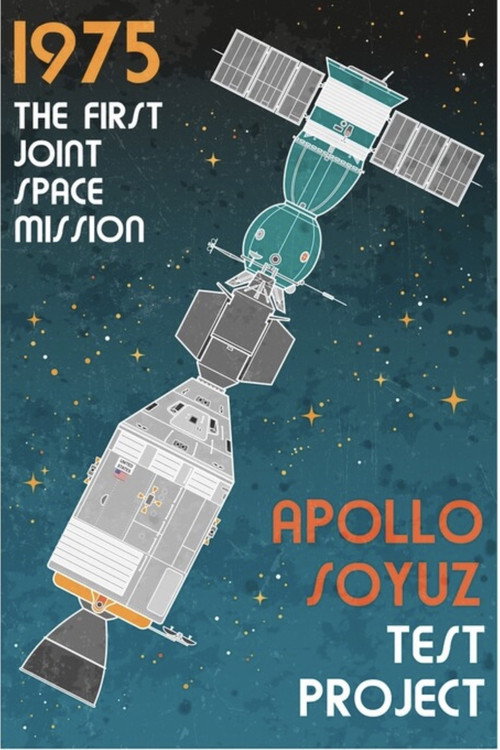
This 1975 NASA film entitled "The Mission of Apollo Soyuz" documents the historic Apollo-Soyuz Test Project, in which manned American and Soviet spacecraft docked for the first time. The astronauts and cosmonauts met each other in space and conducted science experiments together prior to returning to Earth.
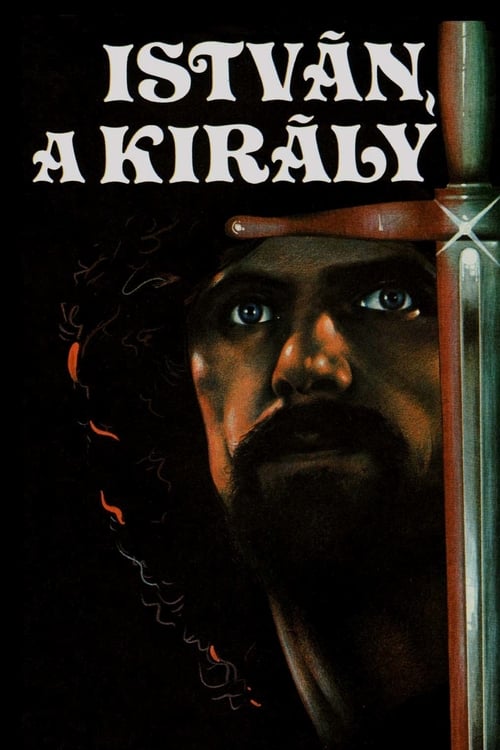
István, a király ("Stephen, the King") is a Hungarian rock opera written by Levente Szörényi (music) and János Bródy (lyrics), based on the life of Saint Stephen of Hungary. The storyline was based on the play Ezredforduló (Turn of the Millennium) by Miklós Boldizsár, who co-wrote the libretto. The opera was first staged in 1983 on an open-air stage in Budapest. This first performance was also made into a 1984 film, directed by Gábor Koltay, and its music released on an album. The musical became a smash hit and is still very popular in Hungary and among Hungarian minorities in neighboring countries.
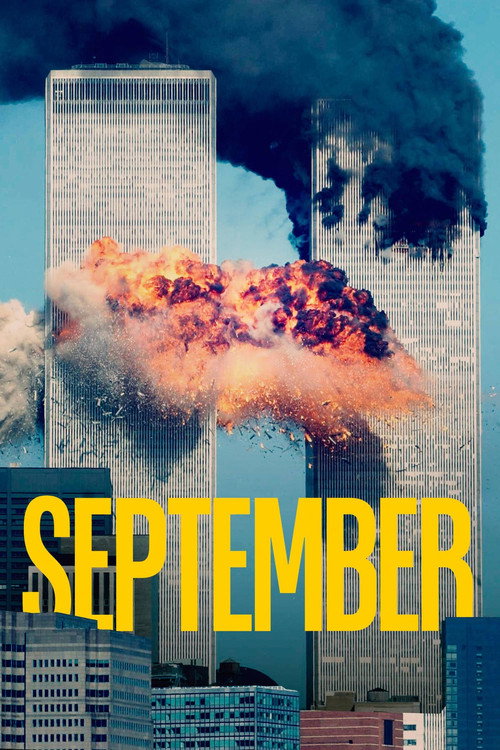
September 11, 2001, changed the world. But how did a single day give rise to shockwaves that continue to be felt to this day? "SEPTEMBER" retells the story of the terrorist attacks condensed into the 30 days of a month that shaped the 21st century.
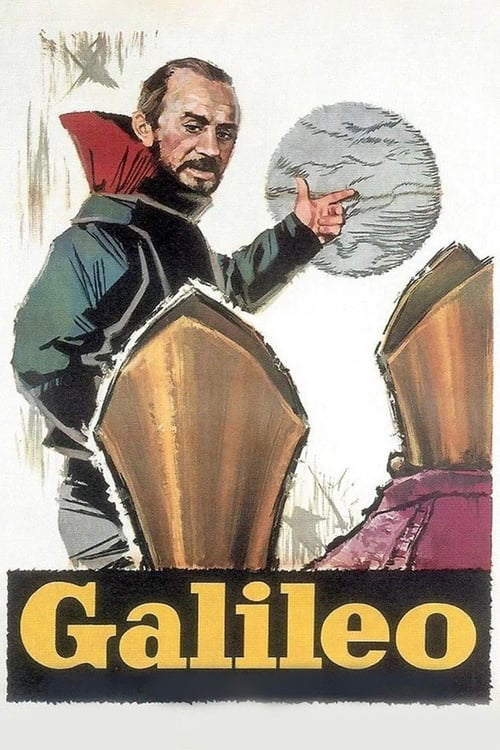
A humble scientist from Padua proves that the Earth revolves and that it is not the center of the universe.

The incredible story of Bruno Lüdke (1908-44), the alleged worst mass murderer in German criminal history; or actually, a story of forged files and fake news that takes place during the darkest years of the Third Reich, when the principles of criminal justice, subjected to the yoke of a totalitarian system that is beginning to collapse, mean absolutely nothing.
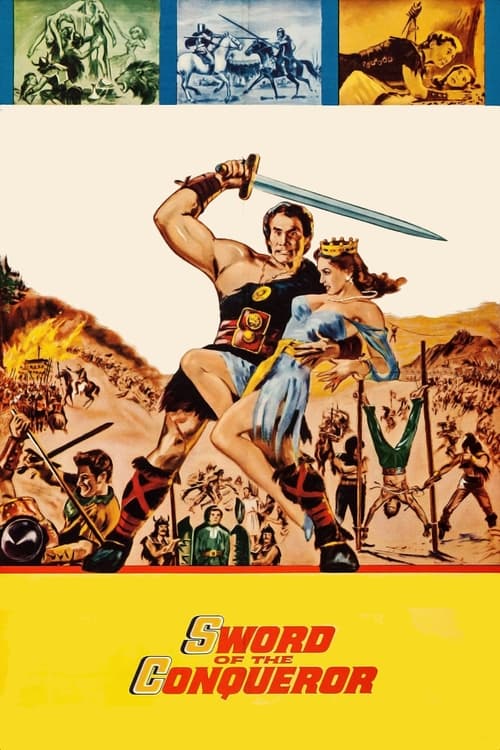
Alboino, the Lombard ruler, wants to marry the daughter of a neighboring king, but she loves another. Her father arranges the marriage to Alboino, which he believes will be beneficial to him, only to have Alboino kill him and leave Amalchi, his daughter's real love, beaten and left for dead. Amalchi recovers to lead a revolt against the murderous Alboino and reclaim his woman.

The Blitz saw over 40,000 civilians killed and more than a million houses destroyed in London when the German's conducted mass air attacks. Eighty years on, we look at the build-up to the raids and detailed footage of the destruction that followed. With interviews from those who lived through it and stories of sadness and bravery, at a time when Britain held strong and swore not to surrender.

In 1817, on Bourbon Island (Reunion Island), a compelling narrative unfolds. Following the passing of his mother, the enslaved Furcy stumbles upon a letter of emancipation amidst her belongings – an unexpected key to his indirect liberation. Aided by the support of abolitionist prosecutor Gilbert Boucher, Furcy courageously embarks on a legal crusade against his master, Joseph Lory, in a bid to substantiate his claim to freedom. This legal saga, marked by numerous twists and turns, spans almost three decades. Furcy endures imprisonment and exile in Mauritius for a significant portion of this period. It is only in 1846 that he finally presents his case before the Royal Court of Paris. Furcy’s triumph in the courtroom distinguishes him as one of the rare slaves in French history to achieve legal emancipation several years prior to the definitive abolition of slavery.
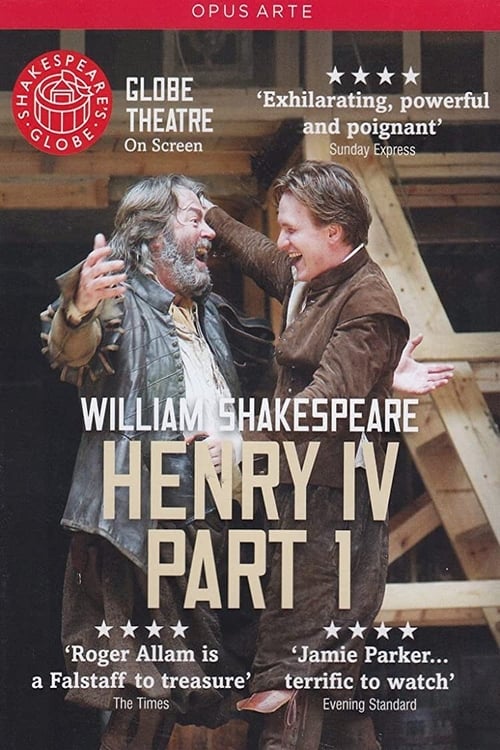
Prince Hal, son of King Henry IV, seems to be squandering his life away with the fat knight Sir John Falstaff and the whores, boozers and petty rogues of Eastcheap. But beside these scenes of glorious misrule gathers a nationwide rebellion led by the Duke of Northumberland and his charismatic son, Hotspur. The first installment of Shakespeare's gripping account of the rise of Hal from idle barfly to monarch-in-waiting combines compelling power politics with the hilarious antics of Falstaff, Shakespeare's greatest comic creation.
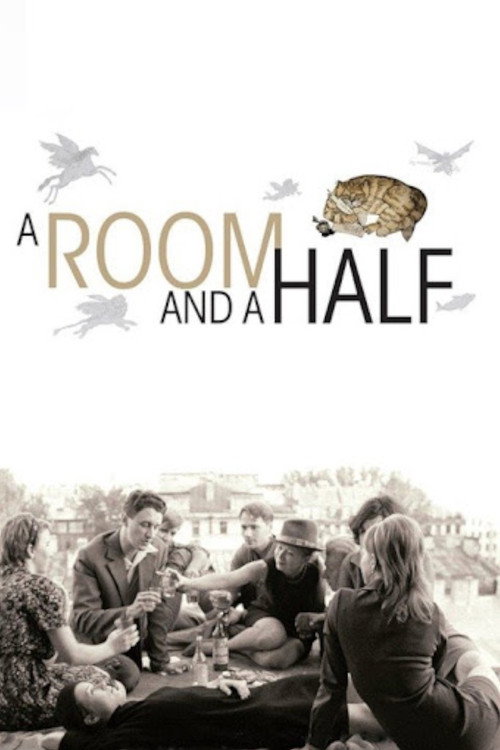
A semi-fictional account of the life of Russian poet Joseph Brodsky, who was forced into American exile in 1972.

A look into the life of professional golfer Moe Norman.