Protocol Archives • Browse all History titles in HD
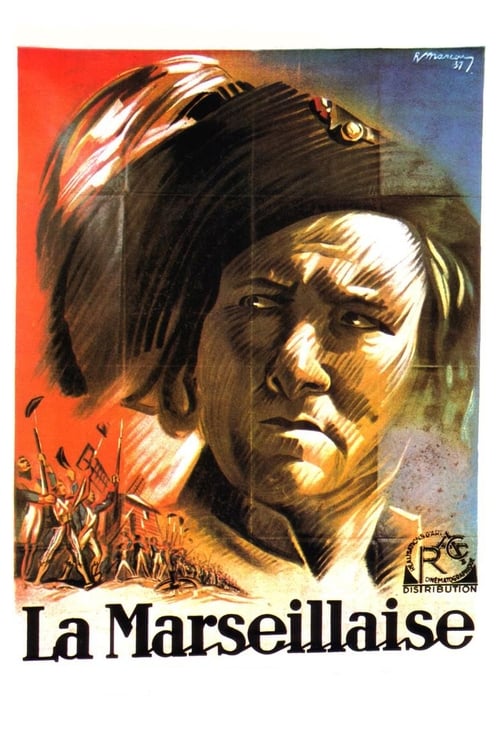
The early days of the French Revolution, as seen through the eyes of the ordinary citizens in Marseille and the royal court, including King Louis XVI and Marie Antoinette.
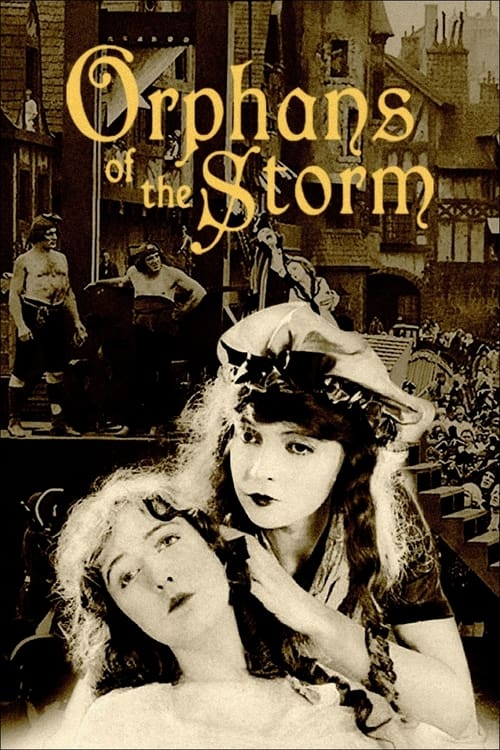
France, on the eve of the French Revolution. Henriette and Louise have been raised together as sisters. When the plague that takes their parents' lives causes Louise's blindness, they decide to travel to Paris in search of a cure, but they separate when a lustful aristocrat crosses their path.

Satou and his party are attacked by a band of thieves. Satou's group is annihilated, but only Sato's son Gyeongseon survives. At that time, he was two years old. An old thief, Yoo-eun, takes the race and raises him. Years pass, and Gyeong-seon becomes a young man, and he falls in love with the boss's daughter, Moo-yeong. One day, Kyung-sun learns the truth about his father's death through his will. Kyung-sun learns that the boss is his father's enemy and decides to kill him. The moment the boss and the Gyeongseon confront each other and are in a crisis, Moo-young kills the boss. She killed her father for her love. Gyeongseon and Mooyoung leave the mountain for a bright tomorrow.

A journey through history

A four-channel video installation that continues on from the echoes of French colonial subjects. Senegalese soldiers, or tirailleurs, were among the forces deployed to Indochina to combat the Vietnamese uprising against French rule. During the war and after the French defeat at Dien Bien Phu (when Frantz Fanon declared the beginning of the end of the French Empire), hundreds of Vietnamese women and their children migrated to West Africa with Senegalese husbands who had been stationed in Indochina. Many other soldiers left their wives and took only their children, while still others took mixed or Vietnamese children not their own and raised them in Senegal without connection to their origins.
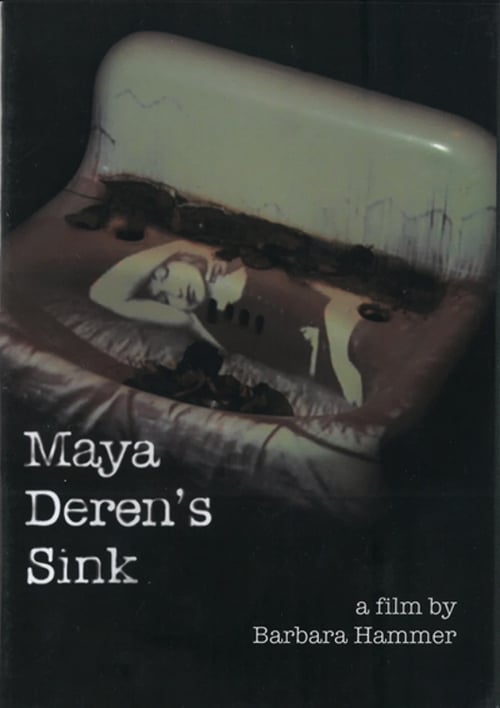
Maya Deren's Sink, a 30 minute experimental film, is an evocative tribute to the mother of avantgarde American film. The film calls forth the spirit of one who was larger than life as recounted by those who knew her. Teiji Ito's family, Carolee Schneemann and Judith Malvina, float through the homes recalling in tiny bits and pieces words of Deren's architectural and personal interior space. Clips from Maya Deren's films are projected back into the spaces where they were originally filmed appearing on the floorboard, furniture, and in the bowl of her former sink. Fluid light projections of intimate space provide an elusive agency for a filmmaker most of us will never know as film with its imaginary nature evokes a former time and space.
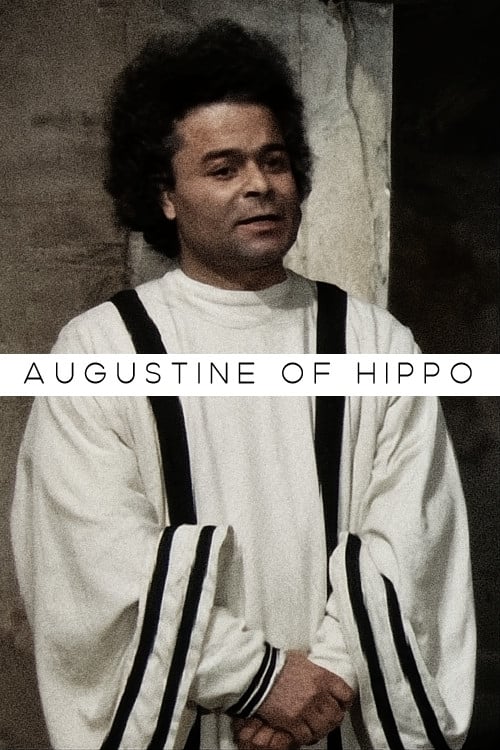
A biography of St. Augustine as he enters the episcopacy and deals with heresy and the decline of the Western Roman Empire.

The sinking of the RMS Titanic remains one of the most enduring and mysterious tragedies of the 20th century. For decades, investigators and amateurs alike have floated theories for why it occurred and who was to blame for the extraordinary loss of life, but no one answer could fully explain what happened. Until now. To mark the 100th anniversary of the infamous disaster, Smithsonian Channel will premiere Titanic's Final Mystery. The two-hour special investigates a century of theories and uncovers astonishing new forensic evidence that proves the most likely theory for the case.
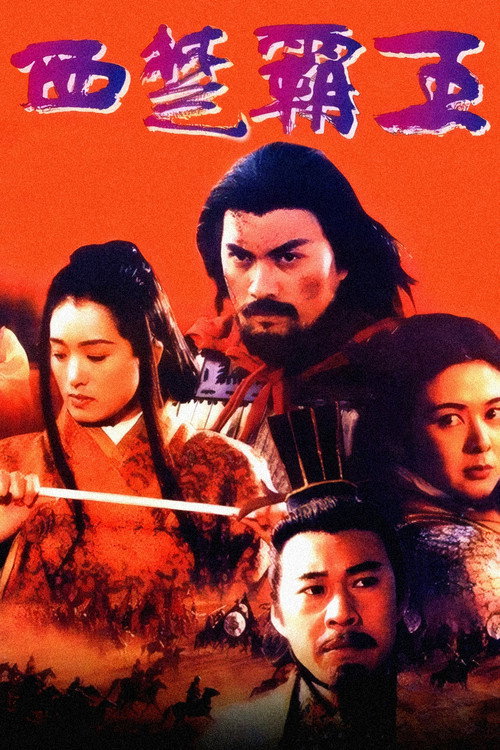
Insurrection deposes the tyrannical first emperor of China during the evil Qin Dynasty. Warrior/general Xiang Yu and the cunning peasant Liu Pang join forces to win through civil war. Xiang Yu's weakness for Lady Yu combine with Liu Pang's treachery result in Liu founding the legendary Han dynasty

Victor Klemperer (1881-1960), a professor of literature in Dresden, was Jewish; through the efforts of his wife, he survived the war. From 1933 when Hitler came to power to the war's end, he kept a journal paying attention to the Nazis' use of words. This film takes the end of 1945 as its vantage point, with a narrator looking back as if Klemperer reads from his journal. He examines the use of simple words like "folk," "eternal," and "to live." Interspersed are personal photographs, newsreel footage of Reich leaders and of life in Germany then, and a few other narrative devices. Although he's dispassionate, Klemperer's fear and dread resonate
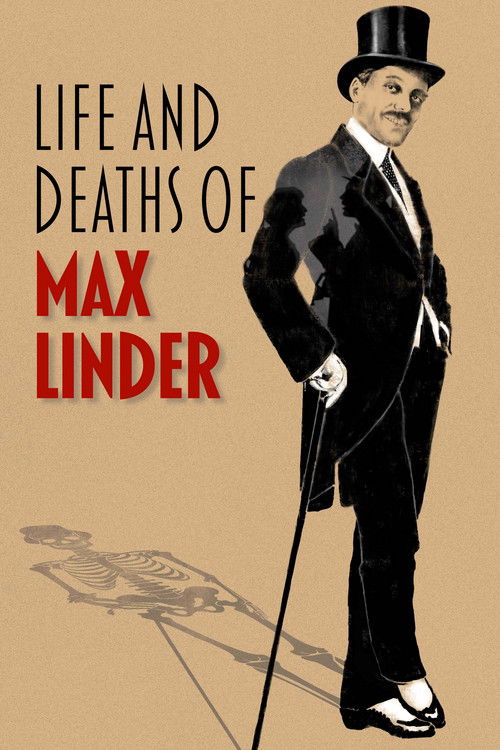
An exploration of the dazzling rise and mysterious downfall of French actor and filmmaker Max Linder (1883-1925), the world’s first international film star and mentor to British actor and filmmaker Charlie Chaplin.
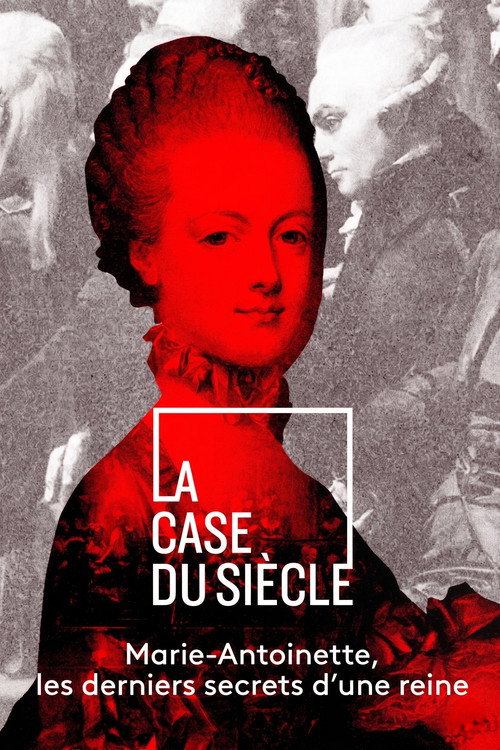
For more than two centuries, Marie Antoinette fans have wondered if she really had an affair with the Count of Fersen. Secret correspondence exchanged during the Revolution, miraculously found, contains mysterious erasures that remain illegible to this day. Historians have always been convinced that they hid the key to the enigma. Today, a scientific team is preparing to scan these precious documents preserved in the National Archives. The queen's letters will finally reveal her secrets.

Amy, the wife of an English governor, falls in love with Parithi, a villager, and they run away. However, they are caught and she is taken back to London. Years later, she comes back in search of him.
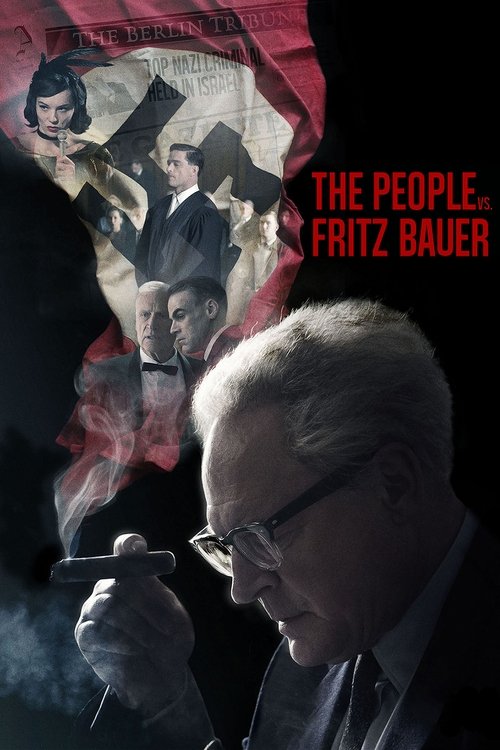
It is the late 1950s. Flourishing under the economic miracle, Germany grows increasingly apathetic about confronting the horrors of its recent past. Nevertheless, Fritz Bauer doggedly devotes his energies to bringing the Third Reich to justice. One day Bauer receives a letter from Argentina, written by a man who is certain that his daughter is dating the son of Adolph Eichmann. Excited by the promising lead, and mistrustful of a corrupt judiciary system where Nazis still lurk, Bauer journeys to Jerusalem to seek alliance with Mossad, the Israeli secret service. To do so is treason — yet committing treason is the only way Bauer can serve his country.

Set in Sandy Point, NL in the mid 1700s and follows the story of infamous pirates Eric Cobham and Maria Lindsey
The Watergate case was the original game changer of America politics. How has Watergate changed the Presidency? What effect has the scandal had on our political leaders? And has hope and optimism forever been replaced in our national dialogue by doubt and cynicism? In 1973, Watergate's most pivotal year, reporters Bob Woodward and Carl Bernstein doggedly investigated the scandal exposing the long, twisted trail of cover-ups and lies.
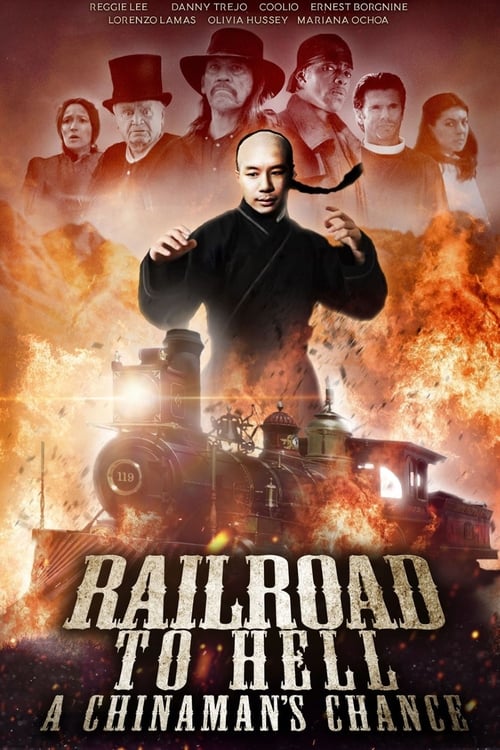
1870's America. A Chinese immigrant falsely accused of murdering a white woman is viciously hunted down; he'll have to prove his innocence in a time when people of color had "no legal rights" and could be bought and sold for a profit. Railroad to Hell: A Chinaman's Chance explores the exploitation of Chinese workers during the building of American railroads. The workers not only spent long hours, but the work was often dangerous and fatal. The Chinaman is a fugitive on the run, and all odds are against him. While stealing a horse was a hanging offense in the Old West, our fugitive knows that killing a Chinaman is not a crime.

Ithikkara Pakki, a daily-wage labourer, fights against a wealthy landlord when he tries to trouble the villagers. Things get worse when he falls in love with the landlord's daughter.
A young woman goes back to her province in the countryside where she gets to once again meet her Grandmother Loleng - a distant relative and a senile parol (Christmas lantern) artisan. Together, they will explore Grandma Loleng’s landscape of memories, only to unearth her innermost secrets and wartime experiences. It is about memory and forgetting, both in the context of the personal and of the national consciousness.

Haunted by their own directionless lives, two pre-adolescent girls reunite while visiting their ailing grandmother. In the midst of her fantasies of a medieval past - one consumed by fear and desire - the two girls are transformed and confront a legacy of oppression, juxtaposing their budding identities to a trial condemning two Moorish homosexuals to burn at the stake.