Protocol Archives • Browse all History titles in HD
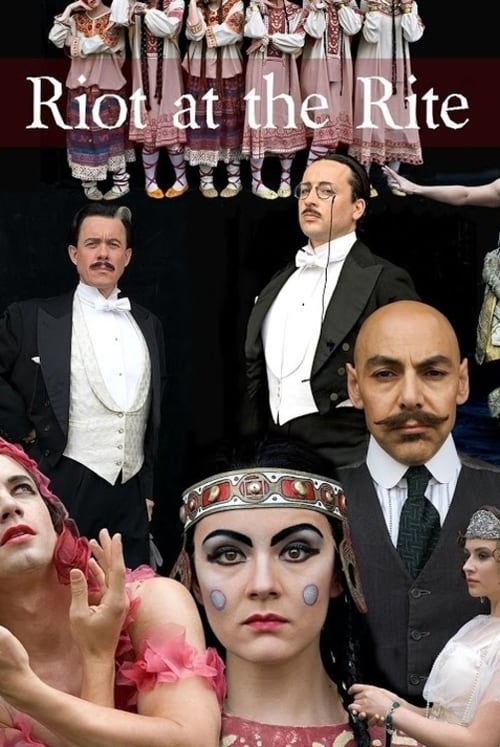
In the spring of 1913, Parisian businessman Gabriel Astruc opens a new theater on the Champs Elysées. The first performance is the premiere of Igor Stravinsky's 'The Rite of Spring', danced by the Ballet Russes. The rehearsal process is extremely fraught: the orchestra dislike Stravinsky's harsh, atonal music; the dancers dislike the 'ugly' choreography of Vaslav Nijinsky. The volatile, bisexual Nijinsky is in a strained relationship with the much older Sergei Diaghilev, the Ballet Russes' charismatic but manipulative impresario. Public expectation is extremely high after Nijinsky's success in 'L'apres-midi d'un faune'. Finally, 'The Rite of Spring' premieres to a gossip-loving, febrile, fashion-conscious Parisian audience sharply divided as to its merits.
Eva Perón, a champion of women's rights and social justice, was considered the most powerful woman of her time, and she and her husband Domingo Perón, President of Argentina, were a legendary couple.
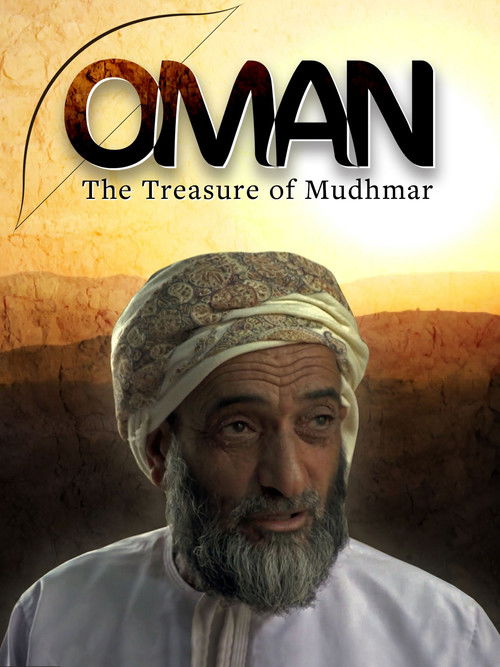
To the east of the Arabian desert, an ancient culture developed; and it attainted the sophistication of its civilized neighbours in Mesopotamia & Iran. The extreme aridity of the spot, combined with the strictness of religious prohibitions, discouraged archaeologists for a long period of time. Only recently, a group of French scientists initiated a large-span excavation. Their aim is to comprehend how this society succeeded to prosper, despite a natural environment so hostile to any conditions of life. The answer seems to be the refinement of a revolutionary, water management technique. Yet beyond such technical prowess, this documentary provides a unique look to discover a unique way of life; but also the pre-Islamic religious beliefs of this milieu.
By the start of World War II, Paul Robeson had given up his lucrative mainstream work to participate in more socially progressive film and stage productions. Robeson committed his support to Paul Strand and Leo Hurwitz’s political semidocumentary Native Land. With Robeson’s narration and songs, this beautifully shot and edited film exposes violations of Americans’ civil liberties and is a call to action for exploited workers around the country. Scarcely shown since its debut, Native Land represents Robeson’s shift from narrative cinema to the leftist documentaries that would define the final chapter of his controversial film career.
Filmed on location in Saskatchewan from the Qu'Appelle Valley to Hudson Bay, the documentary traces the filmmaker's quest for her Native foremothers in spite of the reluctance to speak about Native roots on the part of her relatives. The film articulates Métis women's experience with racism in both current and historical context, and examines the forces that pushed them into the shadows.

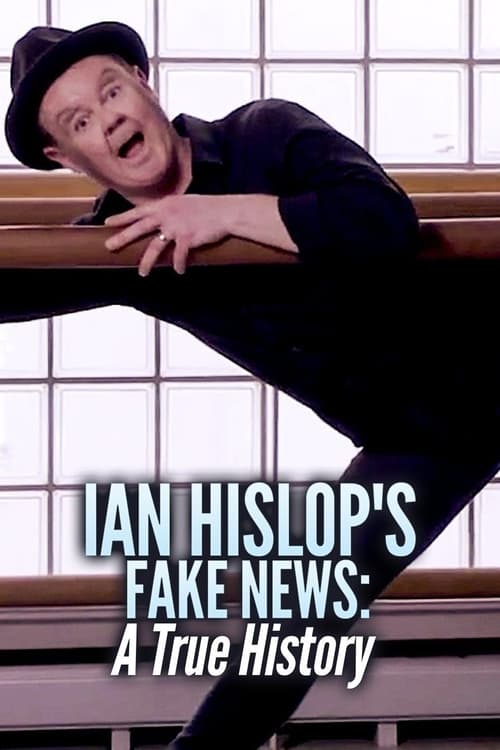
Ian Hislop's sharp, provocative take on 200 years of fake news and its consequences - from Victorians on the moon to 21st-century deepfake, and Hislop as never seen before.

God's story is unstoppable when it is in the heart language of a people group. Deaf Missions' Jesus Film uses native signers to bring the story of Jesus to life from a Deaf perspective for a Deaf audience.
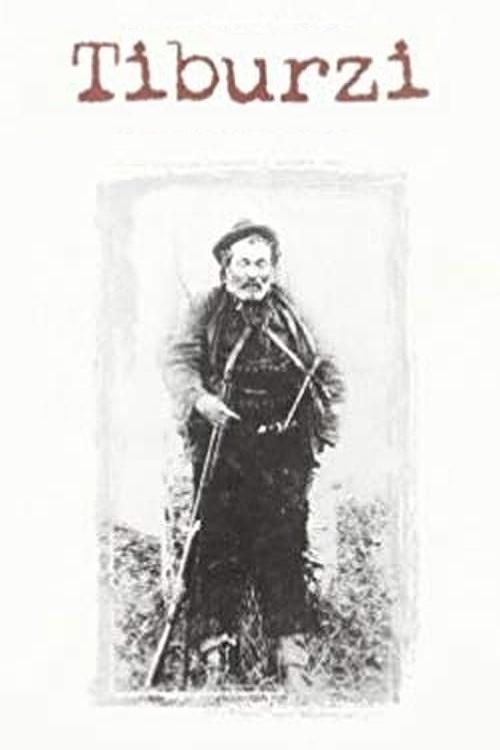
An unconventional biopic about the legendary Tuscan bandit Tiburzi, who became a peasants' hero in the late nineteenth century

A poignant and forceful saga which traces the fortunes of two English children uprooted from their beloved Liverpool dockside to the alien environment of Australia in the years following World War Two.

"The Moving Picture Boys in the Great War" is a compilation documentary narrated by Lowell Thomas, illustrating changing attitudes toward the war and its participants, as well as toward the movies themselves. Winner, Gold Medal, 1975 Chicago Film Festival.

Postwar Japan as it is described by Etsuko, the manager of a bar catering to foreigners in Yokosuka. The way of life of a woman brimming with vitality, who skipped the countryside right after the war and, with her womanhood as a weapon, lived through atomic bombings, black markets, prostitution aimed at American soldiers and the Korean War. Inserting newsreels, Shohei Imamura depicts the history of twenty-five years in the Japanese postwar by way of the female body. (doclisboa)
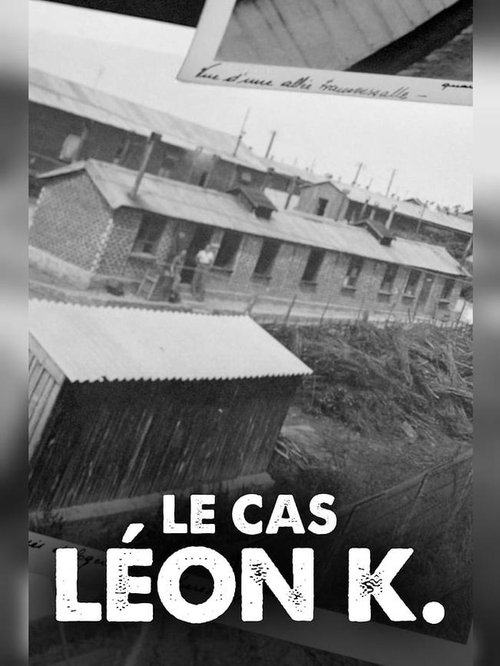
A young Polish Jew who was arrested and interned in France in 1942 wrote twice to the French leader ot the time, Marshal Pétain, appealing for his help. After these two letters, he falls off the radar. This documentary digs into what happened to Leon K. one of many caught up in the tumult of war.
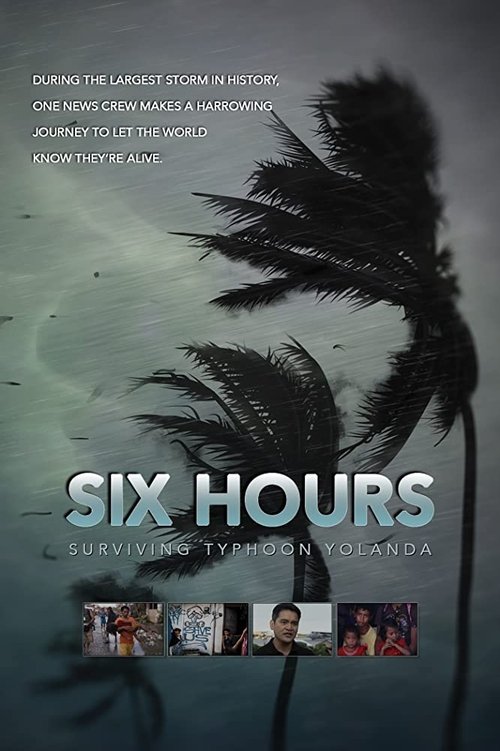
In the middle of a broadcast about Typhoon Yolanda's initial impact, reporter Jiggy Manicad was faced with the reality that he no longer had communication with his station. They were, for all intents and purposes, stranded in Tacloban. With little option, and his crew started the six hour walk to Alto, where the closest broadcast antenna was to be found. Letting the world know what was happening to was a priority, but they were driven by the need to let their families and friends know they were all still alive. Along the way, they encountered residents and victims of the massive typhoon, and with each step it became increasingly clear just how devastating this storm was. This was a storm that was going to change lives.

The exciting story of the splitting of the atom, a scientific breakthrough of incalculable importance that ushered in the nuclear age, has a dark side: the many events in which people were exposed to radiation, both intentionally and by accident.

Set against the windswept cliffs and secluded beaches of 17th-century Guernsey, 'Albert' follows the tale of Sarre, a reclusive man in possession of a forbidden grimoire: 'Le Petit Albert'.
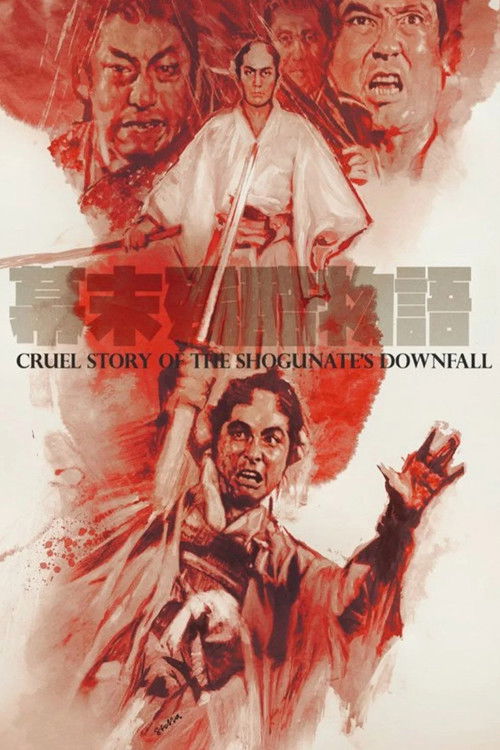
A headstrong young man seeks to join the Shinsengumi, but while his determination impresses his superiors, questions begin to arise as to his true identity and intentions.
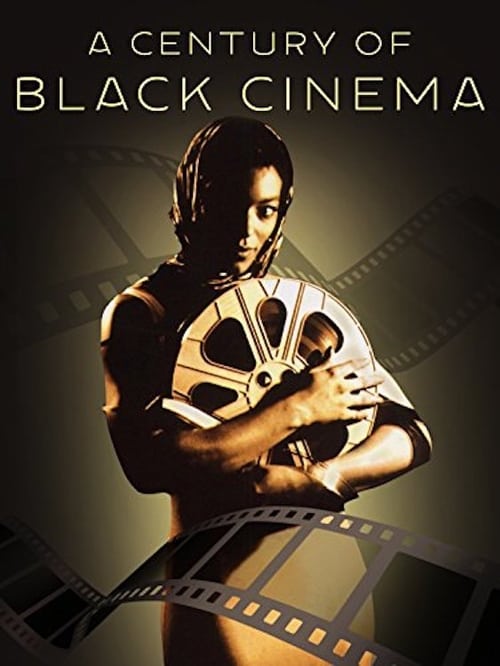
This film highlights moments in the long and rich African American cinema history in relation to social and political events, and how it affected Black viewers of the time.

The movie-documentary "Elza Infinita" follows the journey of singer Elza Soares. Its starting point is the musical Elza and the artists who were part of the cast, as they talk about Elza’s life and their own personal experiences.