Protocol Archives • Browse all History titles in HD
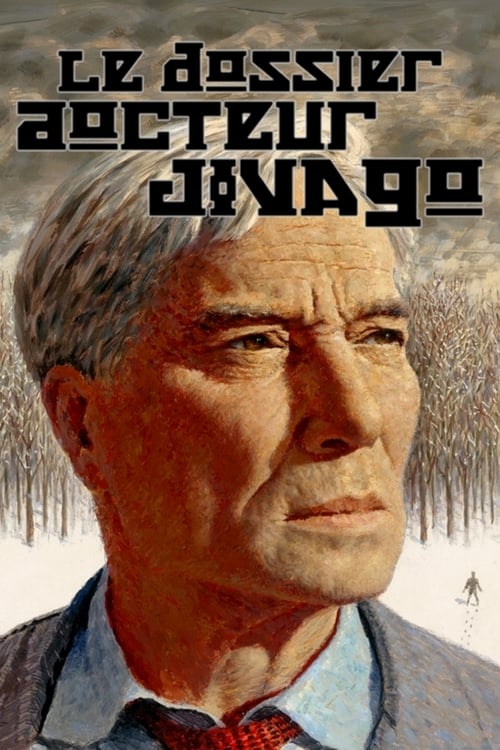
As Russian writer Boris Pasternak (1890-1960) thinks it is impossible that his novel Doctor Zhivago is published in the Soviet Union, because it supposedly shows a critical view of the October Revolution, he decides to smuggle several copies of the manuscript out of the country. It is first published in 1957 in Italia and the author receives the Nobel Prize in Literature in 1958, which has consequences.
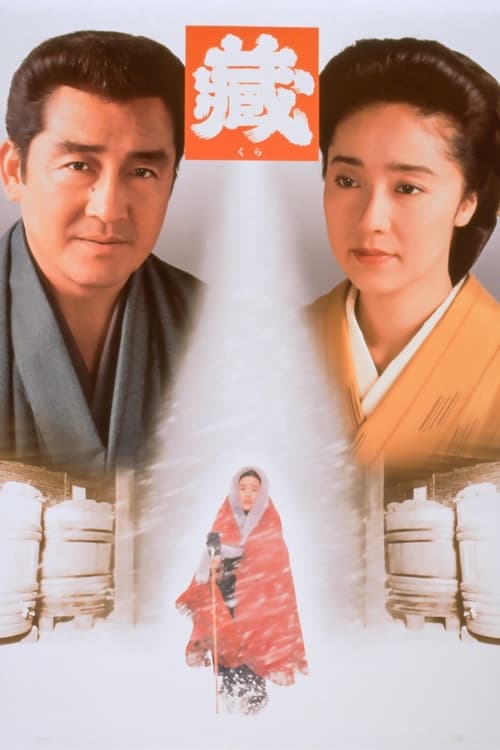
In spite of a longstanding tradition forbidding women from working in a sake brewery, Retsu, a young blind woman, challenges herself to overcome her disability in order to save her family's sake business.
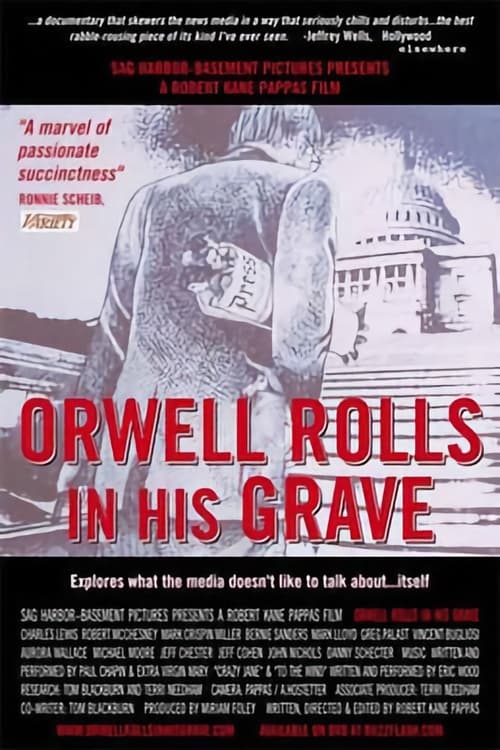
Has America entered an Orwellian world of doublespeak where outright lies can pass for truth? The country's leading intellectuals discuss and examine the mix of businesses, politics and ideology that is the mainstream media.

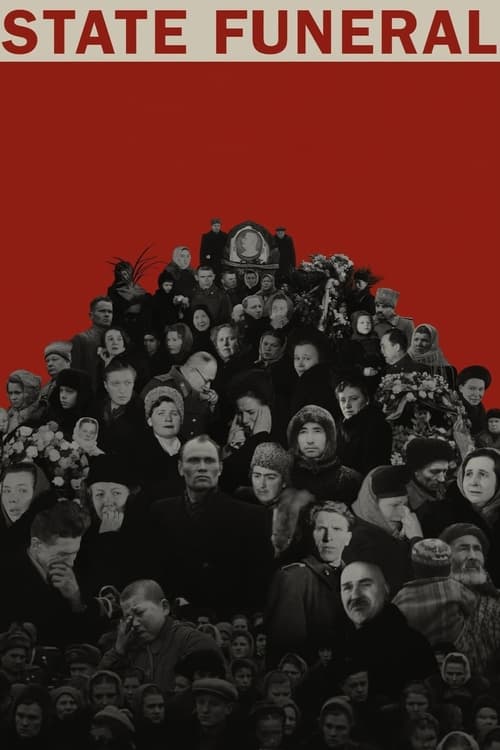
The enigma of the personality cult is revealed in the grand spectacle of Stalin’s funeral. The film is based on unique archive footage, shot in the USSR on March 5 - 9, 1953, when the country mourned and buried Joseph Stalin.

For decades, European security has depended mainly on NATO, under-written by America. But under the Trump White House, the spectre of US disengagement threatens to leave the EU without its protector. We investigate the main threats facing Europe and examine how Europe can best defend itself.

This docudrama takes us on a journey through Nikolai Astrup's life and the inspiration behind some of his most famous paintings until his early death in 1928.
An in-depth look at the culture of Los Angeles in the ten years leading up to the 1992 uprising that erupted after the verdict of police officers cleared of beating Rodney King.
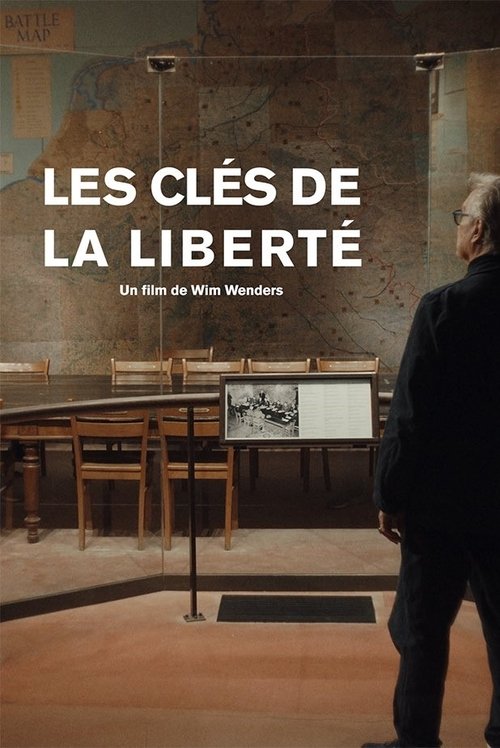
To mark the 80th anniversary of the end of the Second World War, Wim Wenders shot a short film that takes us to the most secret place in Europe at that time: a map room in a school in Reims, France, which served as a war room for the Allies. On May 7, 1945, Nazi Germany surrendered there and the world war ended.

In a Mexican city at the end of the 19th century, Don Francisco, a gambler and a bohemian, almost forgets his wedding and is late. The bride, who is pregnant, is sent to Paris by the snubbed family.
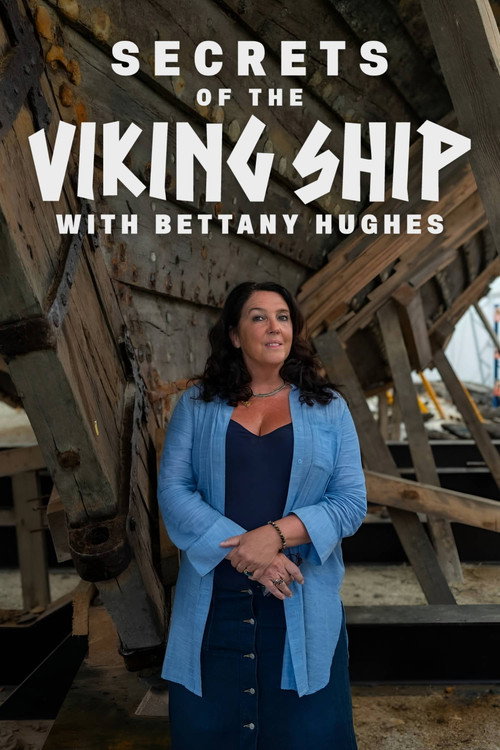
The historian investigates the discovery of a group of Viking graves in the eastern Baltic that date back over 1200 years, predating the established start of the Viking era. Bettany follows the investigation from Estonia to Sweden, uncovering how scientists and archaeologists reconstructed the men's origins, kinship and fate, and uncovered a tantalising question. Could one of these warriors have been the legendary Viking king who inspired an epic saga?

This docudrama follows an imaginary news reporter who travels back in time to cover the days leading up to the Treaty of Waitangi's signing on 6 February 1840. Dropping the usual solemnity surrounding Aotearoa's founding document, it uses humour and asides to camera to evoke the chaos and motives behind the treaty. This clip features a confrontation between Hone Heke and representatives of the Crown.

NOTHING IS TRUER THAN TRUTH is a feature length documentary about Edward de Vere, Seventeenth Earl of Oxford, A-list party boy on the continental circuit, who spent a year and a half in Venice and traveling in Europe, learning about commedia dell'arte and collecting the experiences that would become the Shakespeare plays. Shot in Venice, Verona, Mantua, Padua, and Brenta, the film ventures to actual sites De Vere visited in 1575-76, including the settings for THE MERCHANT OF VENICE, OTHELLO, ROMEO & JULIET, and TWO GENTLEMEN OF VERONA. The film features renowned Shakespeare scholars, actors, and directors, including Sir Derek Jacobi, Mark Rylance, Tina Packer, and Diane Paulus, and argues that De Vere's bisexuality is the reason for the pseudonym Shake-speare.
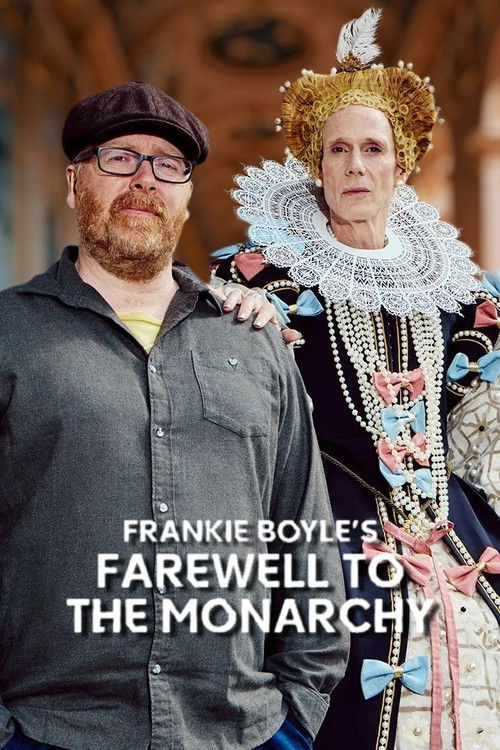
The comedian takes a look back at the darker side of the royal family's 1000-year history, and wonders how generations of land-grabbing, child-murdering, wife-beheading, slave-trading, misogyny, violence and empire-building have shaped our royal family today.
Tadushepa grows from a young princess from the Mitanni kingdom to the legendary Queen Nefertiti of Egypt. The film starts with the discovery of her bust by a German archaeologist in 1912 and then turns the time back to the moment just before she is married to the old Pharaoh Amanophis III. She must say goodbye to her lover, the sculptor Yame. But in Egypt she appears to have a great talent for power. After the death of Amanophis she collapses on the heir to the throne Akhematon.
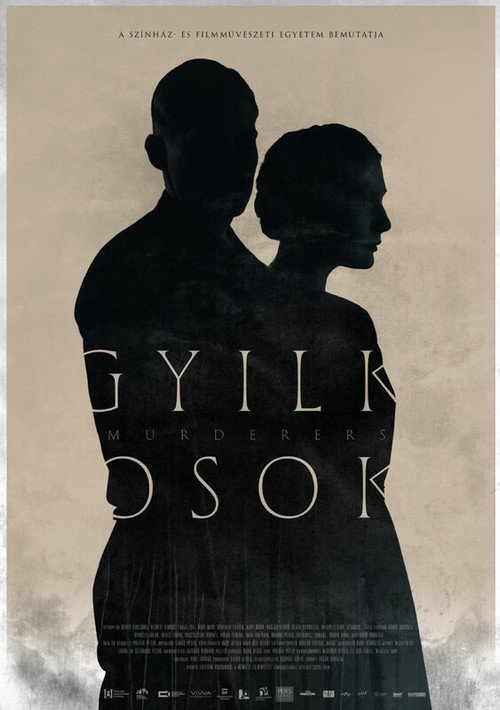
Ignored by history for 40 years, the Oversteegen sisters' true story inspires "Murderers" (1941-1990). Two teenage girls lure a Nazi to his death. Echoing the psychological trauma of war, emigration, and today's chilling winds of fascism, the film asks: what is the true price of murder for a righteous cause, and what remains of our humanity after we are forced to cross the ultimate line?

In an old safe, a man discovers his grandmother’s memoirs, old photos of an army officer and a mysterious postcard that link to a concealed crime; the Katyn Forest massacre. Weaving interviews with bold animation, The Officer's Wife explores the collision of truth, justice and memory in a family tragedy.
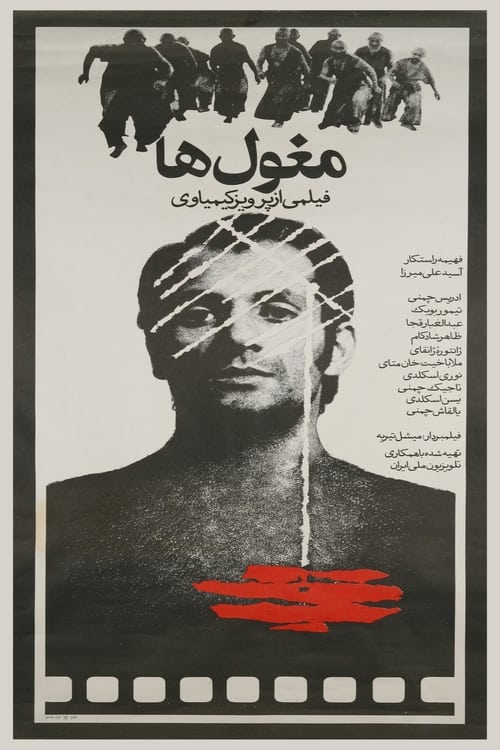
A director of a television series on the history of cinema, who has been grappling with the screenplay of his first feature film, receives an assignment to oversee the installation of a television relay station in a remote region of Zahedan province. He has already hired Turkmen tribespeople for his film and selected his filming location. Meanwhile his wife, who is working on her Ph.D. dissertation about the Mongol invasion of Iran, attempts to dissuade him from accepting the assignment. One night, while working on his history of the cinema series, the director fantasizes a diegetic world that consists of clever juxtapositions of his different worlds: the history of cinema, the history of the mongol invasion, his own film idea and his imminent assignment to the desert.