Protocol Archives • Browse all History titles in HD

Collage of sequences drawn from a wide variety of ephemeral (industrial, advertising, educational) films, touring the conflicted landscapes of twentieth-century America.
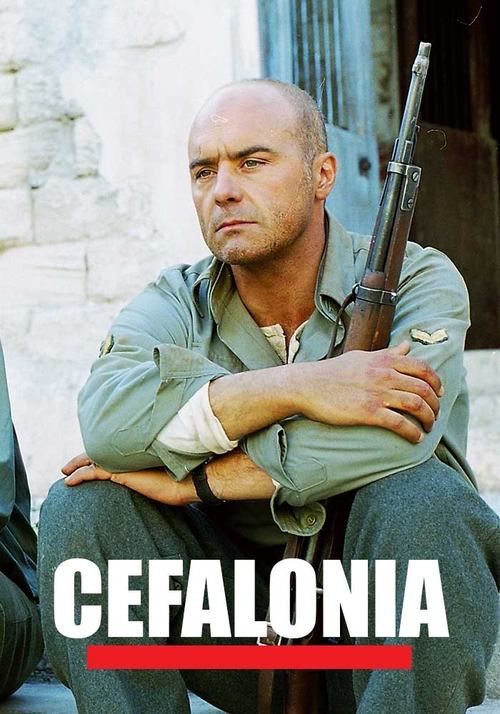
Cefalonia tells the real story about what happened in September 1943 on the Greek island of Kefalonia (Cefalonia in Italian), when the 12,000 men in the Italian 33rd Acqui Infantry Division, following Italy's surrender to the Allied, refused to put themselves under German command and also refused to surrender their weapons. The local German force, supported by Stuka dive-bombers and additional troops, attacked the Italians and after several days of combat the Italians surrendered, having lost 1,300 men. As punishment, the German High Command ordered that all surviving Italians should be executed. Some 5,000 were executed during a week of killings. A handful were rescued by locals and the Greek guerrilla, while the rest were shipped off as prisoners, whereof 3,000 drowned when their ships hit mines. The film "Captain Corelli's Mandolin" is based on a novel about the Italian occupation of Cefalonia, but the massacre was much toned down in the Hollywood version.
Based on David Maraniss's book They Marched into Sunlight, a documentary telling the story of two seemingly unconnected events in October 1967 that changed the course of the Vietnam War. Whilst a US battalion unwittingly marched into a Viet Cong ambush which killed 61 young men, half a world away angry students at the University of Wisconsin were protesting the presence of Dow Chemical recruiters on campus. (Storyville)

The remarkable story of Earl Silas Tupper, an ambitious but reclusive small-town inventor, and Brownie Wise, the self-taught sales-woman who built him an empire out of bowls that burped. Brownie was an intuitive marketing genius who trained a small army of Tupperware Ladies to put on Tupperware parties in living rooms across America in the 1950s. She rewarded her sales force with minks and modern appliances at extravagant annual jubilees which the company filmed. her saleswomen earned thousands, even millions, selling Tupperware. And the experience changed their lives.
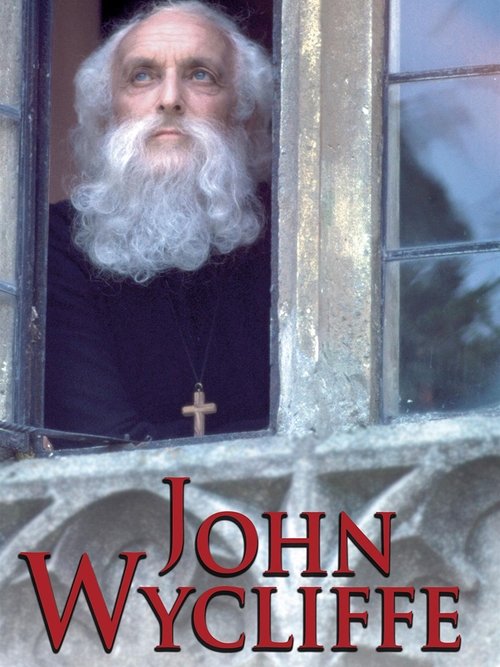
This affecting biography chronicles the life and times of prominent European philosopher John Wycliffe, who was the first to translate the Bible into English. The 14th century, Oxford University scholar often found himself caught between opposing theological, political and societal forces: He defended England's autonomy against the pontiff's authority and championed the indigent against the wealthy's abuses.
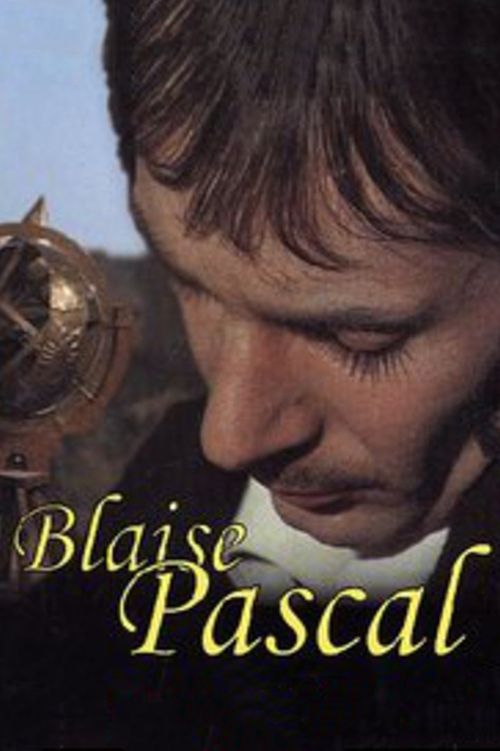
In this evocative, atmospheric biography, Roberto Rossellini brings to life philosopher and mathematician Blaise Pascal, who, amid religious persecution and ignorance, believed in a harmony between God and science.
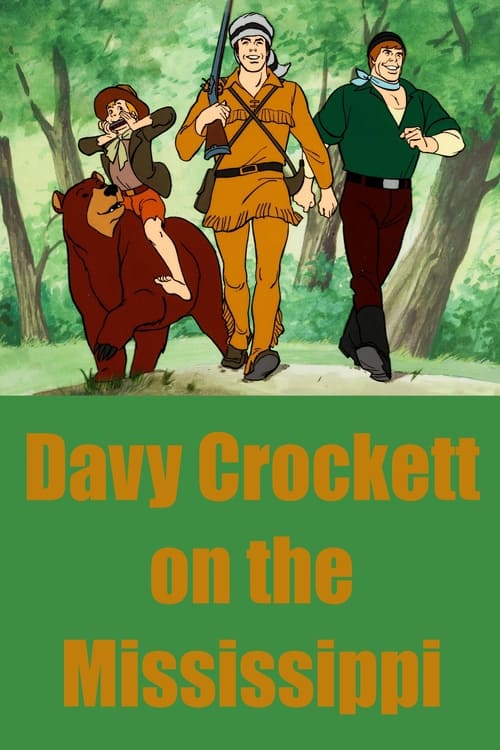
Biopic of the American Folk hero best known for his role as a frontiersman. Crockett was also a soldier, scout, and eventually even a Congressman. He was also one of the men who was killed at the Alamo.
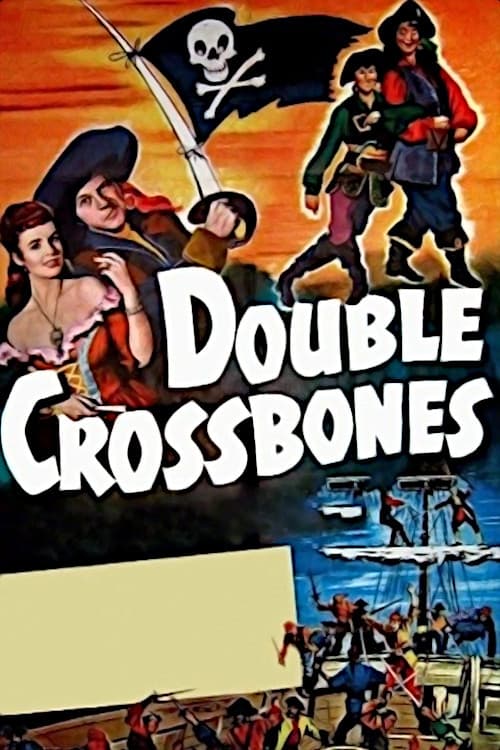
Falsely accused by the corrupt Governor Elden of Charleston of fencing stolen pirate booty, young Davey Crandall and friend Tom Botts buy passage on the ship of local buccaneer Bloodthirsty Ben. They avoid being killed by faking a case of the pox, which causes the panicked captain and crew to desert the ship. The two find themselves alone, and when a lucky cannon shot hits a mast on a British ship, they find themselves mistaken for pirates. They sail to Tortuga, where they recruit such notorious corsairs as Henry Morgan, Captain Kidd, Anne Bonney, and Blackbeard to lay siege to Chaleston and expose the villain Elden.
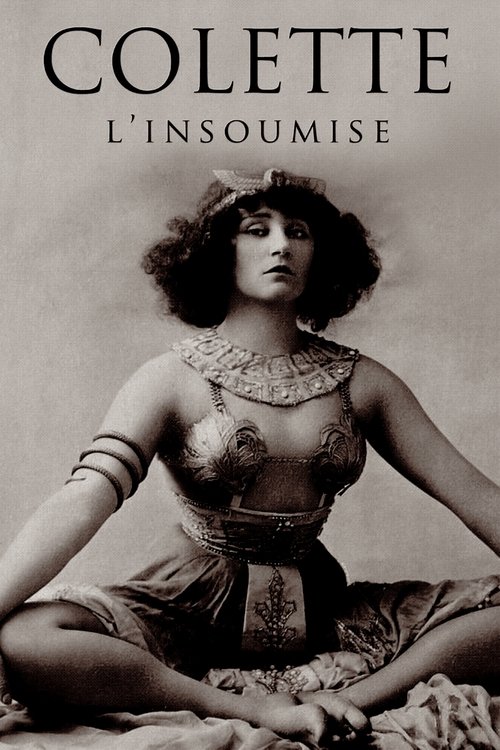
The incredible life of novelist, screenwriter, actress and nude dancer Sidonie-Gabrielle Colette (1873-1954), who led her life to the beat, constantly reinventing herself through words, scandals and metamorphoses; a peasant woman who became an icon of the European Belle Époque; an artist who defied religion and social prejudices to live a hedonist existence worthy of her desires; a real woman who turned herself into a fictional character…
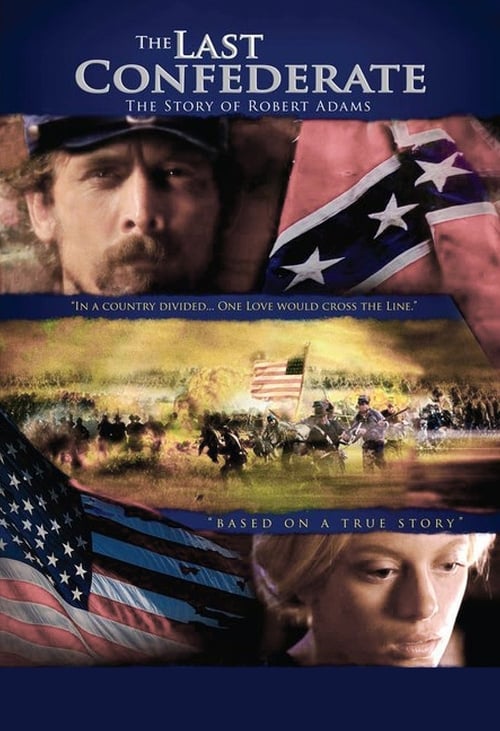
Amid the bitter divisiveness of the Civil War, Confederate Capt. Robert Adams (Julian Adams) feels the rift within his soul. Steadfastly loyal to the South, Adams also holds an unshakable love for his Northerner wife, Eveline McCord (Gwendolyn Edwards). Based on the true story of Robert Adams and produced by his descendents, this stirring historical drama -- a film festival favorite -- delves into the themes of honor, patriotism and love.
"The Moving Picture Boys in the Great War" is a compilation documentary narrated by Lowell Thomas, illustrating changing attitudes toward the war and its participants, as well as toward the movies themselves. Winner, Gold Medal, 1975 Chicago Film Festival.
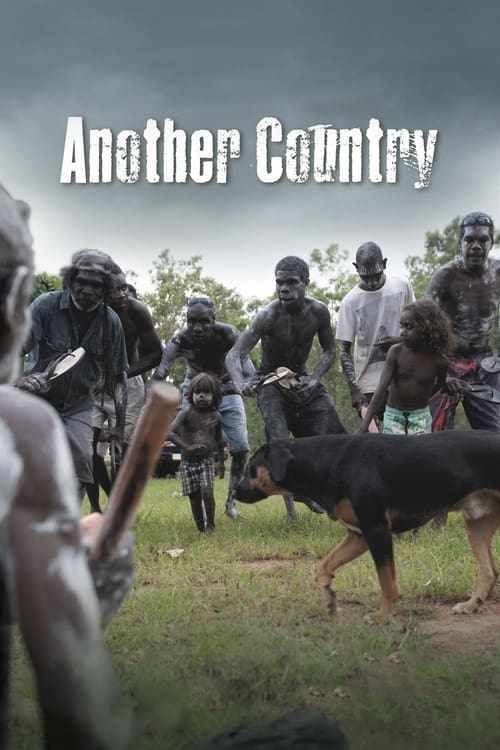
In this documentary companion to CHARLIE'S COUNTRY, Australian actor David Gulpilil tells the story of when his people's way of life was derailed by ours.

Pedro Calungsod, a young Filipino man, leaves his Visayan native roots to join the Spanish Jesuit priest Fr. Diego de San Vitores in his mission to the Marianas Islands (Guam) in 1668. The San Diego Mission arrives in the Marianas where the young Pedro, a trained catechist and mission assistant, begins work for Fr. Diego de San Vitores in baptizing the Chamorro natives, preaching the holy gospel and spreading the good news of salvation through the Christian faith amidst paganism, doubt and disbelief. Despite the longing for his father and the threats to their lives, even at the peril of death, Pedro and Fr. Diego continued their missionary work. They roamed the dangerous islands and baptized many more natives and continued to enlighten them about Christianity.
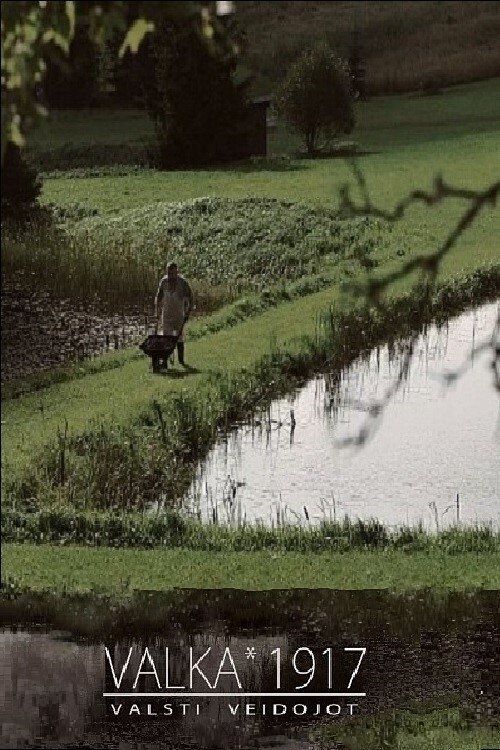
The film tells the story of a series of events, coincidences and accidents caused by World War I, which allowed Latvians, like many other nations, to fulfill their dream of having their own country in 1918. However, the foundations of the Latvian state were laid in November 1917 in Valka, when the largest Latvian parties and social movements established the Latvian Provisional National Council. Why did Valka become the epicenter of events? What gave strength and inspiration to the men who began to build a free and united Latvia? And how heavy is the clay from which a country is made? The answers to these questions will be sought by storyteller and actor Gundars Āboliņš, together with historians and lawyers Jānis Plepu, Ēriks Jēkabsons, Ineta Lipša, and Jānis Tomaševskis.
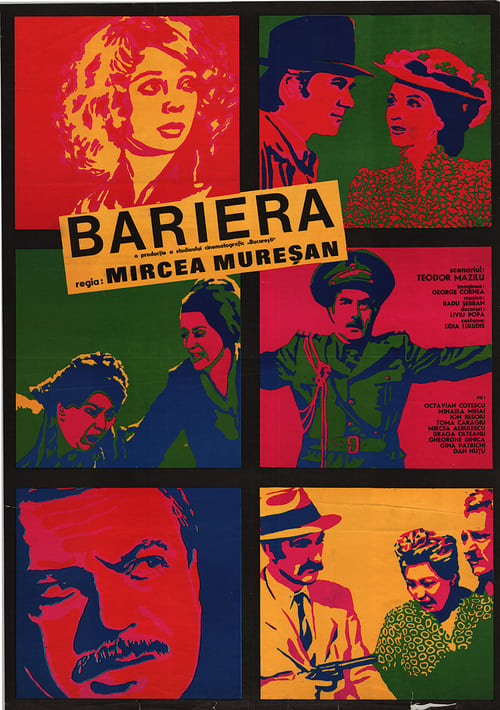
In 1942, Nea' Vitu is in trouble with his children: a son is fascinated by the world of war profiteers, and the daughter is going around with the speculator "Treispemii" (Dan Nutu). On the evening of her engagement, Vitu is denounced by his son for hiding an illegal printing press in a painter's house. Thirty years later, he returns to the slum and searches for the Vitu family. They no longer live there, the neighbors have changed, and he investigates to find out what happened to them. Nea Vițu, you raise your daughter, Rădița, and son Fănică. His wife Dorina died when Fănică was born. Apparently, family problems are difficult barriers to overcome. He's an honest man. He gets angry at the slick Fănică. Fănică is also chased away by the slum priest, because he wanted to make a new bible... where he'd be Fănică the God .... Rădița goes around with the speculator "Treispemii". In 1942, nea Vițu joins the fight against the Nazis and runs an illegal printing house with a painter...
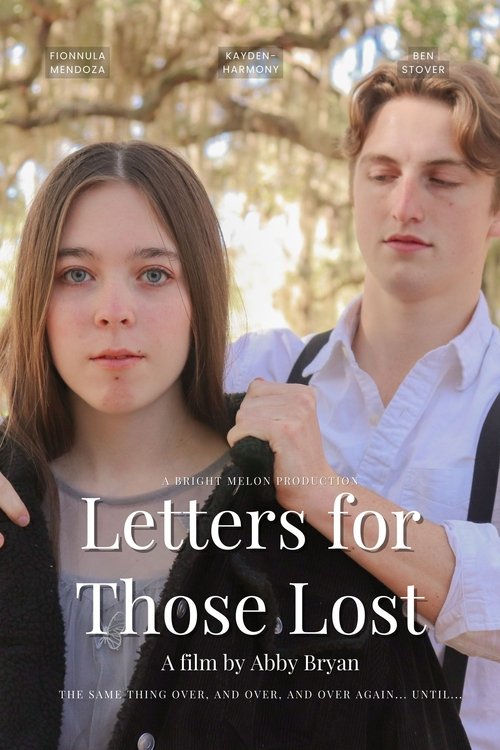
Set against the backdrop of the Great Depression, "Letters for Those Lost" follows Aurelia, a young girl struggling to cope with the tragic loss of her parents, her brother's abuse, and a blossoming new friendship with a mysterious girl she met in the woods.

An adventuress in love with an Austrian agrees to become the mistress of a Russian officer in exchange for the release of Austrian hostages.
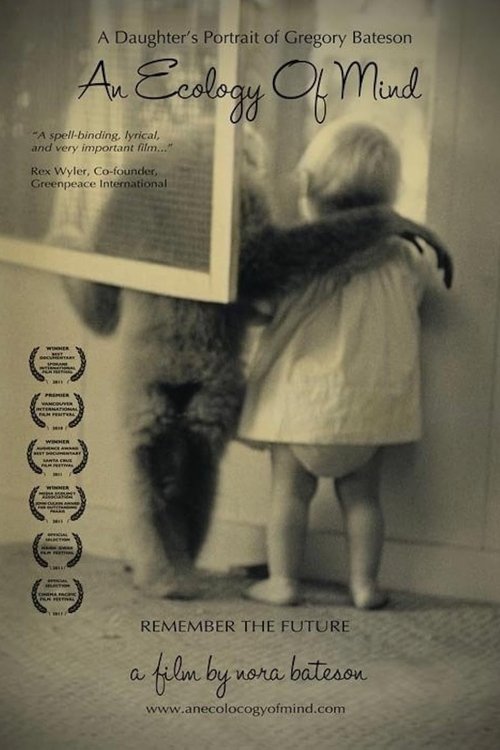
A portrait of Gregory Bateson, celebrated anthropologist, philosopher, author, naturalist, and systems theorist. His story is lovingly told by his youngest daughter, Nora, with footage from Gregory's own films shot in the 1930s with his wife Margaret Mead in Bali and New Guinea, along with photographs, filmed lectures, and interviews.
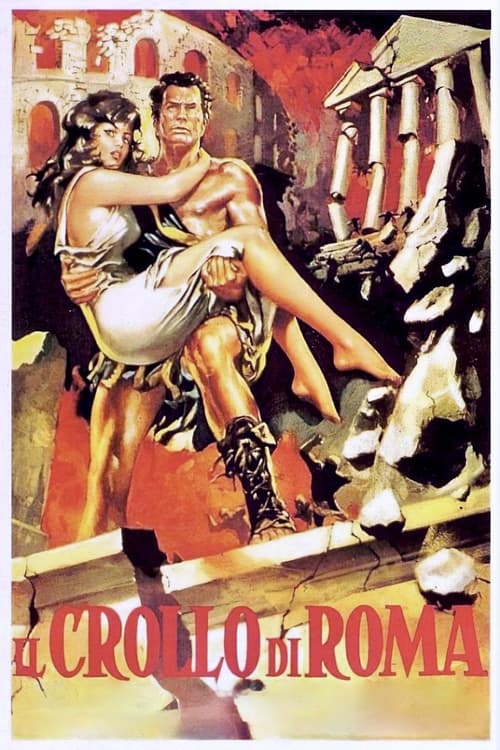
After the death of Emperor Constantine in Rome, the persecutions of the Christians threaten the centurion Marco forced to become a gladiator.

The true story of the greatest Greek writer of the 20th century, Nikos Kazantzakis, based on his work, Report to Greco, which is, essentially, his autobiography.