Protocol Archives • Browse all History titles in HD

On liberation from prison of a group arrested after the defeat of the 1905 Russian revolution and workers sentenced to death. Lost movie.

Fictionalised account of the story of the he Chōshū Five (長州五傑 Chōshū Goketsu) who travelled to and studied in Britain in 1863 while Japan was still under sakoku (鎖国 "locked country").
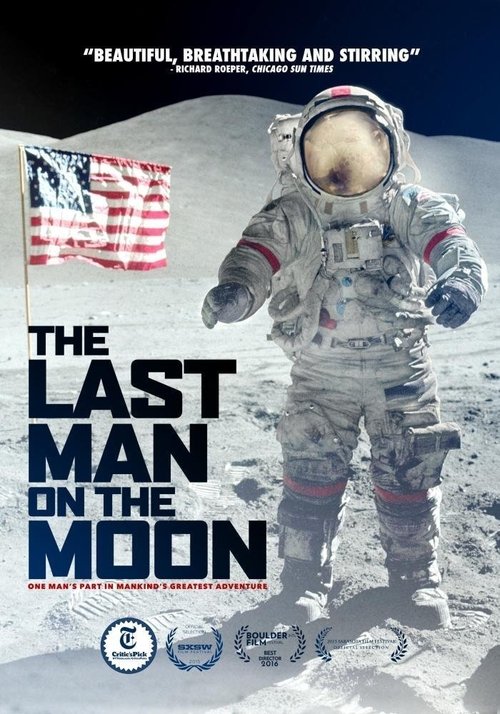
The 1960s was an extraordinary time for the United States. Unburdened by post-war reparations, Americans were preoccupied with other developments like NASA, the game-changing space programme that put Neil Armstrong on the moon. Yet it was astronauts like Eugene Cernan who paved the uneven, perilous path to lunar exploration. A test pilot who lived to court danger, he was recruited along with 14 other men in a secretive process that saw them become the closest of friends and adversaries. In this intensely competitive environment, Cernan was one of only three men who was sent twice to the moon, with his second trip also being NASA’s final lunar mission. As he looks back at what he loved and lost during the eight years in Houston, an incomparably eventful life emerges into view. Director Mark Craig crafts a quietly epic biography that combines the rare insight of the surviving former astronauts with archival footage and otherworldly moonscapes.

The Imperial Astronomer suddenly commits suicide in the bustling city. Before committing suicide, he kept chanting, "Pisces is now in chaos, and the mirror is full of vitality!" Emperor Renzong gives Bao Zheng three days to solve the case. Bao Zheng and Zhan Zhao goes to the Supreme Court to investigate the case, but the Supreme Court is deliberately making things difficult for them. Despite this, Bao Zheng still finds important clues. The Pisces Jade Pendant that is supposed to be on the Imperial Astronomer goes missing, and the vice minister of the Supreme Court is also exhibiting the same strange behavior as the Imperial Astronomer before his suicide. The legend of the Pisces Jade Pendant surfaces, but there are still no leads, and there is only one day left before the deadline...
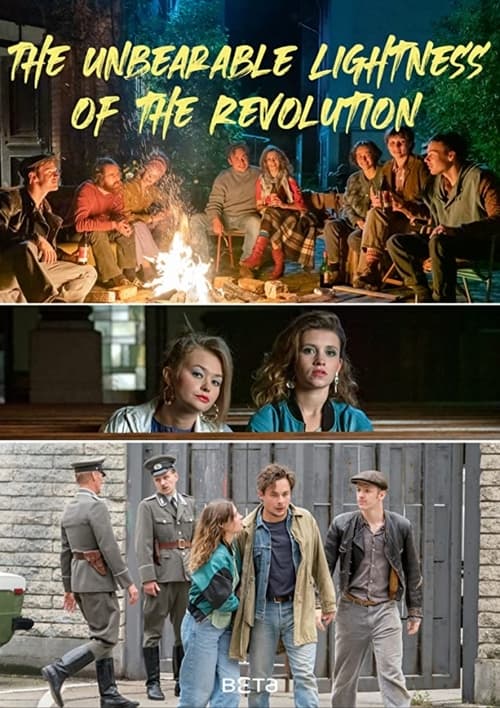
East Germany, 1988. 19-year-old Franka doesn't really care for politics. She prefers going to the disco and dreaming about seeing Bruce Springsteen and Michael Jackson live in concert. But beneath her carefree façade, she is scarred by the loss of her baby brother. But then she meets Stefan: He's young, idealistic, and part of an environmental activist group. A mix that makes Franka instantly make fall for him – and his group, which welcomes her with open arms. But this wild, revolutionary influence does not stay unnoticed: Her mother, who's with the Party, is worried about Franka. As Stefan's group loses the support of the church, leaving them vulnerable to the state, Stefan and Franka are soon in the government's line of fire…
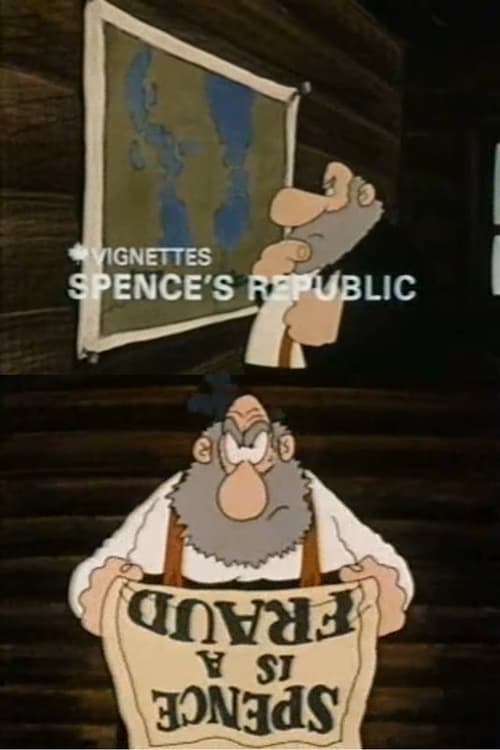
An animated vignette about the role of Thomas Spence in the formation and demise of the Republic of Manitoba at Portage la Prairie in 1867-68.
Re-enactment of the controversial 1962 Milgram Experiment.
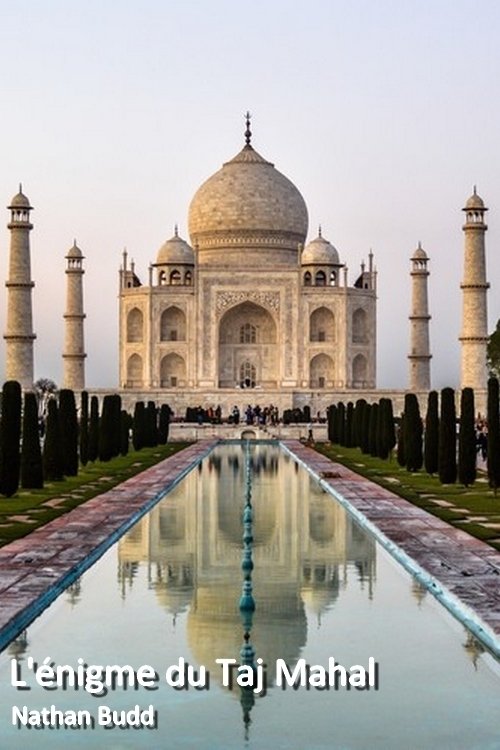

Les Huguenots is a monumental fresco featuring various impossible loves in the context of the Saint Bartholomew Massacre. Andreas Kriegenburg places these timeless conflicts of love and religion in an immaculate setting in which the costumes appear yet more flamboyant and the victims’ blood more violently red.

British Cmdr. George M. Dyott searches the 1928 Amazon for lost explorer Col. P.H. Fawcett.
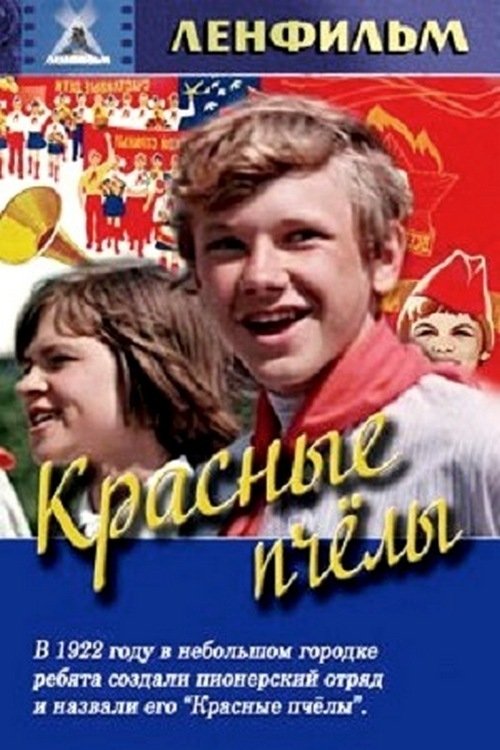
In 1922, in a small town, the boys formed a pioneer squad and named it "Red Bees."
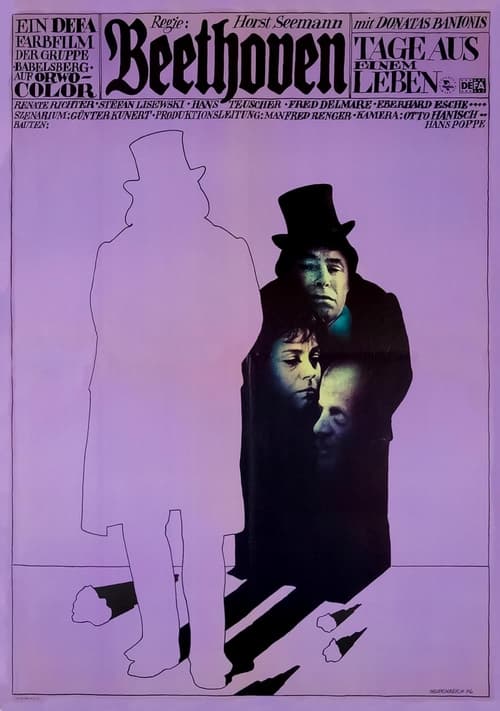
Vienna, 1813-1819: Beethoven (played by Donatas Banionis) is at the peak of his fame. Orchestras all over the world play his music, but he lives modestly and is dependent upon private patrons. Nagged by his patronizing brothers, spied upon by officials for his republican beliefs and faced by his progressive hearing loss, the composer becomes more and more isolated. Seeman’s poetic film explores the joys, heartbreak and artistic spirit of the great composer as he works on his Ninth Symphony.

A music documentary about the Nazi looting and purging of Jewish musical life during the 1930s and 1940s. The film follows conductor Sofia Winiarski as she works to stage the production "Stolen Music" (*Stulen musik*) at Folkoperan in Stockholm. It highlights music by Jewish composers whom the Nazis systematically sought to erase from music history. In her search for surviving works, Sofia travels to Warsaw to uncover sheet music and lyrical fragments in the archives. For Sofia, this is both a professional and a personal journey.
A lavish period costume picture that traces, from birth to death, the life of Ravjaa Khutagt, a 19th century Mongolian priest, "a living Buddha" who exerted a large influence over his country's literature, music, and drama.

The head of the border detachment Gamayun arrives in Turkestan to destroy the last large formation of the Basmachi - the gang of Mumin Bek.
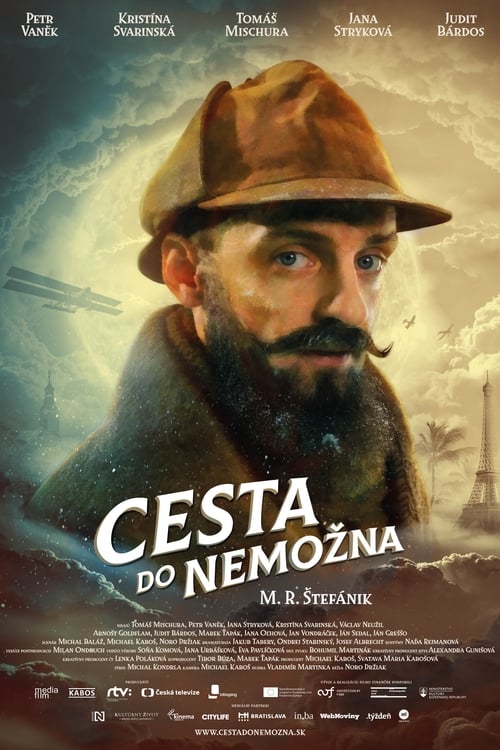
Milan Rastislav Štefánik was the first Slovak to circumnavigate the world, to climb Mont Blanc, to survive the shooting down of his ice-plane during World War I. He was an intellectual, scientist, inventor, astronomer, national hero, but also a lover of women and a bon vivant. 100 years ago, everyone considered his dreams a utopia, but he was not afraid to step into the unknown and realise his dream of liberating his own nation. His life story seems almost unbelievable, considering that he did it all as a single man in failing health, from the poorest of circumstances.
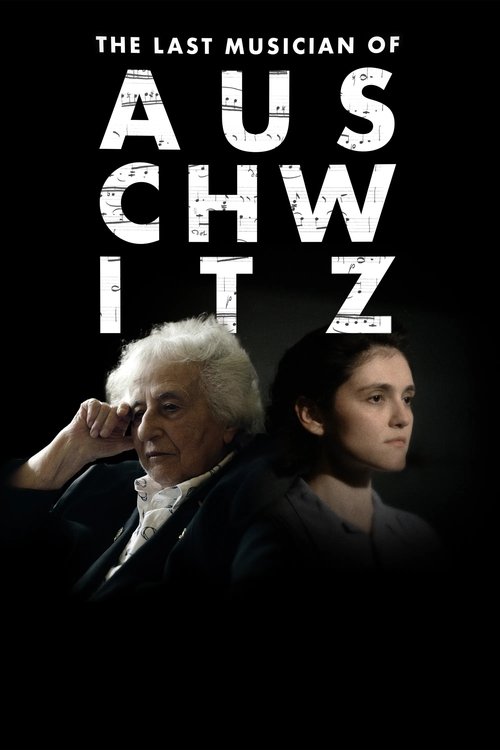
Tells the extraordinary story of Anita Lasker-Wallfisch who, along with other victims of Auschwitz, played and created music amidst the terrors of the Holocaust.

It began much like the common cold. Yet within a day fever took over black swellings the size of baseballs appeared on the neck and finally a highly contagious bloody cough quickly sealed the victim's fate. During the worst biological disaster in the history of mankind the so-called black death released an indiscriminate fury which shook the very foundations of human order. Religious hysteria began to break out and in desperation frenzied masses scrambled to find a scapegoat. When all was said and done nearly one-third of Europe's population had been completely wiped out and devastated survivors were left to contend with a world forever changed both socially and economically. In this feature-length special THE HISTORY CHANNEL-® investigates the origins of this devastating moment in human history and explores the many questions surrounding the terrifying possibility of a modern-day biological threat.