Protocol Archives • Browse all History titles in HD

“The Lion and The Unicorn” is a short film inspired by the heraldic symbols found on the Royal Coat of Arms of The United Kingdom, the lion (representing England) and the unicorn (representing Scotland). The piece uses representations of both alliance and opposition to explore national identity within the context of the 2014 referendum on Scottish independence.
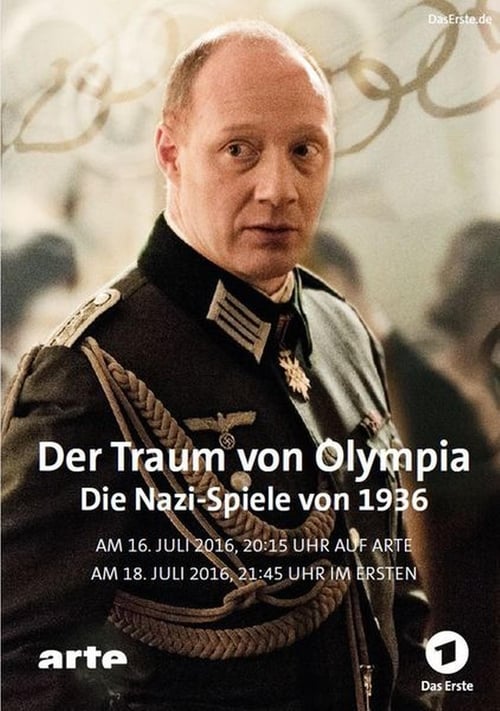
Leni Riefenstahl's flamboyant Nazi aesthetics shaped the public image of the 1936 Olympics. Never before had sports and politics been mixed. Through archive photos and reconstructions, we get a closer look into the historical propaganda show.
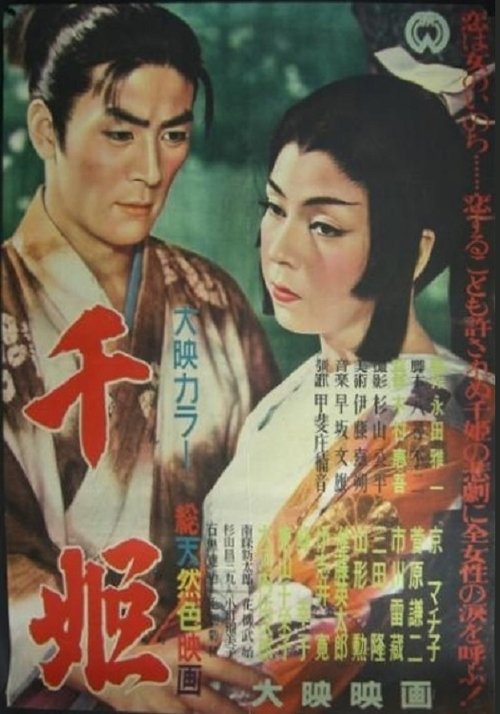
During the Warring States era of early 17th century Japan, teenage princess Sen is besieged with other members of her family in Osaka Castle, by a rival force led by her grandfather.

A hundred years after its publication, this film reveals the tawdry, shocking, poetic, uplifting and gloriously kaleidoscopic humanity of James Joyce’s masterpiece, Ulysses.

A universal story about the freedom of the human spirit and the struggle against slavery and despotism, about love, loss and betrayal. It is seen through the eyes of simple Kazakh kids and teenagers.
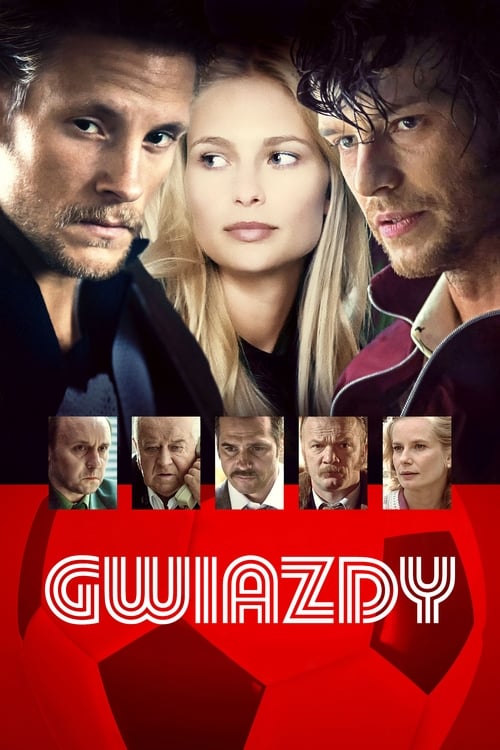
A story of passion, rivalry, love, and friendship. Jan Banas, acclaimed Silesian football player of the 1960s and 1970s, struggles to makes his dreams come true on and off the field. Stars is the story of a great love between young people torn by passion and ambition.
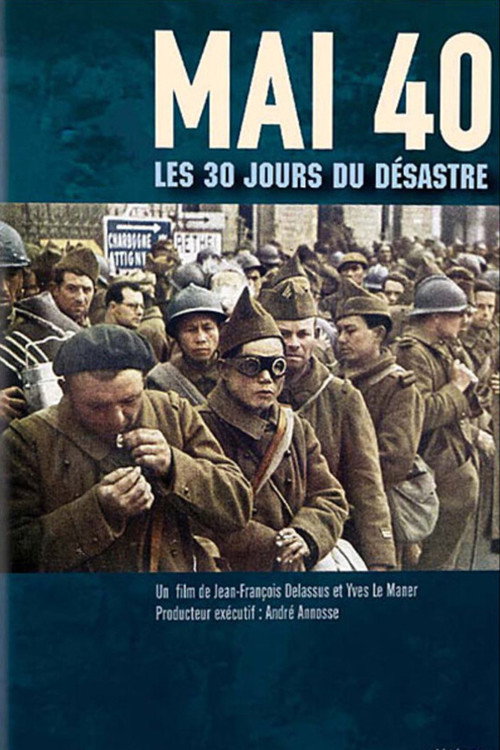
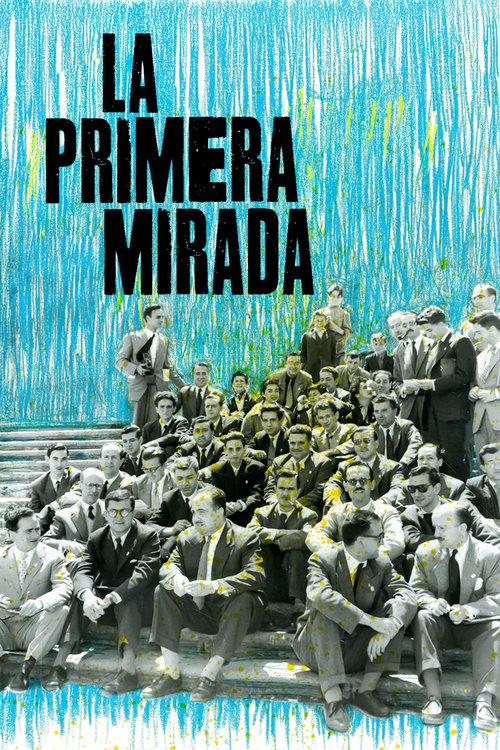
In Spain, a poor country ruined by the recent Civil War (1936-39), and in the midst of Franco's dictatorship, a film school was created in Madrid in 1947, which became, almost unintentionally, a space of freedom and pure experimentation until its closure in 1976.

Narrated by actress Alfre Woodard, this trenchant, eye-opening doc traces the radical civil rights leader’s life from his tumultuous childhood, through his rise in the ranks of the Nation of Islam, to his 1965 assassination.

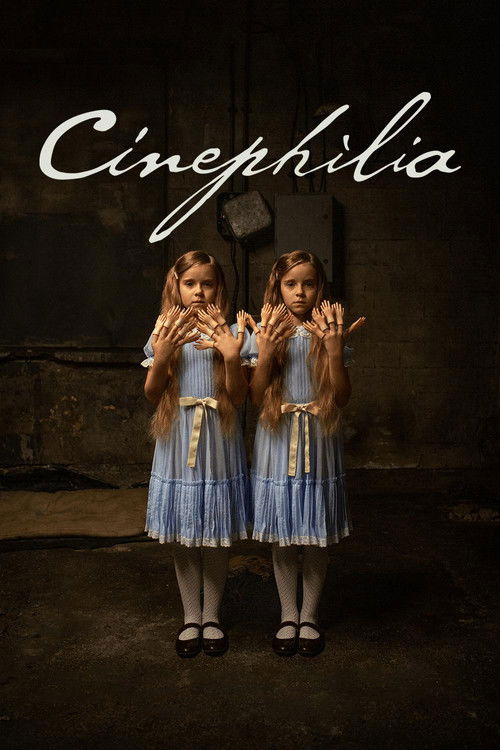
With gentle irony, “Cinephilia” unmasks the illusion of film. Characters migrate through the worlds of reality and fantasy, in circumstances that paradoxically have no questions or answers. The two moons of Lars von Trier shine in the night sky, entrancing the main heroes, Roland and Isabel. Roland rents himself a room where he winds up in situations reminiscent of the plots found in Franz Kafka’s “The Trial” or Roman Polański’s “The Tenant”. A guy visits Roland, claiming that they known each other, and offers him a lot of money to film his suicide. There begins a kaleidoscopic sequence of events and random acquaintances. They make the characters wander through the worlds of reality and fantasy, sometimes both at the same time. A dark comedy that tells nine related stories in which the fates of the characters intertwine.

A family reflects on what they are grateful for, even though they cannot afford a turkey for their Thanksgiving dinner.

In a Mexican city at the end of the 19th century, Don Francisco, a gambler and a bohemian, almost forgets his wedding and is late. The bride, who is pregnant, is sent to Paris by the snubbed family.

The Stanley Cup bobs and floats around.
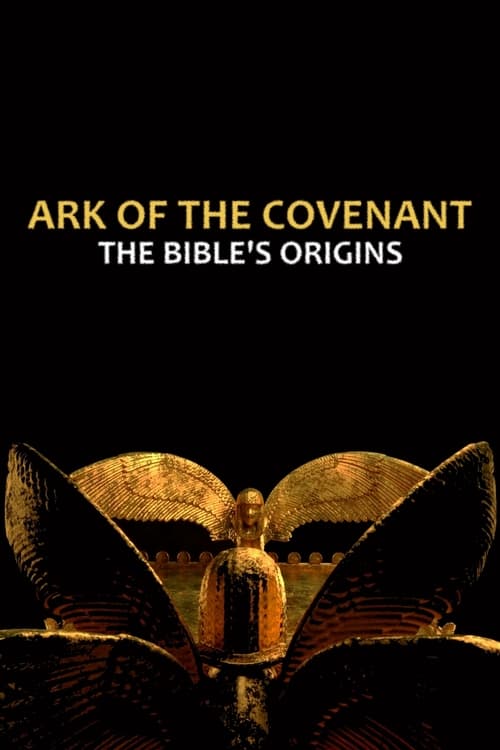
In Israel, a joint French-Israeli scientific mission is set to unearth the secrets of the hill of Kiryath-Jearim (or Kiryat Ya’arim), converted to the site of a Catholic convent, where, according to the Bible, the Ark of the Covenant was kept for at least twenty years before being brought to Jerusalem by King David, father of King Solomon, who would eventually build the Holy of Holies inside the First Temple to house it.

Sicilian photojournalist Letizia Battaglia began a long battle against the ruthless Cosa Nostra when she first photographed the sinister scene of a brutal murder. Documenting the barbaric rule of the Italian Mafia, she was an unwavering witness to its crimes. Her art and courage helped end the horrific and bloody reign of the Corleonesi clan.
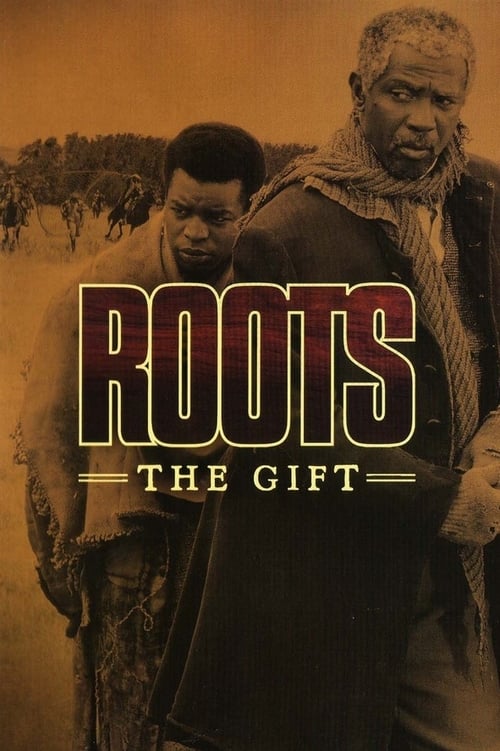
On Christmas Eve 1770, a young African warrior, who three years prior had been captured and sold into slavery in America, leads a desperate group of runaway slaves as they attempt to reach freedom in the North.
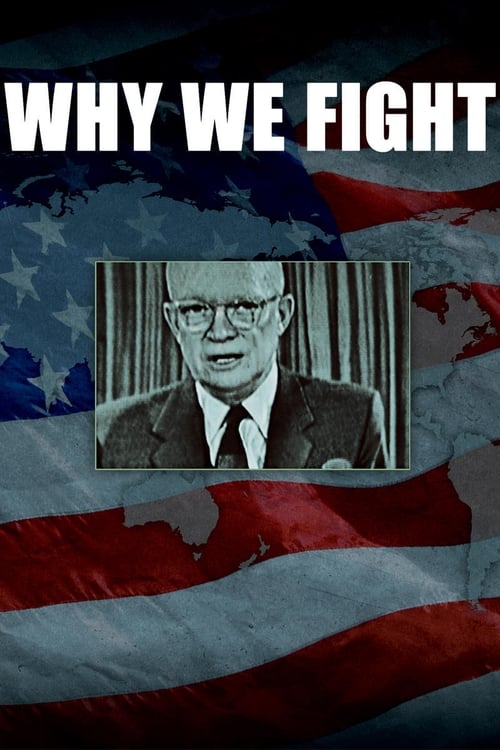
Is American foreign policy dominated by the idea of military supremacy? Has the military become too important in American life? Jarecki's shrewd and intelligent polemic would seem to give an affirmative answer to each of these questions.
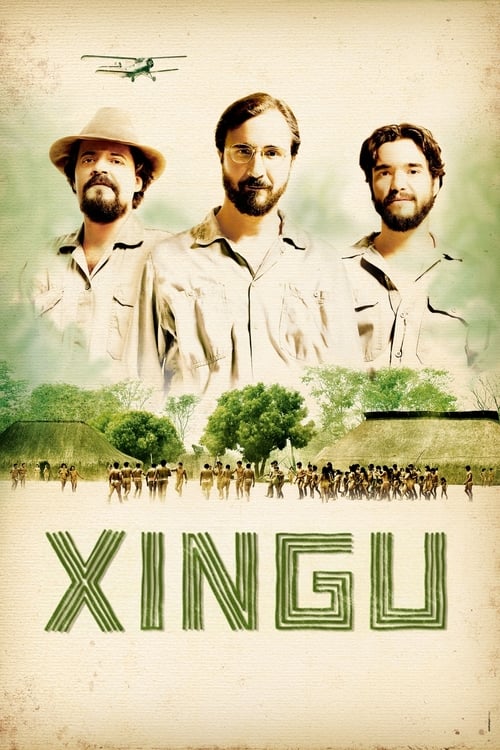
Three brothers embark on a journey that begins with a kinship with Brazil's indigenous tribes, to their creation of South America's largest national park.
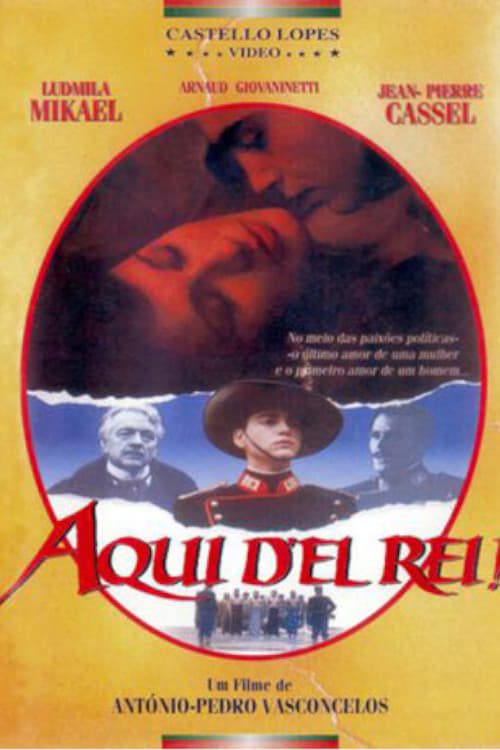
At the end of the nineteenth century, an army force led by Major Mouzinho de Albuquerque, a cavalry officer, imprisoned in Mozambique the tribal chief Gungunhana, who had rebelled against Portuguese government and sovereignty. Mouzinho instantly becomes a national hero but his raising popularity worries the State.