Protocol Archives • Browse all History titles in HD
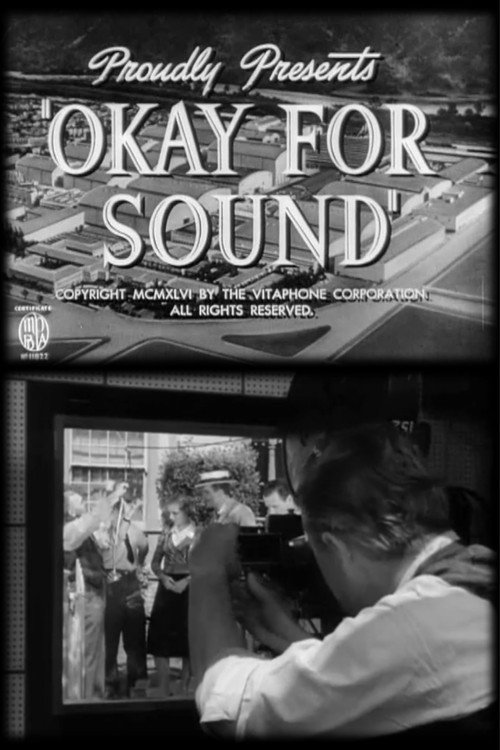
This short was released in connection with the 20th anniversary of Warner Brothers' first exhibition of the Vitaphone sound-on-film process on 6 August 1926. The film highlights Thomas A. Edison and Alexander Graham Bell's efforts that contributed to sound movies and acknowledges the work of Lee De Forest. Brief excerpts from the August 1926 exhibition follow. Clips are then shown from a number of Warner Brothers features, four from the 1920s, the remainder from 1946/47.

Ina Borrmann met several protagonists of a 1977 collection of interviews by Maxie Wander titled “Guten Morgen, du Schöne”, and interviewed them again. The feminist classic had left its mark on generations, and remains one of the most influential works in German literature. Now, the film once again raises questions about living in a patriarchy, questions that have lost none of their relevance.
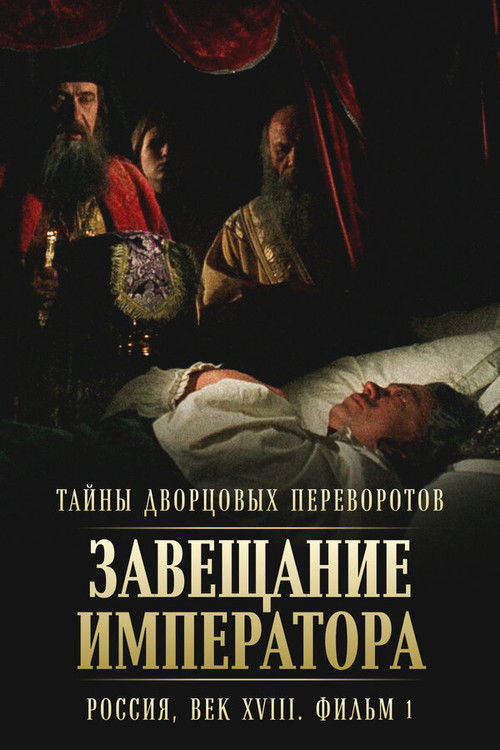
Russia, January 25, 1725. "Give it all...". The emperor's weakening hand was able to write in his will only these two short incomprehensible words that kept Russia in a bloody struggle for the crown for a century.

A little boy meets the old hero Garibaldi who tells him the story of his adventures.
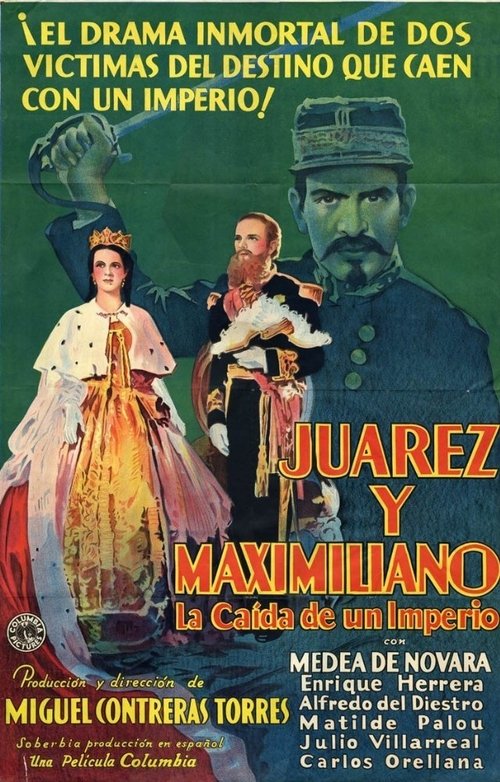
The story of Mexican President Benito Juárez and the emperor Maximilian of Habsburg and the empress Carlota.
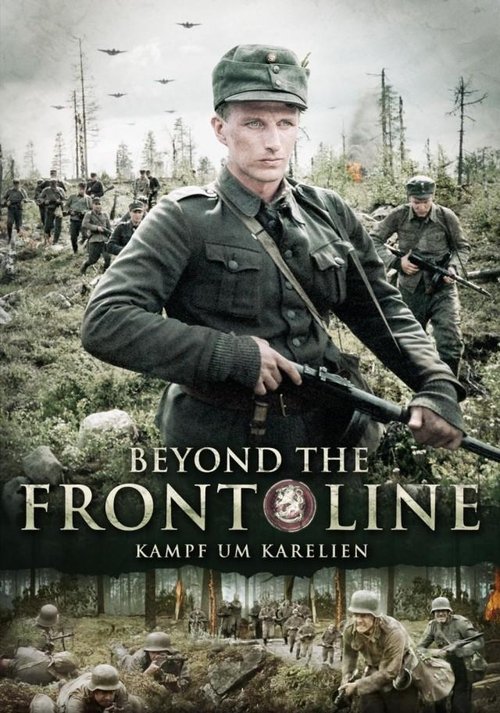
A movie based on real wartime diaries tells the story of the Swedish speaking Finns' infantry regiment 61. The story follows the regiment during the Continuation War from 1942 to 1944 and from Syväri to the Karelian Isthmus where they faced some of the most grueling battles against the Soviet Union.

The first Finnish 35 mm color short film from May 1951, directed by Felix Forsman and produced by Felix-Film. It was commissioned by Paulig Oy to celebrate the company's 75th anniversary. It is a large-format commissioned film of its time, and no expense has been spared. The story of Finnish coffee begins in 1756 and continues with carefully dramatized episodes to 1951. The film ends grandly with the Paulig March, written by Uuno Kaila.
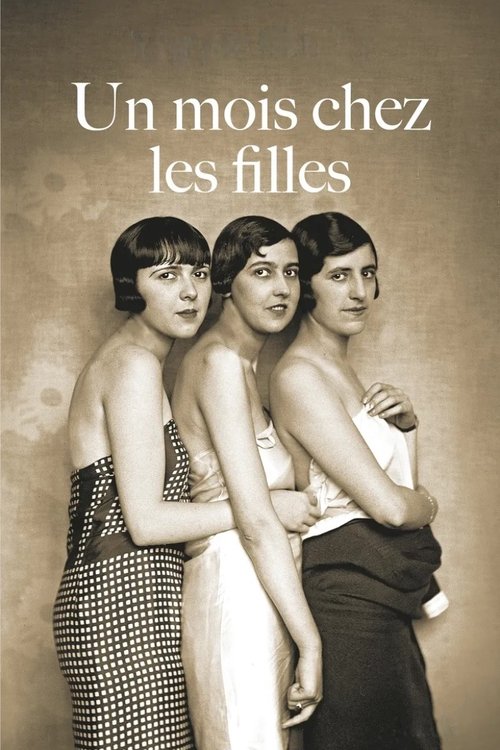
The French female pioneer of immersion journalism, Maryse Choisy, who infiltrated in 1928 the prostitution underworld of Paris. Posing as a chambermaid, a lesbian bar dancer and more, she wrote a very successful and scandalous book about that avant-garde experience, and changed her mind about this world and these women's difficult condition.
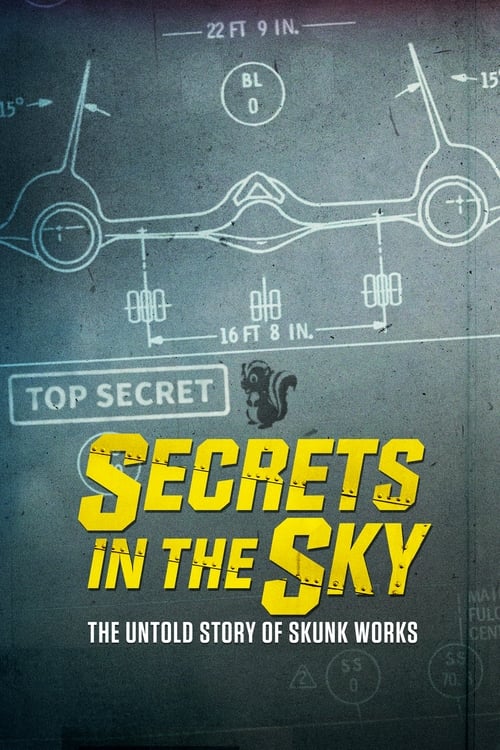
In 1943, in a circus tent in Burbank, CA, a bunch of revolutionary thinkers first gathered together in secrecy to build America's first jet fighter. They were rule benders, chance takers, corner cutters-people who believed that nothing was impossible. I

The film Sarıkamış Children tells the story of a group of children living in a village in 1915 who set out to fight on the front lines in harsh winter conditions. In 1915, two friends from the same village, Mehmet and Yusuf, have their fathers killed by bandits in Sarıkamış. The two boys' older brother is fighting on the Sarıkamış front. Determined to find a way to join their brothers at the front, Mehmet and Yusuf learn that a group of soldiers from their village is also being sent to the front. They decide to set out with this group to reach the front.
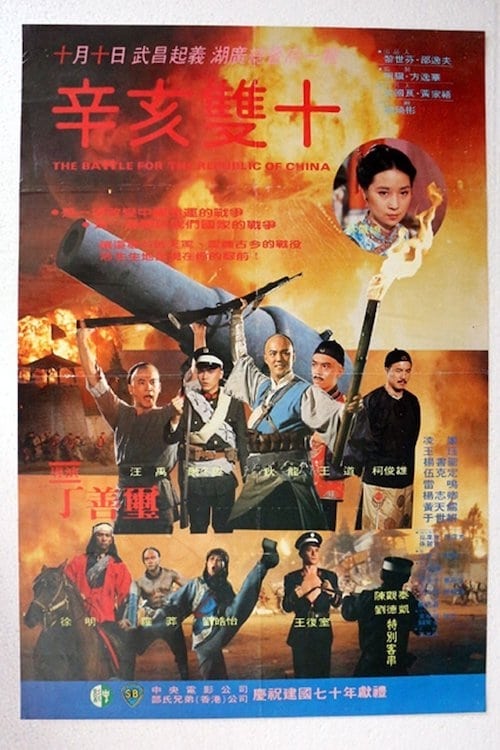
Patriotic extravanganza concerning early 20th century political events in Taiwan (i.e. the Republic of China), told in an ensemble format
"There was a time, from the late 1940s through the 1960s, when the now-upscale Lincoln Park neighborhood served as the beating heart of Chicago’s huge Puerto Rican community, and the base of operations for a band of Puerto Rican revolutionaries known as the Young Lords. Led by a young man named José 'Cha Cha' Jiménez, the activist group – which evolved from a social club to a street gang to a political force – banded together with the Black Panthers as the Rainbow Coalition to wage war against what they called Mayor Richard J. Daley’s “urban removal of the poor” and the area’s eventual gentrification" (WTTW).

A political film about the policy of the anabaptists of Münster (1534) and the 'enemies of constitution' in West Germany (1976).
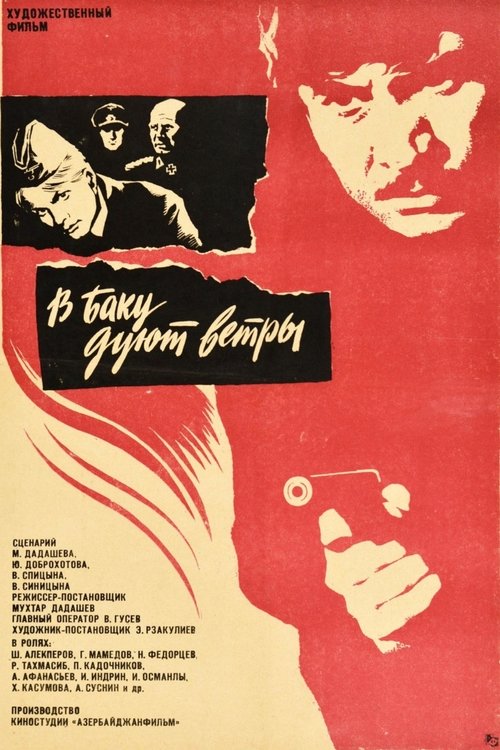
Summer 1942. Nazi troops storm the Caucasus. They are rushing to get their hands on Baku oil. An Abwehr special group called "Wartburg" has settled in the Nalchik area. In Baku, German spy Ziegel (Pavel Kadochnikov) heads to the oil fields from Maykop under the name of Soviet engineer Kashtanov. Tankers carrying gasoline begin to explode in the Caspian Sea. Soviet counterintelligence agent "Khazri" infiltrates "Wartburg"...

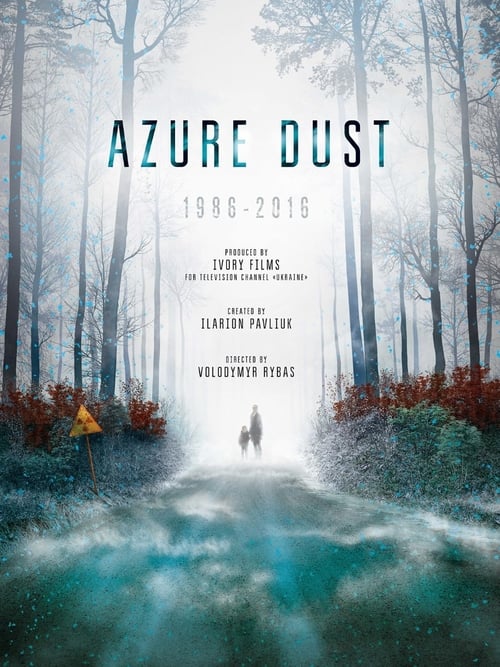
The story about Chornobyl area, all around the world we know of the disaster in 1986. The film may be called a guide to the Exclusion Zone. Thanks to the unique footage from the place of the tragedy, that the crew succeeded to capture, the viewers will have a chance for a full immersion into the atmosphere of the events and, along with the heroes of the film, feel the dreadful and amazing air that reigns where one of the major anthropogenic disasters took place.
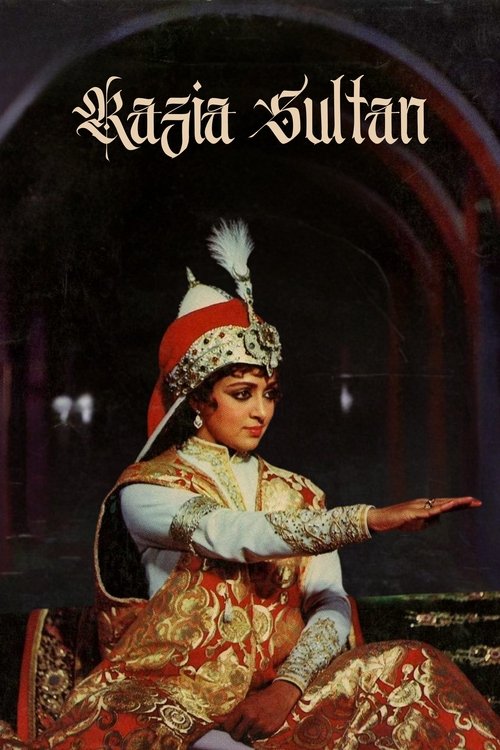
The film is based on the life of Razia Sultan (1205–1240), the only female Sultan of Delhi (1236–1240) and her speculated love affair with the Abyssinian slave, Jamal-ud-Din Yakut.