Protocol Archives • Browse all History titles in HD

The troubled story of the Churruca family, a noble lineage of brave seamen, descendants of Cosme Damián Churruca, the Spanish hero of the Battle of Trafalgar; from the Spanish-American War (1898) to the end of the Spanish Civil War (1936-39). (In 1950, a new cut of the film was released with less ideological depth and ten minutes shorter.)

The fourth film in Shin-Ei's series of annual WWII themed anime television movies for children "Sensou Douwa".
In 1789, French poet André Chénier struck up a romance with a young aristocrat.
The film tells the story of Pir Sultan Abdal, a famous folk poet in Turkey, who criticized some Ottoman governors, Hizir Pasha in particular and as a result was hung by him.

The story of black and mixed race people in Nazi Germany who were sterilised, experimented upon, tortured and exterminated in the Nazi concentration camps. It also explores the history of German racism and examines the treatment of Black prisoners-of-war. The film uses interviews with survivors and their families as well as archival material to document the Black German Holocaust experience.
In а short but heroic campaign, Bulgarian poet and revolutionary Hristo Botev leads a band of rebels from the Danube to the Balkan Range.
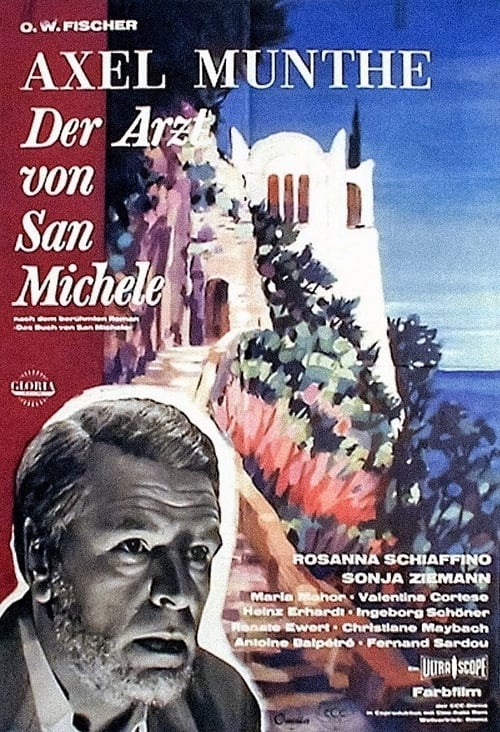
A biographical drama is based on the 1929 autobiography of Swedish doctor Axel Martin Fredrik, The Story of San Michele. It follows the physician, psychiatrist, and adventurer as he travels the distances from Lapland to his Villa San Michele on Capri, with special stops in Paris and Rome. Personal physician to Queen Victoria, also physician to the Swedish royal family (he spent his last years living in the Royal Palace in Sweden), "Axel Munthe" knew everyone from the poorest clients to the most well-endowed. His love of animals, his support of bird sanctuaries, his involvement with architecture as he constructs his impressive villa throughout five summers, and his interests in archaeology and hypnotism are all explored.
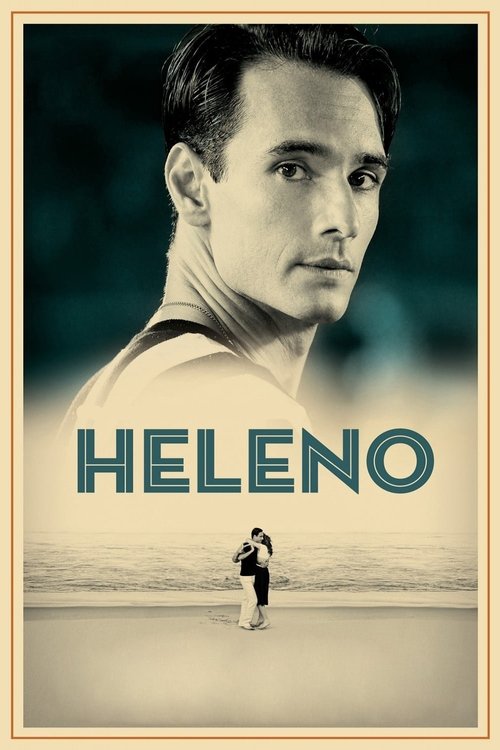
José Henrique Fonseca crafts an ambitious and long overdue homage to a central icon in Brazil’s 20th century history. Reminiscent of film noir classics, the biopic tells the glorious and tragic story of the legendary football striker Heleno de Freitas. The sumptuous black and white cinematography reflects the chic life of Rio de Janeiro in the 1940s as it fell under the spell of sports royalty. Heleno was no doubt one of the most popular players of his time for his bravura in the field and magnificent goal-scoring that lead the Botafogo team to the top and himself into a vicious downward spiral.
"The Moving Picture Boys in the Great War" is a compilation documentary narrated by Lowell Thomas, illustrating changing attitudes toward the war and its participants, as well as toward the movies themselves. Winner, Gold Medal, 1975 Chicago Film Festival.
1942 Indian Tamil-language film

Using restored, colorized archives and testimonies from all the players in this conflict, this documentary covers the hundred days of apocalyptic fighting that wrote History. June 1944, the Allies landed in Normandy. This odyssey was meticulously prepared for months. The construction of two artificial ports, the transport of Anglo-American troops, their training cost colossal efforts, and caused many cold sweats: the secret of D-Day almost came to light several times. The documentary reveals the inner workings of Operation Overlord, it also deciphers the military operations, and evokes the choices of the high command. Placed at human level, it retraces the fate of Norman civilians subjected to deadly bombings, the attitude of the Allied soldiers and their German adversaries, as well as the aspirations of the French population, torn between fear and hope.
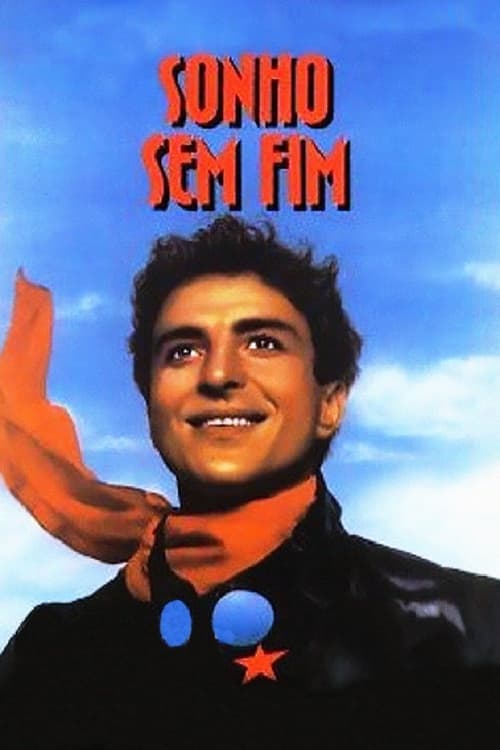
The story of one of Brazilian cinema's pioneers, Eduardo Abelim, from the start of his career, in Rio de Janeiro, until his filming of the 1930 Revolution. To promote his films, Abelim would even perform car stunts, give classes on the occult and offer guidance on mystical matters.
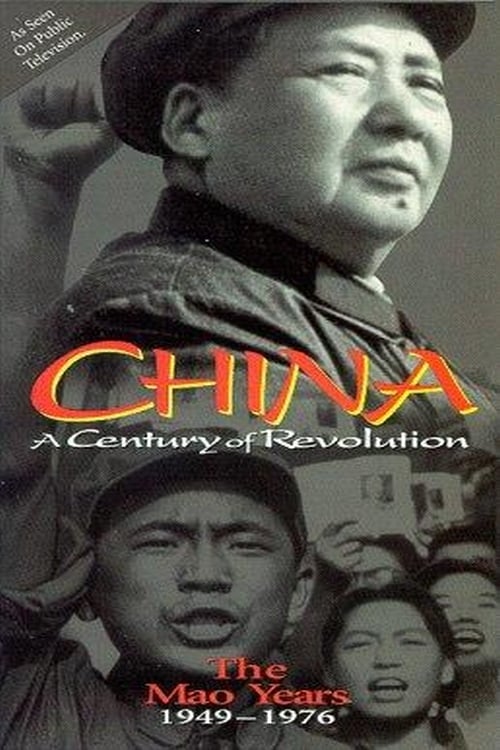
The trilogy continues with The Mao Years, a look at the next period of modern China’s history: Mao Zedong’s rule, from 1949 to his death in 1976. The film begins with the celebrations marking the establishment of the People’s Republic of China, a moment of great hope for millions of Chinese. But the quarter-century of Mao’s rule was as turbulent as the decades which preceded it. Interludes of relative calm and increased prosperity were interrupted repeatedly by violent campaigns, purges, and a famine in which killed more than 30 million people. It culminated in Mao’s colossal and tragic experiment, the Great Proletarian Cultural Revolution. When Mao died in 1976, people were exhausted by the turmoil and longed for stability.

Ponnar Shankar is based on historical novel written by Kalangir M. Karunanidhi. Story is about the two warriors, both are brothers named Ponner and Sankar living in Kongu Nadu (present day Coimbatore, Erode etc..). This is a historical movie and these two warriors are even worshipped today at most of the above mentioned part of Tamil Nadu.

The once powerful King Lear chooses to divide his kingdom among his three daughters, and so begins one of Shakespeare’s most moving tragedies. At the crucial point of relinquishing his realm, Lear demands to know which of his daughters loves him the most. His ambitious older daughters answer with false praise and lavish flattery, however his youngest daughter, who does truly love him, answers with honesty. Wildly unsatisfied with her response, Lear’s rage sets in motion catastrophic consequences. Ultimately stripped of his privilege and its trappings, Lear must reckon with his own humanity.

Also known as the "Kobe earthquake," the massive earthquake struck the southern Hyogo prefecture on January 17, 1995 and resulted in more than 6,400 casualties. The drama will focus on the reporters working for the Kobe Shimbun, who were determined to keep the newspaper running without interruption, despite the damage suffered during the earthquake. The characters in the drama will all be based on real people, using their real names. Sakurai stars as the photo reporter Tomohiko Mitsuyama, who had joined Kobe Shimbun four years before the earthquake. The show will also have documentary segments such as interviews, including an appearance by Mitsuyama himself.
The one who hurriedly ascended the castle upon hearing news of Shogun Tsunayoshi's illness was Saotome Mondonosuke. However, instead of an illness, he was prompted to consider a marriage proposal with Yaehime, a daughter of the Date clan. Yet, this was merely a pretext, as he was requested to investigate the truth behind the rumors of rebellion within the Date clan. Mondonosuke, who took on this task to stave off boredom, accompanied by his retainer Kinai, departed for Mutsu, following the procession of Yaehime returning to her home province. However, remnants of the Toyotomi faction, already plotting the overthrow of the shogunate, had gathered under Kii Koya Bunzaemon…

Sir David Jason spends time with the Battle of Britain Memorial Flight at RAF Coningsby in Lincolnshire as they prepare for the 2020 80th anniversary display season under the restrictions of the Covid 19 lock-down.

Siyama is the story of three Thai youths who are transported back in time to an ancient village in the last period of Ayutthaya kingdom. They find themselves in the midst of a vicious war with Burma before Ayutthaya is burned down (in April 1767).