Protocol Archives • Browse all History titles in HD
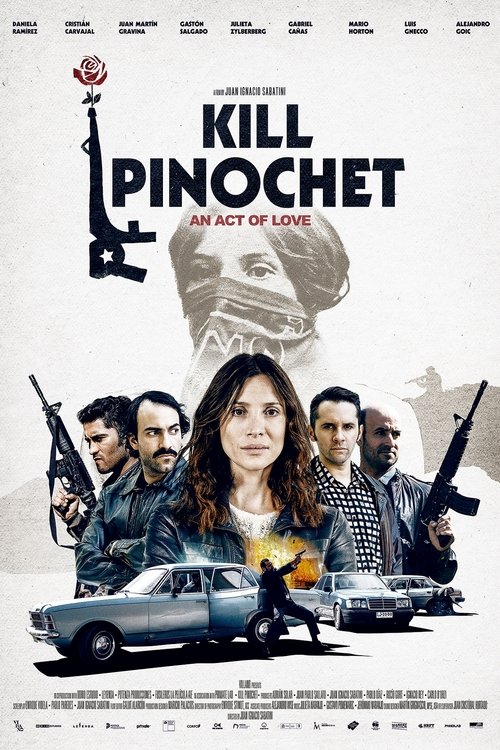
Chile, September 1986. Tamara, commander of the communist guerrilla group Manuel Rodríguez Patriotic Front, and her comrades-in-arms set out to overthrow the military regime installed in 1973 by assassinating the dictator Augusto Pinochet.
Through the childhood and adolescence of Signor Giacomo Casanova (from his memoirs), this is a description of how people lived in 18th-century Venice: their customs, habits, medicine, religion, and--most of all--the omnipresence of hypocrisy.
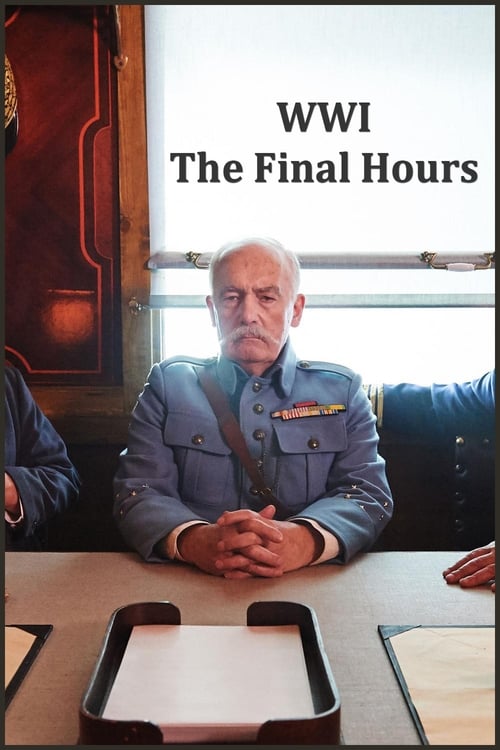
The final hours/days, events and people leading up to the end of WWI.
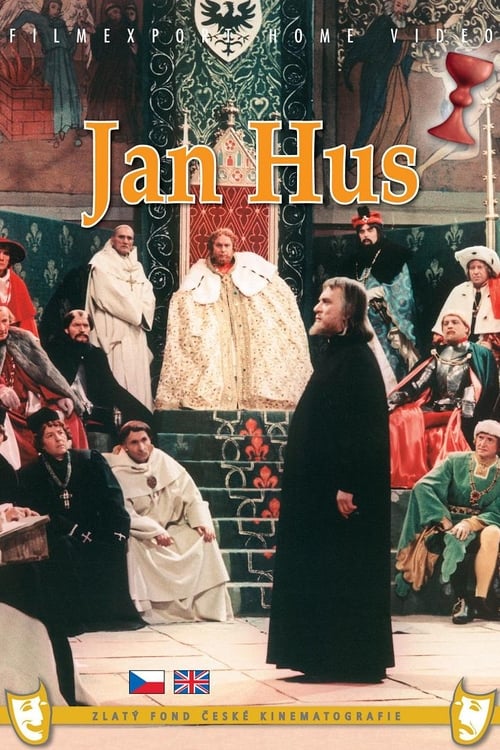
The first part of the "Hussite Revolutionary Trilogy", completed with Jan Žižka (1955) and Proti všem (Against All Odds, 1957). The film captures the period from May 1412 to the summer of 1415, a turbulent time in the Czech Kingdom, during which there were protests in Prague against the sale of "omnipotent indulgences" whose sale throughout the kingdom was announced by Pope John XXIII. The ideological leader of this movement is the preacher Master Jan Hus, whose words, calling for the elimination of church abuses, are listened to in the Bethlehem Chapel by thousands of ordinary Praguers, Czech lords and Queen Sophie, wife of the Czech King Wenceslas IV.
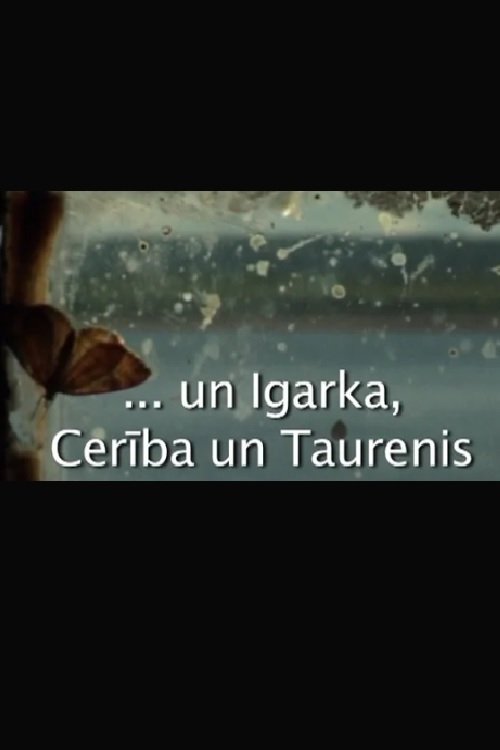
In 1941 almost 4,000 children under the age of 16 were deported from Latvia to Siberia. Some returned to Latvia, many perished, and many were left in exile, where they had their own children. Nadežda Āriņa and Anatolijs Taurenis were born in the 1950s in permanently frozen Igarka in Siberia. Their mothers had been childhood friends in Latvia before their deportation. Nadja returned to Latvia where she now sells souvenirs, but for Taurenis Latvia is still a dream. In 2007, Nadežda heads to Igarka to visit Taurenis.

A dramatization of the World War II Potsdam Conference of July 1945 with U.S. President Harry Truman, British Prime Minister Winston Churchill and Soviet leader Joseph Stalin.
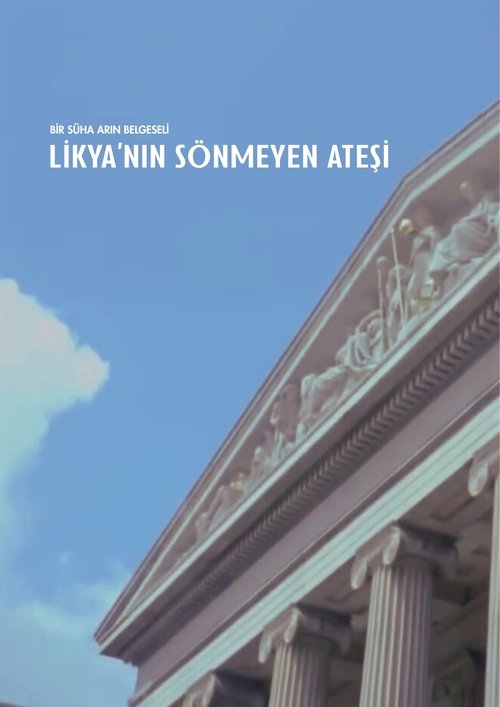
The fourth film in the "Traces of Anatolian Civilizations" series, "The Unquenchable Fire of Lycia" consists of two 30-minute episodes. The documentary reflects the Lycian Civilization, another stop in the Anatolian people's civilizational evolution. Indeed, the Lycian Civilization is a "fire" that finds its historical continuity in the Anatolian people's resistance to independence. In a sense, it is a magnificent and unquenchable "fire." During the filming of the film, the Lycian region, located between Antalya and Fethiye, was meticulously scanned step by step in two separate seasons, consulting with expert scientists.
Based upon the true story of Ranuccio Bandinelli, an antifascist Archaeology and History of Art teacher who sought to steer clear of politics but who found himself appointed, ex-officio, as Hitler and Mussolini’s official guide during their visit to Rome and Florence.

Artist Taylor Denise sets out to make her first painting, which also happens to be her largest work to-date. As she embarks on this creative process of making shit because it looks cool, she's met with comradery, debauchery, and people's brains interrupting art whatever way they want to-ery.
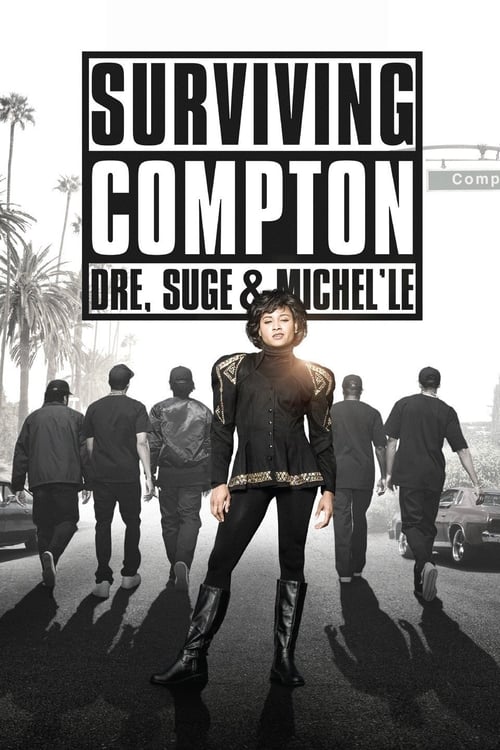
Discovered at a young age, the shy, squeaky-voiced Michel'le was plucked straight from South Central, Los Angeles and catapulted into the spotlight while riding N.W.A.'s rocket ride of early success. Surrounded by industry visionaries from Eazy-E to Tupac Skaur, Michel'le quickly climbed the charts, but her musical successes were soon overshadowed by betrayal and corruption. A nearly decade-long romance with the infamous Dr. Dre pushed her into a life tarnished by alcohol, drugs and violence until her savior came in the unlikely form of Suge Knight, co-founder of Death Row Records and Dre's business partner. Friendship would turn into a courtly romance, but the union Michel'le thought they had did not end happily ever after. With children from both men and a career to protect, Michel'le's voice became silenced by Compton's biggest power players. Until now.
In an annual village ritual six untouchables are chosen to be high caste figures for two weeks and have to undergo intensive and vigorous purification and mortification processes.
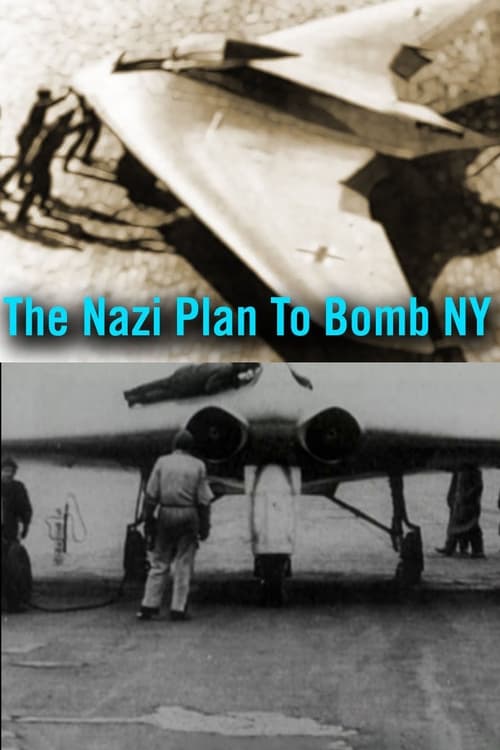
The true story of the German Air Ministry commissioning designs of an aircraft capable of bombing New York City during World War II. Each plan is reviewed through interviews, archive footage, re-creations, and 3-D animation.
By the age of thirty he’d already become the most famous poet in the Jewish world. He spent very few years living in Tel Aviv, but he loved the city dearly. Some 100,000 people attended his funeral in 1934. “King of the Jews” is a portrait of the most beloved Jew of his day, Chaim Nachman Bialik. Combining special animation, a voice track by Chaim Topol, rare archival footage, long-forgotten photographs, poems by Bialik performed by Ninet and interviews with the foremost Bialik researchers and fans in Israel and around the world, this film retells the story of the little boy from the shtetl, who became King of the Jews.
Based on the childhood memories of actor Michael Degen, the movie deals with the everyday struggle to survive as a Jewish boy in Nazi Germany. As his father had died in 1940 after being released from the Sachsenhausen concentration camp, Michael and his mother fear to be deported themselves. They manage to live in Berlin with false names and faked papers, hidden by several, often broken, people...
Life of Czech composer Smetana, his search for love and artistic inspiration despite hearing loss, and quest for his muse Eliska. Navigating personal and professional challenges and the founding of the National Theatre in Prague.
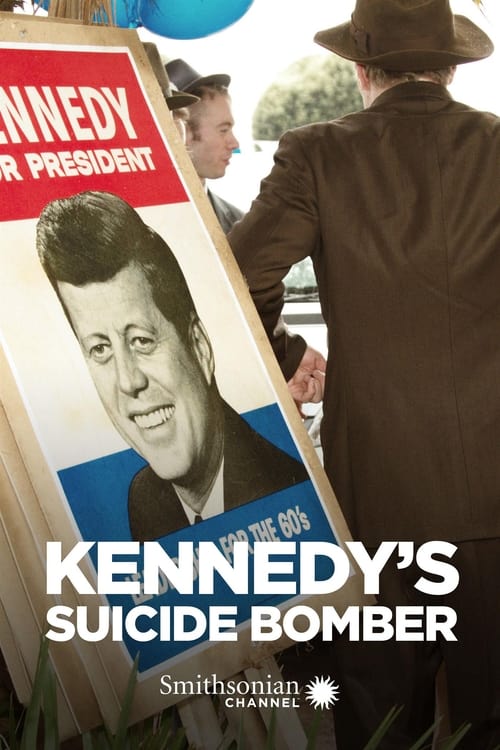
In 1960, a lone assassin planned a deadly attempt on the life of President-Elect John F Kennedy. With a Buick packed with dynamite, nothing was going to stop Kennedy's Suicide Bomber.
A dramatized retelling of the life of the Romanticism painter Piotr Michałowski.

Georgia, 1864. Desperate to escape an arranged marriage to her brutal neighbor, Willa Randall disguises herself as a boy and joins the confederate Cavalry.