Protocol Archives • Browse all History titles in HD
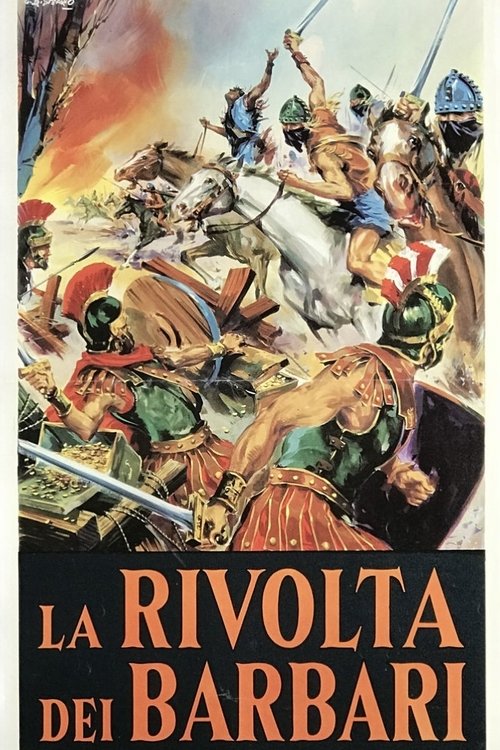
A roman consul is sent to Gaul to investigate the theft of gold shipments. He discovers that the gold is being stolen by a tribe of barbarians — whose leader is the governor of Gaul.
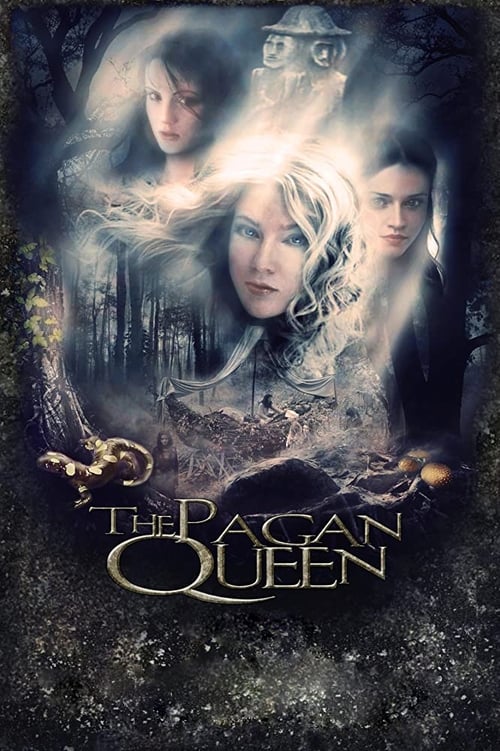
A visionary Slavic queen and her faithful allies draw on everything in their power to overthrow the queen's despotic husband.
2 November 2004, shortly before nine in the morning. In The Hague, the report comes in that in Amsterdam Theo van Gogh has been murdered. All warning bells start ringing. With the country in flames, sometimes literally, politicians and officials in The Hague have to neutralise all sorts of known and unknown stings, and just when Van Gogh’s cremation seems to herald a period of relative peace, a second explosion follows: the attack on the Hofstad Network in the Laakkwartier in The Hague. A reconstruction of nine days of political high tension and flying dust, a decade after the assassination of the trendsetting filmmaker and TV presenter.
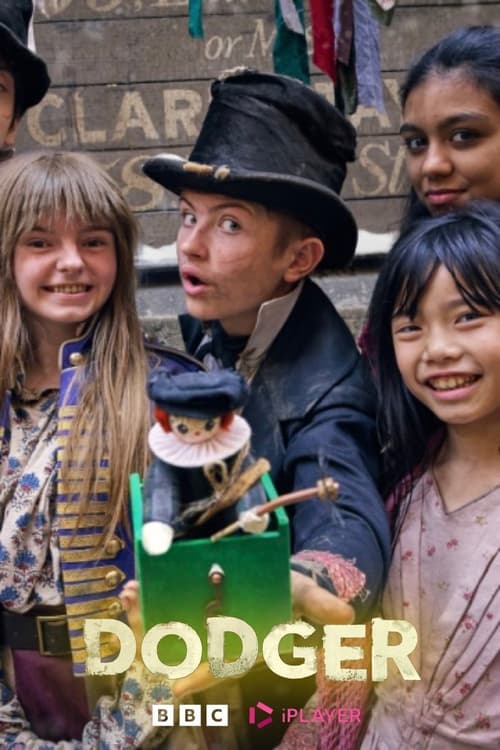
A kind-hearted deed for an old friend leads Dodger to break into 10 Downing Street.
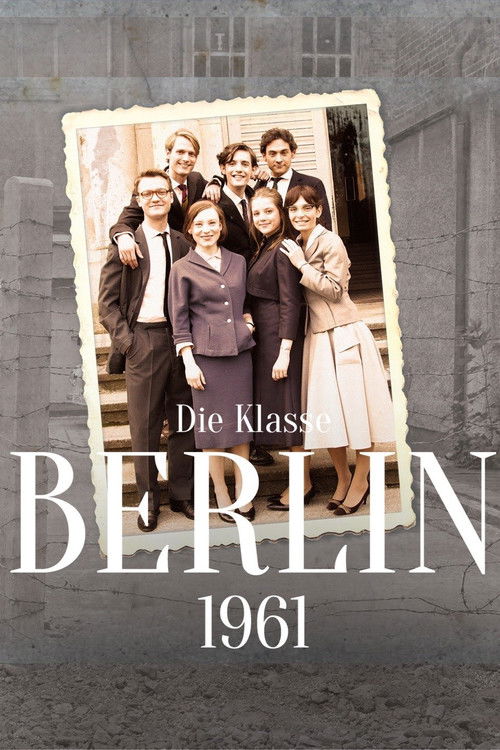
In the motley final-year class 13e at Kepler School in Neukölln, children who have moved to the western part of the city legally as well as border crossers who live in East Berlin but commute to the West every day come together for lessons every day. After the school-leavers had completed their written exams in July 1961, they faced their oral exams after the summer vacation in September. But when the Berlin Wall was built in August, Berlin was divided and torn apart from one day to the next - including class 13e. The students from the eastern part of the city quickly have to make a difficult decision: should they attempt to cross the border or throw their dreams of the future to the wind?

A pared to the bone revisionist essay on the life of Christ.
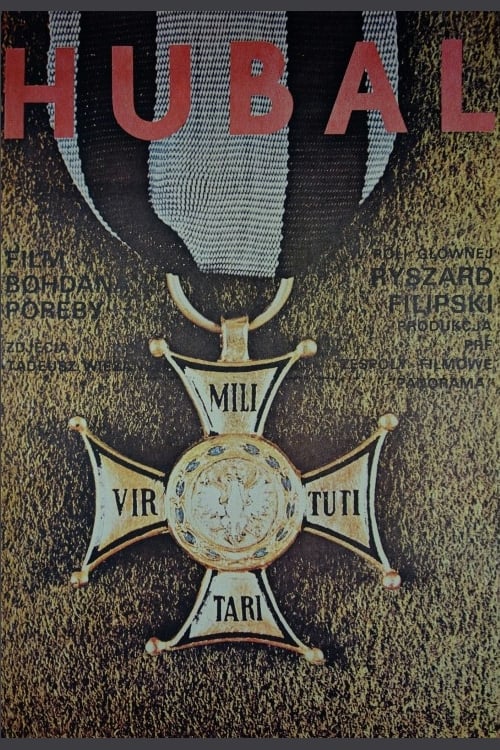
Major Henryk "Hubal" Dobrzański refuses to surrender to the Germans in the wake of the 1939 campaign and continues to lead his regiment in guerilla warfare against the invaders.
Commissioned by the heads of the 2000 Cannes Film Festival to make an opening-night short commemorating cinema as it enters its second full century, Godard instead offers up a 17-minute barrage of re-edited footage of wars and Nazi atrocities, interspersed with clips of Maurice Chevalier in "Gigi" and Godard's own "À bout de souffle."
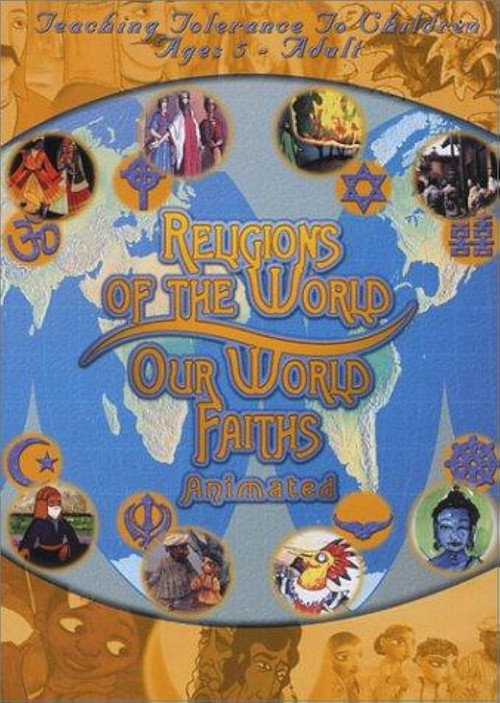
The life story of Prince Siddhartha Gautama, who later became known as Shakyamuni Buddha (the Buddha), from the time of his birth until he entered Nirvana.
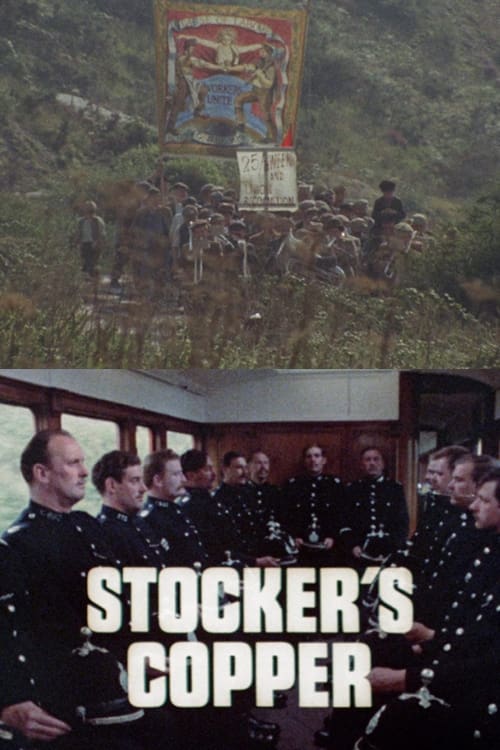
In August 1913 a strike at a Cornish clay pit leads to Welsh police being sent to keep order. Having no other source of income, a striking miner is forced to take in one of the policemen as a lodger. They soon become friends, but escalating tension at the mine means that conflict will become inevitable.
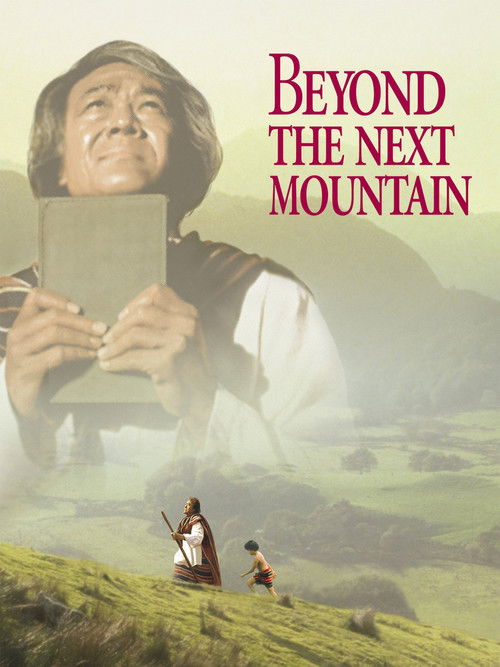
The story of how the Gospel of John changed the course of history for a tribe of headhunters.
The Vicar of Bray is a satirical description of an individual fundamentally changing his principles to remain in ecclesiastical office as external requirements change around him. The religious upheavals in England from 1533 to 1559 and from 1633 to 1715 made it almost impossible for any individual to comply with the successive religious requirements of the state.
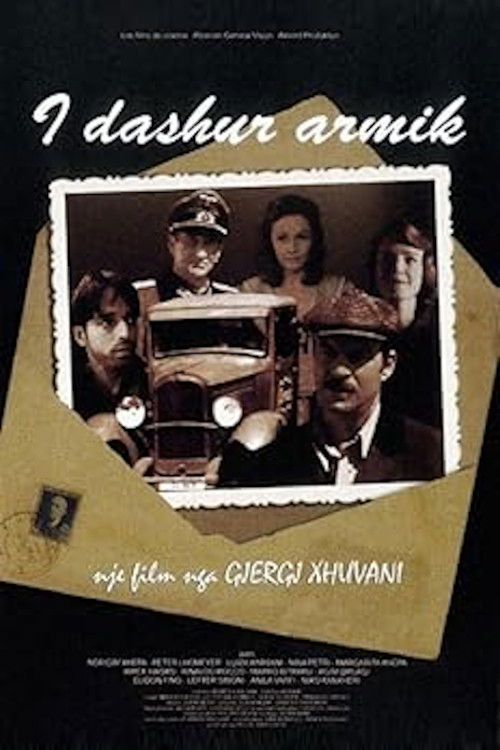
Dear Enemy tells the true story of the director’s grandfather who became friends with a German officer during the WWII German occupation of Albania while hiding a partisan, an Italian soldier and a Jewish watchmaker in his cellar.
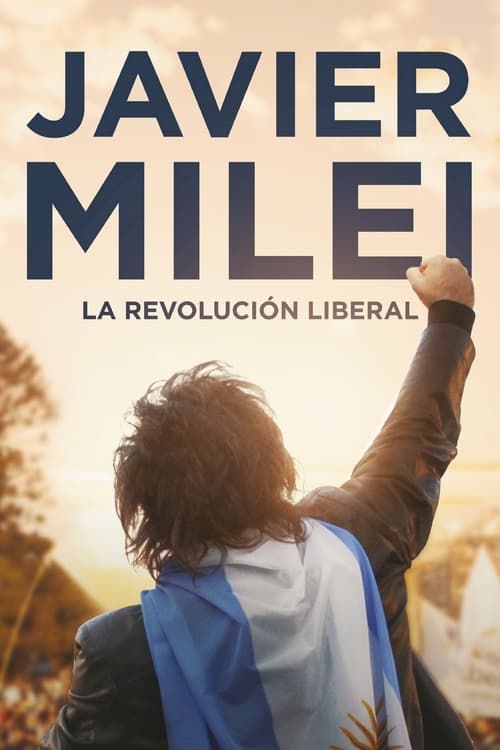
A portrait of Argentine libertarian politician Javier Milei.

Based on true events in 1990s Denver, a young couple uncovers a disturbing anomaly inside a sushi restaurant.
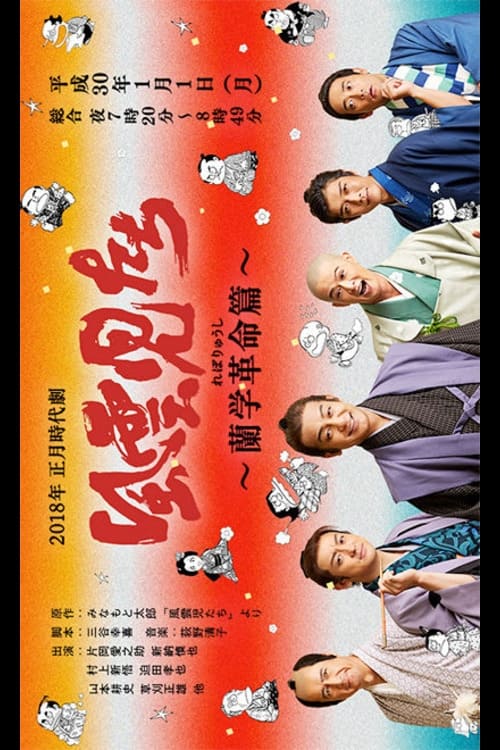
Maeno Ryotaku (Kataoka Ainosuke) is a doctor of Buzen Province, Nakatsu domain. Aspiring to learn Western knowledge, he comes across a Dutch-language translation of the German medical text Anatomische Tabellen while studying in Nagasaki. After returning from Nagasaki, Maeno is invited by a doctor friend Sugita Genpaku (Niiro Shinya) of Wakasa Province, Obama domain to observe an autopsy.
Made famous by the 1957 Hollywood movie, the bridges of the River Kwai emblematize one of the most misunderstood events in history. Contrary to the romanticized film version, the structures represent a period of terror, desperation, and death for over 16,000 POWs and 100,00 local slaves. The Thailand - Burma Railway was the vision of the Japanese Imperial Army: a 250-mile track cut through dense jungle that would connect Bangkok and Rangoon. To accomplish this nearly impossible feat, the fanatical and ruthless Japanese engineers used POWs and local slaves as manpower. Candid interviews with men who lived through the atrocity - including Dutch, Australian, British, and American POWs - illuminate the violence and horror of their three-and-a-half-year internment. From Britain's surrender of Singapore the enduring force of friendship, The True Story Of The Bridge On The River Kwai narrates a moving and unforgettable account of a period in history that must be remembered.
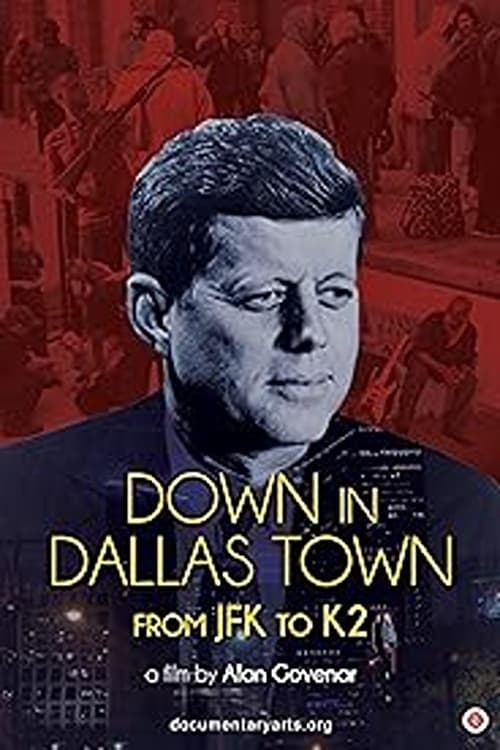
Through interviews with people on the street and songs recorded to memorialize JFK in the mid-1960s, the film explores the impact of the November 22, 1963 assassination on issues in today’s world, from lingering conspiracy theories to the proliferation of gun violence, homelessness, and the scourge of K-2.

Chor Yuen was Gu Long before he started filming Gu Long. The director's first wuxia film, made at Shaws' rival Cathay, finds him relishing in a mode of expression that would later become the signature style of the 'martial-arts suspense thriller' mini-genre. Chor grafts the quasi-psychological stylishness of his Cantonese melodrama onto this actioner, laying on thick the atmosphere by dialling up the fog machine and unleashing the colours from his camera's palette. He also stages his fights in modern dance-like choreography, with moves that are more graceful than ferocious and paused poses that are longer on expressive narcissism than continuity of action. Cold Blade is the quiet beginning of an aesthetic.
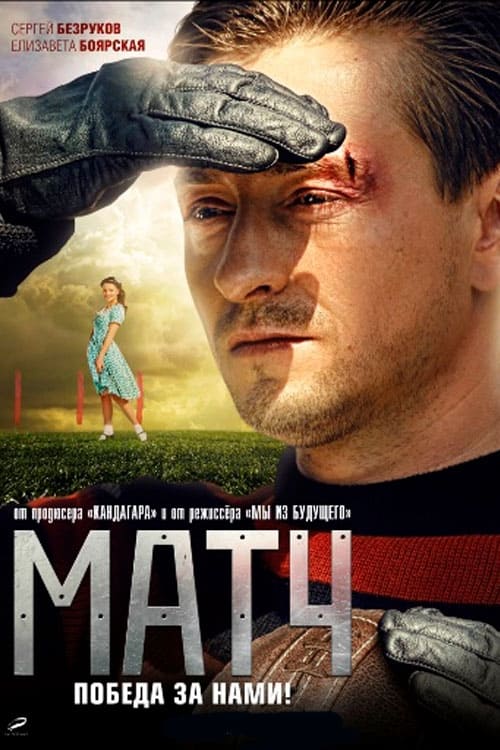
Based on the true story of the "death match" where the Soviet team "Start" scored its second victory over the German team «Flakelf» on August 9, 1942.