Protocol Archives • Browse all History titles in HD

The rock-wild youth of the 1960s during the apparitions of their idols.

The story follows a young man who gets to know a girl and causes her many problems. But when he's exposed to an accident, his life takes a drastic turn.


A true story shot in a German Impressionistic style. In France during the Nazi occupation, Dr. Petiot (Michel Serrault) offered to help Jews escape the Nazis. They would come to his house, and he would kindly give them lethal "vaccinations" for their anticipated travel to Argentina. Then he would steal everything the brought with them (in addition to their up-front payment to him) and burn their bodies in his home-made crematorium.
A biopic about Turkish-Armenian photojournalist Ara Güler.
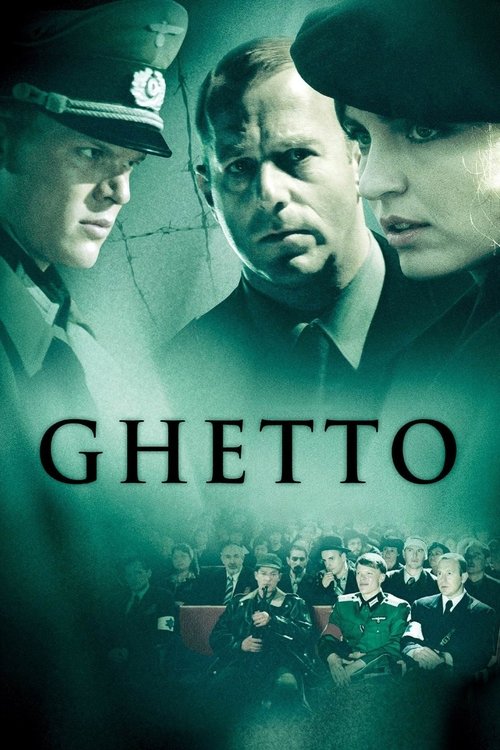
In 1942, in Vilna, the Nazi annihilate 55,000 Jews and squeeze the 15,000 survivors in a seven blocks ghetto. The twenty-two year old sadistic commander Kittel is assigned to administrate the ghetto in the capital of Lithuania, becoming the master of life or death. When he finds the gorgeous Hayyah sneaking with one kilo of beam stolen from the German army, he sentences her to death; but when he is informed that she was a former successful singer, he decides to activate the old theater and promote shows in the ghetto. The Jew Chief of Police Gens uses the theater and a sewing factory to save as much lives as he can; in his ambiguous position, he kills Jews to save lives of others.
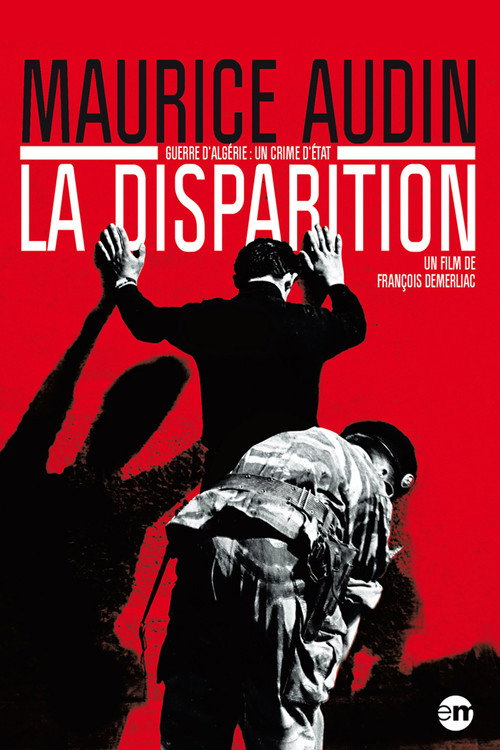
In Algiers, in June 1957, Maurice Audin, a 25-year-old mathematician, was arrested by French paratroopers. His wife, Josette, and their three children never saw him again. This documentary interweaves testimonies from French and Algerian protagonists: activists for Algerian independence, lawyers, historians, and military personnel. Drawing on the research of historian Pierre Vidal-Naquet, it blends archival footage, newspaper articles, books, drawings, and reenactments to reconstruct the context of this disappearance and denounce the torture and murder practiced in Algeria. Josette Audin is the central figure and the moral compass of this film.

Spain, under Philip IV (1621-1665). The film is based on a novel by Gonzalo Torrente Ballester. The King is stunned to see the naked body of Marfisa, the most beautiful prostitute of the town and Court. After that, he also wants to see the Queen naked. However, the King, despite the opposition and the scandal of the Church, will not stop until he reaches his wishes.
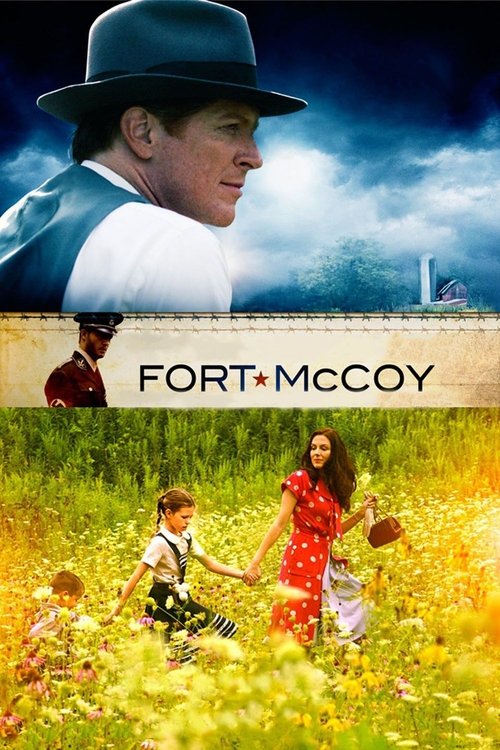
Unable to serve in World War II because of a heart condition, a barber moves his family adjacent to a Wisconsin army base and prisoner-of-war camp to provide his services. But even in rural America -- far from the frontline -- the war finds victims.

Documentary using only original colour footage charts the 12 years from Adolf Hitler's rise to power to the fall of Berlin in 1945. Complemented by eyewitness material, tracks the dramatic transformation of Germany into a Nazi state, looks into Hitler's relationship with his lover Eva Braun and replicates pivotal events, including Nazi rallies, the invasion of Poland, Hitler's meeting with Lloyd George, the horrors of Buchenwald concentration camp, Warsaw's Jewish Ghetto, the Battle of Britain and the fall of Berlin.
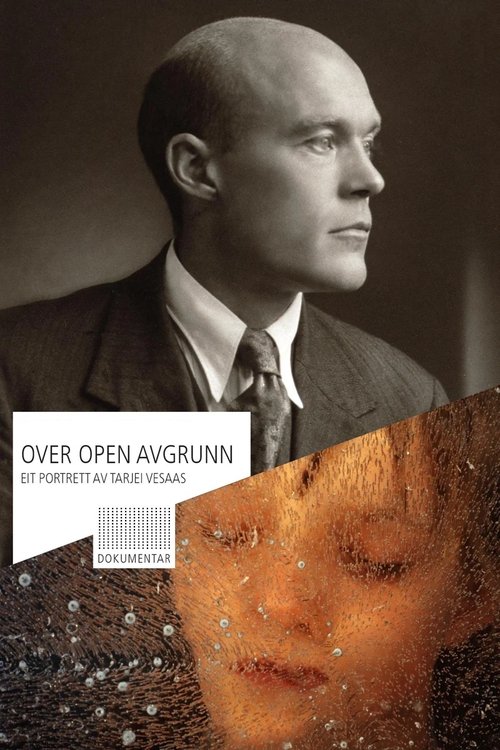
A portrait of Norwegian poet and novelist Tarjei Vesaas (1897 - 1970).
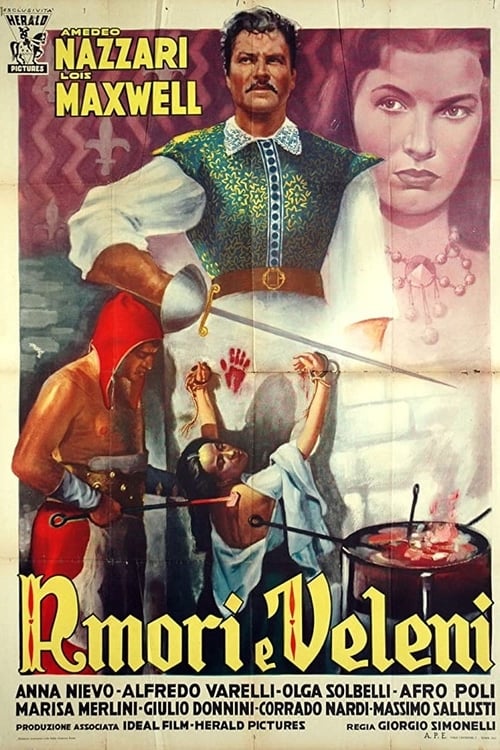
Christina of Sweden, in exile in Rome, takes a handsome Italian officer as her lover. But he is in love with the very young wife of an elderly count. After many adventures, duels, settling of old scores, the officer and the countess get married. Former Queen Christina finds herself another captain of the guard.
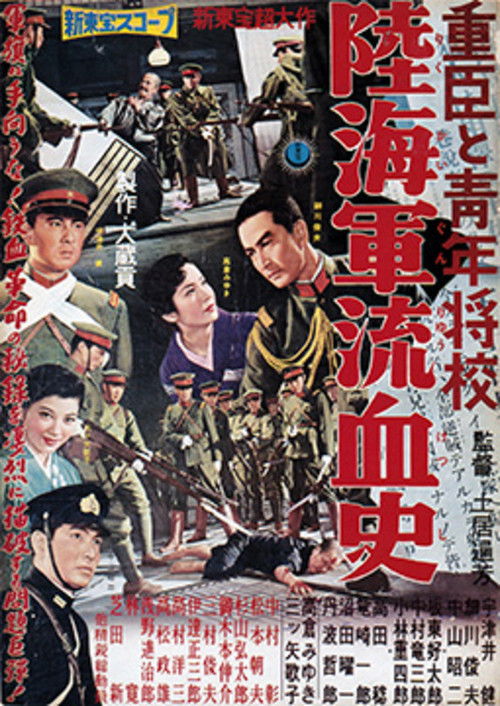
A historical film that portrays the fervent and violent actions of young Army and Navy officers, such as the February 26 and May 15 incidents, in a semi-documentary style.
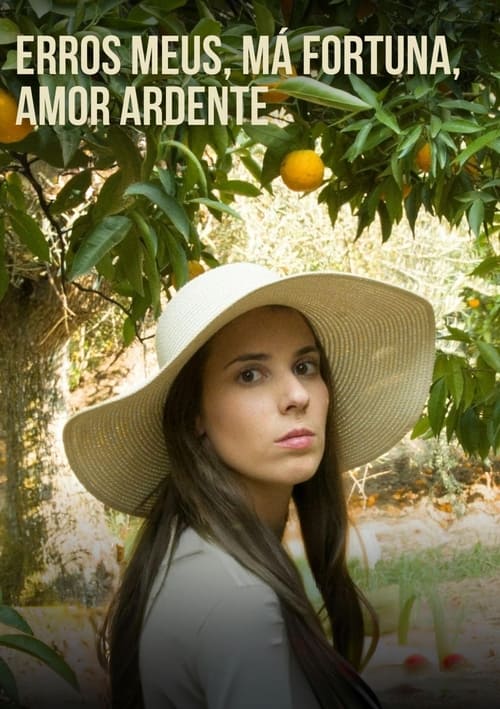
Erros Meus, Má Fortuna, Amor Ardente brings us a story from a small, rural village in the interior of Portugal where, by reason of a funeral, people from all parts of the region are arriving. Maria is a young woman from that village, unsatisfied with her marriage with João, who has never given her a child: her biggest desire. By cause of the funeral, Carlos arrives, and his arrival and Maria's emancipated behavior generate distrust from the other villagers. Maria, a serious, beautiful and virtuous woman, loved by every man in the village and hated by all the women, awakes in João the weakness of jealousy, and in Carlos the weakness of an old love.
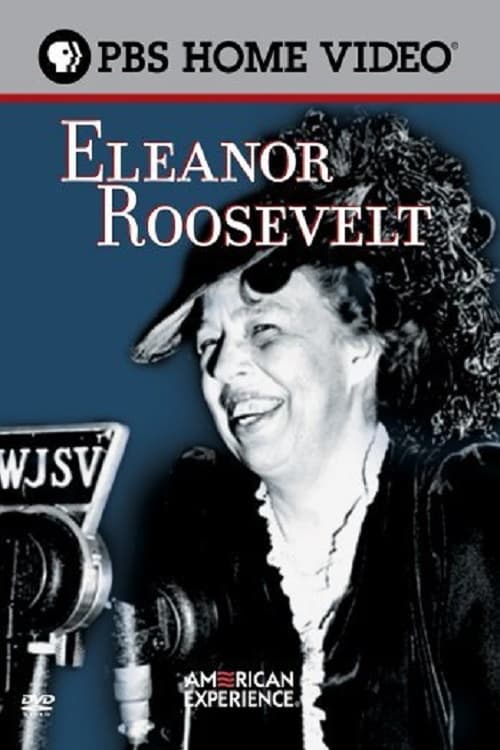
Eleanor Roosevelt struggled to overcome an unhappy childhood, betrayal in her marriage, a controlling mother-in-law, and gripping depressions — all the while staying true to her passion for social justice. This biography includes rare home movies, contemporary footage, and reflections from Eleanor’s closest surviving relatives, as well as biographers Blanche Wiesen Cook, Allida Black, and Geoffrey C. Ward, bringing to vibrant life one of the century’s most influential women.
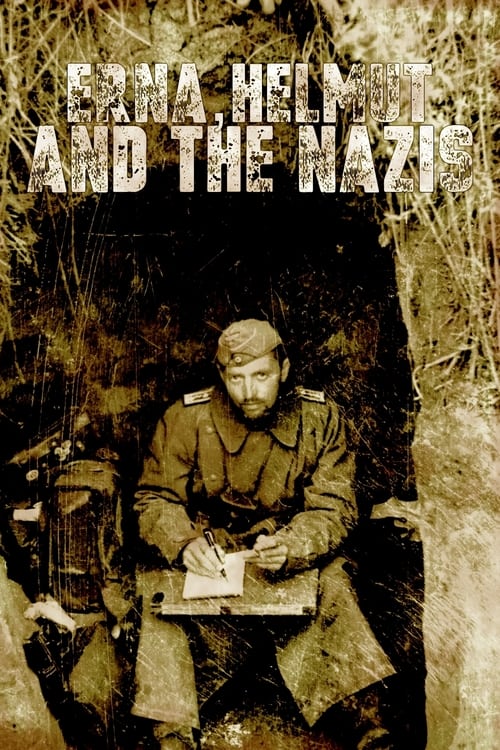
Germany, 1929. Helmut Machemer and Erna Schwalbe fall madly in love and marry in 1932. Everything indicates that a bright future awaits them; but then, in 1933, Adolf Hitler and the Nazi Party rise to power and their lives are suddenly put in danger because of Erna's Jewish ancestry.
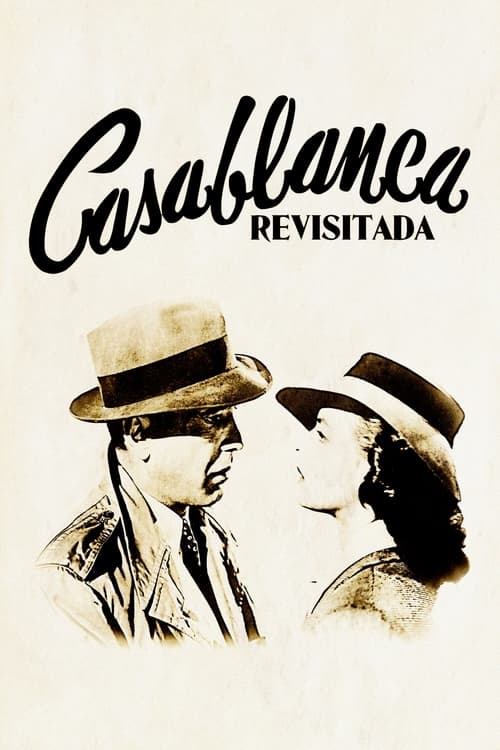
A lyrical and nostalgic analysis of how Casablanca, the mythical film directed by Michael Curtiz in 1942, has influenced both film history and pop culture.
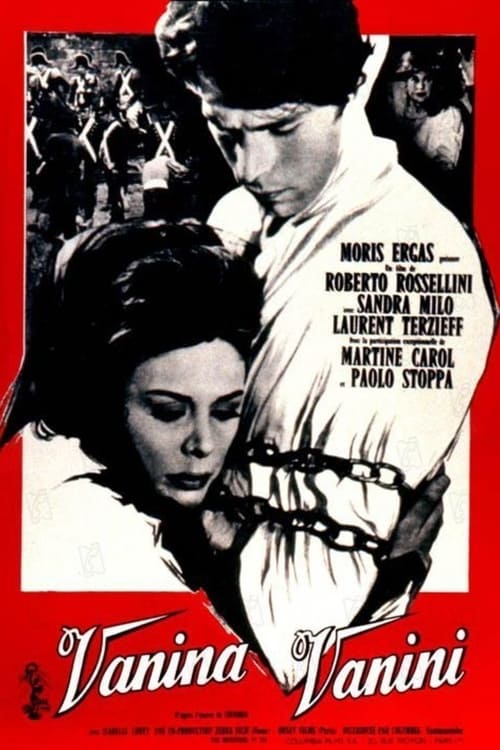
Vanina Vanini, a bored, spoiled Roman countess, falls in love with a dedicated young patriot who is in Rome to assassinate a traitor to the brotherhood of the Carboneria.
"The prevailing stigmatization of the 'villero' universe is fed back by the images. In order to dismantle this stigmatization, other images must be presented or we need to reveal what the existing ones seek to cover up. The slum is usually represented from a limited and deceitful visual panorama. This representation has an intention. Cinema and television are two image-producing devices that strengthen the stereotypes that we have about the people who inhabit these spaces. And what happens in the field of painting? Do clichés reign there too? This visual essay seeks to confront various works by national painters and sculptors, belonging to the Palais collection, with the kinetic images of current cinema and television, to reflect on both the differences and the similarities in the meanings and discourses that both regimes of images can produce." César González
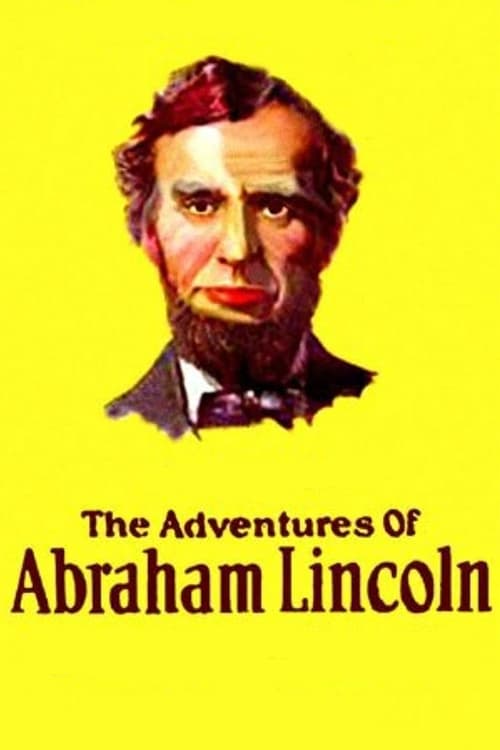
A biographical film featuring the presidency and assassination of Abraham Lincoln during the American Civil War.