Protocol Archives • Browse all History titles in HD
The story is based on the serial novel by Tsunoda Kikuo.
August 1961: To earn a bit of West German money, East Berlin "plaselayer" Hans Kuhlke smuggles scrap metal to his friend Erwin Sawatzke in West Berlin. One evening, he and his wife are invited to the Sawatzkes' house. Meanwhile, their son Paul stays with a friend in East Berlin. On this summer night, the political situation in Berlin comes to a dramatic head: the borders are closed and the construction of the Wall is initiated. The disappearance of his parents leaves 14-year-old pioneer Paul torn between family ties and loyalty to the party. At the last second, he sees through his role in the system and is taken in by his piano teacher. Together they plan their escape to the West - but it turns into a race against time.
This is the thrilling tale of one of the most famous battles in history. Hour by hour and often minute by minute, Waterloo describes the battle's twists and turns. Based on the written testimonies of actual combatants, Waterloo describes, without romanticising, the experience of battle, the hopes, fears, suffering, and death.
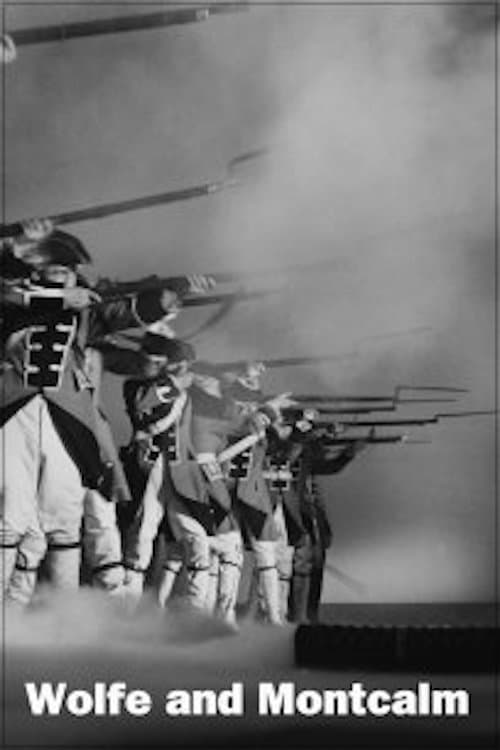
Two generals prepare for battle at the Plains of Abraham.

The Counter-Reformation period: Myslivec Machovec is forced by representatives of the Jesuit order to flee his home for his religious beliefs. His teenage children Helenka and Tomáš do not give up the faith and traditions of the Czech Brethren despite the increasing pressure.
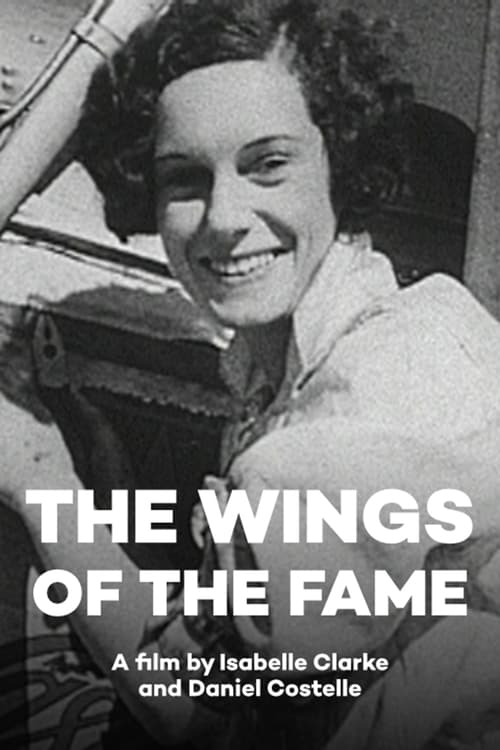
It is the epic of the heroes of the first century of aviation, since the flight of the first plane on December 17, 1903 until today. A striking collection of portraits of outstanding men and women like Louis Blériot, the first to cross the Channel, to Lindbergh who crossed the Atlantic and Amelia Earhart and many more...
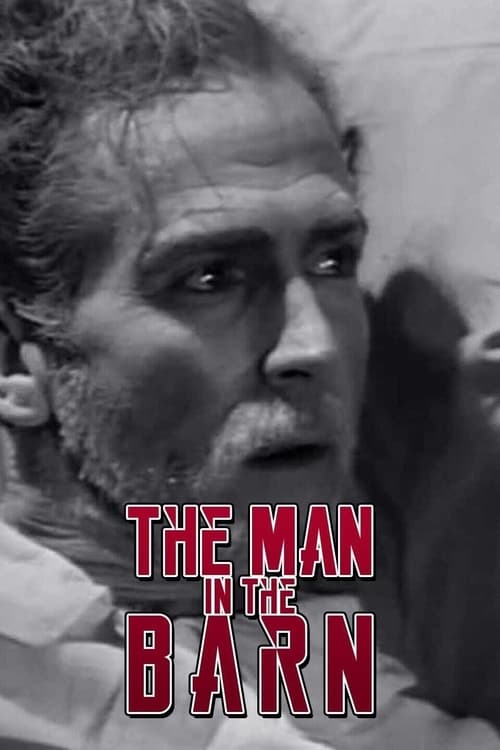
After John Wilkes Booth assassinated President Abraham Lincoln, he escaped to Maryland and was discovered hiding in a barn. After he refused to surrender, the barn was set afire and Booth died in the blaze. However, in 1903 a Mr. David E. George, while on his deathbed in Enid, Oklahoma, claimed to be John Wilkes Booth. This MGM An Historical Mystery series short presents evidence of the possibility that Mr. George's claim was true.

How, after four years of occupation, France was liberated between the spring and autumn of 1944. Patrick Rotman, writer, historian and director, offers a historical and political analysis of this significant period in history, from operations "Overlord" and "Dragoon" - the landing of Allied troops - to the celebrations organized for the liberation of Paris.
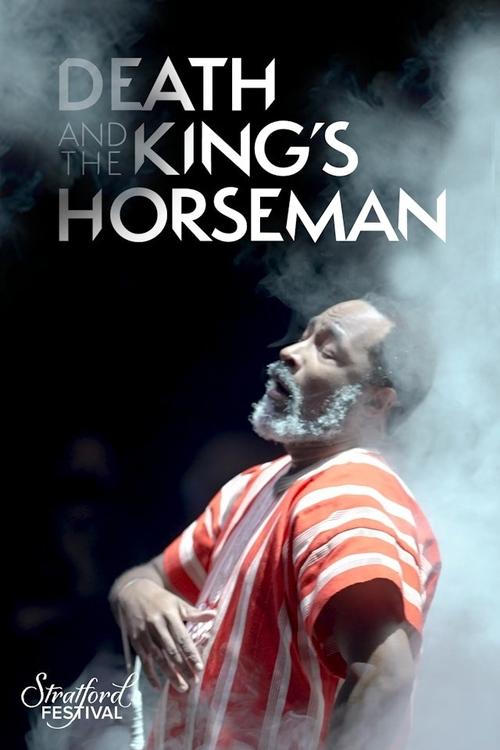
In British-occupied Nigeria, a Yoruba king, the Alafin, has died, and it is the duty of his horseman, Elesin, to accompany him into the afterlife. While lustily enjoying the pleasures of this world, Elesin proudly anticipates his transition to the next – but the sacred ritual is interrupted, resulting in unforeseen tragedy. Inspired by a real-life incident, this masterpiece from Nobel Prize winner Soyinka celebrates a community striving to uphold its culture in the face of colonial power.

Specially commissioned by the British Film Institute and Channel 4, this pseudo-biography shows how Aristophanes became the father of political satire and why his theatrical innovations are still staples of the contemporary theatre.
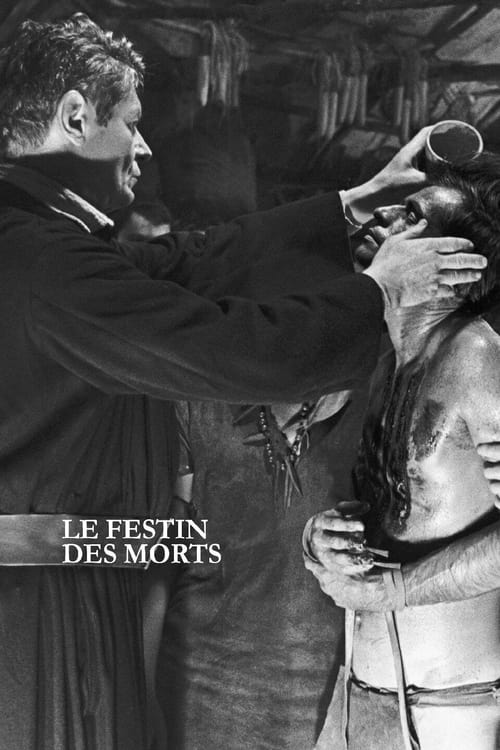
A young Jesuit missionary reflects on his life and his faith while awaiting his execution at the hands of the Native Americans he came to convert. Winner of the 1966 Canadian Film Awards best feature film award.
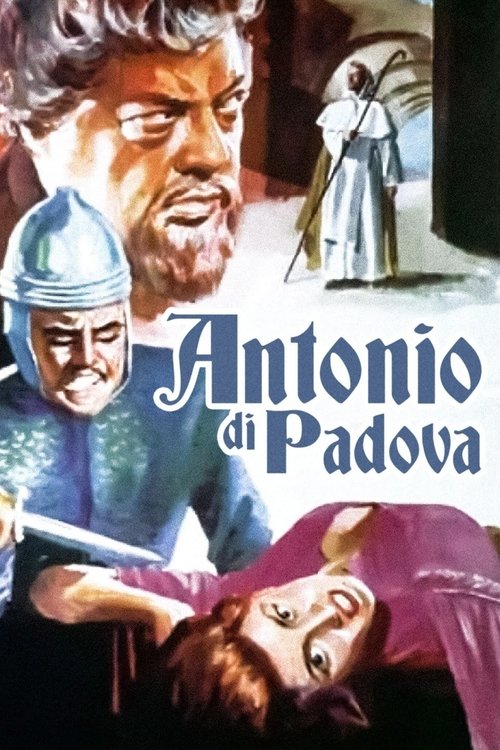
Biography of the famous saint of Portuguese origin recalled from the readings of a young boy who one day goes to church with his mother to pray for the return of his father, who is missing in action.
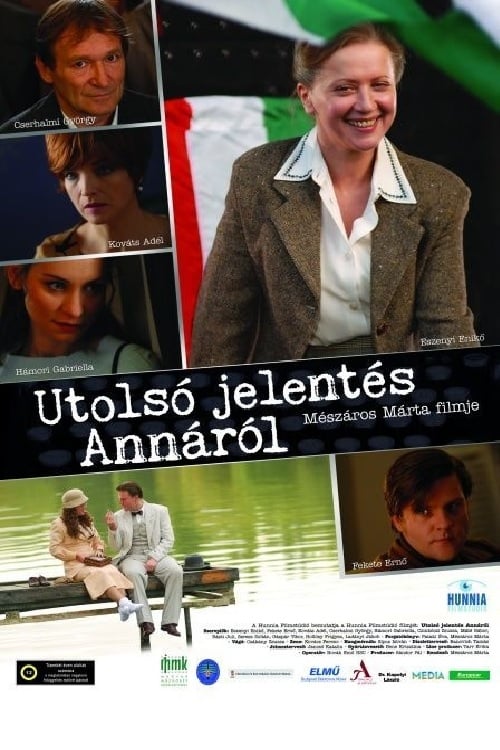
Péter, a literary critic, is tasked by the secret police to persuade Social Democratic politician, Anna Kéthly, who has been living in exile for decades, to return home.
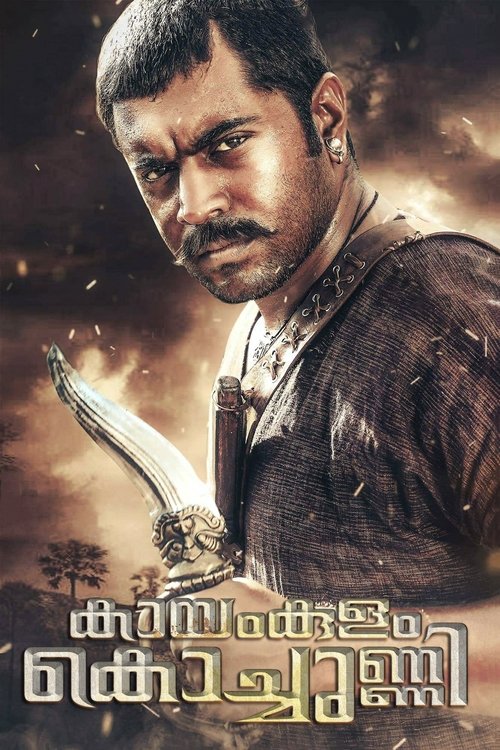
The life of Kayamkulam Kochunni, a famed highwayman who robbed from the rich and gave to the poor during the British Raj in the early 19th century Central Travancore.

The story of St. Cyrilus (Constantine The Philosopher) in his quest of enlightening the Slavic people.
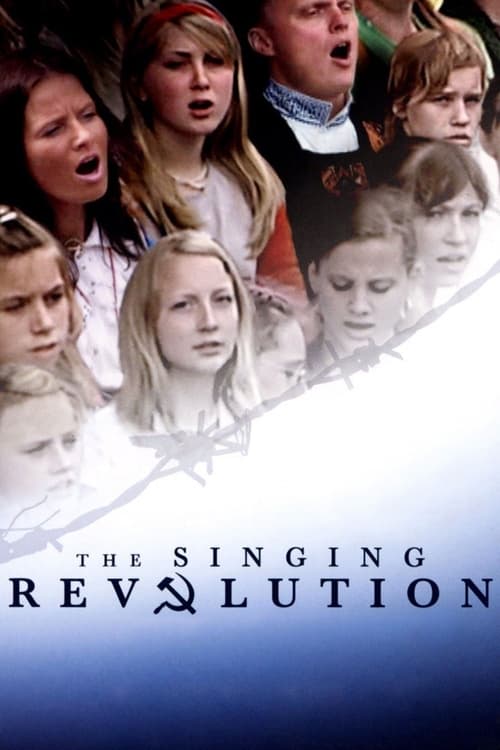
Most people don't think about singing when they think about revolutions. But song was the weapon of choice when, between 1986 and 1991, Estonians sought to free themselves from decades of Soviet occupation. During those years, hundreds of thousands gathered in public to sing forbidden patriotic songs and to rally for independence. "The young people, without any political party, and without any politicians, just came together ... not only tens of thousands but hundreds of thousands ... to gather and to sing and to give this nation a new spirit," remarks Mart Laar, a Singing Revolution leader featured in the film and the first post-Soviet Prime Minister of Estonia. "This was the idea of the Singing Revolution." James Tusty and Maureen Castle Tusty's "The Singing Revolution" tells the moving story of how the Estonian people peacefully regained their freedom--and helped topple an empire along the way.
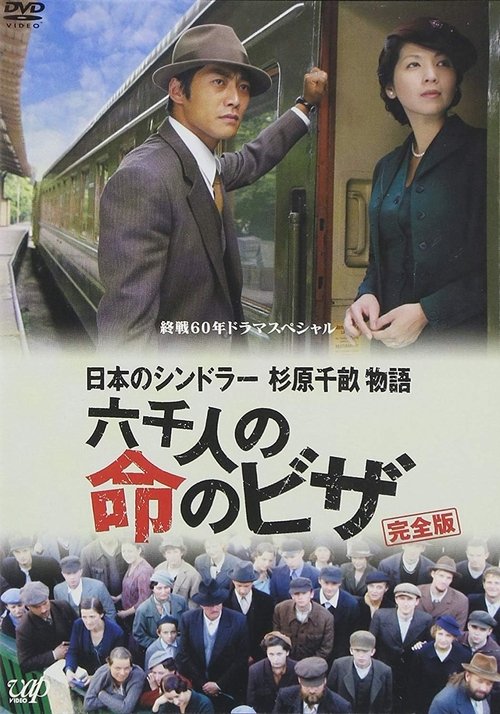
World Wat II broke out shortly after diplomat Chiune Sugihara was assigned to Lithuania. Nazi Germany occupied the western half of Poland and began persecuting the Jews. Lithuania was then annexed by the Soviet Union, and the Japanese consulate was ordered to close. Meanwhile, Jewish refugees who had fled Poland flocked to the Japanese consulate, requesting the issuance of Japanese transit visas. Chiune repeatedly sent telegrams to the Ministry of Foreign Affairs requesting permission to issue visas to the Jewish refugees, but received a final notice that the visas could not be issued. However, with only a month left until the departure deadline, Chiune decided to defy the Ministry of Foreign Affairs' orders and issued visas to the Jewish refugees...

It began much like the common cold. Yet within a day fever took over black swellings the size of baseballs appeared on the neck and finally a highly contagious bloody cough quickly sealed the victim's fate. During the worst biological disaster in the history of mankind the so-called black death released an indiscriminate fury which shook the very foundations of human order. Religious hysteria began to break out and in desperation frenzied masses scrambled to find a scapegoat. When all was said and done nearly one-third of Europe's population had been completely wiped out and devastated survivors were left to contend with a world forever changed both socially and economically. In this feature-length special THE HISTORY CHANNEL-® investigates the origins of this devastating moment in human history and explores the many questions surrounding the terrifying possibility of a modern-day biological threat.

After a catastrophic tsunami in 2004, many lives were changed forever. This movie portrays a heart-warming story of two such families, and the story revolves around a 2-year-old child believed to be washed away by the floods. 10 years later, the Tamil family learns about a 12-year-old Sinhalese girl who can understand Tamil and remembers incidents from her previous life. Soon they recognize the girl by a birthmark on her face. The young girl now has to choose between her biological family and the family she grew up with.