Protocol Archives • Browse all History titles in HD

A high school girl encounters a rabbit like creature who sends her back in time.

A film in red, a film in pain.
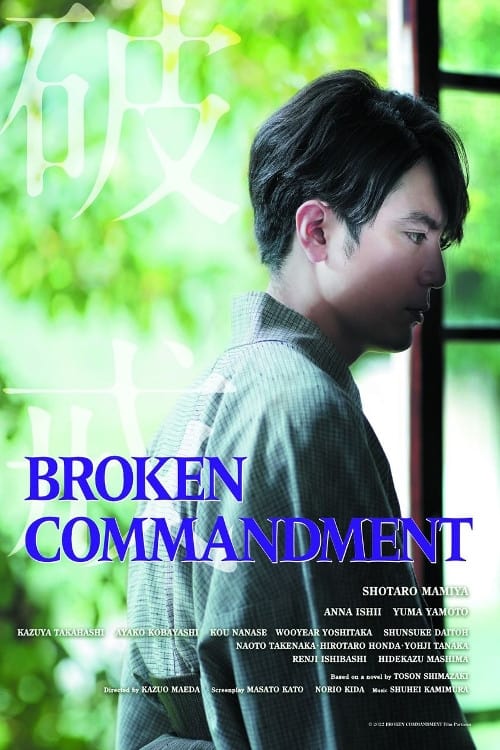
At the strong insistence of his father, Ushimatsu Segawa conceals his origins from a “buraku” area of low-class “untouchables,” leaving his hometown to serve as an elementary school teacher where he excels and is loved by his students. But he constantly struggles with the secret of his low-birth status and is disturbed by all of the discrimination levelled upon his class. It prevents him from pursuing a romance with Shiho, whom he meets at the temple where he resides, but who descends from a samurai family.

A chance find in a suburb of Cairo has shed new light on an all but forgotten Pharaoh, Psamtik I. Discovered in 2017, an eight-tonne fragment of a statue has led experts to believe that he was, in fact, one of Egypt’s greatest leaders, as this documentary reveals
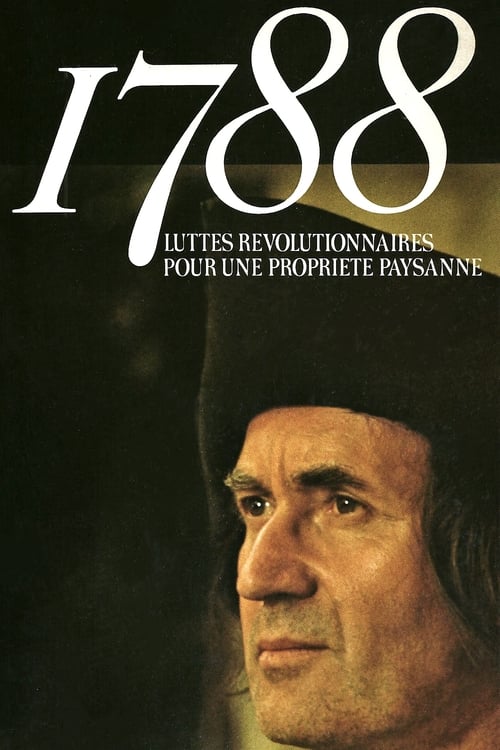
The story of a small village in Touraine between 1788 and 1789, on the eve of the French Revolution, with its lord, its wealthy peasants, and its poor. The wealthy peasants, expelled from the communal pastures by the count, take him to court. Guillaume Coquard joins the other villagers in drafting the cahiers de doléances (lists of grievances). On the eve of the convocation of the Estates General, the village loses its lawsuit. On the night of August 4, 1789, the deputies vote to abolish privileges. The peasants will be able to buy them back. But the poorest wonder: with what?
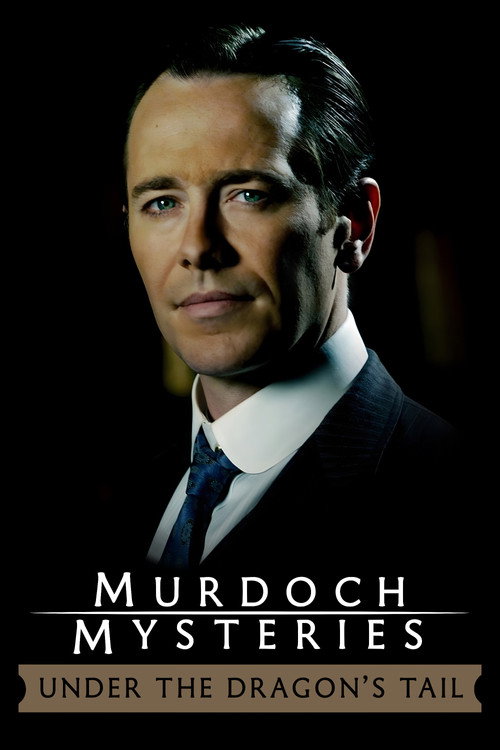
Detective Murdoch fights against a family of great influence to solve the murder of abortionist Dolly Capshaw.
The "David and Goliath" legend is presented as credibly as possible, while David's later disastrous romance with Bathsheba is handled with taste and decorum. Also in the cast are Anthony Quayle as King Saul, and Terence Hardiman as Bathsheba's unfortunate warrior husband Uriah.

The life story of Dr. Henry Morgentaler and his fight for the legalization of abortion on demand in Canada.
Produced and directed this documentary for BBC in the 1980’s, about David Gulpilil, acclaimed Australian Aboriginal actor, dancer and musician. The film shows how Gulpilil is always working to bridge the gap between the tribal Aboriginal and Western worlds. He divides his time between a traditional tribal lifestyle and his artistic work, which has included major film roles, collaboration with contemporary dance and music groups and teaching Aboriginal dance and culture. Bill and David travel to Hollywood where David was the most popular Australian in the world at that time, with FOUR films playing in America – WALKABOUT, STORM BOY, THE LAST WAVE and MAD DOG MORGAN. After relating to both the black and native American cultures and filming a quick scene for a big Hollywood picture, he pines to head back through the Outback to his beloved Arnhem Land. Edited by Simon Dibbs and shot by Ray Henman.
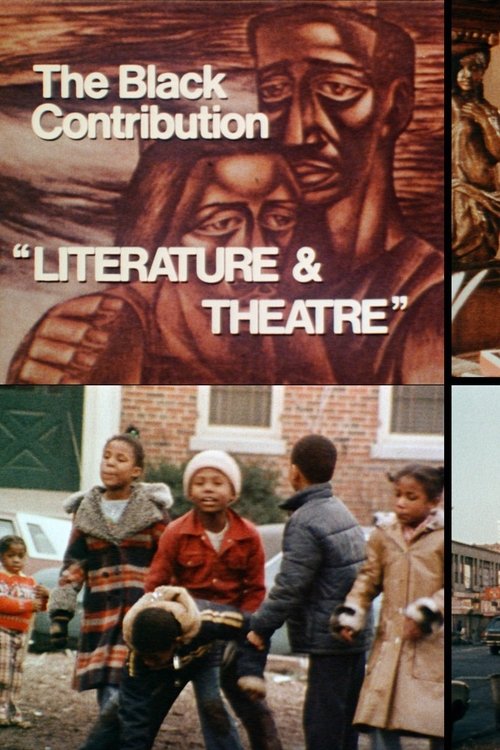
The Black Contribution – Literature and Theater 1978 is a rare documentary highlighting the voices and cultural impact of African American writers and performers during the civil rights era. Introduced by NAACP leader Benjamin Hooks and narrated by Roscoe Lee Brown, the film weaves together dramatic readings, theatrical excerpts, and candid urban street footage. Margaret Walker’s poem For My People is performed alongside scenes of daily Black life in New York City — children playing, families on stoops, open fire hydrants, and the realities of poverty in 1970s neighborhoods. James Baldwin appears in interview footage, while signs for his play The Amen Corner and stage excerpts from Lorraine Hansberry’s A Raisin in the Sun underscore the powerful presence of Black voices in American theater. With rare shots of Harlem life, literature, and performance, this film documents the enduring contributions of African American artists to U.S. culture and history.
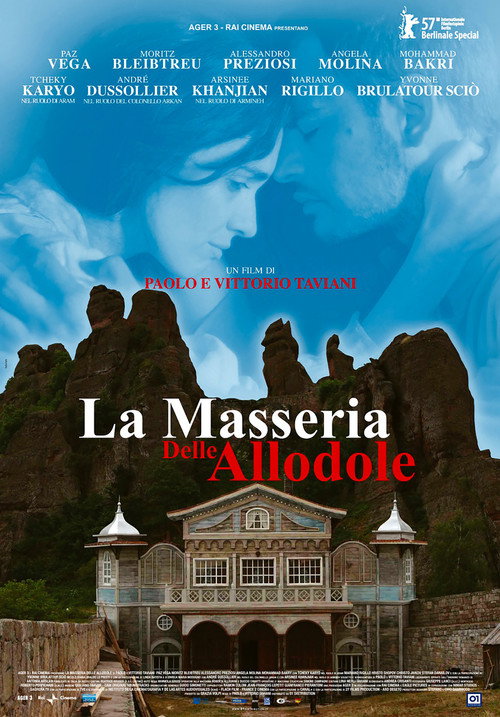

La Revolución de Mayo (in English: May Revolution) is an Argentine silent movie premiered in 1909. As the name denotes, it is focused on the events of the May Revolution. It was directed by Mario Gallo, and it was the first Argentine film with a plot.
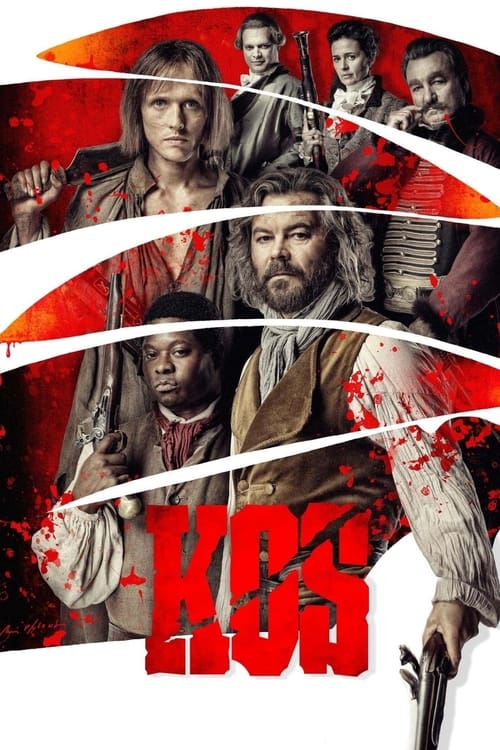
Spring of 1794, Poland is in a state of unrest. General Tadeusz ‘Kos’ Kościuszko returns to the country, planning to ignite an uprising against the Russians by mobilising Polish gentry and peasants. He is accompanied by his faithful friend and former slave, Domingo. Kościuszko is being tracked down by a merciless Russian cavalry captain, Dunin, who wants to do whatever it takes to capture the general before he starts a national revolt.

The dark era of the Spanish postwar period where, through violence, repression and murder, part of the Spanish population was subjugated.
How can the masses be controlled? Apparently, the American publicist Edward L. Bernays (1891-1995), a pioneer in the field of propaganda and public relations, knew the answer to such a key question. The amazing story of the master of manipulation and the creation of the engineering of consent; a frightening true story about advertising, lies and charlatans.
Medieval art treasures seized by the Nazis go missing at the end of World War II. Were they destroyed in the chaos of the final battles? Or were these thousand-year-old masterpieces stolen by advancing American troops? For over forty years, the mystery remained unsolved. A true detective story, "The Liberators" follows a dogged German art detective through the New York art world and military archives to the unlikeliest of destinations: a small town on the Texas prairie. Featuring interviews with Willi Korte (Portrait of Wally) and Texas attorney Dick DeGuerin, the film raises intriguing questions as to the motivations of the art thief and the whereabouts of the items that, to this day,
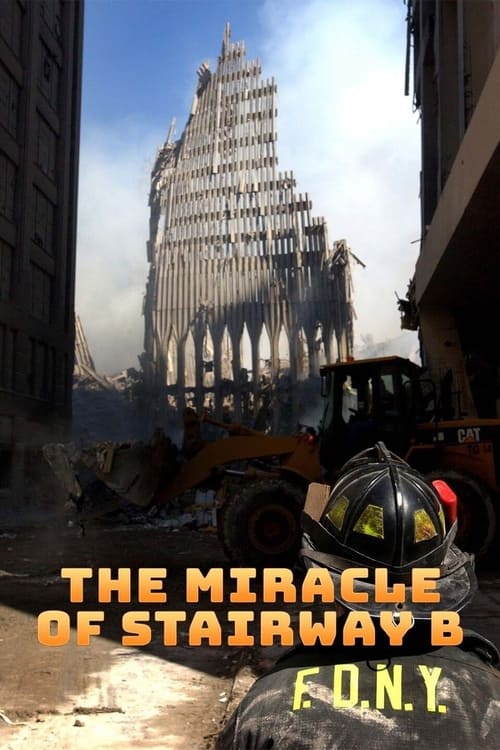
Survivors tell how 12 fire-fighters, a police officer and an office worker survived inside the North Tower of the World Trade Center as it collapsed on top of them
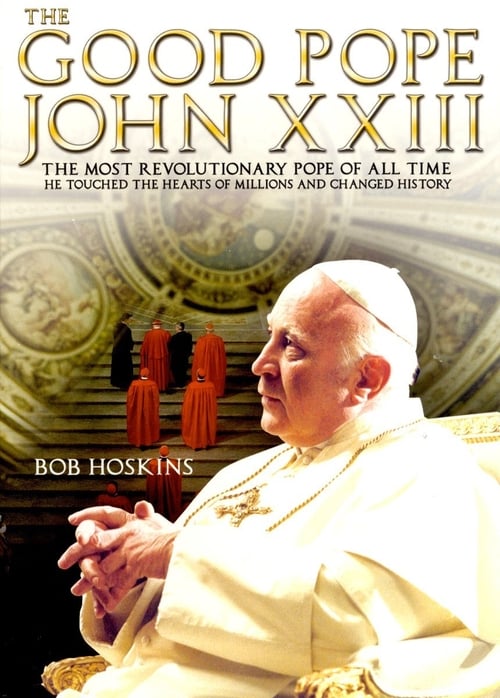
Angelo Roncalli, born in Sotto Il Monte in 1881, is known for his profound spirituality as well as his extraordinary goodness from the young years of his life. When he feels a need to serve God, Angelo goes to study theology in Bergamo, and in Apollinare School (Rome) and becomes a priest. During his studies, he gets to know his two dearest friends, Mattia and Nicola. Very soon, most people see marvelous talents in him, including his wide knowledge and a constant readiness for sacrifice. The Holy See makes him go further to bishop and cardinal, and the Holy Father sends him to various places as a representative of the Church. When Pius XII dies on October, the 9th, 1958, 77 year-old Angelo goes to Rome, to conclave to choose a new pope. However, this time, it is him who hears gentle words of Jesus "Tu es Petrus!" ("You are Peter!") and from October, the 28th leads the church as pope John XXIII