Protocol Archives • Browse all Documentary titles in HD
This intense documentary series details true stories of neighbors gone bad, from heinous fraud schemes to senseless acts of violent retribution.
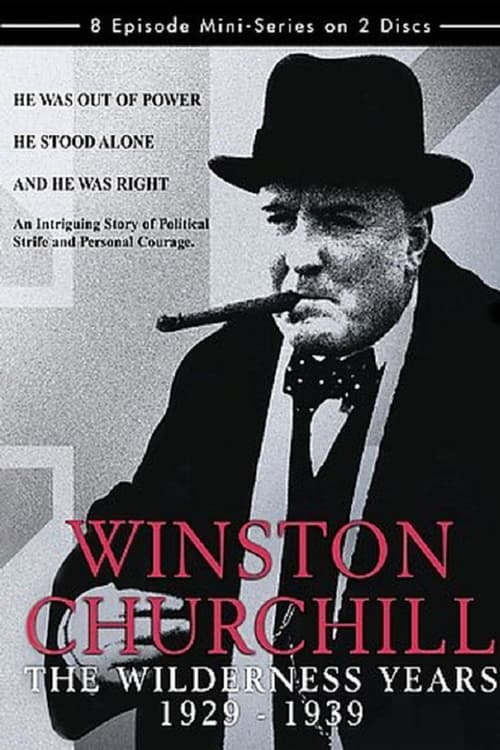
Winston Churchill: The Wilderness Years is an 8-part 1981 drama serial based on the life of Winston Churchill, and particularly his years in enforced exile from political position during the 1920s and 30s. It was written and directed by Ferdinand Fairfax and Churchill was played by Robert Hardy. Hardy's brilliant performance as Churchill won critical acclaim and a BAFTA award in 1982. He reprised the role in The Sittaford Mystery, Bomber Harris and War and Remembrance and at the 50th anniversary celebrations of the end of World War II in 1995 when he quoted a number of Churchill's wartime speeches in character.
'Kernen' are important stories about Denmark and the Danes. In each program, we get close to a main character who is in the middle of a significant issue. We get to the heart of the matter and put the story into perspective.
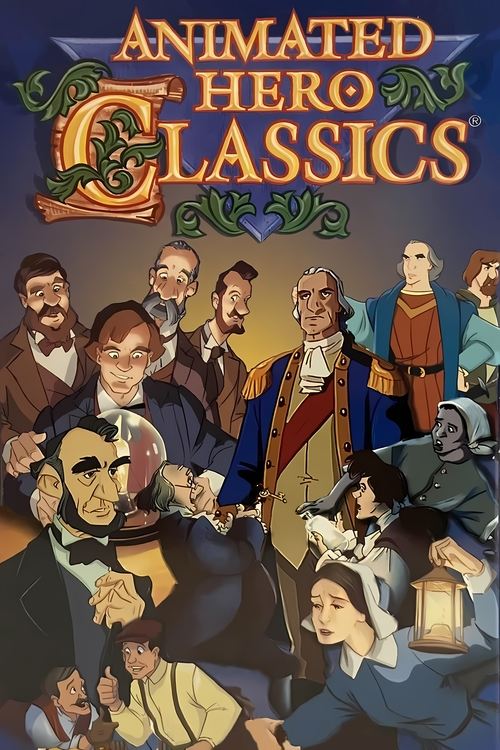
Animated Hero Classics is an educational Animated television series of programs co-produced by Nest Family Entertainment and Warner Bros. The series, geared toward elementary school aged children, includes twenty biographies of both female and male scientists, inventors, explorers, and social champions from around Europe, North America and the Middle East, including George Washington, Abraham Lincoln, Florence Nightingale, Harriet Tubman, Joan of Arc, Benjamin Franklin, Helen Keller, Marco Polo, Marie Curie and Louis Pasteur. The Children's Television Act of 1990 required terrestrial television networks to devote time to Educational and Informative programming for children. Even though Warner Bros' cable networks were not directly affected by these requirements, these programs were debuted on their HBO network's Saturday morning children's block as a show of good faith that the network was committed to quality educational programming for children. The dramatic biographies were meticulously researched by the producers and written to engage both children and adults, providing an entertaining and accessible way to learn about the positive impact that these women and men have had on our world.
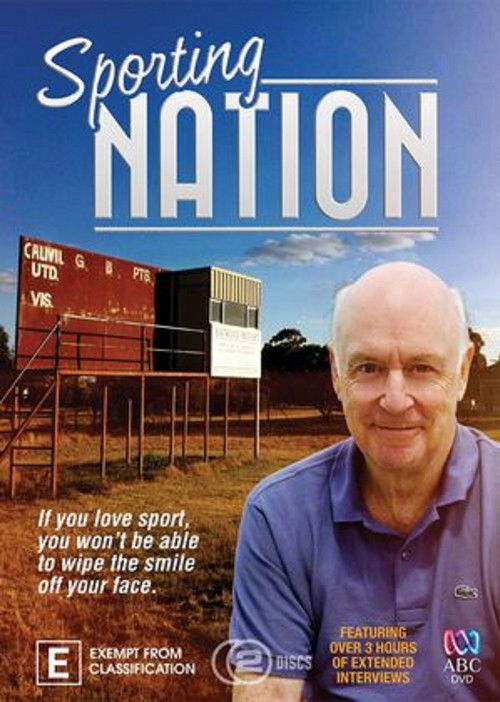
The late sports lover and renowned satirist John Clarke looks at how Australia came to take its sport so seriously and what it means to be a sporting nation.
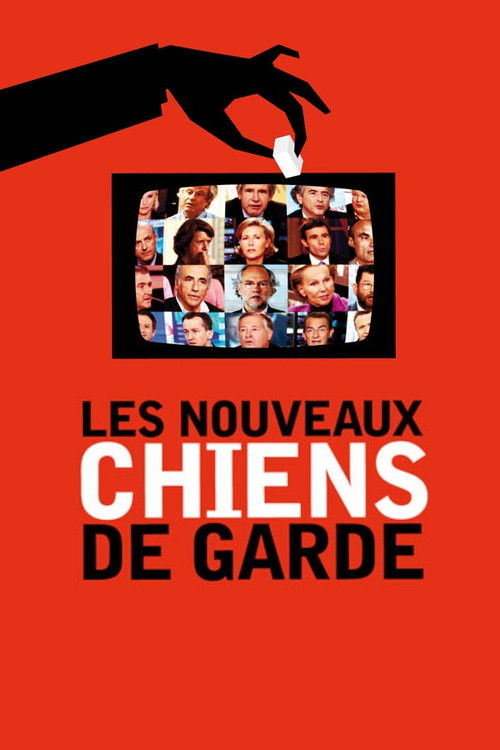
In 1932, the writer Paul Nizan published "The New Watchdogs" to denounce the philosophers and writers of his time who, sheltering behind intellectual neutrality, imposed themselves as true watchdogs of the established order. Today the watchdogs are journalists, editors, and media experts who've openly become market evangelists and guardians of the social order. In a sardonic manner, "The New Watchdogs" denounces this press that, claiming to be independent, objective and pluralist, makes out it is a democratic force of opposition. With forcefulness and precision, the film puts its finger on the increasing danger of information produced by the major industrial groups of the Paris Stock Exchange and perverted into merchandise.
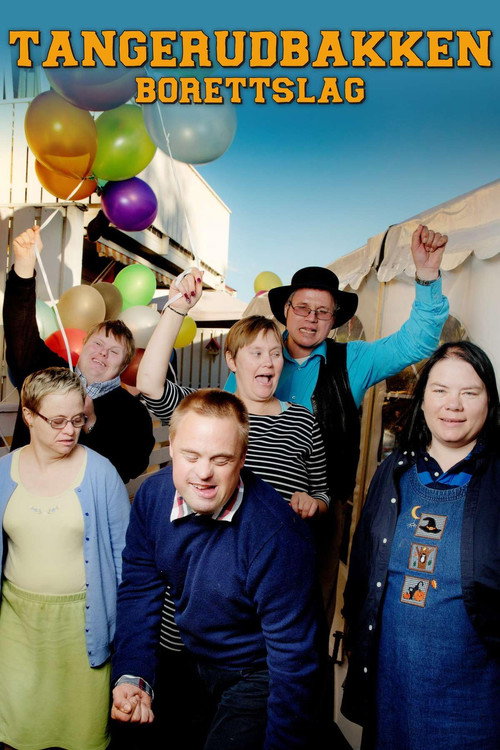

Documentary show in which presentor Beau van Erven Dorens visits facilities in The Netherlands that you normally cannot enter such as a hospice, a preventitive custody facility and a burn center. Beau gets a look into the life of the people and employees by staying there for five days and experiencing how it is to work or live there. He also spends the night there, often locked in a room for his own safety.

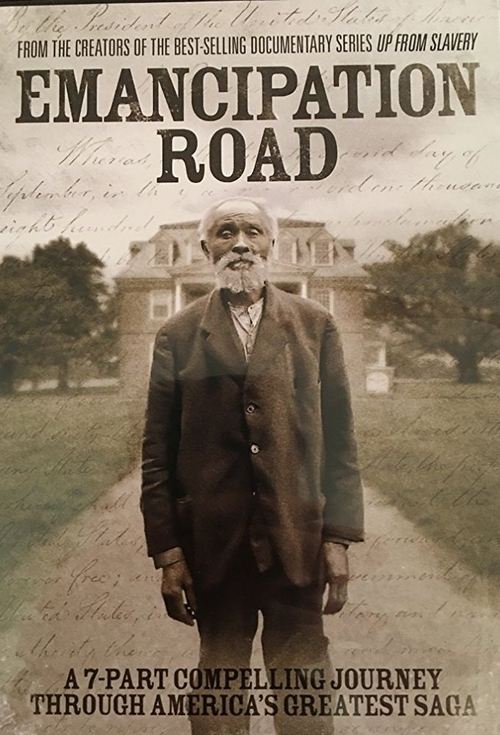
From The Creators Of The Best-Selling Documentary Series "Up From Slavery"... A 7-Part Compelling Journey Through America's Greatest Saga. In 1860, the nation founded upon an idea that all men are created equal and endowed by their creator with the inalienable rights of life, liberty, and the pursuit of happiness had as many as four hundred thousand slave-owners and almost four million slaves. By denying these rights to more than twelve percent of its population, America would soon pay with the blood of a generation. The story of African Slavery in America started with the first permanent English Colony in the 17th century... and ended with the Civil War. But those two hundred and fifty years of struggle were just the beginning. The beginning of a journey down the long Emancipation Road...
We Are England was a regional current affairs documentary programme shown on BBC One. The programme was made by six teams around England, based in London, Birmingham, Bristol, Leeds, Newcastle and Norwich. It explored the issues people cared about, as told by them from across the country. It replaced the long running BBC programme "Inside Out".
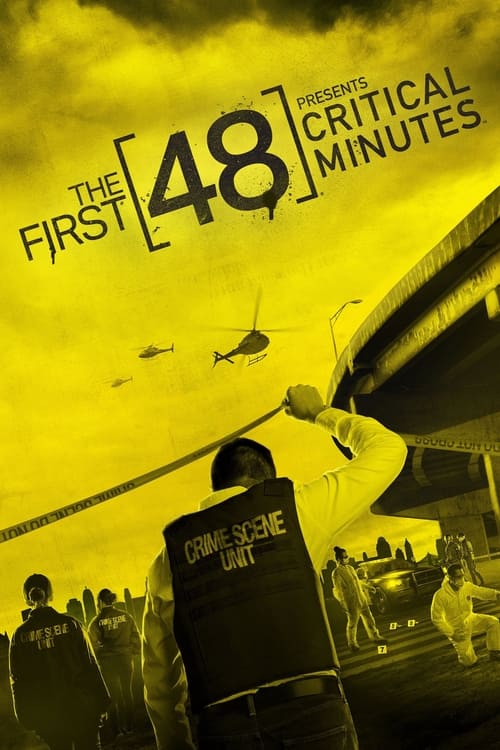
A look back at some of the most unforgettable moments in The First 48’s history. Each episode presents different cases previously featured on the show, all with a common theme.

Hosted by the iconic Henry Winkler, each 60-minute episode of this nostalgia-drenched series tells the stories of the things we did—for fun, for money, or out of plain boredom—that you can’t do anymore. Pastimes, practices, and products that were once allowed—even encouraged—which you will never see again in modern America.
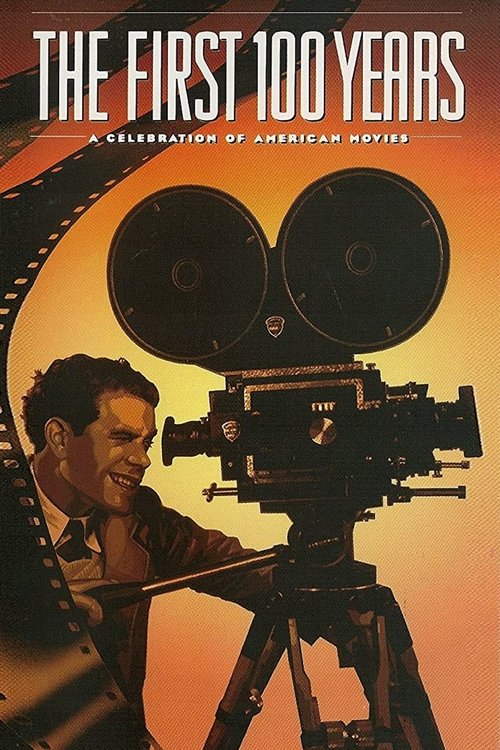
Based on the first centenary of the largest exporter of films in the world, that is Hollywood, is the story told by its protagonists, actors and writers and other people who made life in this business, interspersing images of famous movies.
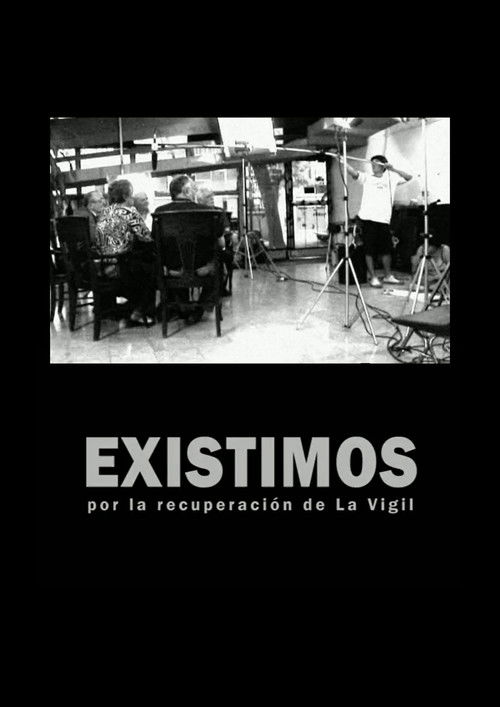
Ex-members of the La Vigil ask for recognition and reclaim their place as a part of the emblematic institution. Before the 1970s dictatorship usurped the library and cultural center, it was the biggest popular library in Latin America with over a hundred thousand books and its own publications.

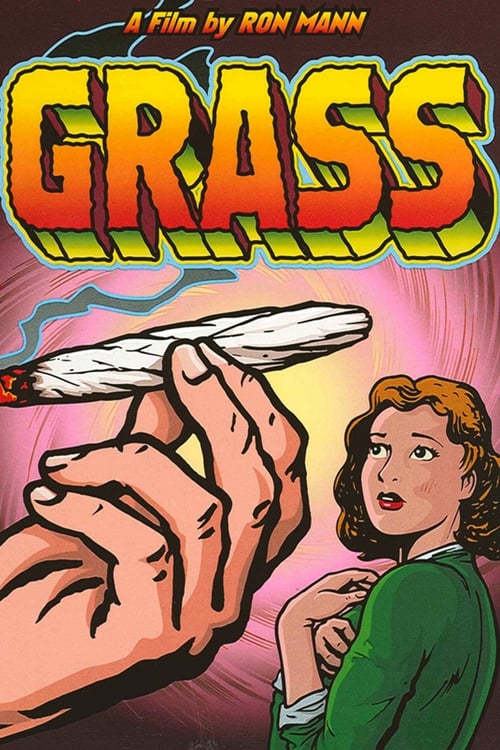
Marijuana is the most controversial drug of the 20th Century. Smoked by generations to little discernible ill effect, it continues to be reviled by many governments on Earth. In this Genie Award-winning documentary veteran Canadian director Ron Mann and narrator Woody Harrelson mix humour and historical footage together to recount how the United States has demonized a relatively harmless drug.
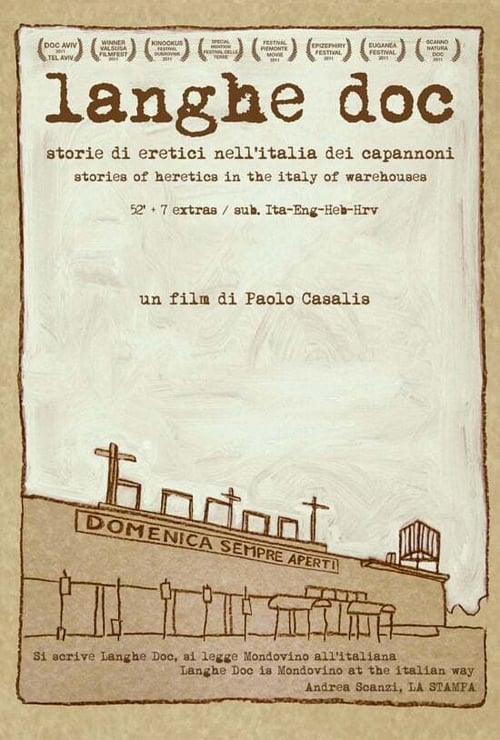
Three characters, three stories of "heretics", three food producers who think in a different way to describe the transformation of our Country in what in “Langhe Doc” Giorgio Bocca calls the Italy of warehouses. We're in Langhe, a unique territory, universally recognized as one of the most beautiful places in Italy, fresh candidate for Unesco World Heritage but afflicted by uncontrolled economic development, urbanization, overbuilding, abandonment of the less profitable areas. Those of Maria Theresa, Silvio and Mauro are stories of people who have insight into a future they do not like and have chosen to refuse it. Their challenges are still open, they're not yet fully met and perhaps they never will: these heretics move in one direction, while the world moves in another, quite the opposite one.

Bringing background actors to the forefront, this short shares the inspiring stories of three individuals who discovered the joy of being on a film set later in life.
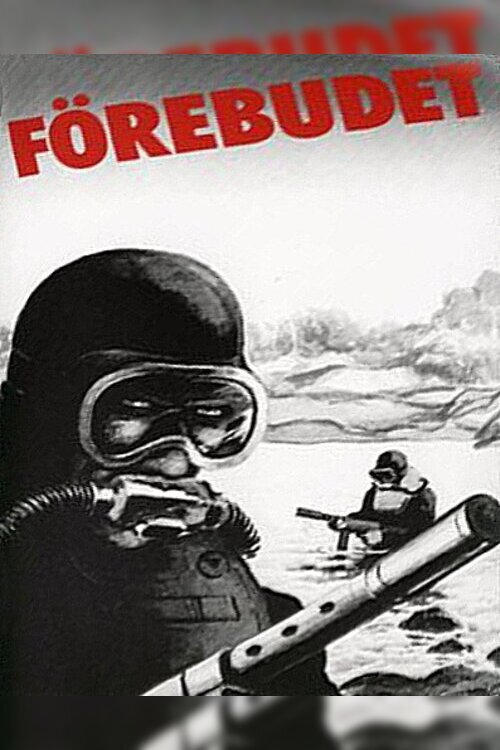
The omen (Förebudet)
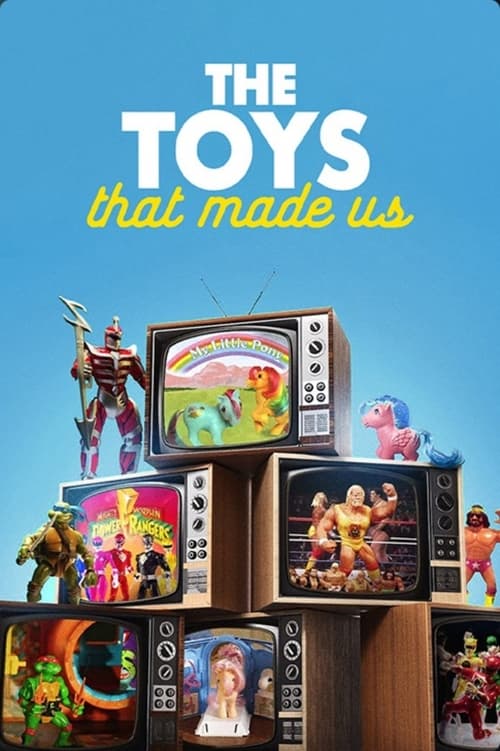
The minds behind history's most iconic toy franchises discuss the rise -- and sometimes fall -- of their billion-dollar creations.
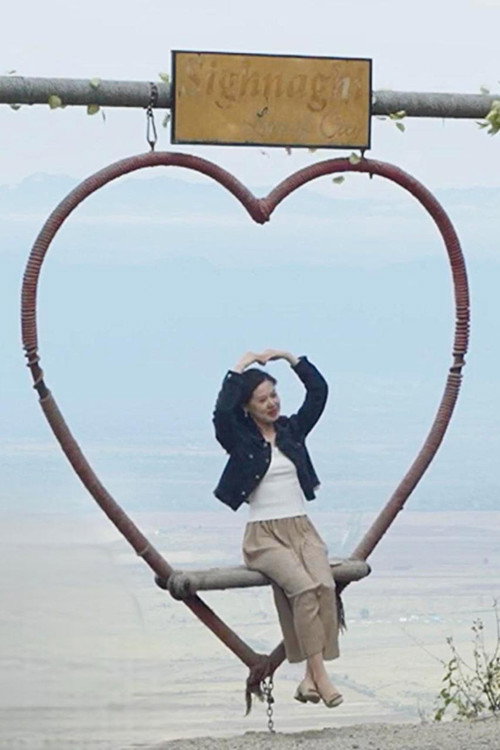
An elderly woman offers tourists advice on taking selfies at a tourist trap in Georgia.
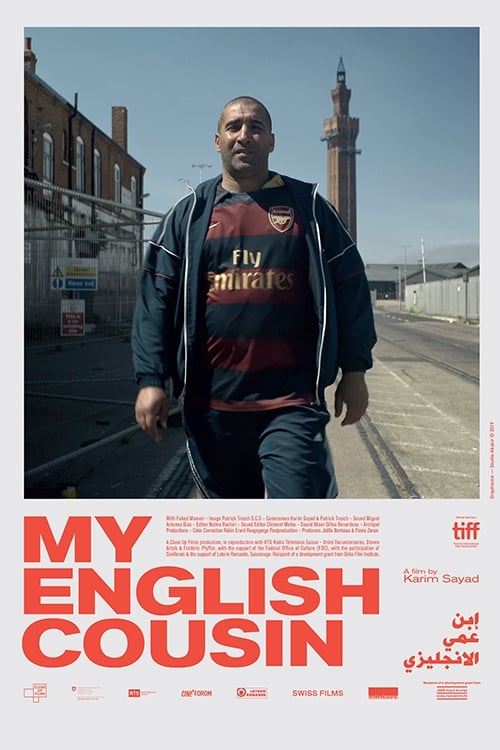
Full of hope, Fahed arrived in England from Algeria back in 2001. Fifteen years later, his dreams of prosperity have evaporated and he finds himself in a midlife crisis, no longer knowing where his home is. Will Fahed, the director's cousin, return to his place of birth?

A first-ever look at the realities of the professional “amateur” porn world and the steady stream of 18-to-19-year old girls entering into it.
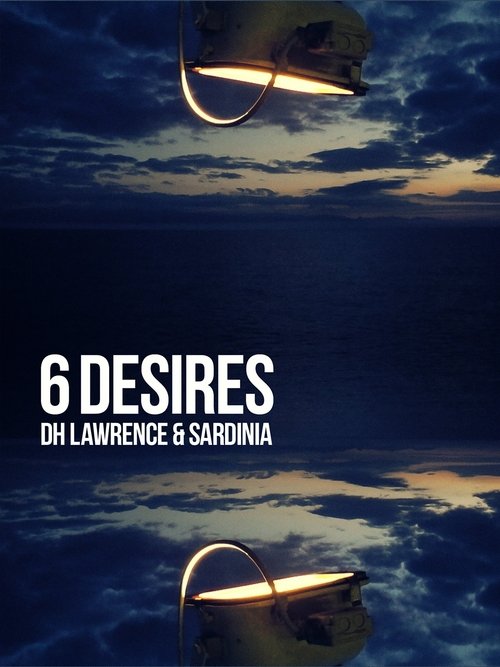
Documentary filmmaker Mark Cousins follows in the footsteps of DH Lawrence in this dazzling road-trip through Sardinia.
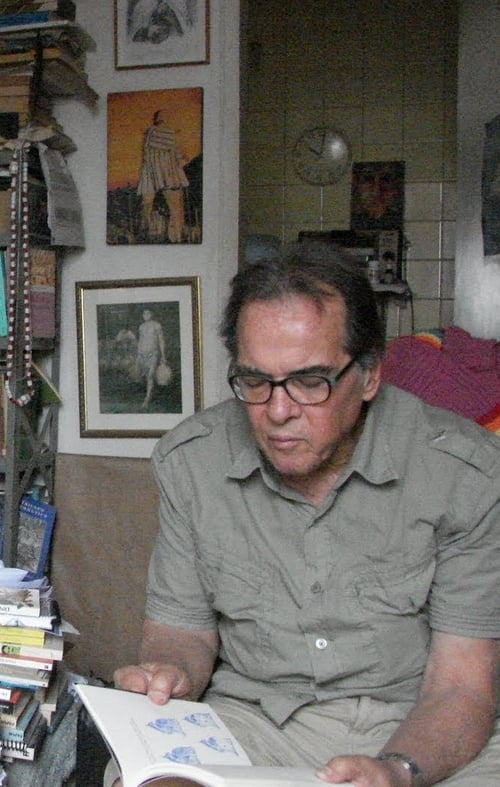
Urban Haunting with Roberto Piva was part of the 1st DOC-TV: Program for Promotion of Production and Broadcasting of the Brazilian Documentary, which was called by Imaginary Brazil. The program is a documentary about the life and poetry of Roberto Piva, a charismatic and contradictory urban figure that portrays in his verses or chaos that he observes life in the city of São Paulo. Roberto Piva emerged in the São Paulo scene of the 1960s and shows how his life is completely linked to the poems he made.
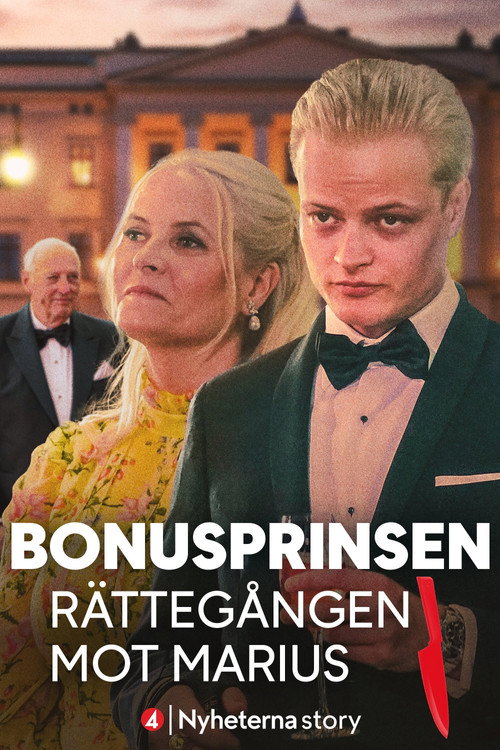
The full story of the scandal shaking the Norwegian royal court – ahead of the trial of "bonus prince" Marius for rape and assault.
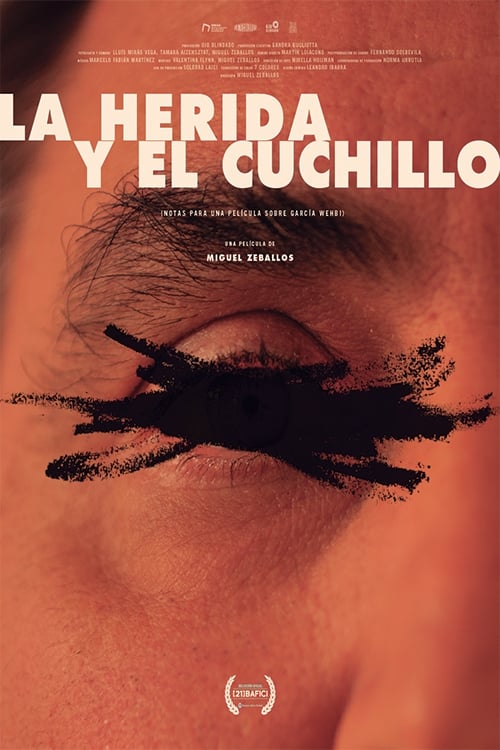
"The wound and the knife" is several things, or at least three: a documentary, a fiction and an essay. A documentary about the creative process of the last 5 years of the artist Emilio García Wehbi, a series of fictional scenes that dialogue with his work and a kind of essay on the body. In this sense, the staging is situated in the fragment, not only in the fragments of Wehbi's works, but also in the fragments of the bodies that make up those works. Thus, a little adrift and with a puzzle structure, in "The wound and the knife" I manifest a constant will to jump into the void, in this way the film denies itself as a closed work, but rather, what what it tries to be is a draft, the single notes that survived my own process.
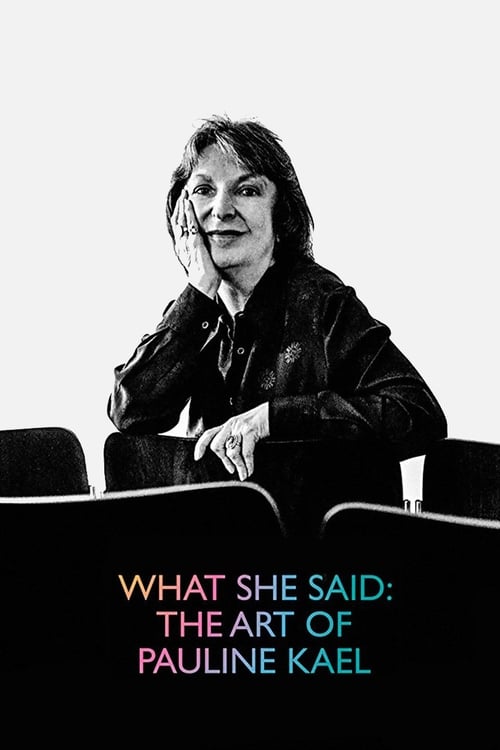
Pauline Kael (1919–2001) was undoubtedly one of the greatest names in film criticism. A Californian native, she wrote her first review in 1953 and joined ‘The New Yorker’ in 1968. Praised for her highly opinionated and feisty writing style and criticised for her subjective and sometimes ruthless reviews, Kael’s writing was refreshingly and intensely rooted in her experience of watching a film as a member of the audience. Loved and hated in equal measure – loved by other critics for whom she was immensely influential, and hated by filmmakers whose films she trashed - Kael destroyed films that have since become classics such as The Sound of Music and raved about others such as Bonnie and Clyde. She was also aware of the perennial difficulties for women working in the movies and in film criticism, and fiercely fought sexism, both in her reviews and in her media appearances.
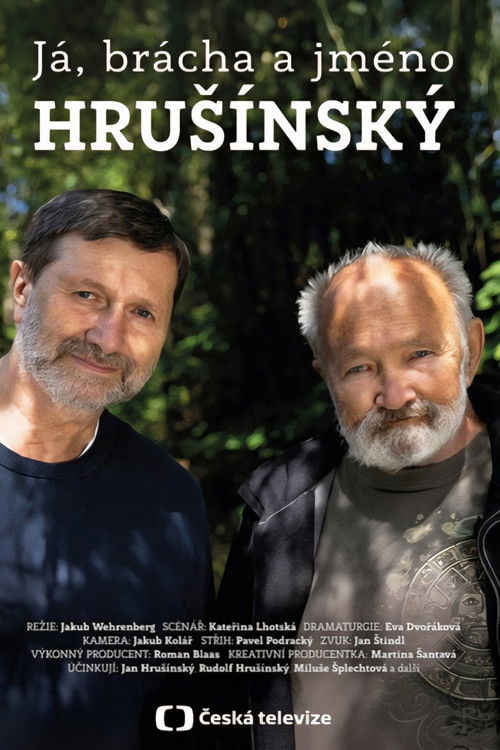
According to family legend, the name Hrušínský was born after Rudolf and Jan Hrušínský's grandfather Rudolf Böhm was caught stealing pears on a theater stage. The German name Böhm suddenly became Hruškovský and shortly after that Hrušínský. Grandfather Rudolf, later known as Rudolf Hrušínský the eldest, adopted the surname as his own and began using it in 1935. However, the history of the Hrušínský acting family goes back much further. It is therefore not surprising that the brothers Rudolf and Jan also took the same path. The documentary charts their acting beginnings alongside their father Rudolf Hrušínský Sr., from their first roles, through theater engagements at the Drama Studio in Ústí nad Labem and the Drama Club in Prague, to unforgettable film and television roles, when three generations of Hrušínskýs often met in front of the camera.
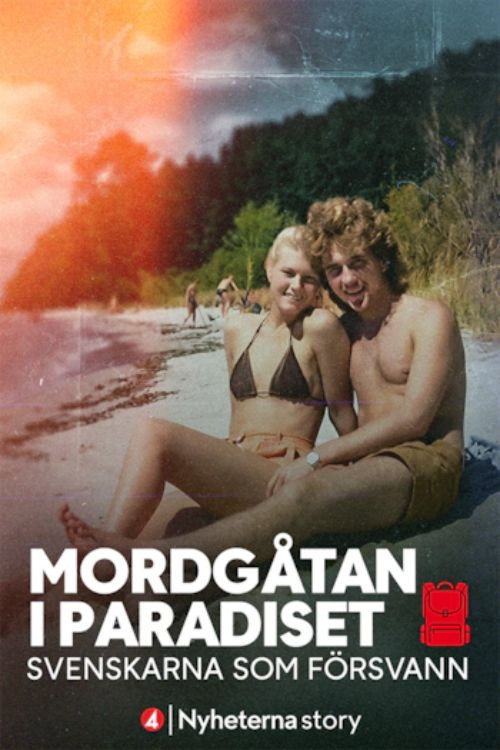
Swedish tourists Urban and Heidi disappeared in New Zealand in 1989. Now, the conviction of the man identified as their killer has been overturned, and the mystery remains unsolved.
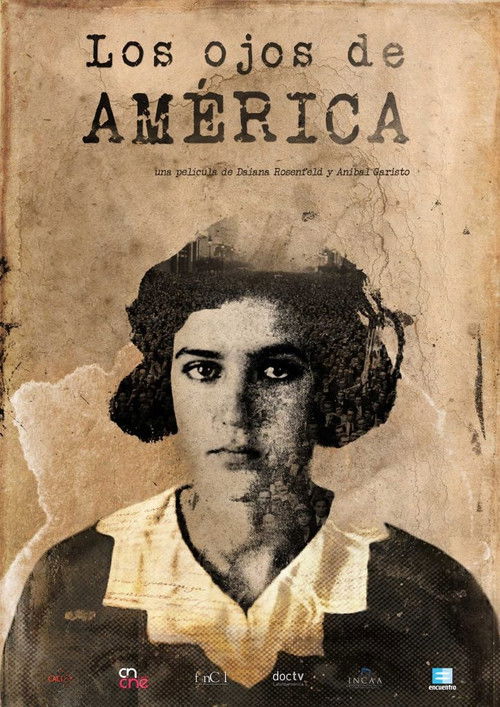
América Scarfó starred one of the most passionate love stories in Argentina with Severino Di Giovanni, the lead anarchist figure and the most wanted man across the country. The relationship developed under clandestine meetings and love letters.
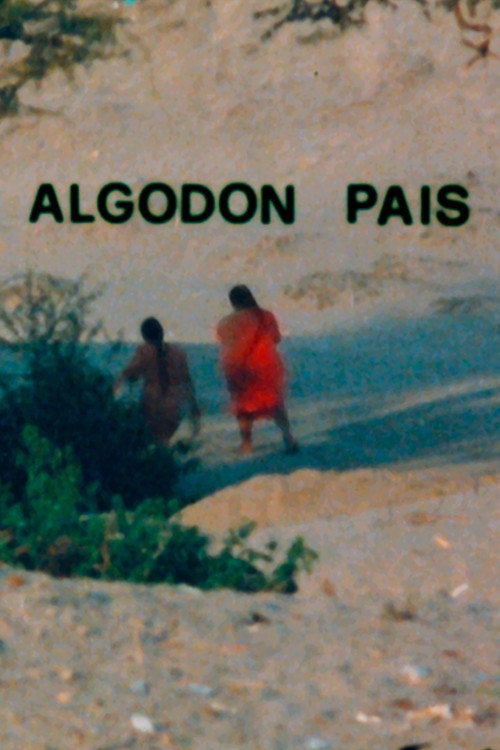
Colored cotton was already being cultivated in Peru since the pre-ceramic era, that is, 4,500 years ago, and was the basis of the textile development of pre-Hispanic cultures.
Before leaving adolescence behind, a group of students split into fictional characters to film their transition into adulthood. Between cameras, confidences, and a shared journey to the mountains, the film captures the tremor of an ending and the glimpse of another beginning.