Protocol Archives • Browse all Documentary titles in HD

In "Engelska mord", Leif GW Persson travels to England to take a closer look at some of the most famous murder cases in British criminal history.

Chronicle is a BBC Television series shown monthly and then fortnightly on BBC Two from 18 June 1966 to its last broadcast in May 1991. Chronicle focused on popular archaeology and related subjects. The best remembered episodes of Chronicle were "The Lost Treasure of Jerusalem...?", "The Priest, the Painter and The Devil" and "The Shadow of The Templars". These were presented by Henry Lincoln who later went on to write Holy Blood Holy Grail with Michael Baigent and Richard Leigh. The BBC have made some editions available online

The six-part series outlines the journey to the first treble in the club's history in 2013 and in fact begins in the years before, when the team and the entire club steadily developed through ups and downs. Players, coaches and decision-makers from back then tell how they experienced everything that moved them and what it means to them, even with the distance of a whole decade, to be part of this history and of FC Bayern.
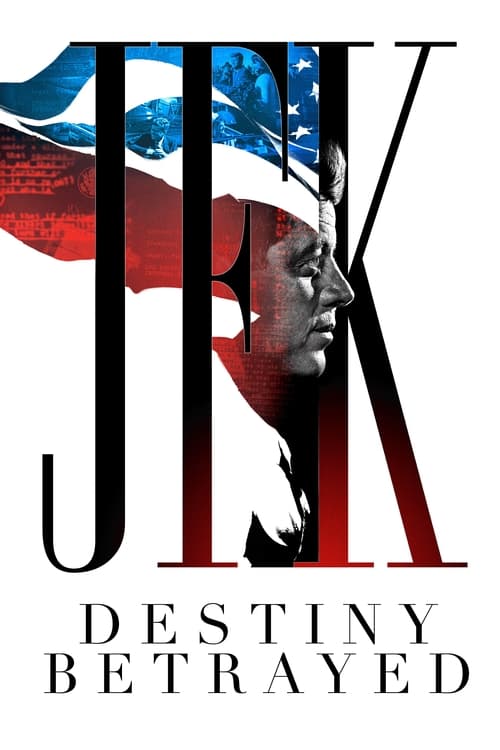
Thirty years after the release of his film JFK (1991), filmmaker Oliver Stone reviews recently declassified evidence related to the assassination of President John F. Kennedy, which took place in Dallas on November 22, 1963.

From eradicating disease to selecting a child's traits, gene editing gives humans the chance to hack biology. Meet the real people behind the science.


Take a dive into the tiny, unseen world that surrounds us! With music by Andrew Huang, footage from James Weiss, and narration by Hank Green, we want to take you on a fascinating, reflective journey through the microcosmos.

Traces the evolution of one of the world's most successful comedy troupes from its humble beginnings as a stage production in Chicago to the hit late-night TV show.

These six intimate stories explore the abiding emotional bonds that form between dogs and their caregivers, no matter the circumstances.
A vivid six-part portrait of the global entertainment industry.
Telescope is a Canadian documentary series which aired on CBC Television between 1963 and 1973. The series was hosted by Fletcher Markle, which profiled notable Canadian people from celebrities to the unknown, who made a difference. Starting in September 1966, Telescope was the first regular colour broadcast in Canada. It's producer was Sam Levene. In 2008, CBC offered 10 episodes of Telescope on their Digital Archives website. The episodes are from the 1970-1971 season, and feature new host Ken Kavanagh. Among those profiled were game show host Monty Hall, publisher Mel Hurtig, journalist Pat Carney, actor John Vernon, author Farley Mowat, amusement park impresario Patty Conklin, and underwater explorer Joe MacInnis. A 1970 episode featured actor Donald Sutherland including early footage of his son Kiefer. Mentalist Uri Geller followed a week later by Ray Hyman and Jerry Andrus who explained and duplicated Geller's "paranormal" feats.

This series will go back through the record to explore life-altering, earth-shattering, unforgettable events using a combination of carefully selected archive, cutting edge CGI and informative scripting in this popular science format. As well as exploring spectacular archive, illustrating the full toll these disasters can take, we'll dig into the science behind each event, shining a light on the most fascinating elements and giving an understanding on how and why these events occur.

Stanley Tucci travels across Italy to discover the secrets and delights of the country’s regional cuisines.

A group of families learn the charismatic man they had trusted is sperm donor to hundreds — or perhaps thousands — of other children across the world.

Forbidden love blossoms in the city of Pompeii, which until the eruption of volcano Vesuvius in 79 AD, is one of the empire's most powerful cities.
No easy answers? Decision-makers from Kissinger to Rice revisit how the US responded to conflicts from Rwanda to Iraq. Faced with human suffering - who has responsibility to act?
A cinematic experience bringing you the most amazing human stories in the world. Humans and wildlife surviving in the most extreme environments on Earth.

Suzannah Lipscomb reveals the killers that lurked in every room of the home.
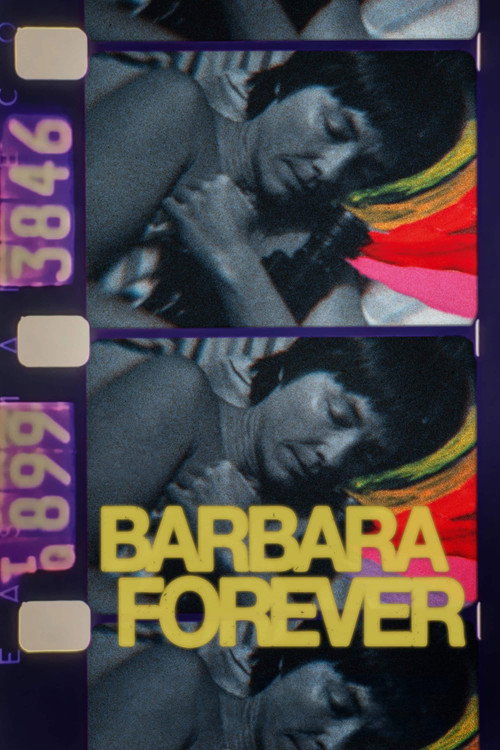
An archive-driven exploration of the life, work, and legacy of iconic, pioneering lesbian filmmaker Barbara Hammer.

A young Mapuche from Bariloche claims his identity and his culture. A Guluche journalist travels through these territories trying to recover the memories of the elders about the war and the massacre of his people. A historian from Buenos Aires finds in the archives the documents that allow him to prove who financed the army and what they obtained in return.

"First time shooting ... I was really thrilled ..."'Junjou Kawaii' A healing beautiful girl, Kyo Akane, who made such a perfect word, made her shocking debut from VTV! An evolutionary wearing erotic video presented by the genius Kaoru Toyoda to << you who are tired of ordinary image videos >>. From innocent and cute Kyoto to Kyoto that makes you feel the sex appeal of adults. A masterpiece that asks the "true value" of wearing erotic, the pleasure that comes out with beautiful images!


A manifesto for radical trans-humanism.

Barbara is 16 and completely obsessed with horror films. She goes around town covered in fake blood and reenacts the craziest scenes from her favorite films.
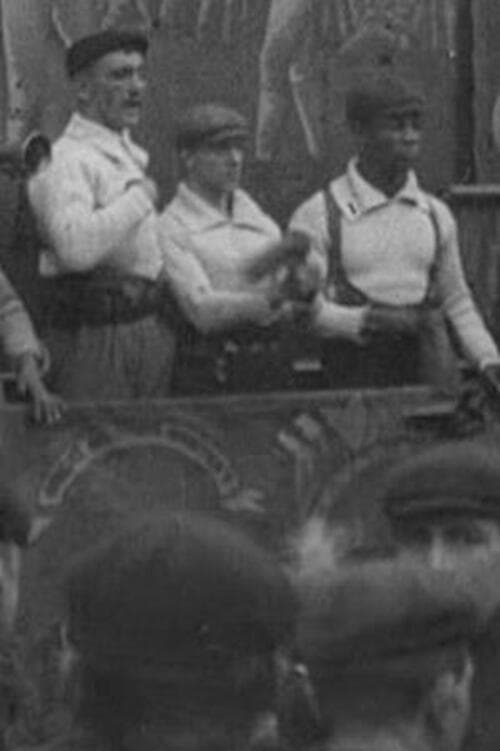
The ornate pavilions of cinematographs, boxing booths and menageries at Hull Fair.
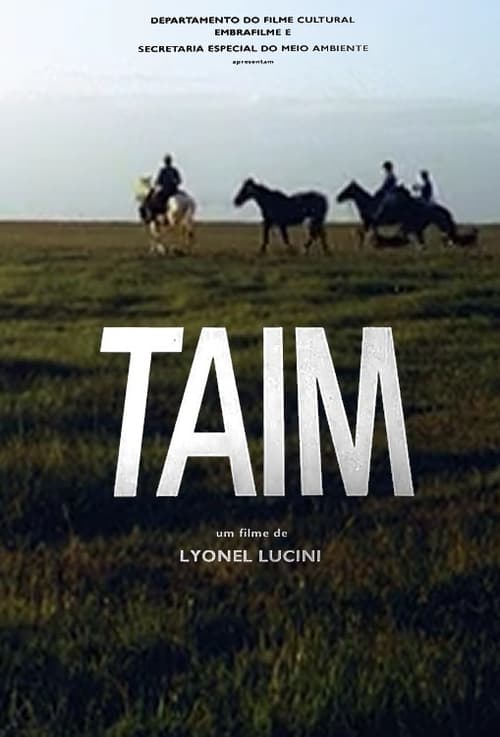
Ecology - the eco system, a nature reserve in the south of the country - RS (between the Mirim lagoons) shows the harmony between nature and animals.

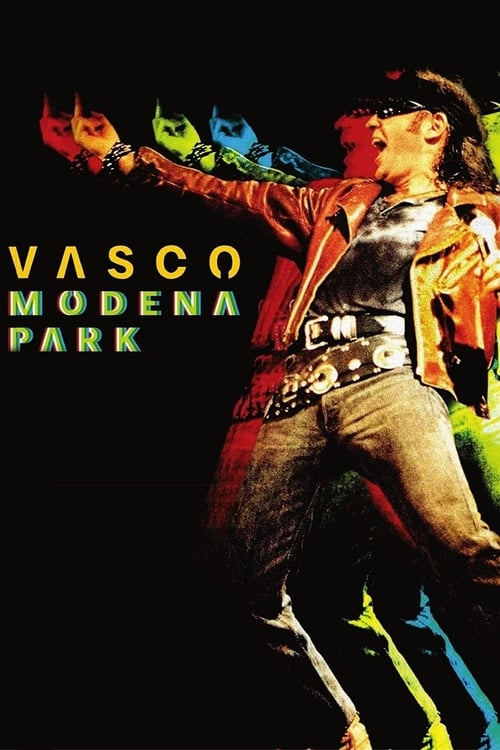
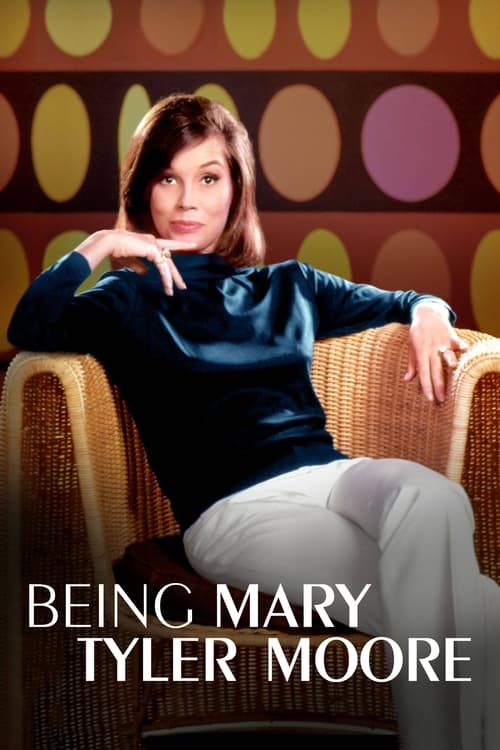
With unprecedented access to the Mary Tyler Moore Estate, friends, family, and colleagues, Being Mary Tyler Moore constructs an intimate mosaic of Mary's sixty-year career in show business.
Filmed in parks and markets within and beyond Tbilisi, and also in the ancient hermetic cave networks of Davit Gareja on the desert border with Azerbaijan, Birdboy and the General unfolds within a specifically Georgian reality to tell a larger story of place and purpose, control and change, aspiration and refusal. Given life by the evocative creations of Abkhazian puppeteer Denis Gonobolin, it speaks to forms of belonging rooted and realised in imagination, and looks to celebrate the potency of play, something slightly absurd, a skewed juxtaposition and leap of faith, to redirect the course of events, whether personal or public.
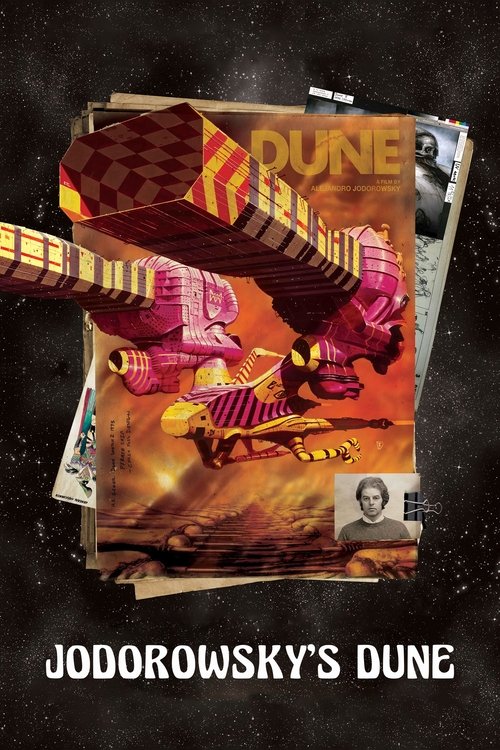
In 1974, Chilean-French director Alejandro Jodorowsky embarked on the quixotic project of adapting Frank Herbert's influential novel Dune (1969) for the big screen. After investing two years, and millions of dollars, the gigantic project ended in failure; but the artists Jodorowsky brought together to carry it out continued to work together, and ended up laying the foundations for modern science fiction cinema.

Inspired by the phrase of the American activist Angela Davis – “When the black woman moves, the whole structure of society moves with her” -, the documentary tells the story of three black women whose personal trajectories are intertwined with laws that transformed their lives and those of countless Brazilian citizens.
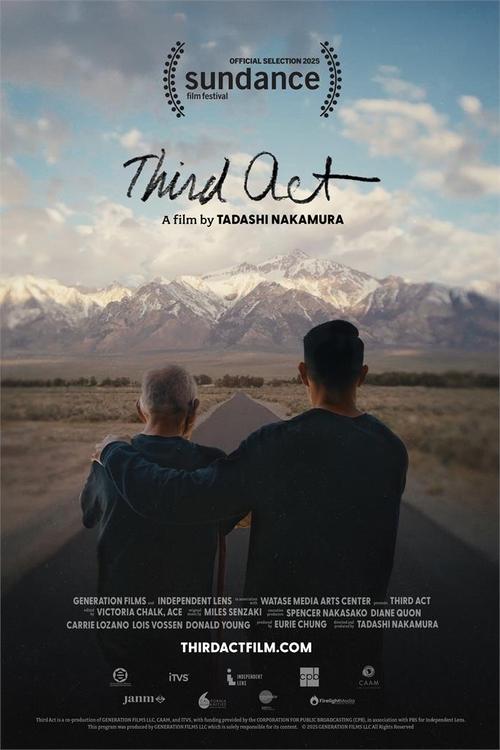
Filmmaker Tadashi explores his father Robert A. Nakamura's life as an influential Asian American artist and activist, while grappling with Robert's Parkinson's diagnosis, navigating themes of art, grief, and their father-son relationship.
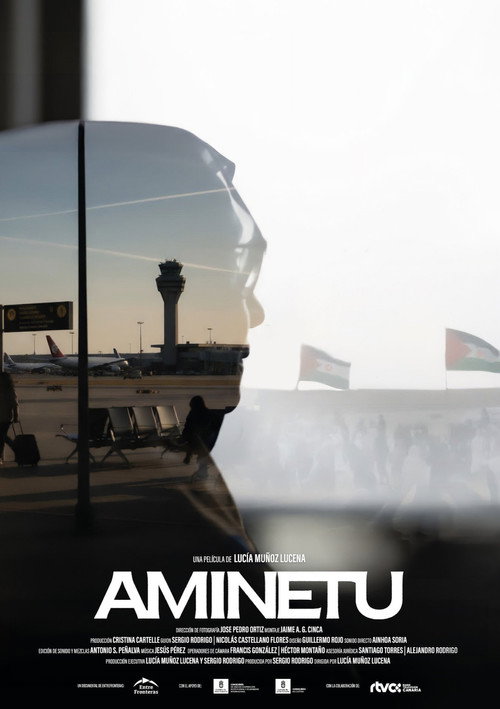
In November 2009, Aminetu Haidar returns to El Aaiún after receiving the Civil Courage Prize in New York, only to be expelled without a passport and sent to Lanzarote. There, she begins a 32-day hunger strike, turning the right to return home into a quiet but unyielding confrontation.
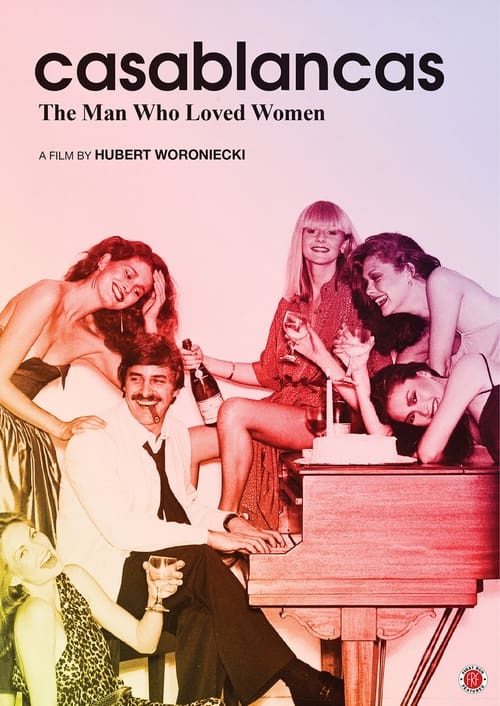
In the last 30 years of the 2nd millennium, John Casablancas created the Elite modeling agency and invented the supermodels. If the names as Naomi, Cindy, Linda, Kate or Claudia are today so famous in the pop culture, it is mostly his doing. He lived a life dreamt by many, surrounded by glamour and beauty. John Casablancas tells his own story.
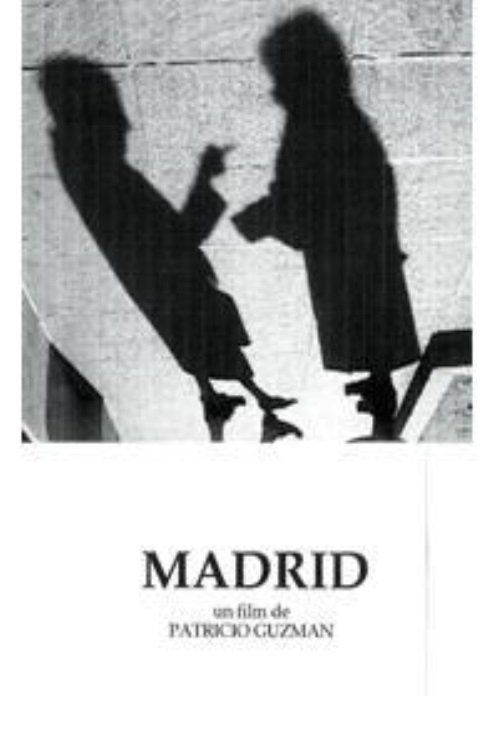
A charming and meditative ode to the city of Madrid, where Guzmán studied directing and filmmaking during the 1960s, and escaped to from Chile after the military coup. Traveling through the streets of contemporary Madrid, Guzmán’s essayistic film freely draws inspiration from the landmarks, the music, the people, and the culture to evoke experiences, reflections, and insights in order to relate the nature of his historical and personal connection to the city.