Protocol Archives • Browse all Documentary titles in HD
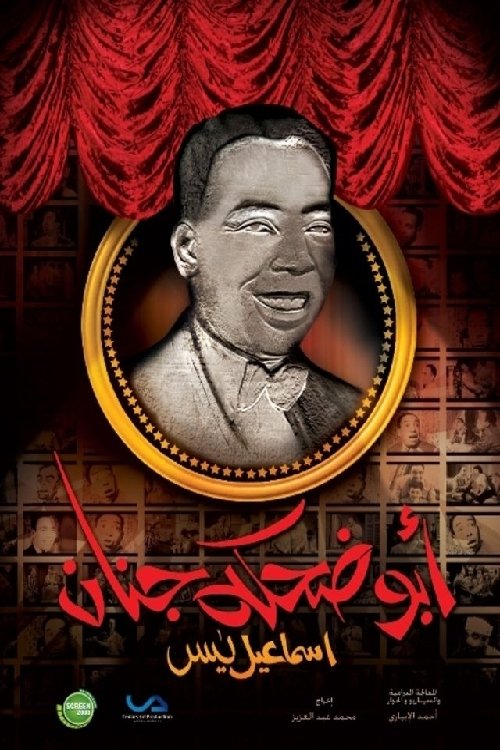
The series chronicles the life of the iconic artist Ismail Yassine who started his career as a singer in Suez, and his long journey until he became the top comedian in the 1950s.
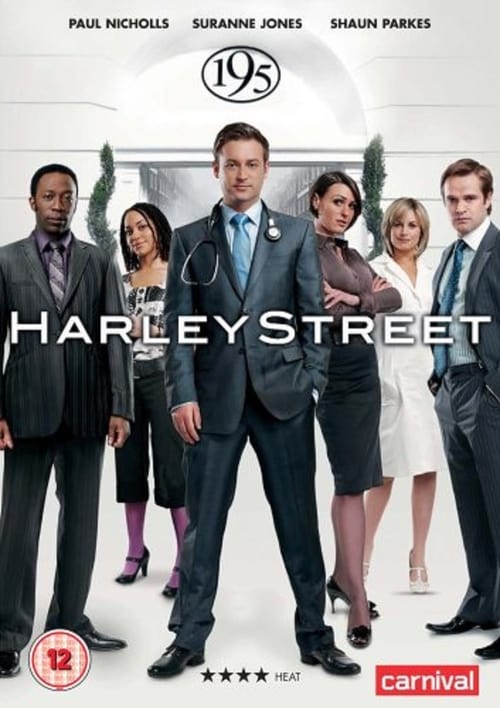
Harley Street is a British television medical drama shown on ITV in 2008. The series was made by Carnival Films and was set in Harley Street, London. Created by Marston Bloom and written by Howard Overman, Jack Williams and Nicole Taylor, the stories were about the lives of Harley Street specialists and the cases that were presented to them.
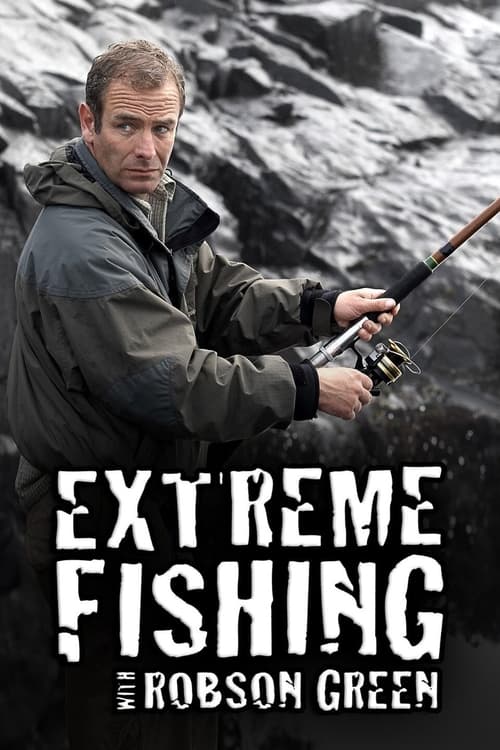
Extreme Fishing with Robson Green is a factual entertainment show broadcast on Channel 5. The show sees actor and fishing enthusiast Robson Green travel around the world in search of the greatest fishing destinations. There have been five series to date. A spin-off series entitled Robson's Extreme Fishing Challenge began airing on 9 April 2012.


The series follows the newly crowned champions of the 2019 Copa América tournament, the Brazilian football team, in a behind-the-scenes multi-part exclusive.

Twenty years after Hurricane Katrina, survivors reflect on the disastrous storm that forever changed their lives and the systemic inequities it exposed.


Chef David Chang takes his insatiable curiosity about food, culture and identity on the road, in the convivial company of fun-loving celebrity guests.
They are the tragic stories at the heart of some of history's most defining moments - tales of hatred and obsession, fanaticism and a burning desire for attention. In Assassinations That Changed the World, HISTORY examines the famous assassinations and assassination attempts that have left their mark on humanity.

Where the support comes from and how it evolves and what were the sacrifices that families made. The first team, childhood friends and relatives, different teammates... collectively make up and reveal the personalities and qualities of each Real Madrid player.

The personal journeys of ordinary and sometimes extraordinary Australians as they deal with tragedy, triumph and the fulfilment of dreams.
Professor Mary Beard looks beyond the stories of emperors, armies, guts and gore to meet the everyday people at the heart of Ancient Rome's vast empire.

The nature of the Baltic Sea offers many surprises as demonstrated in the three-part series Wild Baltic Sea. From the Northern most tip of Denmark to the Curonian Spit, from the Estonian island world to the Bay of Bothnia. For the first time bottlenose dolphins and a Sowerby's beaked whale could be filmed in the Baltic Sea.
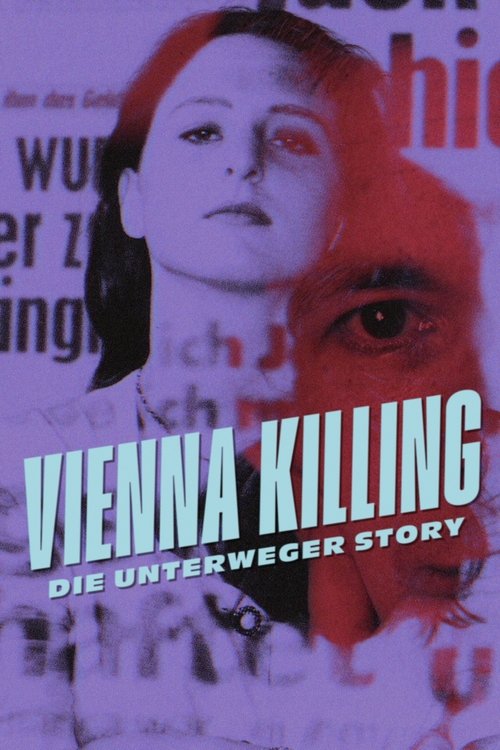
The story of Jack Unterweger, one of the most disturbing serial killers in the German-speaking world narrated from the point of view of his ex-girlfriend Bianca Mrak.

The life of an anti-social family living in Lithuania. The film tells the story of the children's loneliness and their attempts to change their life circumstances.
A painfully frank portrait of 22-year-old Jason as he undergoes trauma therapy. This is the third and final part of Maasja Ooms’ trilogy about the failing Dutch youth welfare services. As in the two previous documentaries Alicia and Rotjochies (Punks), the film is a critical observation from a very personal point of view.
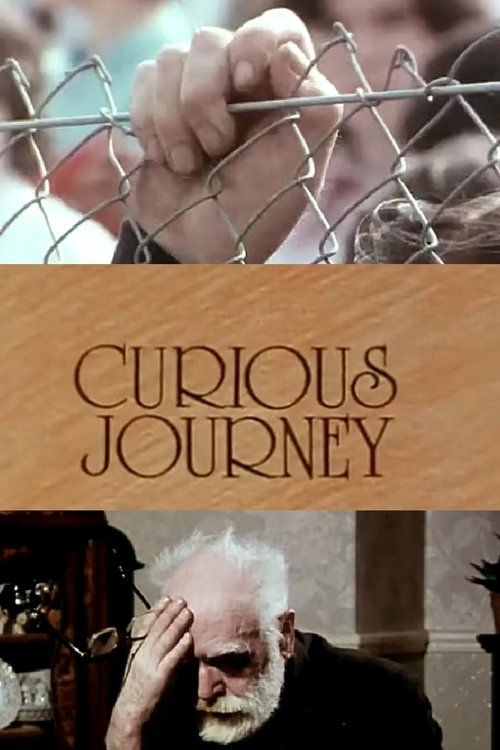
The 1916 Easter Rising in Dublin was an armed rebellion by Irish republicans against British rule in their country. Sixty years later, Kenneth Griffith interviews nine of those who took part in that historic event. This documentary was filmed in 1976 and completed in 1978. However, it was suppressed from being shown on television.

As a visually radical memoir, CAMERAPERSON draws on the remarkable footage that filmmaker Kirsten Johnson has shot and reframes it in ways that illuminate moments and situations that have personally affected her. What emerges is an elegant meditation on the relationship between truth and the camera frame, as Johnson transforms scenes that have been presented on Festival screens as one kind of truth into another kind of story—one about personal journey, craft, and direct human connection.
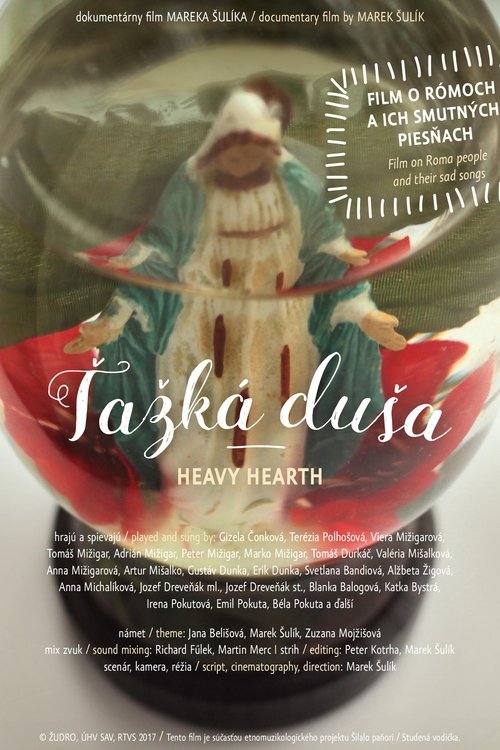
Documentary film Heavy Heart arose as a part of ethnomusicological research Silalo panori / Cold water (2014 – 2017) of ancient Roma songs. These songs are usually connected with memories and experiences of their interprets. Documentary in a mosaic-like way traces the way of the original Roma music transport to the next generation or also how it ceases to exist under the influence of social changes.
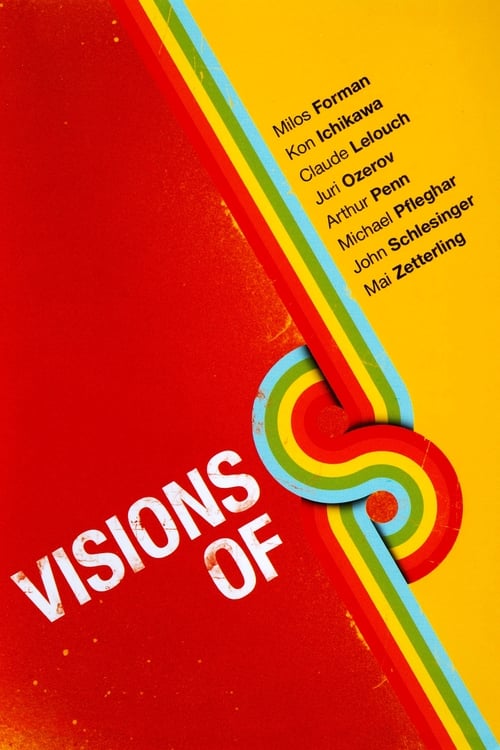
Eight acclaimed filmmakers bring their unique and differing perspectives to the 1972 Summer Olympic Games held in Munich. The segments include Lelouch's take on Olympic losers and their struggle to remain dignified even in the face of bitter disappointment and defeat; Zetterling's dramatic exploration of the world of weightlifting; and Pfleghar's piece on young Russian gymnast Ludmilla Tourischev's majestic performance on the uneven bars.

Nohemí and Mary are two women resisting structural violence in Ciudad Juárez. United by pain and hope, both mothers find inspiration to move their families forward. The dragonfly, a symbol they share, embodies their resilience and capacity for change.
Two men have a contest to see which one can be the first to eat a large slice of watermelon.

Queer Spawn allows young people stemming from homo-parental families to express their ideas, feelings, concerns and questions.
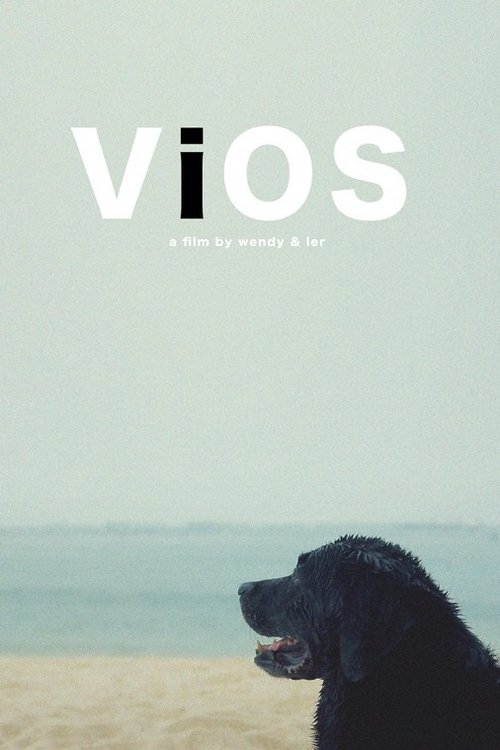
“At which point do you let go?…” – This is the central question of “Vios”, a short documentary that tracks the last days of a dog suffering from terminal cancer and how its owners struggle with the critical decision: whether or not to euthanise her. Shot over a 6-month period by the owners, Wendy and Ler, this intimate documentary is an unfettered access into the lives of the flmmakers, exposing their deepest vulnerabilities in face of this crisis, which had crushed their fnances and strained their relationship. Through their personal story, Wendy and Ler hope to create more awareness for dogs with cancer in Singapore and around the world.
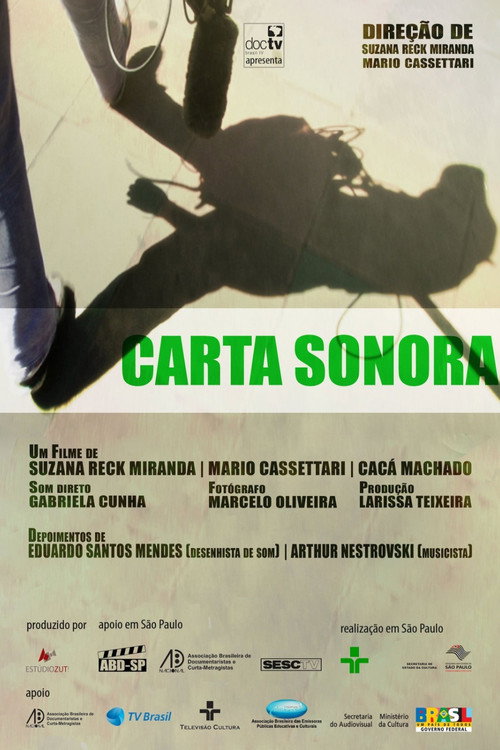
Sound Letter is an experimental documentary that investigates the sensory identity of the city of São Paulo. Far from following a conventional linear narrative, the film proposes a kind of sonic correspondence in search of the hidden music of the metropolis. Through the perspectives of Arthur Nestrovski and Eduardo Santos Mendes, the work explores the idea that inhabiting the city means superimposing distinct times, where the contemporary noise of traffic and urban chaos coexist with echoes of centuries-old traditions, such as old street vendors' cries. The medium-length film challenges the traditional documentary form by privileging the sound element as the protagonist and openly presenting its own recording apparatus, transforming the journey of a motorcycle courier into a true ballet of forms and sounds that translate the complexity and vibrancy of the São Paulo capital.

After discovering the family of Solomon Linda, the writer of "The Lion Sleeps Tonight," a reporter tries to help them fight for fair compensation.
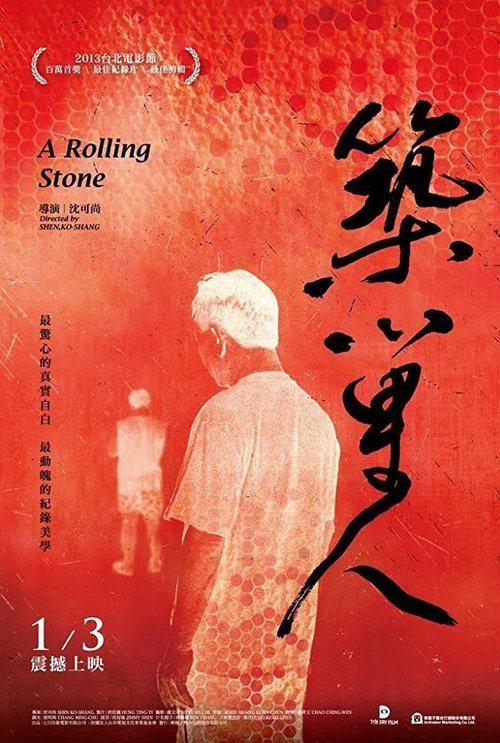
Caring for an autistic adult can be seen as an act of faith. It is unpredictable. A regular interaction can lead to a violent lashing-out. However, due to its lack of exposition and its pure form of observation, the film captures something even more profound: life as a collection of failure, pain, and tragedy as felt by its protagonist, Chen Hung-tung, a father who cares with extraordinary patience for his autistic son Li-fu.
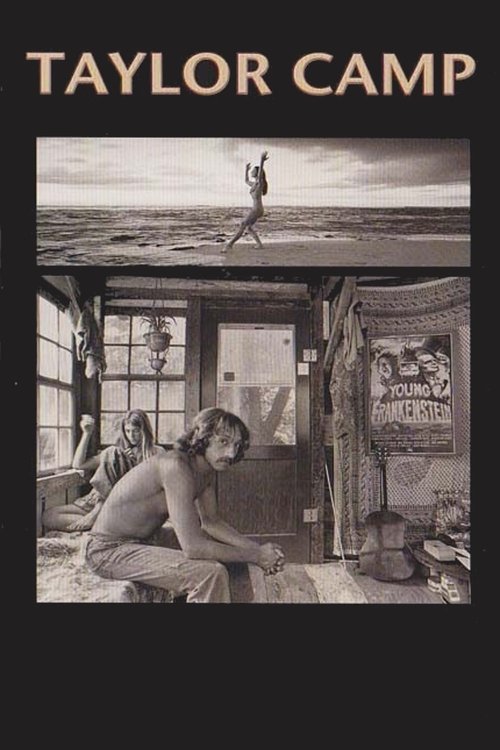
During the turbulent sixties, there was a safe haven from the chaos - a hippie treehouse village on a Kauai beach.
Aspects of the Brazilian composer's life, highlighting musical excerpts from the "Série Brasileira".

Single father and Cusco radio host Fernando shares a modest yet endearing hobby with his son: dubbing classic animated clips into Quechua, an Indigenous language spoken by a relatively small population. When one of their dubs unexpectedly goes viral, a private passion transforms into something far more ambitious and meaningful.
A formally free poetic documentary filmed through a summer depression in northern Portugal.